Morocco is the small-group tour case study for one reason: the country rewards traveling with someone who speaks Arabic and knows the medina, and punishes you for trying to do it alone on a tight schedule. A small group gets you the cultural access without the independent-travel friction.
The question is not whether to take a tour. It is which one, and which route, and whether to pay the premium for a Comfort-tier operator versus saving money on a classic-tier operator.
This guide covers what a small-group tour in Morocco actually does for you, the route options, what to look for in a good operator, and the realistic 2026 cost.
Browse Morocco tours on Viator · Browse on GetYourGuide
What a good small-group tour actually does for you
Morocco rewards guided travel in three specific ways that independent travel cannot easily replicate.
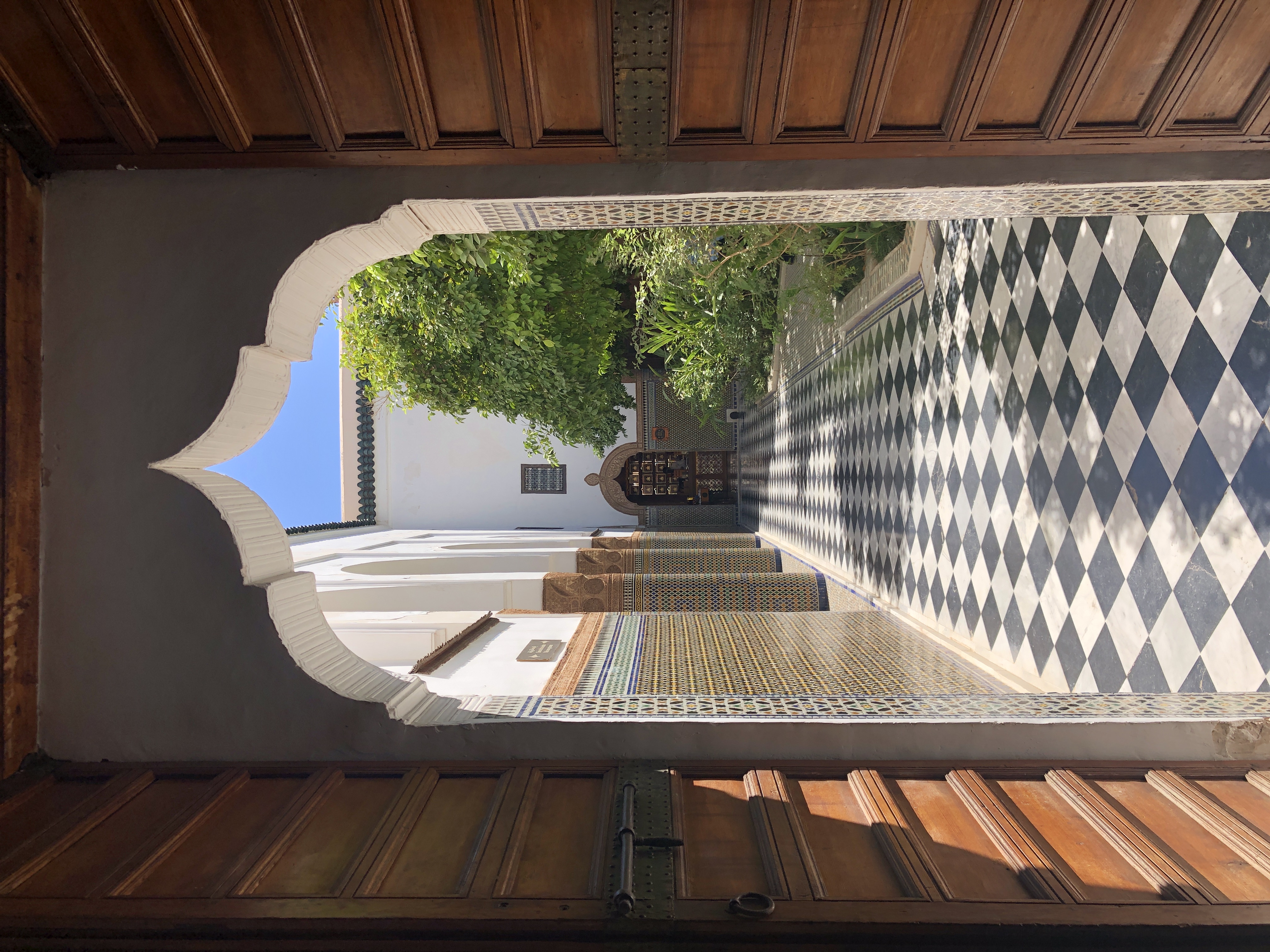
Medina access. A medina is the old walled city at the center of Marrakesh, Fes, Essaouira, and several other Moroccan cities. The streets are intentionally narrow and maze-like, designed to slow invaders. As a tourist, you walk in, immediately get confused, and spend 4 hours walking in circles. A guide with a local address system (which exists; medina addresses are written into the walls in specific ways) gets you from point to point efficiently, into the souks you actually want to see, and out again without panic.
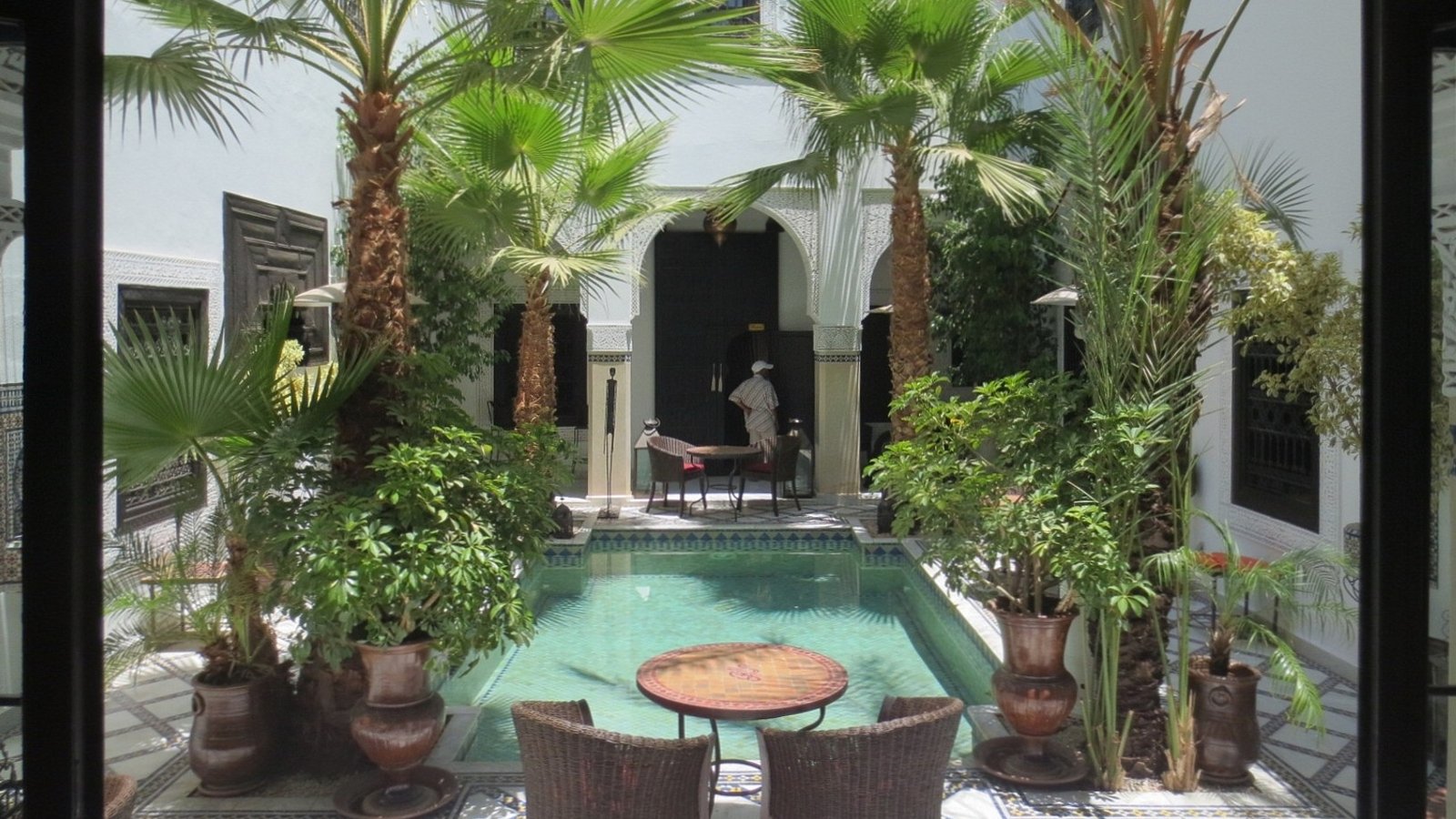
Riad and kasbah accommodation. The most authentic places to stay in Morocco are traditional riads (small courtyard houses, converted to guesthouses) and kasbahs (fortified houses). Independent travelers can book these directly, but the good ones go fast in peak season. A small-group operator pre-books the better riads 12 to 18 months out, securing access that independent travelers cannot.
Hassle reduction at the airport. Morocco’s airport arrivals are notorious for aggressive touts and taxi scams. A tour operator’s airport transfer sidesteps the entire problem.
What a small-group tour does not do: make the trip culturally safe, eliminate the language barrier entirely, or remove the need to be a flexible traveler. Morocco is Morocco. It is more orderly than some places, less orderly than others. A good tour handles the predictable hassles but not the unpredictable ones.
The two routes
There are essentially two ways to structure a 7 to 12 night Morocco trip:
The Marrakesh-to-Fes via desert route. This is the classic Morocco tour. Fly into Marrakesh, spend 2 to 3 nights in the medina, drive over the High Atlas mountains into the Sahara desert region for 1 to 2 nights (camel trek, Erg Chebbi or Erg Chigaga dunes, Berber camp overnight), then continue to Fes via the Middle Atlas and the cedar forests of Ifrane. Spend 2 to 3 nights in Fes, then fly out from Fes or Casablanca.
Marrakesh is the right entry city for most first-time Morocco travelers, and 2 to 3 nights in the medina is the right shape for the visit. Jemaa el-Fnaa, the central square, fills in the evenings with food stalls, storytellers, and music. The souks around the square are the strongest shopping experience in the country, with the dye-pit alleys, the leather district, and the spice market each rewarding a slow hour. Marrakesh’s medina is dense and walkable in the morning and best in the late afternoon when the heat breaks. Riad hotels in the medina are the right answer for travelers who want atmosphere over international-chain comfort.
This route covers the three iconic experiences: Marrakesh’s medina, the Sahara, and Fes’s medina. It is the right route for first-timers who want to see the highlights.
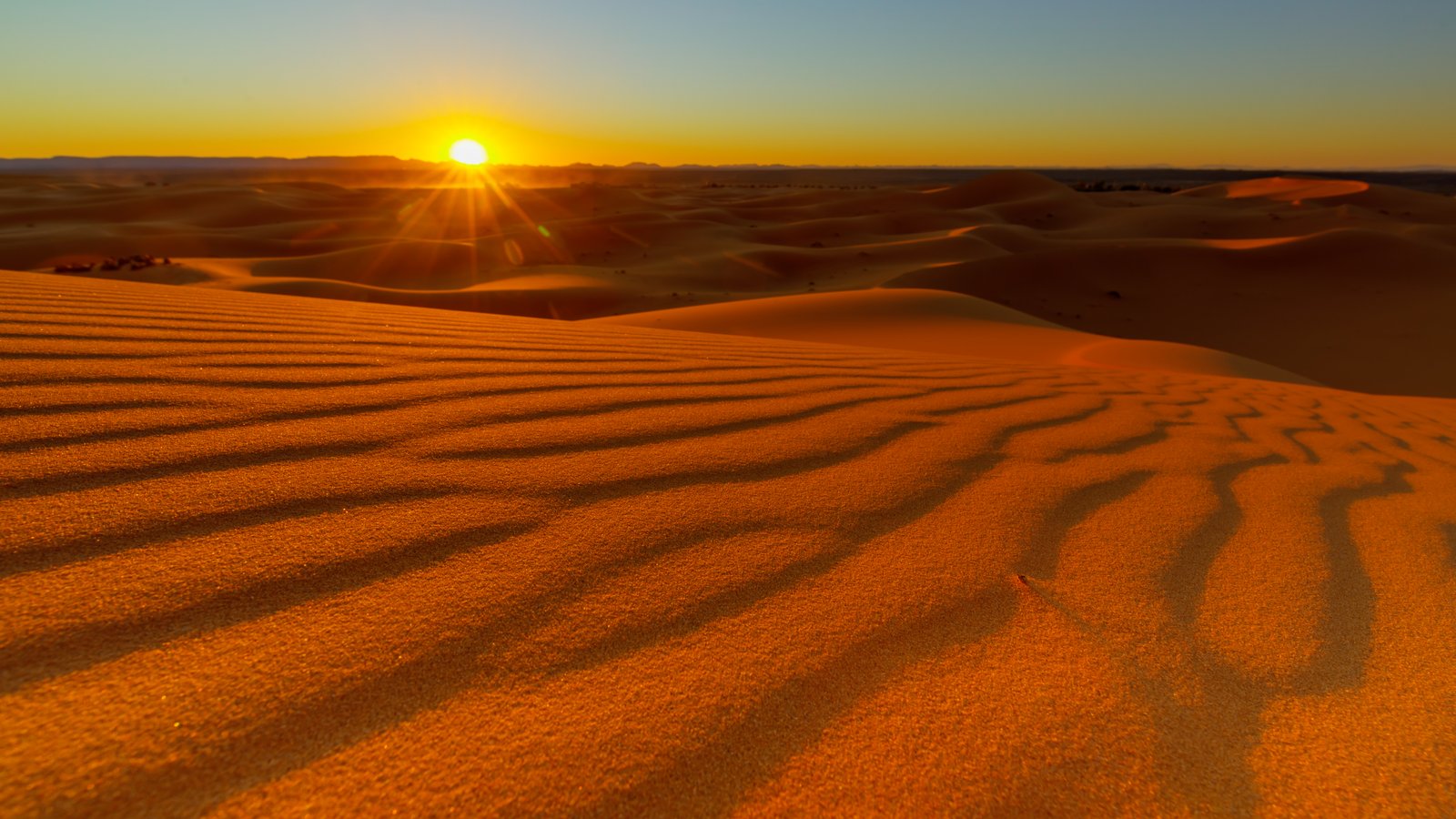
The Sahara is the headline experience of the Marrakesh-to-Fes route, and 1 to 2 nights is the right shape for the dunes and the Berber camp. Erg Chebbi and Erg Chigaga are the two named dune fields; Erg Chebbi is closer to Merzouga and easier to reach, Erg Chigaga is more remote and rewards travelers with a longer transfer. The camel trek into the dunes at sunset is the headline activity, and the Berber camp overnight is the most memorable meal of the trip. Travelers with knee or back concerns should know the camel mount and dismount is the most physically demanding part. The desert experience is genuinely a one-time event and not replaceable by anything in the Imperial Cities route.
The Imperial Cities route. This skips the desert and instead covers the four historical capitals: Marrakesh, Fes, Meknes, and Rabat, plus a day trip to Volubilis (Roman ruins). Add the Atlas mountains as a day trip from Marrakesh. This route is more history-focused and less dramatic visually (no desert dunes) but covers the country’s cultural foundations more thoroughly.
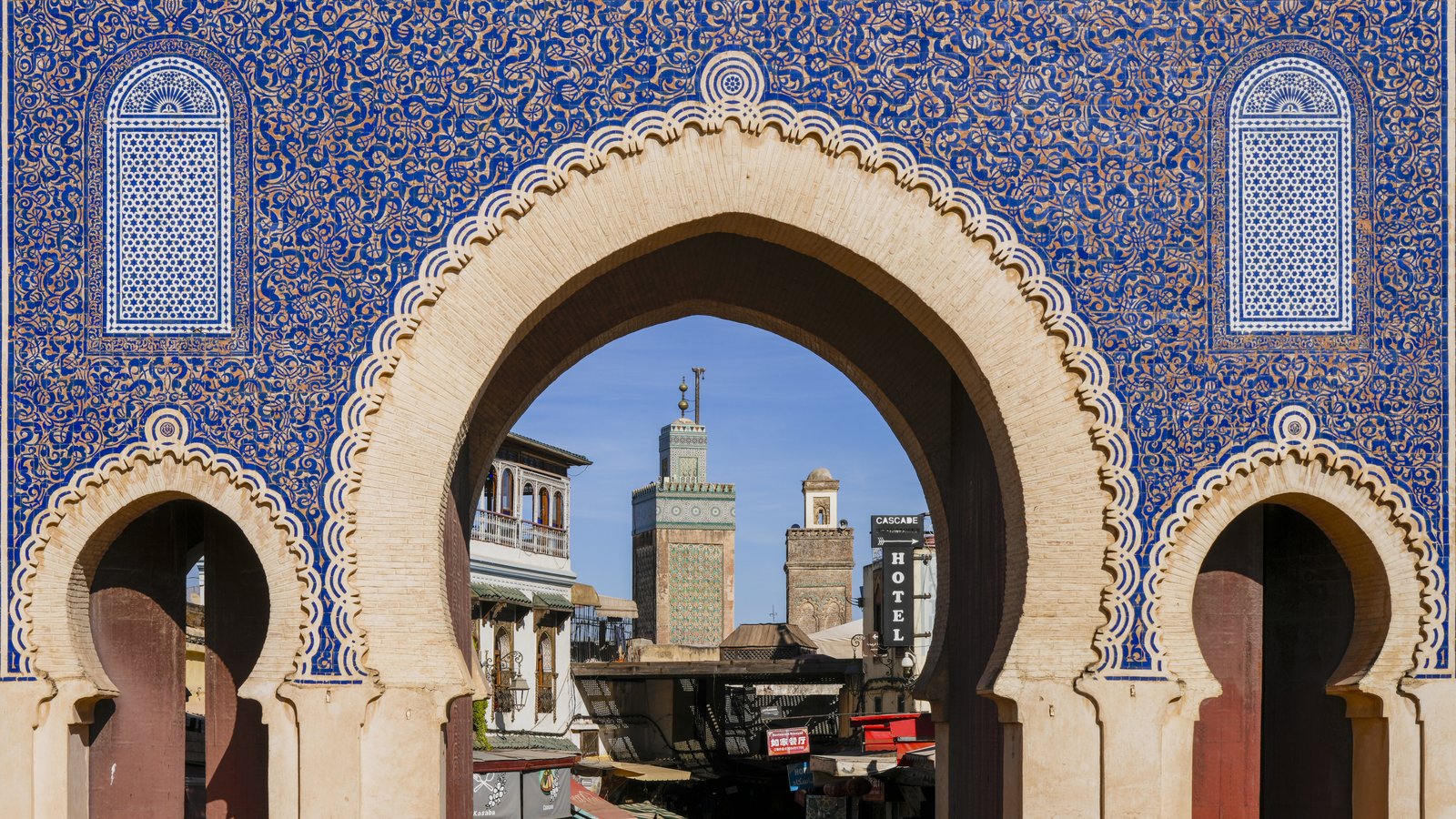
Fes is the cultural anchor of the route and the right second city on the trip, with 2 to 3 nights being the right shape. Fes el-Bali, the medieval medina, is a UNESCO heritage site and the largest car-free urban area in the world. The Chouara tannery is the most photographed sight in Morocco, with the rooftop view of the dye pits being the right shape for the visit. The Bou Inania madrasa and the Al-Qarawiyyin mosque (the world’s oldest university) are the strongest historical stops. Fes rewards slow travelers who get lost in the medina alleys on purpose.
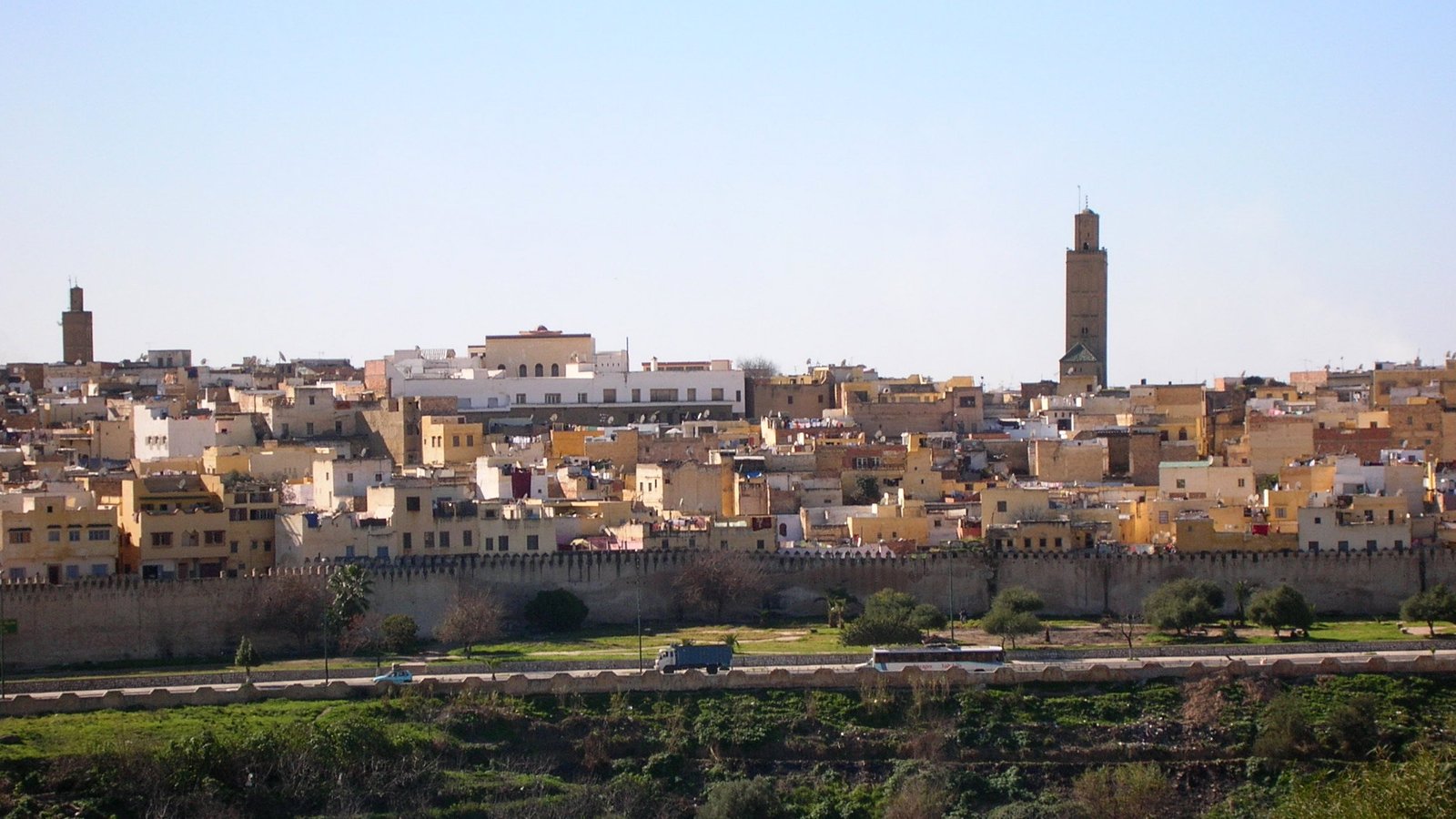
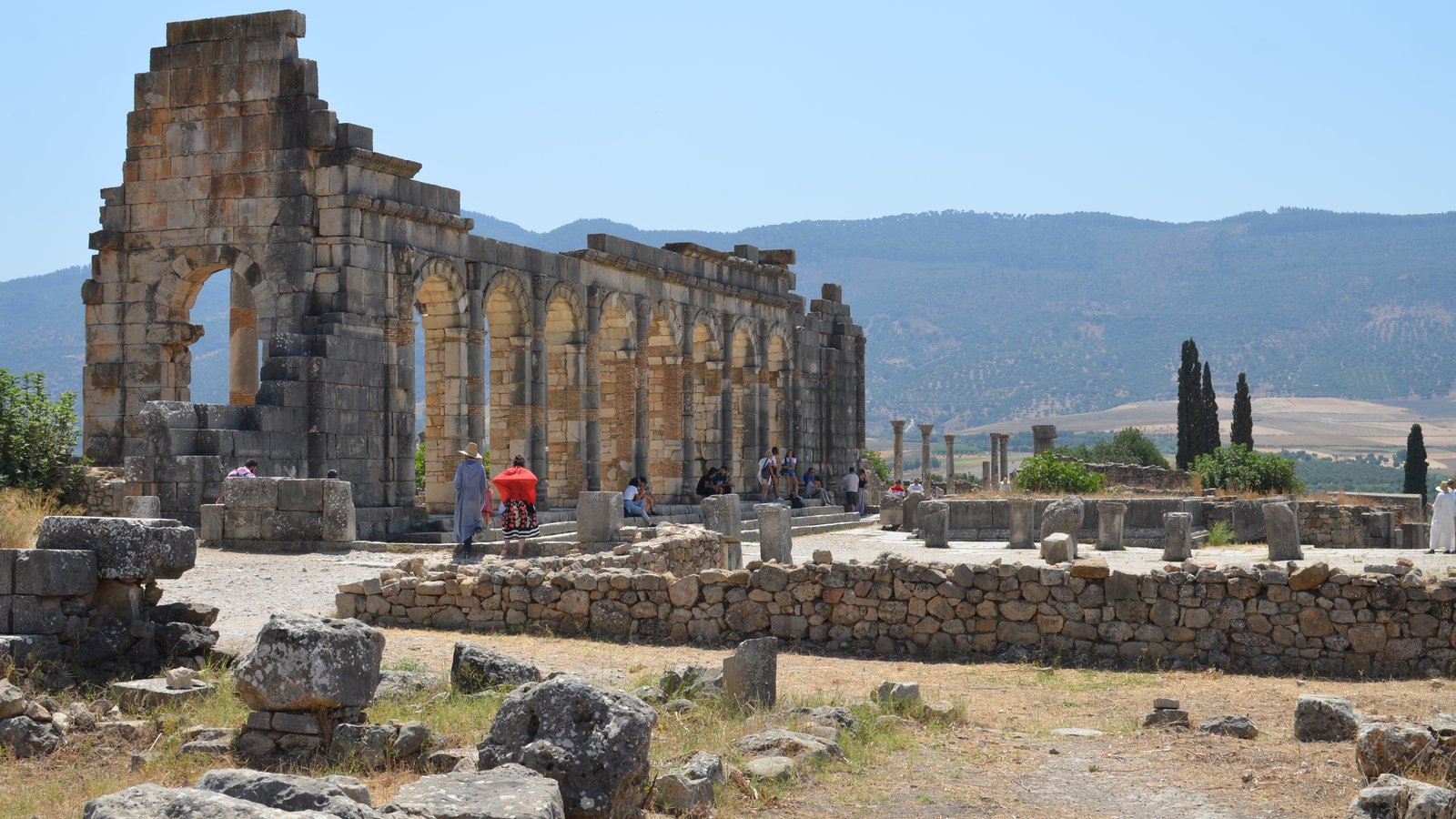
The right route depends on your priority. For most first-timers, the Marrakesh-to-Fes via desert route is the correct choice. The desert experience is genuinely a one-time event and not replaceable by anything in the Imperial Cities. The Imperial Cities route is the better choice for travelers returning to Morocco, or those specifically interested in Islamic architecture and Moroccan history.
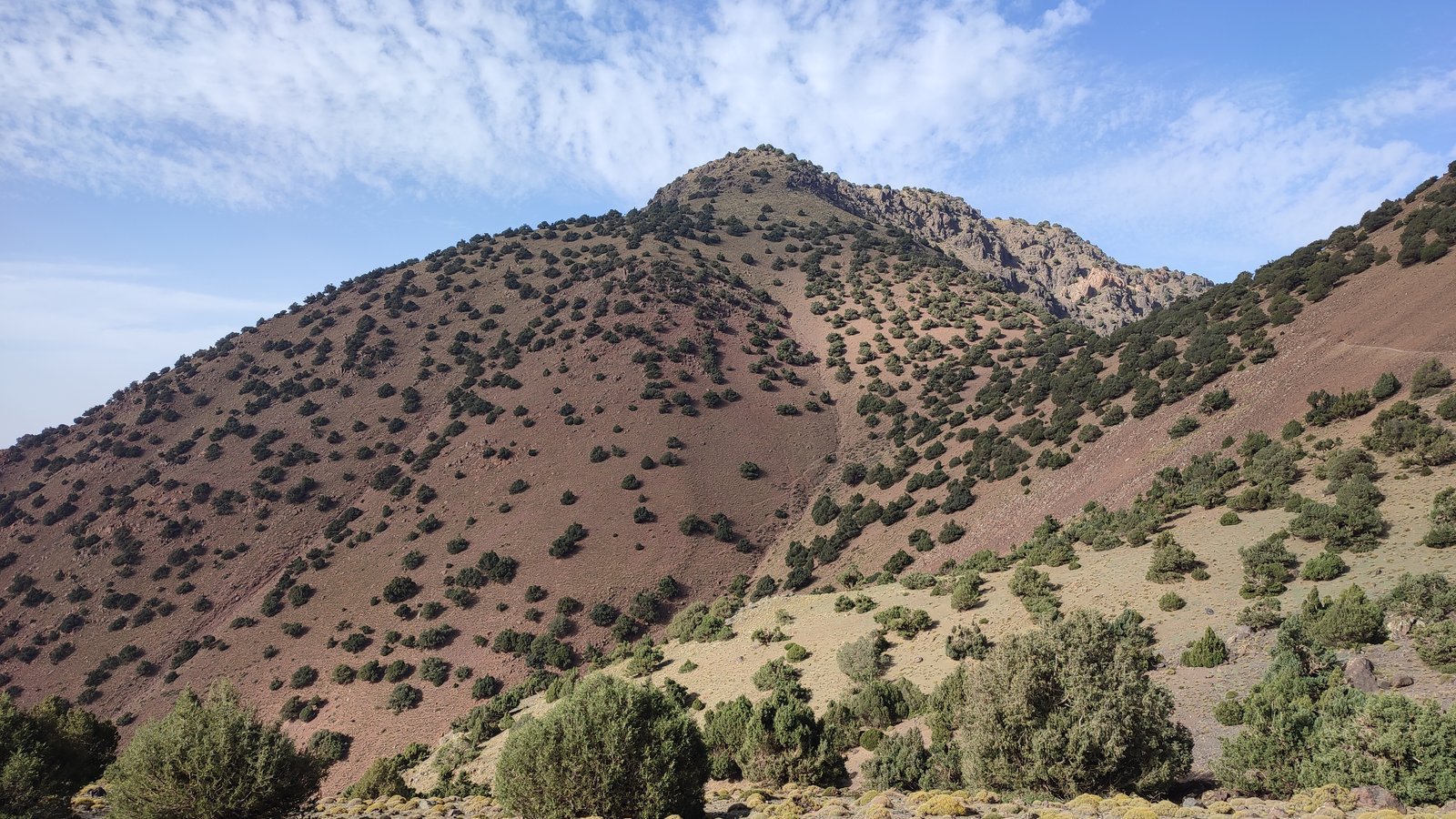
The High Atlas crossing is the right experience for travelers who want a day of dramatic scenery between Marrakesh and the desert. The Tizi n’Tichka pass climbs to over 2,200 meters and is one of the most scenic drives in North Africa. Berber villages line the road and the strongest stop is the Aït Benhaddou kasbah, a UNESCO heritage site that has been a film location for productions including Gladiator. The crossing is a full-day drive with stops; travelers who prefer to break it up can overnight in the kasbah region. For travelers who do the route with a guide, the High Atlas is one of the strongest parts of the trip.
Some operators offer extensions: a few days in Chefchaouen (the blue city), a few days in the Atlantic coast (Essaouira), or a trek in the Atlas mountains (Toubkal summit, 4,167 m). These are good extensions for travelers who can spend 14 days or more.
The operators worth comparing
There are two main operators running small-group tours in Morocco that Boomeropia travelers should know about, plus several smaller specialists.
Intrepid Travel (Comfort tier). Intrepid runs a “Premium Morocco” trip (10 nights, Comfort tier, around $3,800 to $4,800 per person without flights) that follows the Marrakesh-to-Fes via desert route. The Comfort tier upgrades the standard Intrepid accommodation to nicer riads and kasbahs, and reduces the group size from 12-16 to 8-12. The naturalists are Moroccan (not foreign tour leaders); this matters because a local guide can navigate the medinas, negotiate at the souks, and explain the cultural context with authority.
Intrepid’s Premium Morocco itinerary runs roughly: Marrakesh (3 nights) -> Ait Ben Haddou (1 night) -> Sahara desert (1 night) -> Todra Gorge (1 night) -> Fes (3 nights) -> Chefchaouen (1 night). The 10-night version is the sweet spot for most first-timers.
G Adventures (Comfort or Classic). G Adventures runs a “Morocco: Imperial Cities & Sahara” trip (10 nights, around $2,400 to $3,400 per person without flights). Classic tier is the standard group size (12-16), Comfort tier is upgraded accommodation. The G Adventures product is less polished than Intrepid’s Comfort tier but $1,000 to $1,500 cheaper per person, which is significant for a 2-person trip.
Specialist operators. Several smaller companies run Morocco small-group tours that the major operators don’t offer: Adventure Life (US-based, sustainability-focused), Intrepid’s local subsidiary Jacada Travel (luxury tier), and various UK-based operators like Exodus and Explore. These are worth looking at if the major operators don’t fit your dates or interests.
What to look for in the tour
Six questions to ask any tour operator before booking:
- What is the group size? 8 to 12 is the sweet spot. Smaller groups get better access to riads and more flexibility; larger groups are cheaper but lose the small-group advantage.
- Is the tour leader a local or an expat? Local guides have the cultural authority. Expat guides (often British or American expats living in Morocco) are competent but lack the cultural depth. The best operators use both: an expat tour leader for logistics and language bridge, plus local guides for medinas, souks, and cultural sites.
- How much free time is built in? You want at least 1 to 2 half-days free per week. The point of a small-group tour is not constant guidance.
- What is the riad accommodation like? Ask for specific names. Good operators book specific well-known riads; bad operators use generic “traditional Moroccan guesthouse” language.
- How does the tour handle the desert night? Most operators do a luxury desert camp (private tent, real bed, communal dinner around a fire). Some do a basic Berber camp (shared tent, sleeping bags, basic dinner). The difference is $200 to $500 per person and worth it.
- What is the tipping policy? Tipping is expected in Morocco, even on guided tours. The standard is $10 to $15 per day to the tour leader, $5 to $10 per day to the driver, and small amounts at hotels and restaurants. Ask upfront; some operators include this in the tour price.
Pricing reality (2026)
- Intrepid Comfort Morocco 10 nights: $3,800 to $4,800 per person, double occupancy. Includes accommodations, all breakfasts and most dinners, all ground transport, all guides and entrance fees. Excludes international flights, tips, and a few optional activities.
- G Adventures Classic Morocco 10 nights: $2,400 to $3,400 per person, double occupancy. Same inclusions.
- G Adventures Comfort upgrade: Add $600 to $900 per person for upgraded accommodation.
- Single supplement: Add 60 to 80 percent for solo travelers. Most operators have a “share twin” option that reduces this to 20 to 30 percent by pairing solo travelers with same-gender roommates.
Add $700 to $1,200 per person for round-trip flights from the US East Coast to Casablanca, $200 to $400 for pre-tour hotel in Casablanca (recommended for the overnight flight), $200 to $400 in tips over the trip duration, and $100 to $300 for optional activities (camel trek extension, cooking class, etc.).
Total realistic trip cost from the US: $4,800 to $7,000 per person for 10 to 12 nights including flights.
What to skip
Three things that look essential but aren’t:
The “Berber cultural experience” add-ons. Some operators offer a “Berber cultural dinner” or “Berber music night” as add-ons. These are staged for tourists and are not authentic Berber culture. Skip them.
The “Atlas Mountains trek” as a day trip from Marrakesh. You will not actually reach the mountains in a day trip; you will drive to a viewpoint, take a few photos, and drive back. If you want to trek the Atlas, do it as a separate trip.
The “luxury upgrade” to a 5-star hotel in Marrakesh. The point of Morocco is the riads. A 5-star hotel in the new town is a hotel anywhere. Stay in a riad.
Best time to go
Morocco is a year-round destination but the seasons matter:
- March to May (spring): Wildflowers in the Atlas, mild temperatures, good for trekking. The best overall season.
- September to November (autumn): Similar to spring but no flowers. Still good temperatures. Slightly fewer tourists.
- June to August (summer): Hot, especially in Marrakesh and the desert. The coast is more bearable. Summer is high season for Europeans.
- December to February (winter): Cold in the Atlas (snow possible), mild elsewhere. Rainy. The desert is still accessible but cold at night.
For first-timers, March to May is the best choice. The temperatures are comfortable (60 to 80 F), the wildflowers are beautiful, and the summer crowds have not yet arrived.
The bottom line
Morocco is one of the best first small-group tour destinations for boomer travelers. The country rewards guided travel, the infrastructure is good, the small-group operators (Intrepid and G Adventures) are reliable, and the routes are well-established.
The Marrakesh-to-Fes via desert route is the right choice for first-timers. Intrepid Comfort or G Adventures Classic are the two operators to start with. The trip will cost $4,800 to $7,000 per person for 10 to 12 nights including flights.
You will return home with a different relationship to the word “exotic.”
Browse Morocco tours on Viator · Browse on GetYourGuide · Browse Intrepid Morocco
This article contains affiliate links to Viator, GetYourGuide, and Intrepid. If you book through these links, we may earn a commission at no extra cost to you. Our editorial recommendations are independent of affiliate relationships. See our affiliate disclosure for details.
Research note: Intrepid Premium Morocco and G Adventures Morocco itineraries and 2026 pricing should be verified directly with each operator at the time of booking. The Marrakesh-to-Fes route is well-established but specific camp partners, riad choices, and group sizes vary by season.