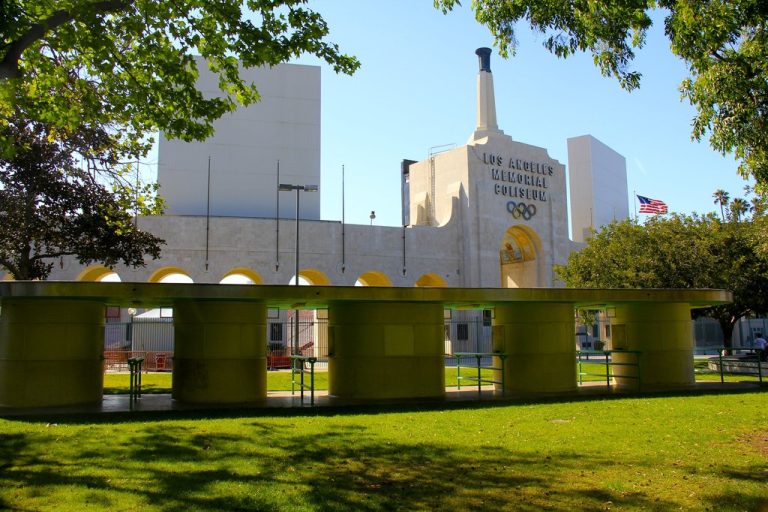
A great music trip has a simple shape. You go somewhere you want to be, you hear something you would not hear the same way at home, and the show gives the rest of the trip a little electricity.
That can mean seeing a favorite artist in a city where they still command a serious room. It can mean a week of orchestra concerts in a summer setting, an opera in the city that produced it, or a festival with enough going on that you never feel you came only for a set list. The ticket gets you moving. The destination earns the rest of the days.
The mistake is treating every music event as interchangeable. It is not. A stadium concert, a symphony residency, an opera festival, and a three-day outdoor festival ask different things of a traveler. Pick the right format and a music trip can be one of the easiest ways to make a familiar destination feel new.
Current dates worth planning around
These dates and locations were checked against the official organizer sites on August 5, 2026. They are useful planning anchors, not a substitute for checking the current program and ticket terms before booking travel.
- Salzburg Festival, Salzburg, Austria: the 2027 Summer Festival runs July/August (dates to be announced). Program and tickets.
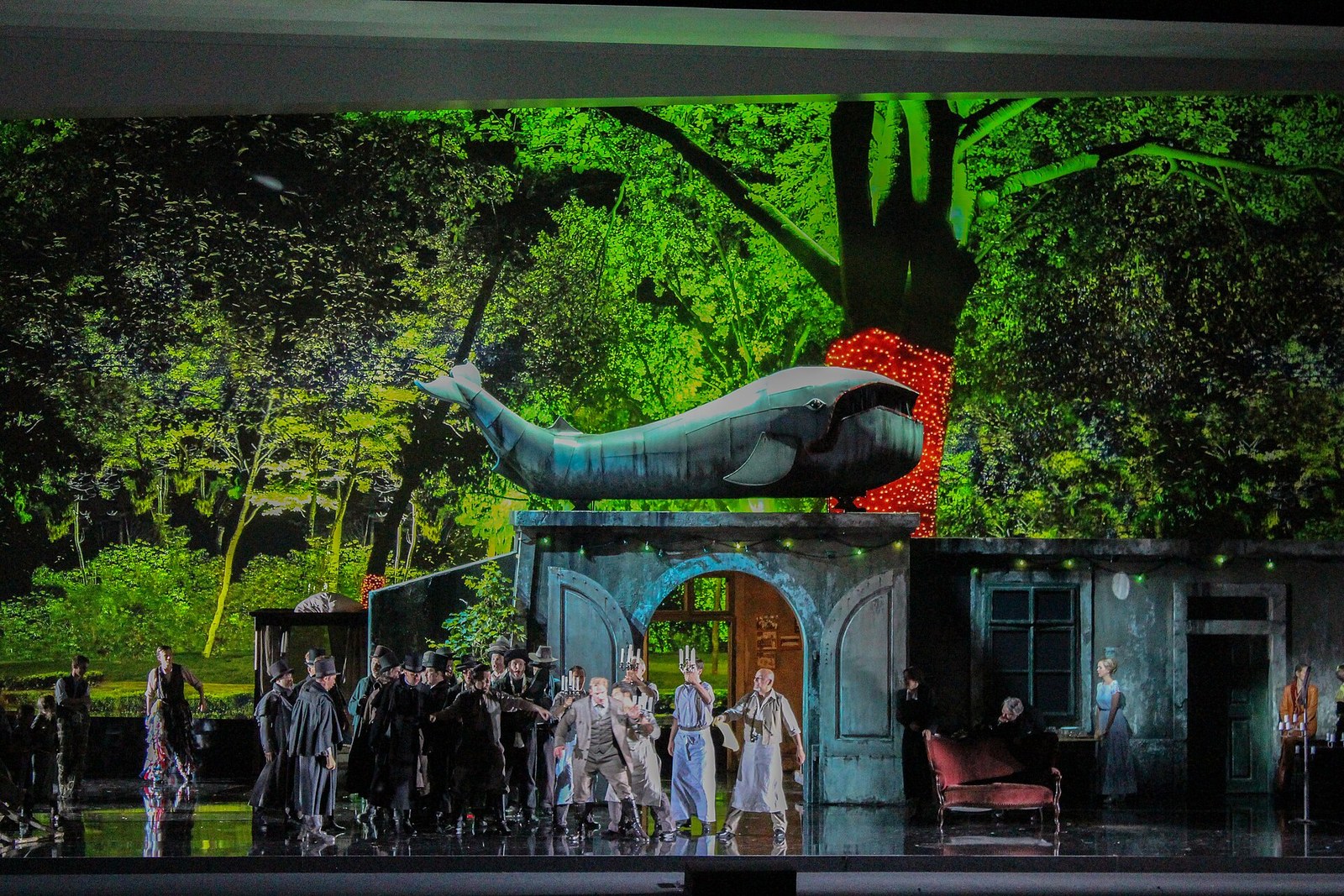
Photo: Renate Bienert via Wikimedia Commons, CC BY-SA 4.0.
- Ravinia, Highland Park, Illinois: the 2026 listings currently run through September 18. The venue issues tickets through the Ravinia app. Current lineup and ticket information.
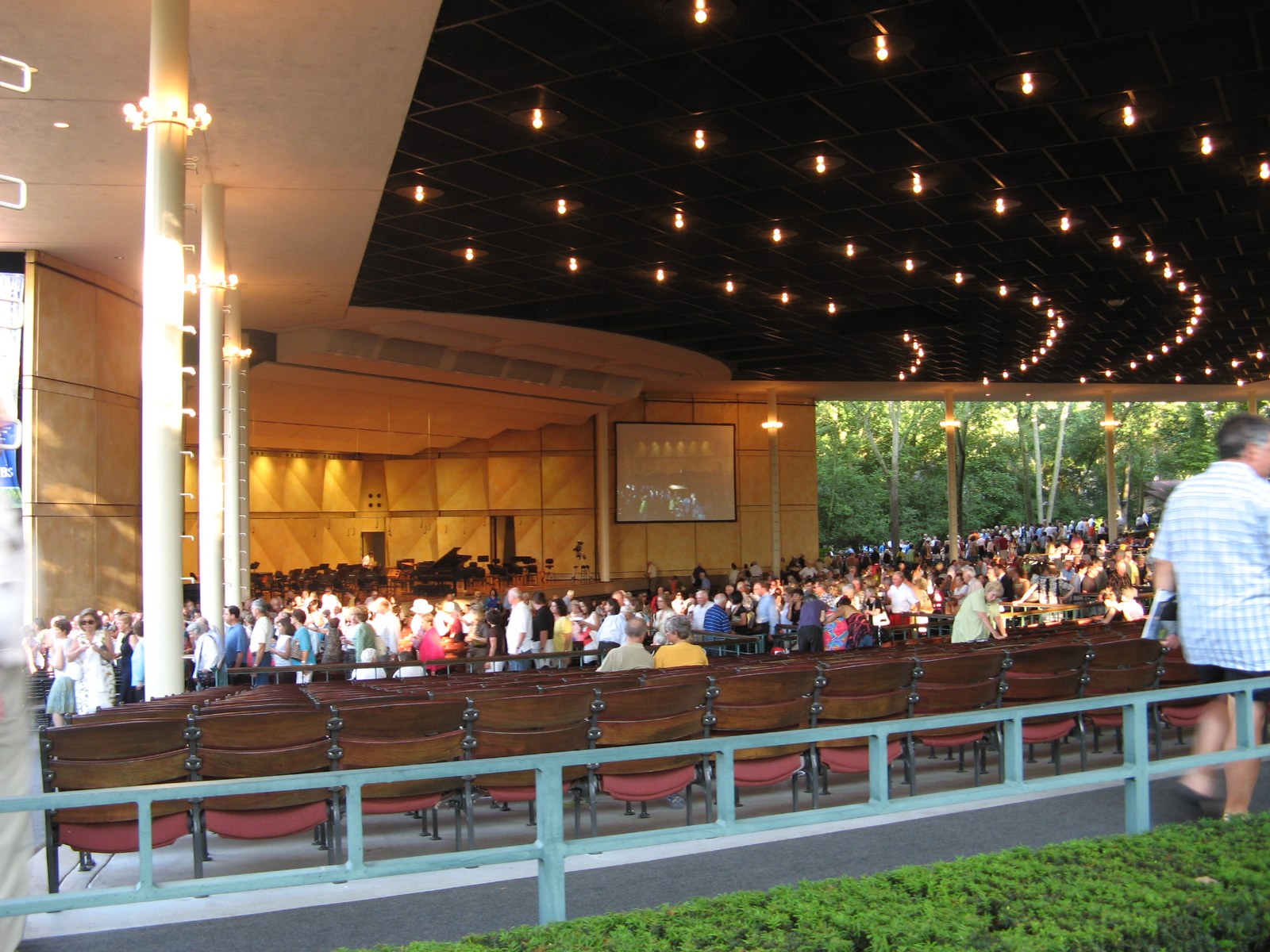
Photo: hakkun via Wikimedia Commons, CC BY-SA 3.0.
Ravinia is the right answer for travelers who want a North American outdoor classical music festival that’s easy to reach from a major city. The Ravinia Festival is the oldest outdoor music festival in North America, running in Highland Park, Illinois (a northern suburb of Chicago) since 1904. The season runs from June through September, with a mix of classical, jazz, pops, and contemporary music on the open-air Pavilion and the smaller Martin Theatre. Highland Park is reachable from downtown Chicago by Metra train (about 45 minutes), which makes Ravinia the right day-trip or weekend-trip option for travelers already in Chicago. Ravinia rewards travelers who book ahead (the Pavilion seats fill on summer weekends), bring a picnic (the lawn is the canonical dining spot), and combine the show with a few days in Chicago.
- BBC Proms, London, England: the official 2026 calendar runs July 17-September 12. Current program and tickets.
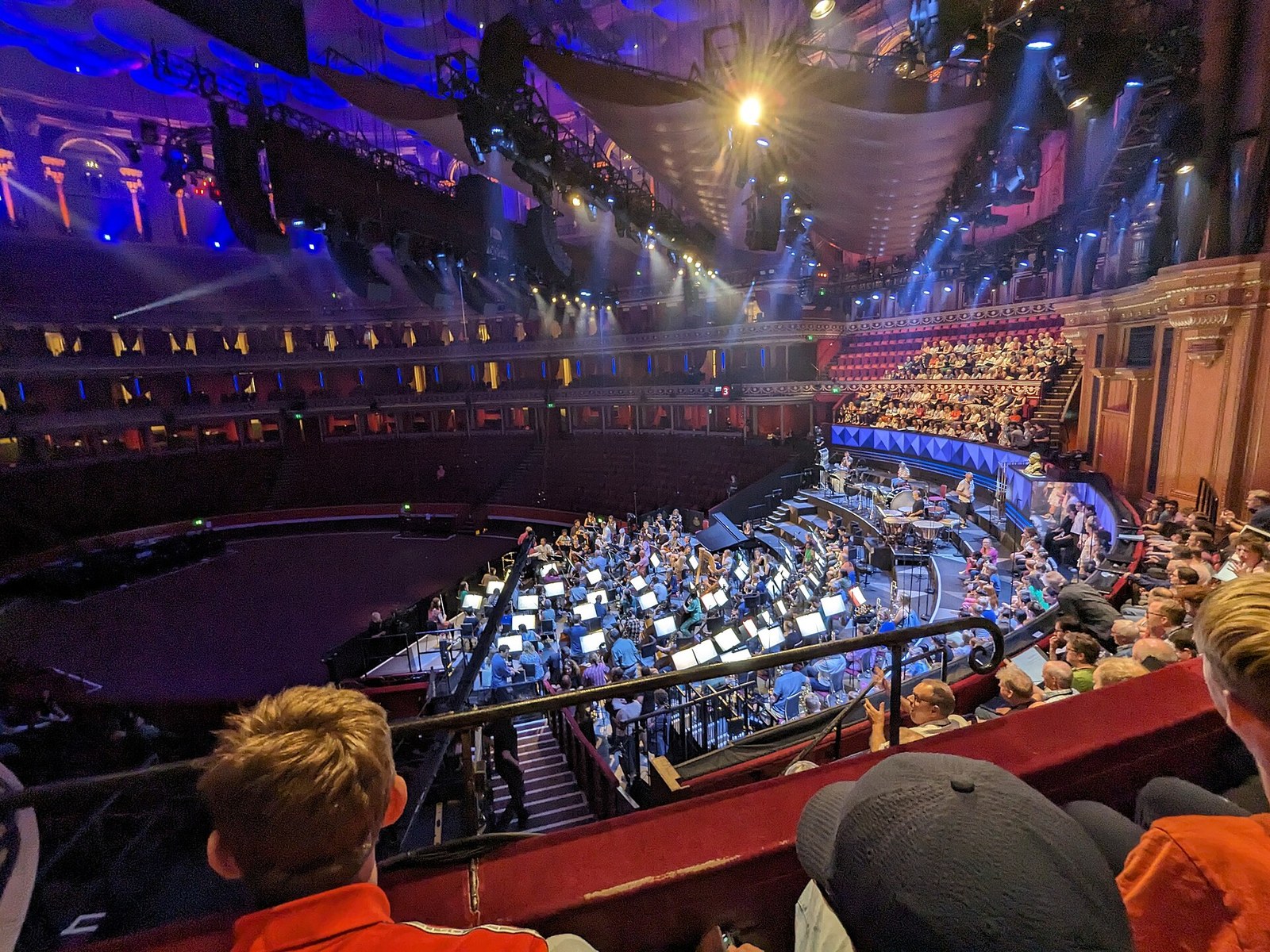
Photo: eddiecoldrick via Wikimedia Commons, CC BY 2.0.
- Montreux Jazz Festival, Montreux, Switzerland: the next announced edition is July 2-17, 2027. Festival information.
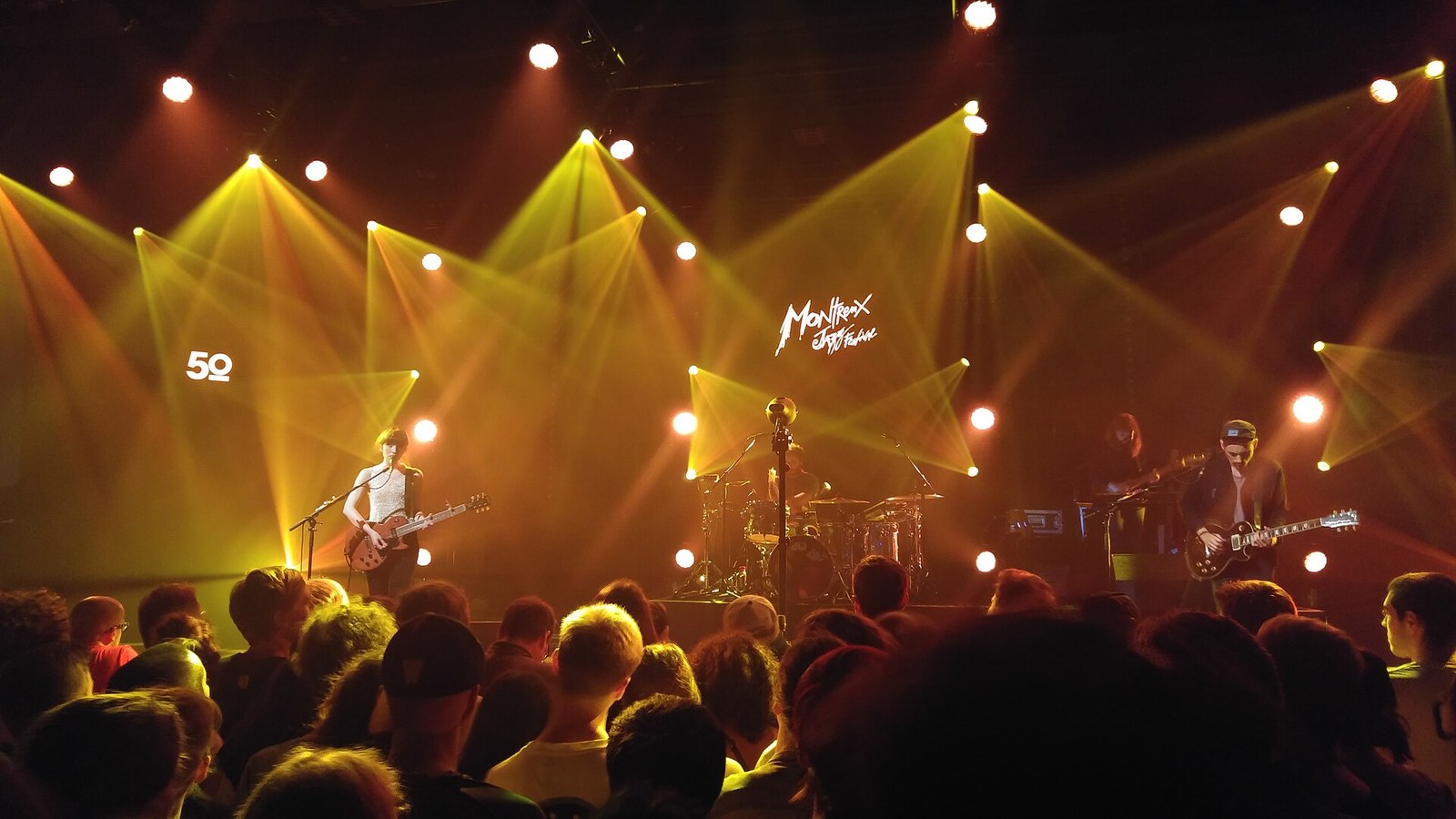
Photo: ScubaBeer via Wikimedia Commons, CC BY-SA 4.0.
- New Orleans Jazz & Heritage Festival, New Orleans, Louisiana: the official site has current travel, shuttle, and access information, and a April 22-May 2, 2027 festival date. Do not book around an assumed annual pattern. Official festival information.
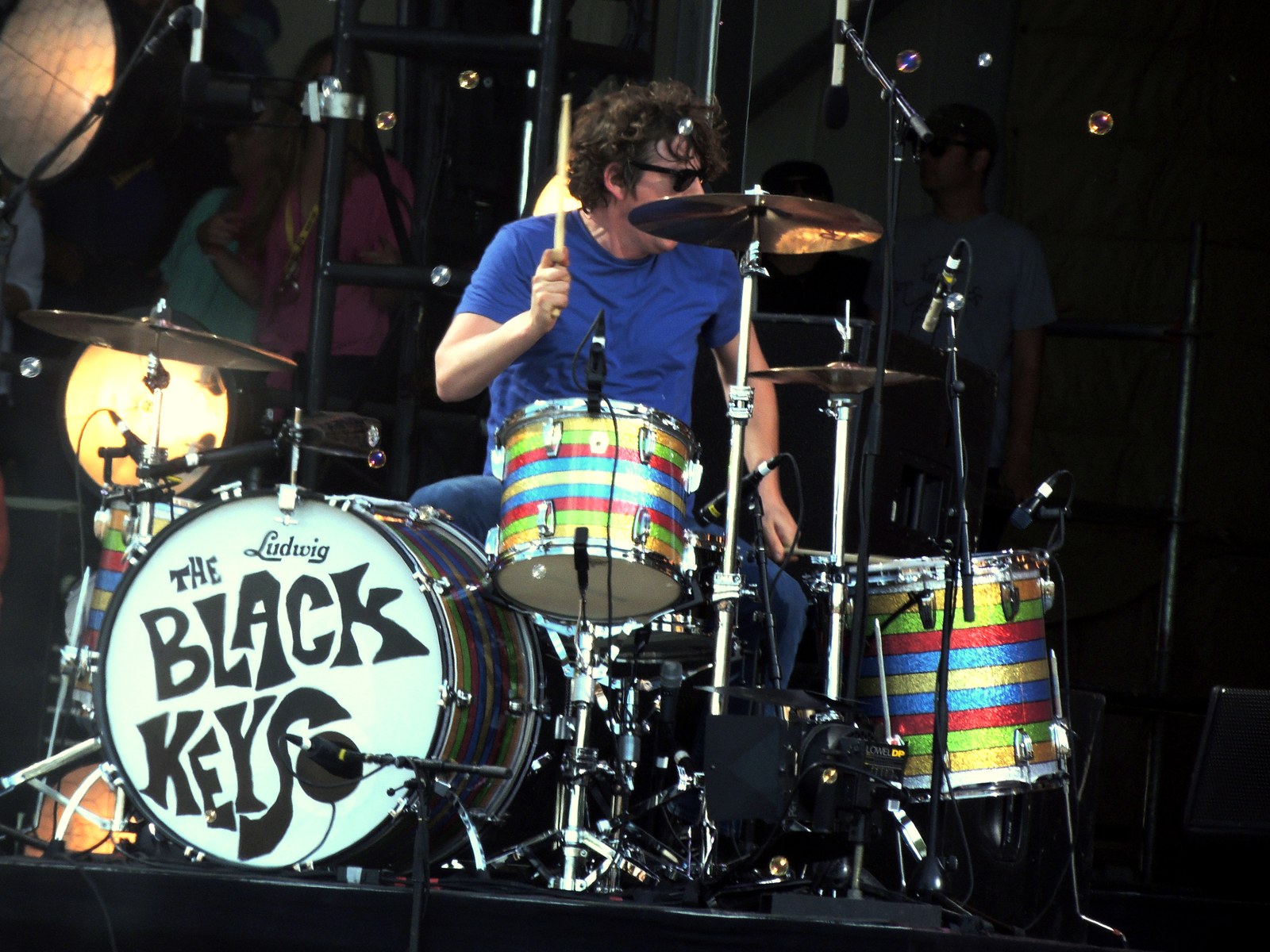
Photo: Doug Anderson via Wikimedia Commons, CC BY 2.0.
- Cayamo, Miami to St. Kitts and St. Maarten: this seven-night music cruise sails February 26-March 5, 2027 aboard Norwegian Jewel. The announced lineup includes Jeff Tweedy, Punch Brothers, Shawn Colvin, Molly Tuttle, Suzanne Vega, and more. Voyage details and booking.
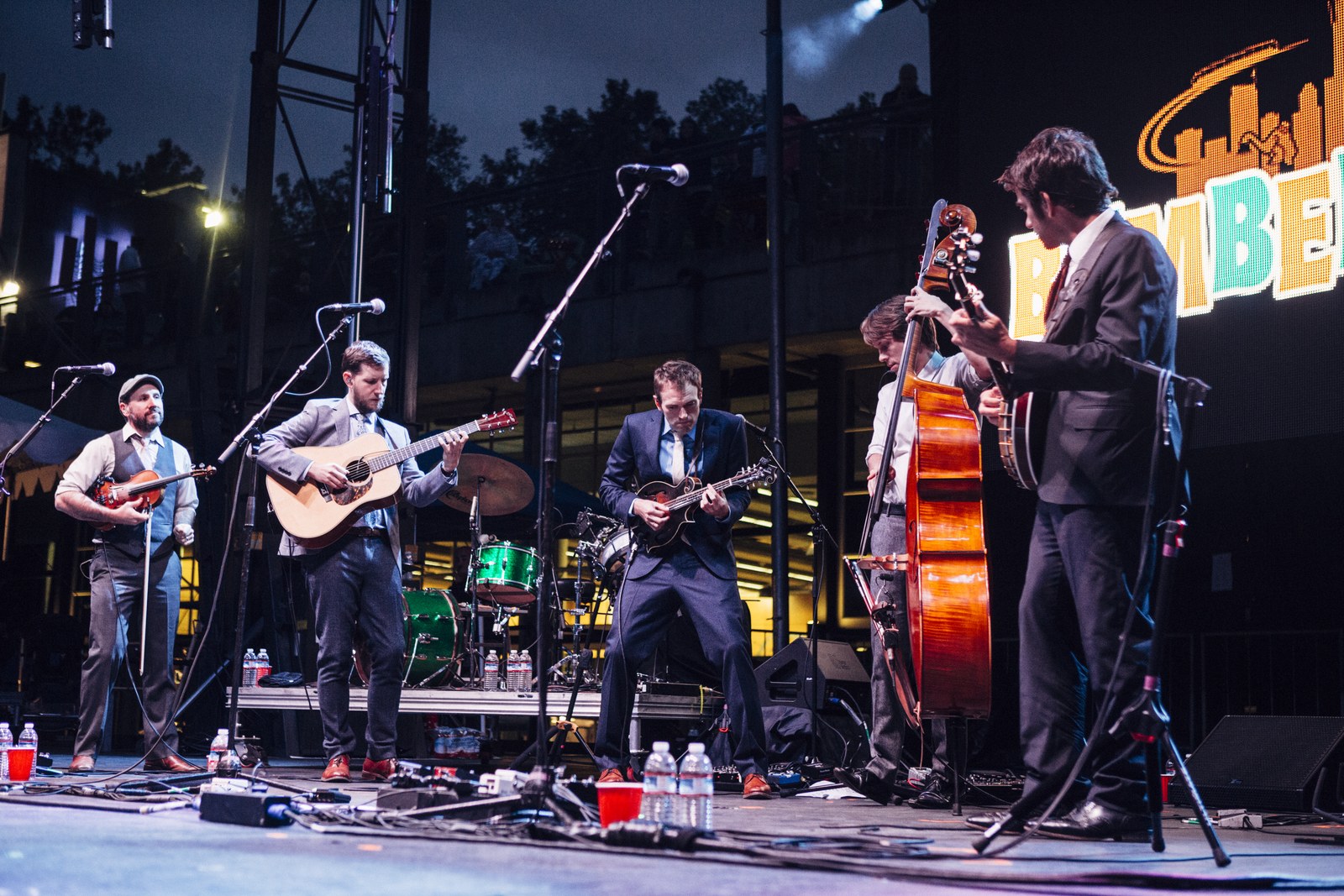
Photo: Kayla Johnson via Wikimedia Commons, CC BY 2.0.
- Rolling Stones, 2027: no 2027 tour dates or locations have been announced on the band’s official site. Join the Rolling Stones mailing list for the update, and do not book travel until the official itinerary is posted.
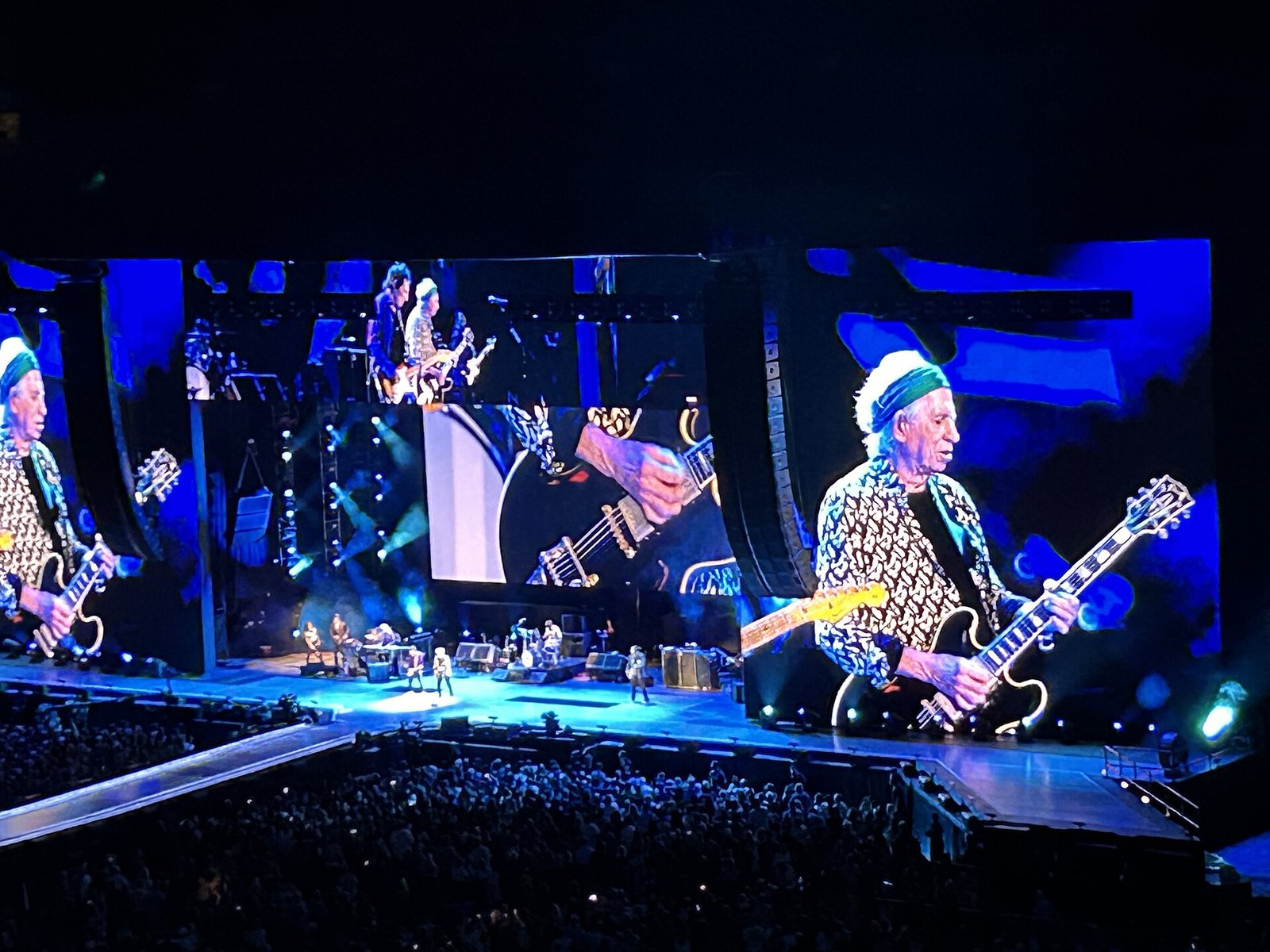
Photo: Moisejp via Wikimedia Commons, CC0.
What makes live music worth traveling for
The performance matters, but it is only one test. The best trips have a strong answer to three questions.
Would you still want to spend time in this place if the show were cancelled? A concert in London, New Orleans, Chicago, Montreal, Vienna, or Santa Fe gives you a city that can carry a long weekend. A show in an isolated arena may be worth the drive, but it is not always worth a flight and three hotel nights.
Does the venue change the experience? Some rooms are the reason to go. An outdoor pavilion with a picnic before the orchestra is a different evening from a concert hall at home. A summer opera performance in Salzburg is not replaceable by a recording. A jazz club in New Orleans has its own argument even before the first note.
Can you build the trip around one good event instead of trying to do everything? One concert at the center of a four-day trip usually works better than four shows in five nights. Leave an afternoon free. Book a restaurant away from the venue. Give yourself enough time to hear the city before you hear the music.
The five kinds of music trips
The major concert trip
This is the familiar version: an artist or band you care about announces dates, and one city on the run makes more sense than the others. Maybe you have seen the artist before. Maybe you have not. Either way, the best choice is rarely the closest city by default.
Look for a venue in a place where you want a real weekend. An arena concert in Chicago can sit inside a trip built around architecture, food, museums, and the lakefront. A show in Los Angeles can become a few days in Los Feliz, Santa Monica, or Pasadena rather than a night spent in traffic around an arena. Nashville is the obvious music city, but not the only one. Austin, Minneapolis, Philadelphia, New Orleans, Montreal, and Seattle all reward travelers who stay past breakfast the next morning.
Do not book a nonrefundable hotel the minute a tour is announced. Confirm the ticket first, then reserve a room with a sensible cancellation policy. Concert dates move. Artists get sick. Venues change. The ticket is the hard part. Everything around it should stay flexible until the show is secure.
The right seat depends on what you want from the night. If the performer is a lifelong favorite, buy the best seat you can justify and call it the cost of doing the thing properly. If you care more about the city and the occasion, a good lower-bowl seat or a seat with clear sound can be enough. A bad floor seat behind tall people is not a bargain.
The symphony or chamber-music trip
Classical music gives travelers something pop tours often cannot: a calendar. Major orchestras, summer festivals, and chamber series publish seasons far enough ahead that you can plan travel without living at a ticketing website for an hour.
The summer settings are especially good. Tanglewood in the Berkshires and Ravinia outside Chicago make the evening part concert and part outdoor dinner. You can arrive early, sit on the lawn if that suits you, and make a whole day of the surrounding area. The point is not to prove that you know the program. The point is to hear a good orchestra in a setting that makes the evening feel unhurried.
The BBC Proms in London are another useful model. A large city, a long summer season, and many choices give you room to select a concert that fits the rest of the trip. You can see one major performance, then spend the next day doing something completely unrelated to music. That is usually the right balance.
For a shorter city break, look at an orchestra’s regular season rather than assuming summer is the only answer. A winter concert in Boston, New York, Chicago, Vienna, Berlin, or Amsterdam can be the best excuse to visit when hotels are less expensive and museums are not full of school groups.
Opera in a place built for it
Opera travel works best when you stop treating it as homework. You do not need a graduate seminar before you go. Read a short synopsis, listen to a few passages, and choose a production whose music or story already appeals to you. Then let the venue do the rest.
Salzburg is the classic example because the city itself is part of the performance. Its summer festival gives travelers a reason to spend time in a compact, walkable place with serious music, mountain views, good cafés, and enough history to fill the days between curtain times. Vienna, Milan, London, Paris, Santa Fe, and New York offer different versions of the same idea: one major evening event in a city that does not need help filling the rest of the itinerary.
For first-time opera travelers, avoid the instinct to buy the longest, most famous production just because it is famous. A three-hour opera in a language you do not know can be wonderful. It can also be a rough introduction if you are tired from a long flight and sitting in the least comfortable seat in the house. Choose a work you are curious about, a performance time that works with dinner, and a seat from which you can see the stage without craning your neck.
Dress codes are looser than many people expect, though a good jacket or a dress still makes sense for the room. The real rule is to arrive early enough to find your seat without rushing and to leave enough room afterward for a drink or late supper. An opera should not feel like an appointment you survived.
The festival trip
A good music festival gives you options. A bad one asks you to stand in a field for eleven hours waiting for an artist you could have seen in a theater. The difference is programming, setting, and how much control you have over your day.
New Orleans Jazz & Heritage Festival is built into a city that already has music in its streets, clubs, restaurants, and neighborhoods. The festival is a reason to go, but the city is never waiting around for the gates to open. Montreux Jazz Festival has a different setting, with Lake Geneva and the Swiss Riviera giving the event an easy extension into a proper European trip.
Festivals work well for travelers who are comfortable choosing selectively. Buy the day or days you actually want. Know where the shade is. Check whether there is seating, how far the walk is from the entrance, whether you can leave and re-enter, and what happens if the weather turns. None of this is glamorous, but it decides whether the day feels festive or punishing.
Do not chase every headliner. Pick two or three performances that matter, then give yourself permission to eat, sit down, and wander. The smaller discoveries are often what you remember.
The music cruise
A music cruise is its own category. You unpack once, the artists are part of the shipboard life rather than a single night out, and the itinerary gives you daylight in port before the music starts again. It is a strong choice for people who care as much about being among other fans as they do about seeing a headliner.
Cayamo’s 2027 sailing is a useful example. It sails February 26-March 5 from Miami to St. Kitts and St. Maarten aboard Norwegian Jewel. The announced lineup includes Jeff Tweedy, Punch Brothers, Shawn Colvin, Molly Tuttle, Suzanne Vega, Loudon Wainwright III, and more. The schedule already shows performances spread across several shipboard rooms, not one nightly main-stage show.
This is not a conventional Caribbean cruise with a few concerts added to the calendar. The music is the reason people book. That makes it a better fit for a traveler who wants a week of songwriter rounds, small-room sets, open mics, and conversations with fellow fans than for someone looking for the lowest-cost way to see one act.
Book only after reading what the fare includes, the cabin location, and the cancellation terms. For accessibility needs, Cayamo asks guests to discuss requirements with its Guest Services team at booking; the site also explains its coordination with Norwegian’s Guest Access Desk. Read Cayamo’s accessibility information before choosing a stateroom.
How to choose the right event for you
If your priority is a favorite artist, plan around the concert and choose the city second. If your priority is travel, choose the place first and look at its concert calendar after. Both approaches work. Confusion starts when you pretend you are doing one while actually caring about the other.
A symphony or opera trip is usually the better choice for travelers who want predictable scheduling, reserved seating, and evenings that end at a reasonable hour. A major concert works best when the performance is personal, not merely famous. A festival is for people who enjoy some unpredictability and do not mind walking, lines, or a little weather.
Accessibility deserves the same attention as the seat map. Check the walk from the rideshare drop-off or transit stop. Confirm whether elevators serve your seating level. Ask how far the restroom is from your section. At outdoor festivals, check if mobility devices can use the grounds and whether accessible viewing platforms require a separate reservation.
For the named events above, use the organizer’s own accessibility page rather than a generic venue listing. Tanglewood publishes accessibility information. Montreux publishes an accessibility offer and accessibility maps. Jazz Fest’s Access Program covers accessible routes, restrooms, viewing areas, and advance accommodation requests. Those details can change by season, so confirm them after you have selected the actual performance day.
Tickets without unnecessary risk
Use the venue, artist, orchestra, festival, or authorized ticketing partner first. Sign up for the venue’s email list before public sale dates. If you buy resale tickets, use an official resale exchange where one exists. A stranger on social media offering two excellent seats at face value is not a travel strategy.
Read the delivery rules before you book flights. Some venues release mobile tickets close to the show date. Some require the original purchaser to be present for certain packages. Some ticket insurance products do very little for a cancellation you could have avoided with a refundable hotel room. Understand the ticket terms before you build an entire trip around them.
For expensive concerts, it can make sense to buy travel insurance that covers a cancelled trip. Read the policy rather than assuming it covers an artist cancelling a show. Policies vary, and a disappointing answer after a cancellation does not improve because you were optimistic when you bought it.
Where to stay
For one-night concerts, staying within a walkable distance of the venue is often worth the premium. Leaving a large arena with twenty thousand other people is a poor time to discover that the hotel you saved money on is across town with no train running.
For multi-day trips, stay in a neighborhood you want to wake up in. The venue can be one train ride or a short taxi ride away. This is especially true in cities with good public transit. You do not need to sleep beside the concert hall if it means giving up the restaurants, parks, and streets that made you choose the city in the first place.
Outdoor festivals are different. Consider the exit before you book. A hotel that looks close on a map may sit on the wrong side of a road closure or a river with only one bridge. Read the festival’s transport page, not just the hotel map.
The night after the show
The show ends when it ends. The trip does not need to end with a surge of people looking for the same late-night bar. Plan a quiet landing spot. That could mean a hotel bar, a neighborhood restaurant that takes late reservations, a walk back through an interesting part of town, or simply a room close enough that you can be asleep before the crowd clears.
The next morning, do not schedule a dawn tour. Give the day a softer start. Breakfast somewhere good, a museum that opens late, a walk through a park, or a train to the next stop on the trip. Music travel works when the performance sharpens the whole trip, not when it leaves you too tired to enjoy the rest of it.
The takeaway
A live-music trip does not need a famous farewell tour or a week of VIP passes to be worth taking. Pick one performance you genuinely want to hear. Put it in a city, festival, or summer setting that holds up before and after the lights go down. Buy the ticket carefully, stay somewhere that makes the night easy, and give the rest of the trip room to breathe.