There are sporting events you watch, and sporting events you travel for. The difference is not the quality of the game. It is whether being there gives you something television cannot: a city at its most alive, a venue that matters on its own, a crowd with a shared sense of occasion, and enough to do before and after the event that the ticket becomes the center of a real trip.
This is the master list. It is not a ranking, and it is not a promise that every event suits every traveler. A Super Bowl weekend and a week following the Tour de France require entirely different appetites. But each event below can justify serious travel planning when the sport, the setting, and the surrounding destination line up.
What makes an event worth the trip
Most sporting events are better watched at home. The view is better, the replays are better, and the cost is vastly lower. The events worth traveling for offer more than the contest itself.
The event is rare. A World Cup, an Olympics, or a Rugby World Cup gives you a reason to be in a place at a particular moment. The Masters, Wimbledon, Monaco, and the Derby return every year, but only in one setting that is part of their identity.
The venue is the destination. Augusta National, Centre Court, Churchill Downs, the streets of Monaco, Fenway Park in October, and the finish on the Champs-Elysees are not interchangeable stadiums. They are places people want to see even when there is no game on.
The trip has layers. The strongest event trips have a second act. The Kentucky Derby leads naturally into bourbon country. Wimbledon leads into London. The Monaco Grand Prix opens out into the Riviera. A World Series can be an excuse to spend a week in a city you have wanted to know properly.
The crowd changes the experience. A good crowd makes a close game larger. A great crowd, especially one gathered from different countries or generations, makes you remember the moment years after you forget the score.
The events
Summer Olympics
The Summer Olympics are the broadest possible version of a sporting trip. You are not buying a ticket for one game. You are choosing a host city, then building several days around events that would not normally share a calendar. Athletics finals, swimming, gymnastics, basketball, tennis, rowing, and newer Olympic sports make it possible to shape the trip around your own interests.
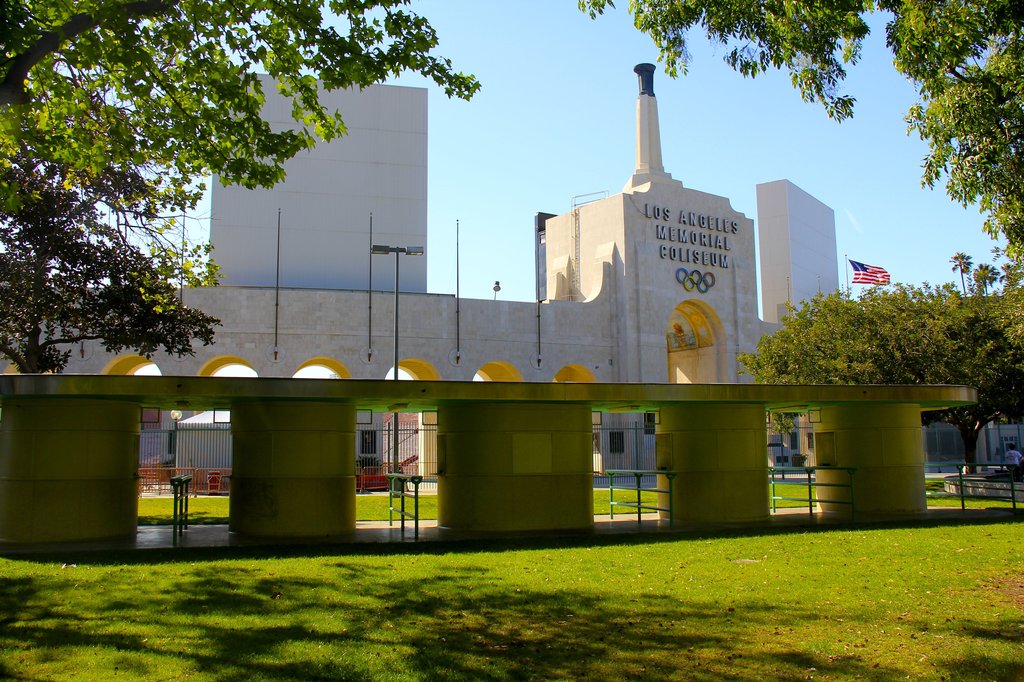
The next Summer Olympics is scheduled for Los Angeles, California (USA) for 2028. LA is the perfect place to combine a major world event with a plethora of things to do! Check out some options here:
While the LA Olympic Stadium won’t have the architecture that we saw in locations like Beijing (the bird nest), LA has the advantages of the weather, Hollywood, and dreamy California beach vibe to soak in between events.
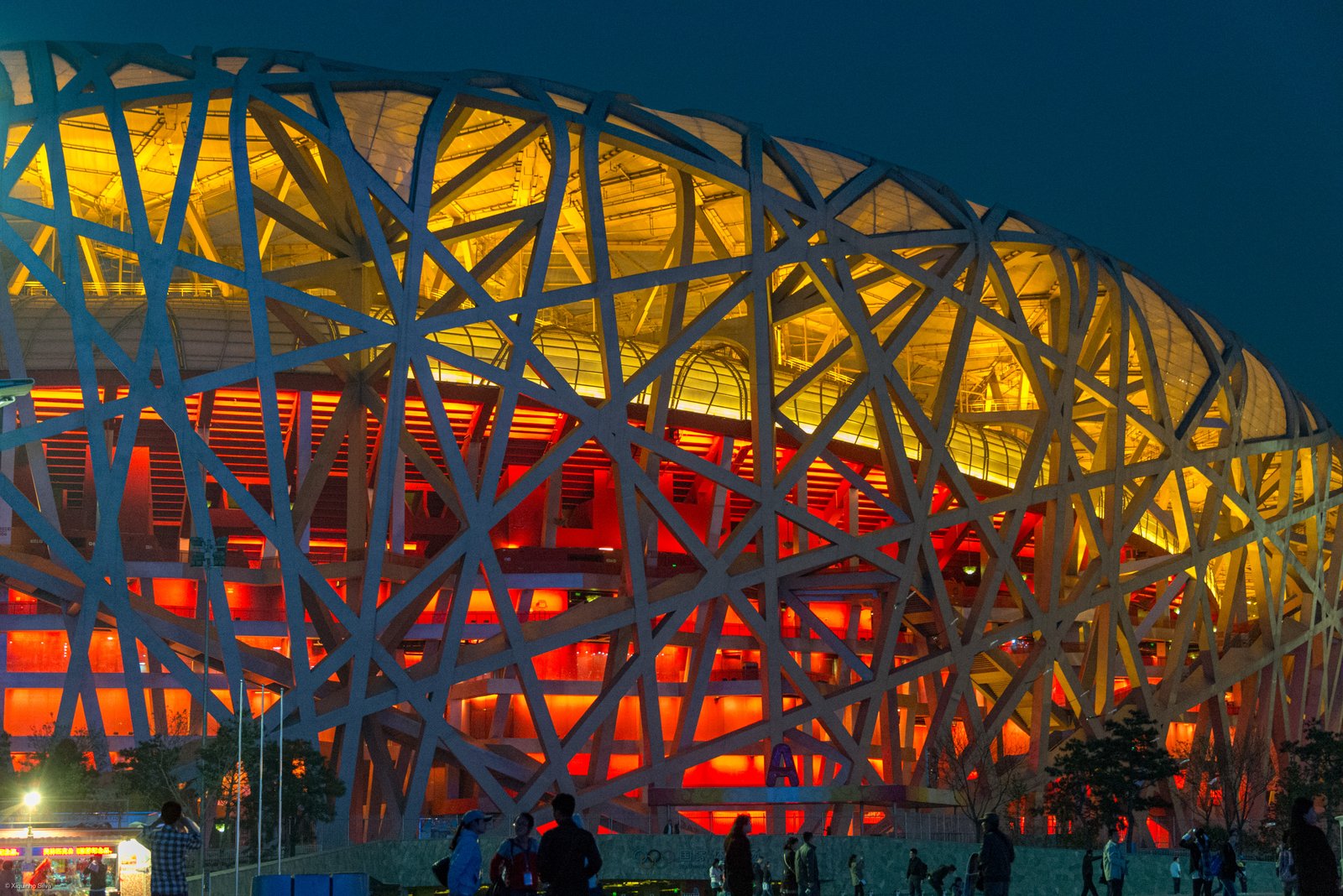
Photo: xiquinhosilva via Wikimedia Commons, CC BY 2.0.
Events near the next three editions
- Los Angeles, United States: July 14-30, 2028.
- Brisbane, Australia: July 23-August 8, 2032.
- 2036: host city and dates have not yet been selected.
Los Angeles hosts the next Summer Games in 2028, followed by Brisbane in 2032. Los Angeles offers an unusually deep trip around the competition: museums, food, the coast, neighborhoods that reward several days of exploration, and a broad range of hotel locations. Brisbane is the more adventurous long-range choice, with Queensland and the Australian coast providing the natural extension.
Check out this Immersive Behind-the-Scenes Tour of the Olympic Stadium in Los Angeles!
The practical move is to choose one or two events that matter most, then treat everything else as a bonus. Do not plan an Olympic trip around chasing every marquee final. Build in time for the city, accept that transport and crowds will be part of the experience, and buy only through official channels when sales open.
Winter Olympics
The Winter Games are more concentrated than the Summer Olympics and, in the right host region, more scenic. Alpine skiing, figure skating, hockey, ski jumping, biathlon, and speed skating create very different kinds of days. You can pair an indoor evening event with mountain time, a spa town, a rail trip, or a few nights in a city. The 2030 Winter Olympics will be held in the French Alps region, with the main hub cities being Lyon (The Ice Sports Hub – short track, hockey, curling, figure skating), Annecy & Chambéry (The Northern Alps Hubs – skiing and bob sled), Briançon (The Southern Alps Hub – Freestyle skiing, snowboarding, and ski mountaineering), Nice (The Coastal Hub – primary celebrations).
Image: French Alps 2030 Olympic and Paralympic Winter Games Organizing Committee and Studio Saint-Lazare via Wikimedia Commons, public domain.
Next three editions
- French Alps, France: February 1-17, 2030.
- Utah, United States: February 10-26, 2034.
- 2038: host region and dates have not yet been selected.
The next Winter Games are in the French Alps in 2030, followed by Utah in 2034. The appeal is obvious: the host setting is part of the event. A traveler who would never build a trip around a football stadium may happily build one around the Alps in winter.
Book accommodation early and decide whether you want city access, mountain access, or a split stay. Trying to see every sport from one base is how an Olympic holiday turns into a transit exercise.
FIFA World Cup
The 2026 World Cup is over. The next men’s tournament is the 2030 World Cup, hosted principally by Morocco, Portugal, and Spain, with centenary matches also planned in South America. That creates a different kind of opportunity from the 2026 North American tournament: Iberia and Morocco are close enough to make a multi-city trip realistic without treating the trip as a series of long domestic flights.
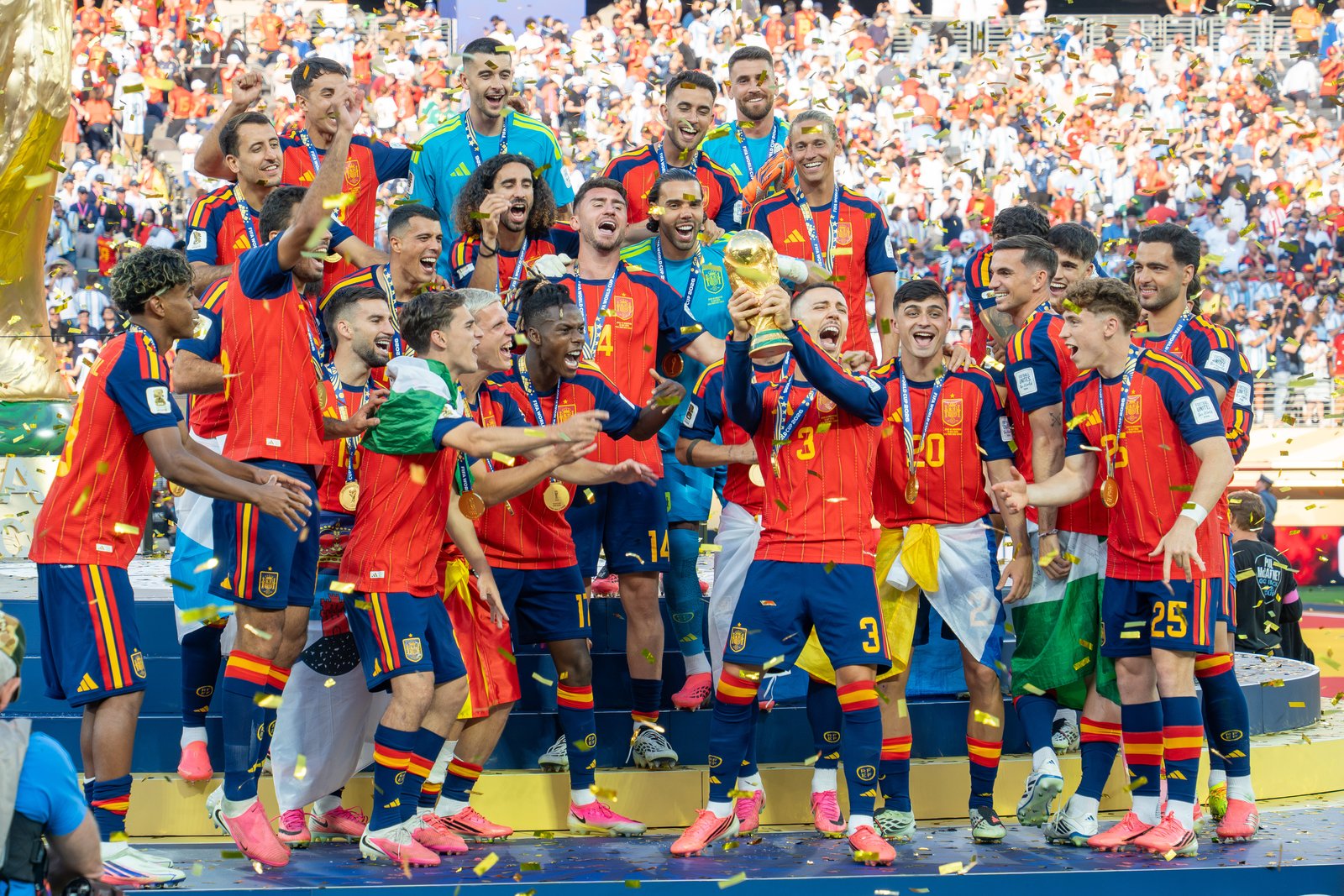
Photo: Bryan Berlin via Wikimedia Commons, CC BY-SA 4.0.
Next three editions
- Morocco, Portugal, and Spain, with centenary matches in Argentina, Paraguay, and Uruguay: June 8-July 21, 2030.
- Saudi Arabia: host country confirmed for 2034; dates and host cities have not yet been announced.
- 2038: host country and dates have not yet been selected.
For most travelers, the best World Cup plan is one host city or one compact regional pairing, not an attempt to follow a team across the full tournament. Choose a city you would enjoy even without a match. Lisbon, Porto, Seville, Madrid, Barcelona, Marrakech, Rabat, and Casablanca all make a proper trip around the football.
Morocco is the African anchor of the 2030 tournament, and it offers a travel experience that goes well beyond match days. Marrakech, Rabat, and Casablanca — the three Moroccan host cities named for the World Cup — sit in very different parts of the country, and a trip built around football can move between them easily. High-speed trains connect Casablanca, Rabat, and Marrakech in a few hours, so a traveler can pair a group-stage match in one city with a few nights in another without treating the trip as a series of long domestic flights. For travelers who have not been to North Africa before, a World Cup trip is a strong way in — the football gives the itinerary a center, and the country gives the trip its character.
The atmosphere is the point. Group-stage matches can be a better value and a more relaxed experience than the final rounds. Official ticketing and hospitality channels are the only sensible first stop. A World Cup is too expensive a trip to build around an uncertain secondary-market promise.
MLB World Series
The World Series is the best baseball trip because the host city is not known until October. That uncertainty is part of the fun and part of the difficulty. A historic ballpark, a compelling matchup, and October weather can make the trip feel like an American city at its most itself.
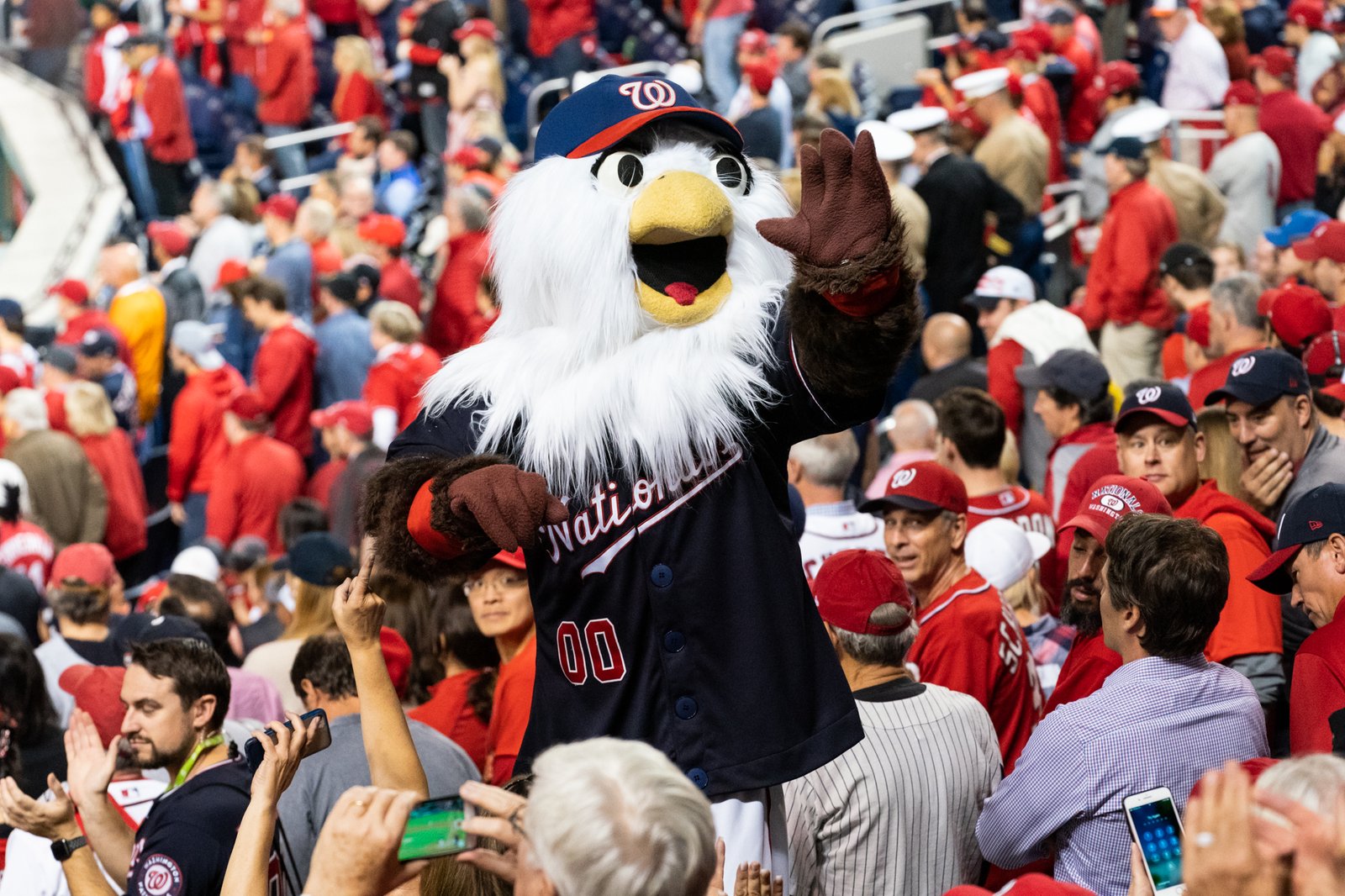
Photo: The White House / Andrea Hanks via Wikimedia Commons, Public domain.
Next three editions
- 2026: October 23; participating teams and host ballparks are determined by the postseason in a 2-3-2 game format.
- 2027: dates, participating teams, and host ballparks have not yet been set.
- 2028: dates, participating teams, and host ballparks have not yet been set.
Boston is the strongest version of a World Series trip for travelers who already have a reason to be in the city in October. Fenway Park has been the Red Sox home since 1912, and it is the kind of ballpark where the setting does as much work as the game — the manual scoreboard, the Green Monster in left field, the narrow sightlines, and the neighborhood pressed up against the outfield wall. A Series at Fenway pairs naturally with a few days walking the Freedom Trail, a meal in the North End, and the kind of autumn weather that turns the Public Garden into its best self. It is also one of the easier ballparks to do without a ticket: the stadium is visible from enough surrounding sidewalks that even a walk-by feels like part of the trip.
The obvious version is to travel when a team with a ballpark worth visiting reaches the Series. Boston, Chicago, New York, Los Angeles, San Francisco, Philadelphia, and St. Louis all give you enough outside the stadium to make the trip work. The less obvious version is to choose a potential host city, keep flights and hotels flexible, and move quickly once the matchup is set.
Do not overpay for a single seat if the game itself is not the main attraction. A day game, a neighborhood bar near the ballpark, a good hotel within walking distance, and a few days in the city can be the better World Series experience.
NFL Super Bowl
The Super Bowl is as much a host-city festival as a football game. The ticket is expensive, the official hospitality ecosystem is enormous, and the city fills with people who may care more about the occasion than the result. That is either the appeal or the reason to avoid it.

Photo: usicegov via Wikimedia Commons, Public domain.
Next three editions
- Super Bowl LXI, SoFi Stadium, Inglewood, California: February 14, 2027.
- Super Bowl LXII, Mercedes-Benz Stadium, Atlanta, Georgia: February 13, 2028.
- Super Bowl LXIII, Allegiant Stadium, Las Vegas, Nevada: February 11, 2029.
Super Bowl LXI at SoFi Stadium in Inglewood is the most accessible host city on the calendar for travelers coming from the western United States. SoFi opened in 2020 and hosts both the Los Angeles Rams and the Los Angeles Chargers, so a Super Bowl weekend there is built on a stadium that already runs NFL games week in and week out. Inglewood sits minutes from LAX, which shortens the most painful part of the trip — getting in and out of town on a heavy travel weekend. From SoFi the rest of Los Angeles opens up easily: a few days in Hollywood, a morning on the Walk of Fame, Santa Monica and the beach, the Getty Center, and a meal somewhere outside the Super Bowl footprint. The mild February weather is the other quiet advantage — game-day plans do not depend on a snow contingency the way Atlanta or a colder host city might demand.
The best Super Bowl trip is for someone who wants the full weekend: fan events, concerts, restaurants that need reservations weeks ahead, and a host city that can carry the crowds. It works best as a once-only splurge, not as a value proposition.
If you care most about football, a conference championship game in a great football city may deliver more sport for less money. If you want the Super Bowl, accept that the game is only one part of a highly produced weekend and build the trip accordingly.
NBA Finals
The NBA Finals are a city trip with late-night electricity. The teams are not known until the spring, but the event works well because NBA arenas sit close to downtown restaurants, hotels, and neighborhoods. You can make a long weekend out of one game without having to live inside a stadium district.
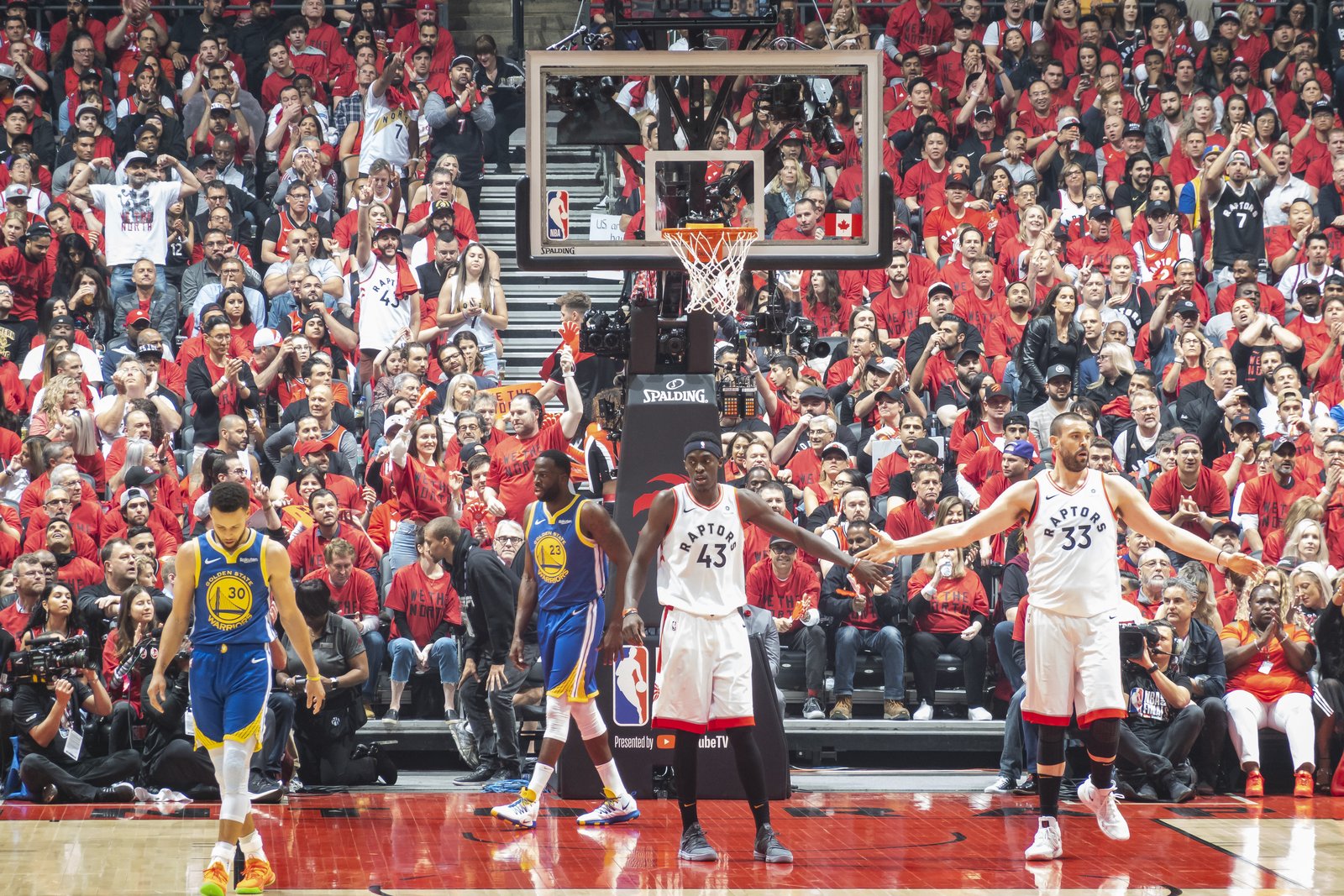
Photo: Chensiyuan via Wikimedia Commons, CC BY-SA 4.0.
Next three editions
- 2027: dates, participating teams, and host arenas are determined by the NBA playoffs and have not yet been set.
- 2028: dates, participating teams, and host arenas have not yet been set.
- 2029: dates, participating teams, and host arenas have not yet been set.
The key is to plan around the host city rather than to wait for a specific dream matchup. A Finals game in Boston, New York, Miami, San Francisco, Los Angeles, Denver, or Dallas can be the anchor for a strong long weekend. The tension of a close playoff series is often better in person than a regular-season game because every possession carries weight.
NCAA March Madness
March Madness is one of the easiest major events to travel for because the first-weekend format gives you several games in a day and a broad range of host cities. You do not need allegiance to a particular school. The appeal is the variety, the bands, the student sections, the occasional upset that turns an arena upside down.
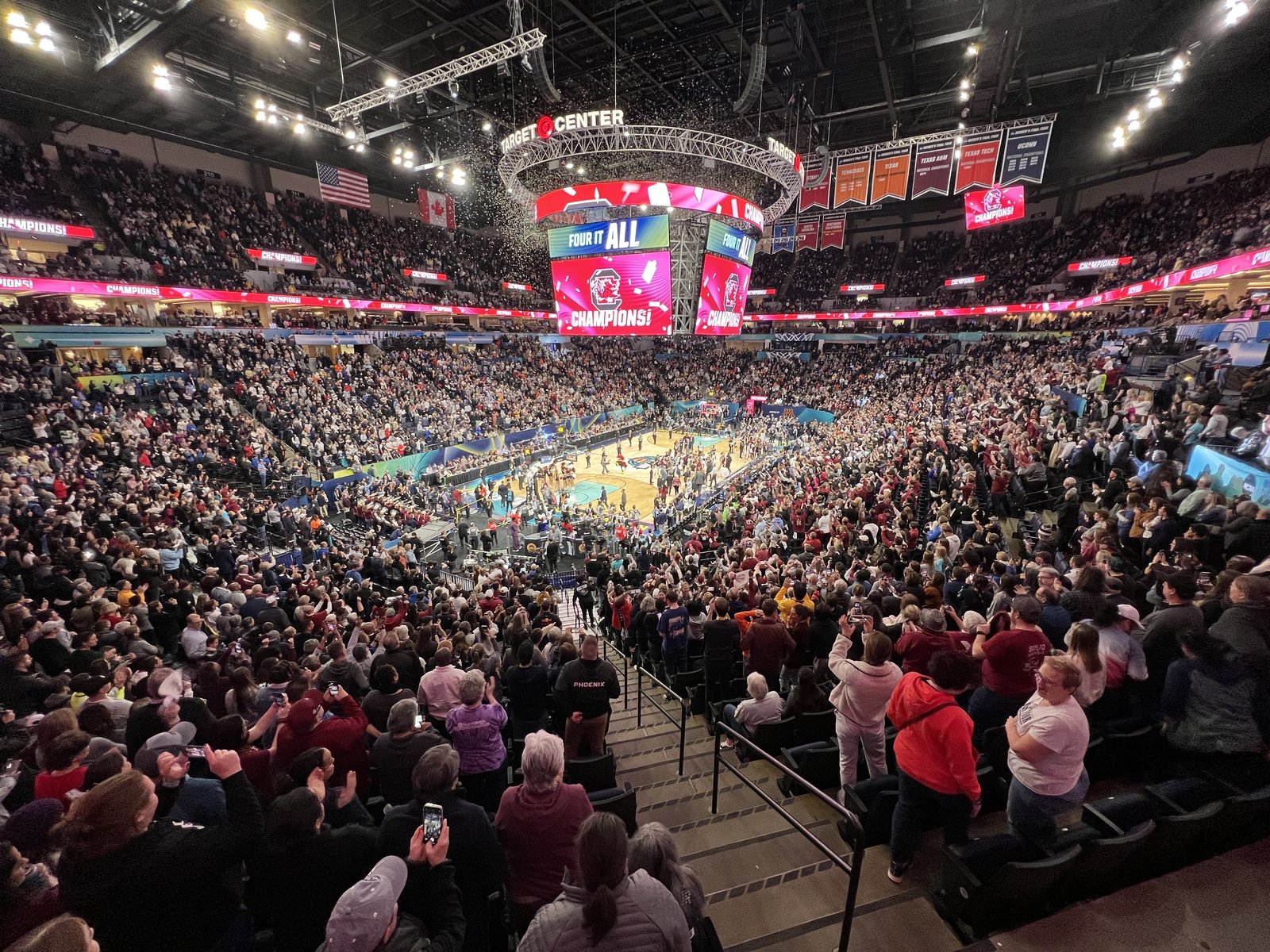
Photo: Lorie Shaull via Wikimedia Commons, CC BY 2.0.
Next three editions
- 2027: March 16-April 5; the Final Four is at Ford Field in Detroit, Michigan.
- 2028: Indianapolis, Indiana, hosts the Final Four at Lucas Oil Stadium; tournament dates have not yet been announced.
- 2029: San Antonio, Texas, hosts the Final Four at the Alamodome; tournament dates have not yet been announced.
Detroit is a strong Final Four host city for travelers who want one trip to carry both the basketball and a real city. Ford Field, the home of the Detroit Lions, has hosted major events since it opened in 2002 and is set up to handle the crowds a Final Four brings. It sits downtown within walking distance of the Riverfront, the Campus Martius park in the heart of the city, and the theater district along Woodward Avenue, so a Final Four weekend can be the center of a longer stay without forcing long transit between hotels, restaurants, and the games. Detroit also rewards the days before or after the games: the Detroit Institute of Arts, the Motown Museum on West Grand Boulevard, and a meal in one of the city’s well-known neighborhoods give the trip a second act beyond the bracket. April weather is mild enough to enjoy the riverfront, and the city runs a deep enough roster of restaurants and hotels that a Final Four weekend does not have to feel like a captive event.
The opening rounds are usually the best value. Pick a site with direct flights and a downtown you want to explore, buy a session rather than a single game, and treat the tournament as a social event as much as a basketball event. The Final Four is the larger spectacle, but the first weekend is often more fun.
Stanley Cup Final
The Stanley Cup Final has the tightest in-arena intensity on this list. Hockey crowds do not sit politely through a close game, and a playoff overtime in a traditional hockey market is an event on its own.
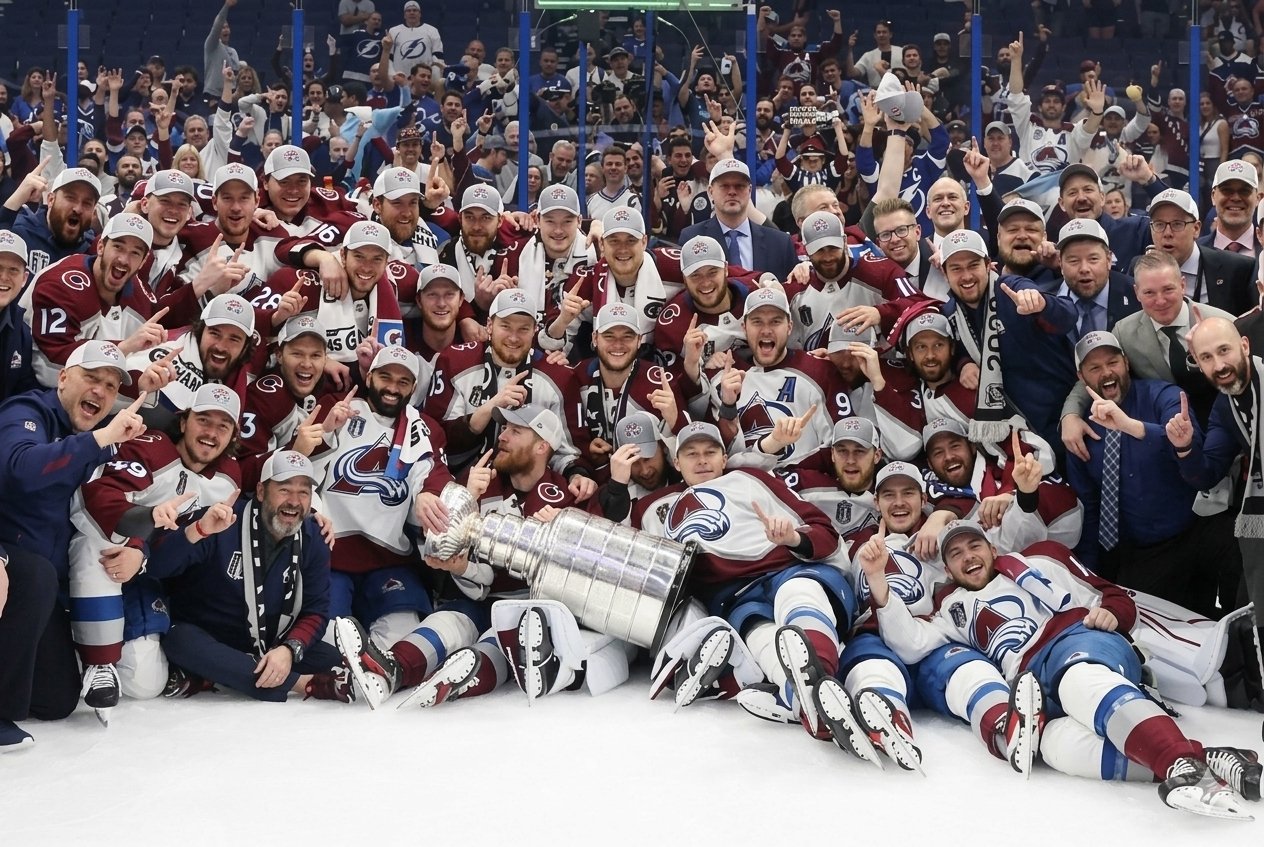
Photo: Draxxxxx via Wikimedia Commons, CC0.
Next three editions
- 2027: dates, participating teams, and host arenas are determined by the NHL playoffs and have not yet been set.
- 2028: dates, participating teams, and host arenas have not yet been set.
- 2029: dates, participating teams, and host arenas have not yet been set.
If Montreal ends up hosting a Stanley Cup Final, it is the most distinctive trip on the hockey calendar. The Canadiens play at the Bell Centre in the heart of downtown, and a Final at the Bell is the loudest room in hockey. Montreal gives the trip a real city beyond the arena: Old Montreal and the port, Mount Royal and the park, the French-language food scene, and neighborhoods like the Plateau that reward a day or two on foot. A Final weekend can be built around a long evening at the game and a slow morning at a cafe, with a stop in the old quarter and a meal that does not feel like any other North American hockey city. For travelers who have spent their hockey trips in U.S. arenas, Montreal is the version that doubles as a trip abroad without leaving the continent.
The uncertainty is similar to the World Series and NBA Finals: host cities emerge late. If a team in Boston, New York, Montreal, Toronto, Chicago, Denver, Las Vegas, or Vancouver reaches the Final, the city can carry the trip. A long weekend is enough. Go to the game, find a good pregame bar, and give yourself one non-hockey day so the trip does not become one long queue.
The Masters Tournament
The Masters remains one of the rare events where the setting is inseparable from the competition. Augusta National is beautiful in April, the traditions are unusually well preserved, and even people who only casually follow golf understand that a Masters badge is different from a normal ticket.
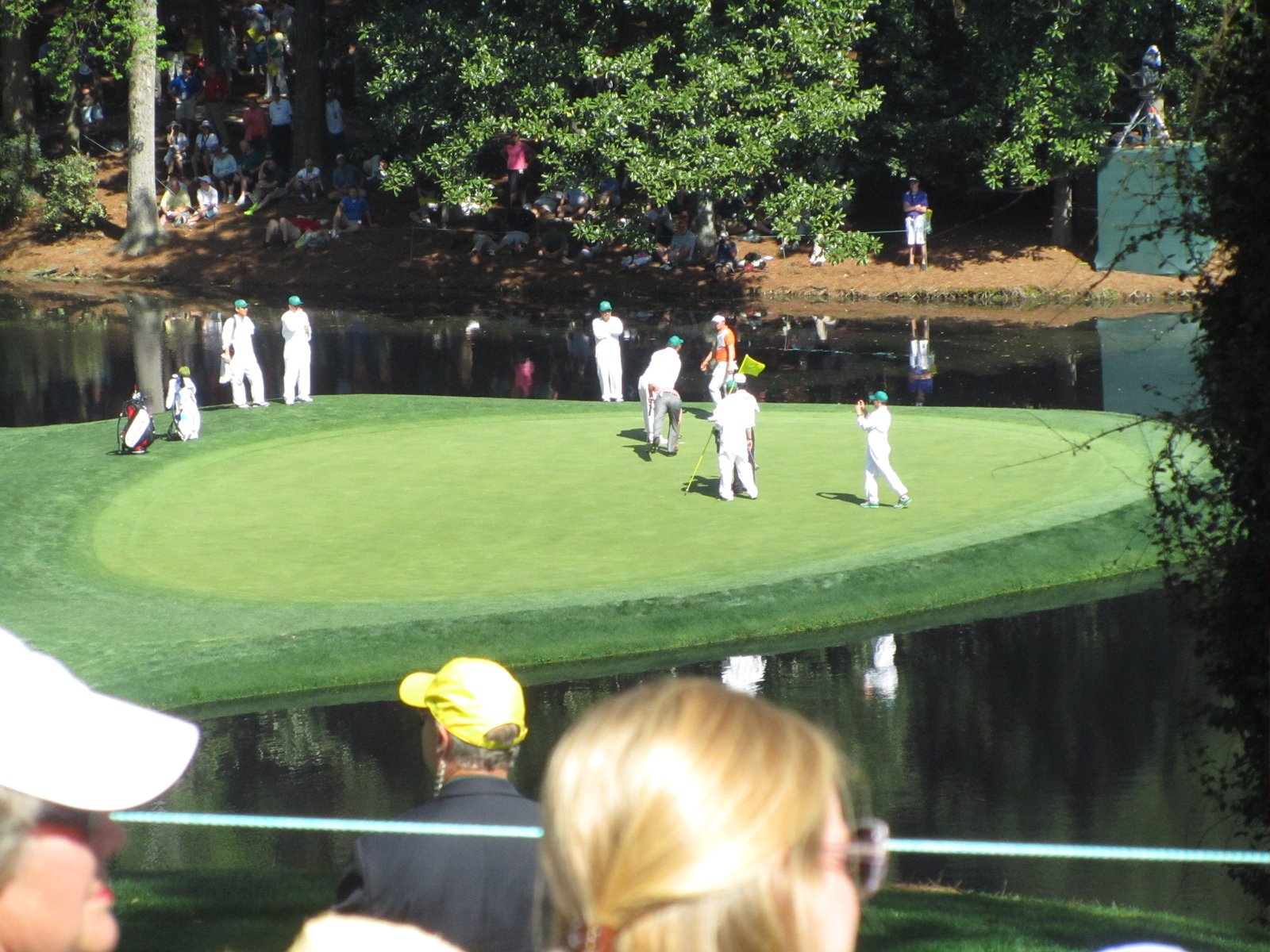
Photo: Dan Perry via Wikimedia Commons, CC BY 2.0.
Next three editions
- 2027: April 8-11 at Augusta National Golf Club in Augusta, Georgia.
- 2028: April 6-9 at Augusta National Golf Club in Augusta, Georgia.
- 2029: April 5-8 at Augusta National Golf Club in Augusta, Georgia.
Augusta is unlike every other major-sport trip on this list because the destination is also the only destination. There is no second city to build around Augusta National. The tournament runs four days in early April, the town fills up, and the strongest version of the trip is to stay for the week, eat well in the small downtown, and treat the surrounding region — Aiken to the east, the lake country to the south, the edge of the South Carolina foothills to the north — as a slow second act. Spring weather in Augusta is mild enough to walk the course viewing areas and good enough to spend afternoons outside. Patrons with badges typically plan one full day at the tournament, one day for the practice rounds or the Par 3 Contest, and leave room for a day off the property entirely. Getting a Masters badge is the hard part; once you are there, the trip itself is the most relaxed stop on this list.
The annual ticket process and the limited supply make this a long-range project. If you get in, plan a day at the tournament and give the rest of the trip to Augusta, nearby Aiken, and the surrounding region. Do not try to force a week at the course unless golf is the entire point of the trip.
Monaco Grand Prix
The Monaco Grand Prix is not primarily a race for people who want overtaking on every lap. It is a travel event built around spectacle: the harbor, the hills, the architecture, the Riviera light, and the strange fact that Formula 1 cars are racing through streets you can walk the following morning.
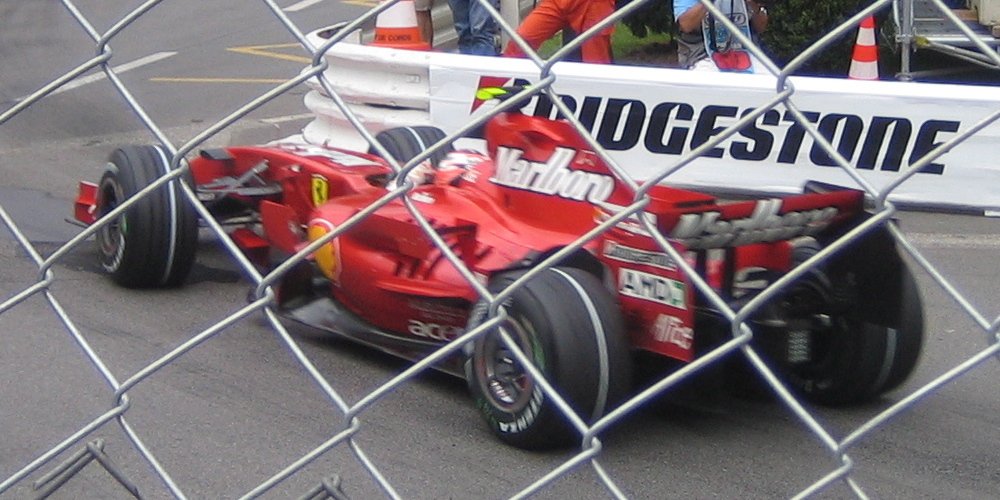
Photo: Pat Guiney / Danyele via Wikimedia Commons, CC BY 2.0.
Next three editions
- 2027: Circuit de Monaco, Monte Carlo; race date has not yet been announced on the Formula 1 calendar.
- 2028: Circuit de Monaco, Monte Carlo; race date has not yet been announced.
- 2029: Circuit de Monaco, Monte Carlo; race date has not yet been announced.
Monaco works best as a Riviera trip with one loud weekend in the middle. Most of the trip should sit outside the Principality — in Nice, Menton, Antibes, or Eze — where hotels cost less, restaurants are easier to get into, and the coastal rail puts you trackside in under an hour on race day. The race itself runs through streets you can walk the morning after, with the harbor, the Casino square, and the hill up to the Palace as the most photographed backdrop in Formula 1. A traveler who wants the spectacle without the Monaco price tag should build the trip around Nice or Menton and treat the race day as a single long excursion. A traveler who wants the Monaco experience in full should accept the hotel premium and plan around it rather than against it — book early, lock in a room with a view, and accept that the weekend is the trip.
Stay in Nice, Menton, or another Riviera base unless the Monaco hotel premium is part of the experience you actively want. Build in the coastal train, museums in Nice, a day in Antibes or Eze, and dinners away from the circuit. The race gives the trip its pulse. The Riviera makes it worth the cost.
Wimbledon
Wimbledon is the most civilized major sporting event to travel for. The tennis is excellent, but the appeal is also London in summer: parks, theater, restaurants, museums, and the pleasure of spending a day in a place that has not changed its rituals merely because the world around it has.
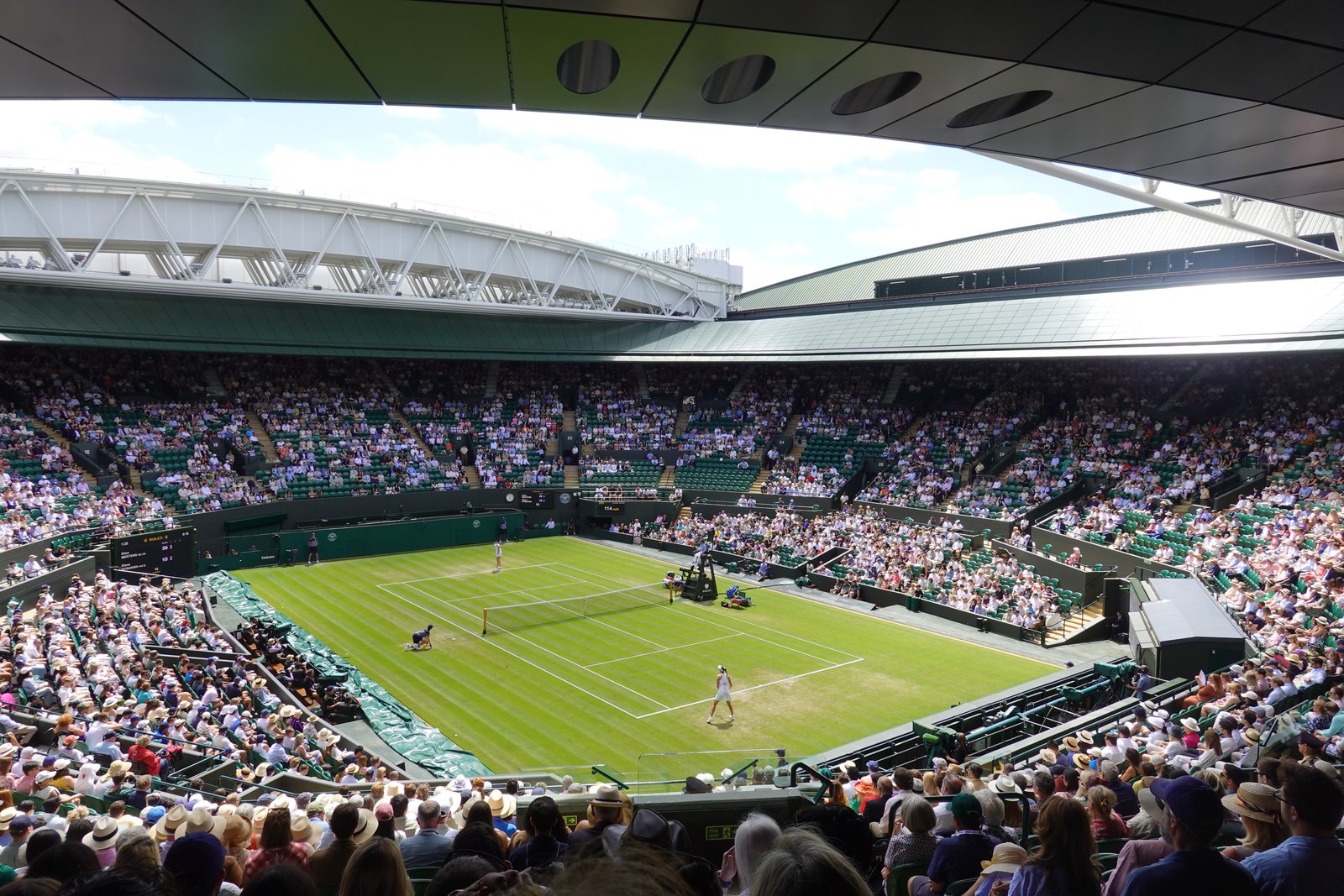
Photo: danielcooper850 via Wikimedia Commons, CC BY-SA 4.0.
Next three editions
- 2027: June 28-July 11 at the All England Lawn Tennis Club in London.
- 2028: July 3-16 at the All England Lawn Tennis and Croquet Club in London.
- 2029: July 2-15 at the All England Lawn Tennis Club in London.
Wimbledon is the rare tennis trip where the city carries more weight than the venue. London in late June and early July is at its best — long evenings, parks in full color, the West End running summer shows, and the Thames path open for evening walks. The Championships themselves sit at the edge of that city rather than inside it, and a week in London with two or three days at the All England Club is the right shape for most travelers. The Grounds Pass is the underrated path in: it gives you the outside courts, the hill, and the atmosphere without the Centre Court ticket lottery. For travelers with Centre Court tickets, the smarter plan is to give the rest of the trip to the city — the British Museum, a market in Borough or Notting Hill, an afternoon in Greenwich or Hampstead Heath, a West End show in the evening — rather than trying to compress a London visit into the match day.
The ballot, hospitality packages, resale process, and the Queue offer different paths in. The Grounds Pass can be the sensible choice if you value the atmosphere and outside courts over a guaranteed Centre Court seat. Give London at least several days. Wimbledon is the reason to go, not the sole activity.
Kentucky Derby
The Kentucky Derby is two minutes of racing surrounded by a much longer weekend. Louisville fills with hats, bourbon, fashion, racing fans, and people who come for the social theater. The strongest version of the trip includes the Kentucky Oaks on Friday and a day or two in bourbon country before or after the race.
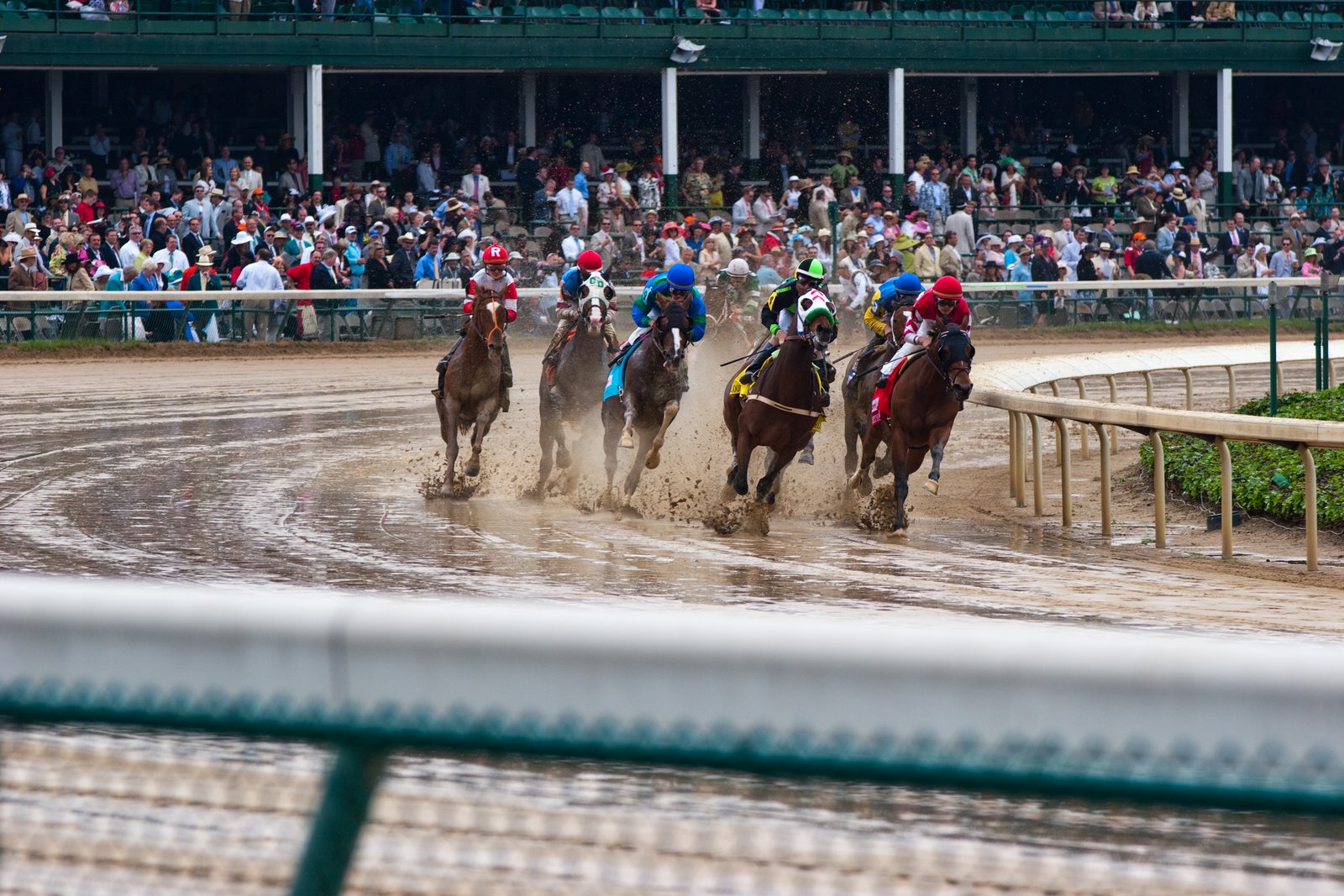
Photo: PandamicPhoto.com via Wikimedia Commons, CC BY-SA 2.0.
Next three editions
- 2027: May 1 at Churchill Downs in Louisville, Kentucky.
- 2028: May 6 at Churchill Downs in Louisville, Kentucky.
- 2029: May 5 at Churchill Downs in Louisville, Kentucky.
Louisville and bourbon country are the second act of a Kentucky Derby weekend, and they are the reason the trip works as more than a two-minute race. The Kentucky Oaks on Friday is the day Louisville locals actually go to Churchill Downs, and a traveler who does both the Oaks and the Derby gets the social version of the weekend, not just the photo. The Bourbon Trail runs south and east of Louisville into small towns with real distilleries, most of which take visitors without an appointment. A Derby trip built around three or four days lets a traveler pair Oaks Friday with a couple of stops on the Trail, then come back into Louisville for the race itself on Saturday. Louisville in early May is mild enough to walk the riverside and downtown, and the restaurant scene rewards travelers who get past the obvious chain strips near the highway.
The infield, grandstand, and hospitality options are radically different experiences. Pick based on the kind of day you want, not what looks most famous in a photograph. The Derby works because Louisville and the Bourbon Trail give the event a real setting beyond the track.
Daytona 500
The Daytona 500 is American motorsport at its most accessible and ceremonial. It opens the NASCAR season, the venue is iconic, and the surrounding Florida coast gives the trip an easy extension. You do not need to be a weekly NASCAR viewer to appreciate the speed, the scale of Daytona International Speedway, and the noise when the field comes through the tri-oval.
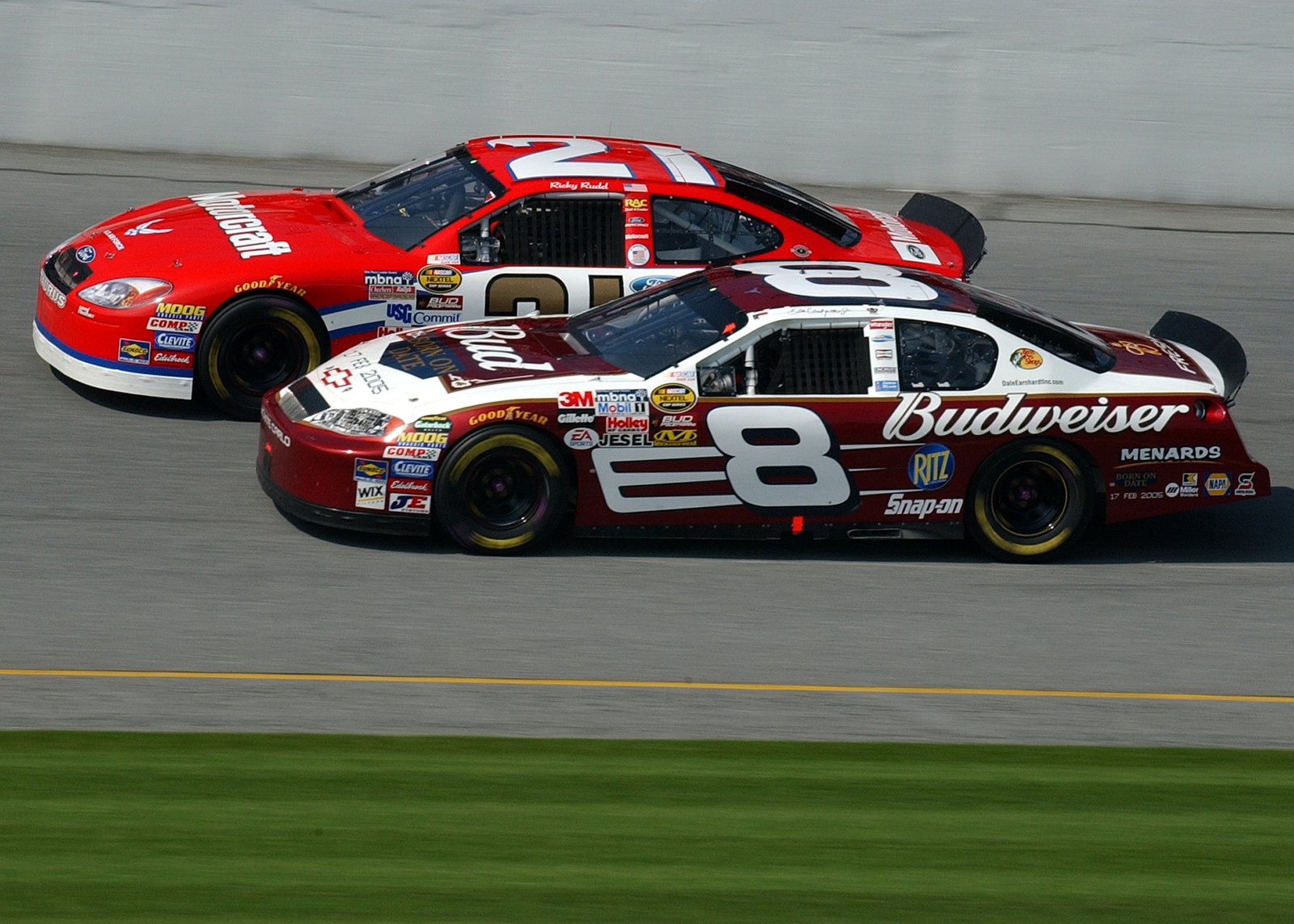
Photo: Larry McTighe / U.S. Air Force via Wikimedia Commons, Public domain.
Next three editions
- 2027: Daytona International Speedway in Daytona Beach, Florida; race date has not yet been announced by NASCAR.
- 2028: Daytona International Speedway in Daytona Beach, Florida; race date has not yet been announced.
- 2029: Daytona International Speedway in Daytona Beach, Florida; race date has not yet been announced.
Daytona Beach in February is the easiest race-weekend destination on this list. The Speedway is right on the coast, the surrounding beach runs for miles, and February weather in central Florida is mild enough to sit outside without a jacket. Travelers who only want the race can stay on the beach, walk to the track on race morning, and spend the rest of the weekend on the sand. Travelers with more time can extend the trip south to the Space Coast, west to Orlando’s parks, or north to the historic coast at St. Augustine — all within a two-hour drive. Florida in winter is also one of the easier drives in American motorsport for travelers coming from the Northeast or the Midwest, which is the real reason Daytona fills up the way it does.
Stay near the beach or make Daytona one stop in a longer Florida trip. The race is in February, which makes the timing especially attractive for travelers coming from colder parts of the country.
Boston Marathon
The Boston Marathon is unusual because most visitors are there to support someone or to experience the city on one of its defining days. You can travel for the race without running it. The route, the history, Patriots’ Day, and the final miles through Brookline into Boston create an atmosphere that is easy to understand in person.
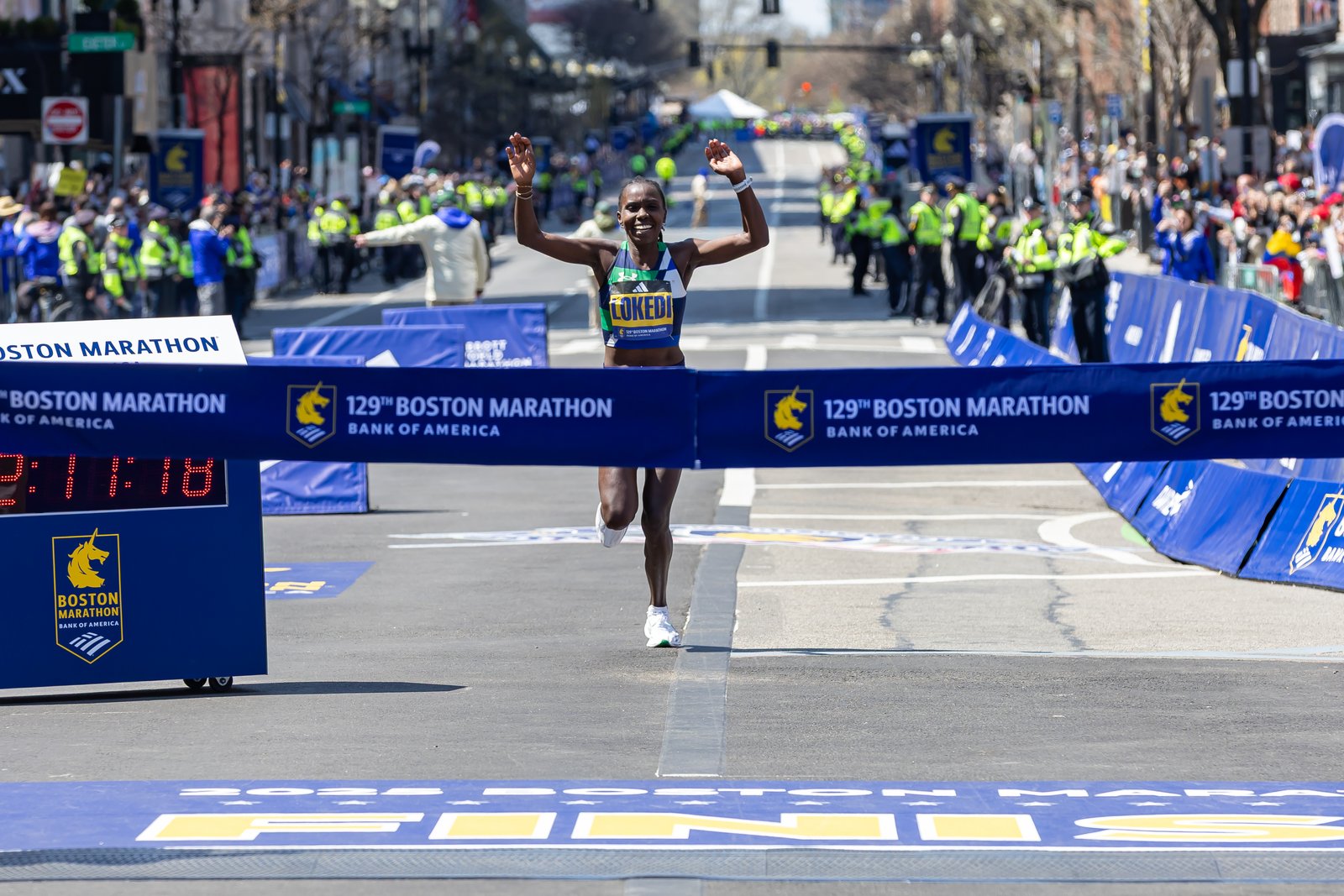
Photo: Margot Murphy / Massachusetts Governor’s Press Office via Wikimedia Commons, Public domain.
Next three editions
- 2027: April 19, from Hopkinton to Boston, Massachusetts.
- 2028: April 17, from Hopkinton to Boston, Massachusetts.
- 2029: April 16, from Hopkinton to Boston, Massachusetts.
Boston Marathon weekend is one of the best spectator events in American road racing, and most of the people in the city for it are not running. Patriots’ Day is a state holiday in Massachusetts, which means the schools are off, the Boston Common is busy, and the route from Hopkinton through the towns into Brookline and across the finish on Boylston Street has the feel of a holiday as much as a sporting event. The smartest spectator plan is to pick one viewing point — the famous ones are the start in Hopkinton, the Wellesley scream tunnel, the Heartbreak Hill section in Newton, and the finish on Boylston — and build the rest of the trip around a city break rather than chasing the race. Boston in mid-April is too cold for the beach but right for walking the Freedom Trail, a day at the Isabella Stewart Gardner Museum, the Public Garden in bloom, and a meal in the North End. Treat the marathon as the centerpiece of a long weekend, not the only activity.
If you are a runner, qualifying and registration require long-range planning. If you are a spectator, choose a viewing point, understand the T, and reserve restaurants early. Boston is compact enough that the event can be the centerpiece of a city break rather than the whole itinerary.
Rugby World Cup
The Rugby World Cup has one of the best international crowds in sport: intense during the match, social before and afterward, and generally interested in the host country as much as the tournament. Australia hosts the next men’s Rugby World Cup in 2027, making it an ideal opportunity to combine matches with Sydney, Melbourne, Brisbane, Perth, or a longer Australian trip.
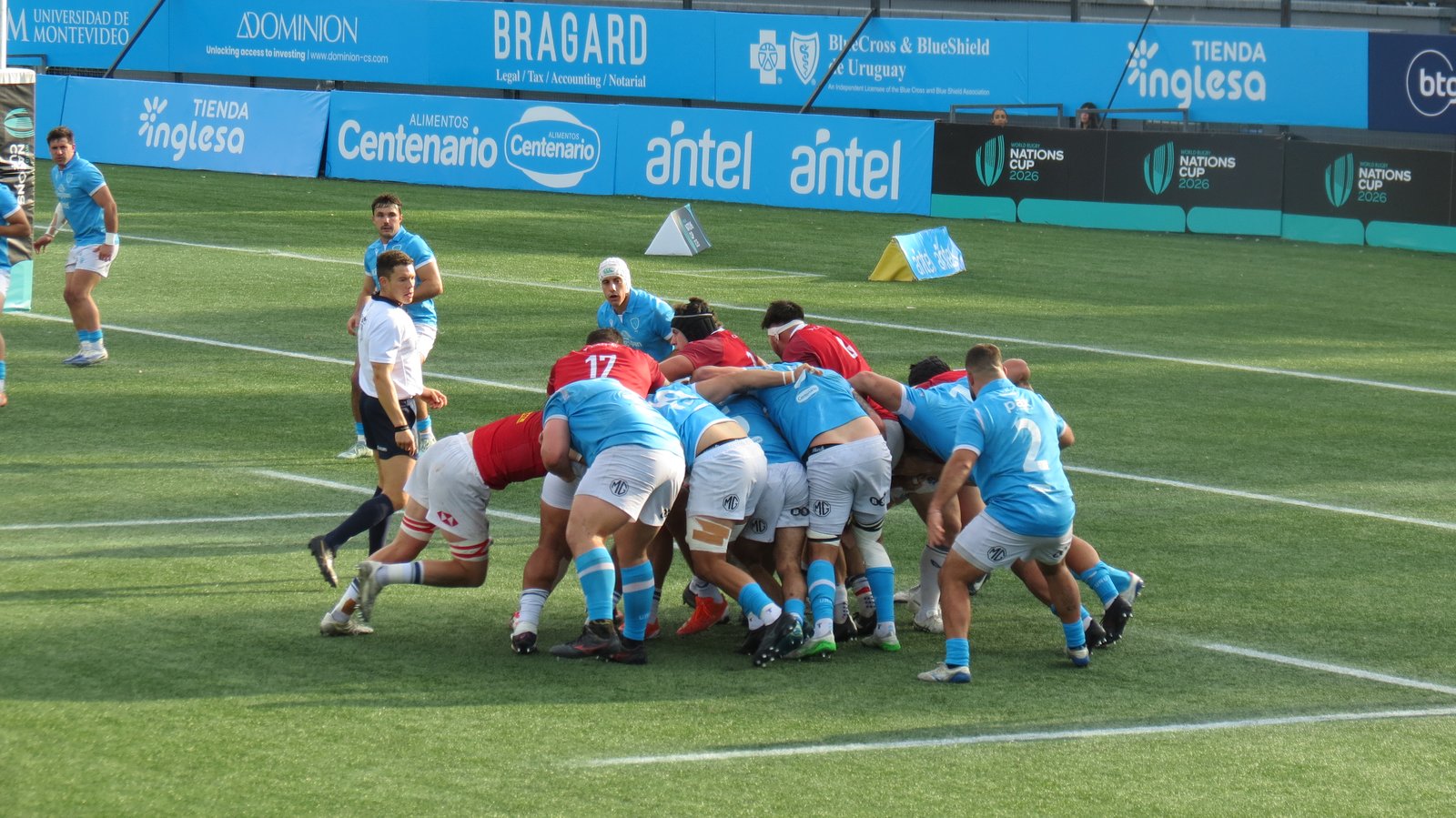
Photo: NaBUru38 via Wikimedia Commons, CC BY-SA 4.0.
Next three editions
- Australia: October 1-November 13, 2027.
- United States: host country confirmed for 2031; dates and host cities have not yet been announced.
- 2035: host country and dates have not yet been selected.
Australia in 2027 is a Rugby World Cup trip that doubles as a serious Australia trip. The tournament runs from October into mid-November, and the host cities the article names — Sydney, Melbourne, Brisbane, Perth — are spread across the country in a way that lets a traveler build a real multi-stop journey around the rugby rather than sitting in one city for the duration. Sydney and Melbourne are the two largest, and either is a strong base for a traveler who wants one home city and short flights to matches. Brisbane rewards pairing the rugby with a few days on the Queensland coast, and Perth gives the trip a genuinely remote second week. Australia’s October weather is spring-into-summer across the country, and the host cities all run deep enough on food, walks, and museums that match days do not have to consume the whole trip.
Choose a city with more than one match if possible. Rugby supporters travel well, and the atmosphere at group matches can be as rewarding as the knockout rounds. Australia also rewards staying longer than the tournament requires, which is exactly what makes it a strong sporting trip.
Tour de France
The Tour de France is the least stadium-like event on the list. A mountain stage, a time trial, or the Paris finish lets you experience elite sport in a landscape rather than an arena. The race is free to watch from much of the route, but the logistical work is real: road closures, packed villages, limited accommodation, and the need to arrive early.
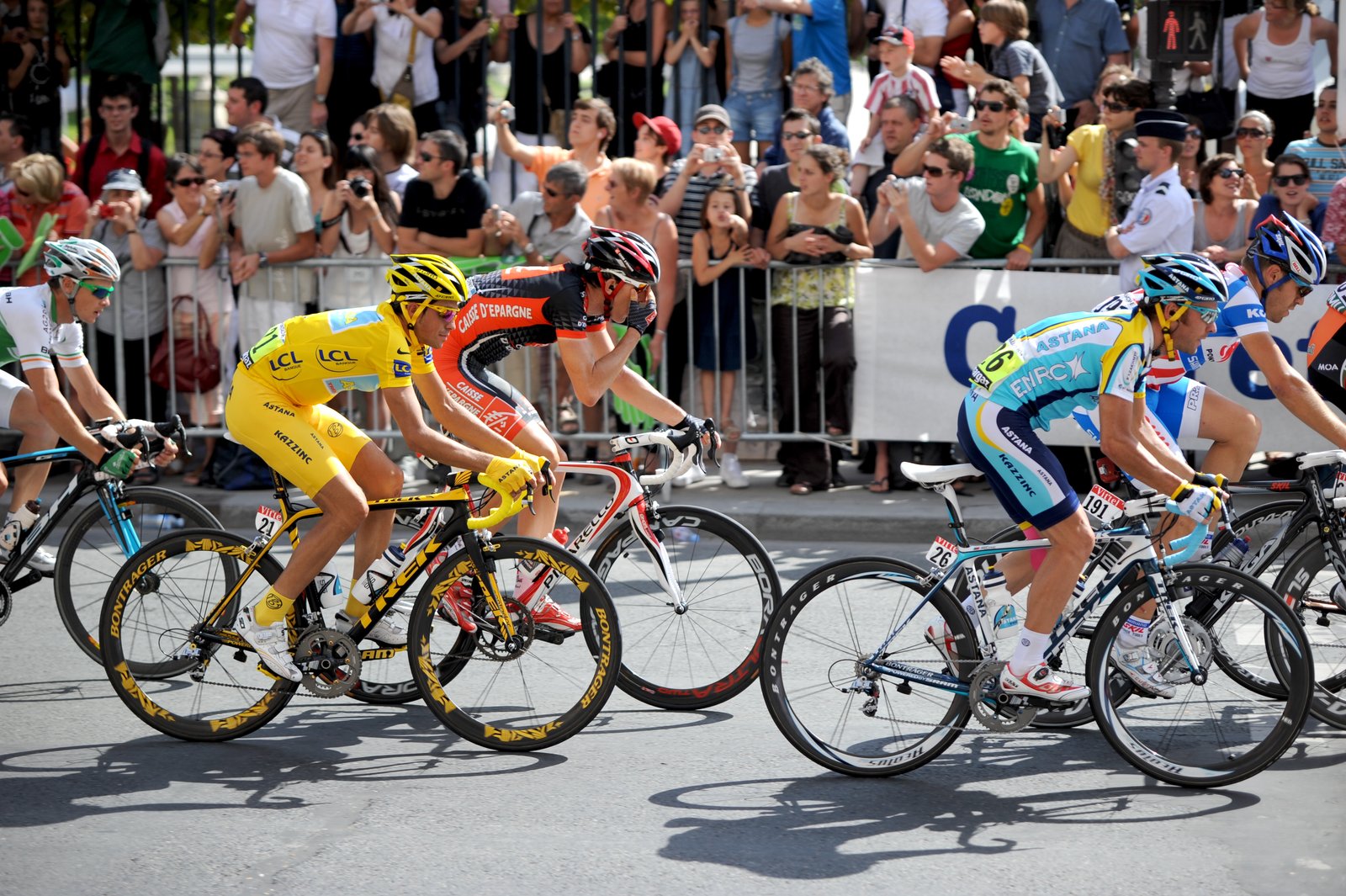
Photo: Nicolas Richoffer via Wikimedia Commons, CC BY-SA 4.0.
Next three editions
- 2027: route, dates, and Grand Depart location have not yet been announced.
- 2028: route, dates, and Grand Depart location have not yet been announced.
- 2029: route, dates, and Grand Depart location have not yet been announced.
The right approach is to pick one or two stages in a region you already want to explore. A few days in the Alps, Pyrenees, Provence, Burgundy, or the Dordogne can be built around the race without becoming a daily chase. The Tour is best when the cycling is part of a larger French trip, not the only reason you are there.
Tickets, hotels, and realistic planning
For every event on this list, the first rule is the same: use official ticketing channels first. Authorized resale can be legitimate when the event provides it. Everything else needs skepticism, especially when a deal looks too good or a seller promises tickets before the event has released them.
Hotels are usually the second problem. Major events distort a city quickly, and the most convenient areas often sell out first. Book refundable accommodation early when the host and dates are known. For events with uncertain teams, use flexible rates and do not assume a cheap room will still be available after a playoff result.
The third rule is to build in one day that has nothing to do with the event. A sporting trip should still feel like travel. Eat somewhere local, walk a neighborhood, visit a museum, take the train to the next town, or simply leave enough room for the city to surprise you.
The takeaway
The best major sporting events are not just about seeing a game, a race, or a match. They give a trip a shape. You remember the crowd, the hotel bar after the event, the neighborhood around the stadium, the train back from the course, and the city in a mood it only has for a few days.
Pick the sport you care about. Then pick the place you want to experience around it. That is how a ticket becomes a trip worth taking.