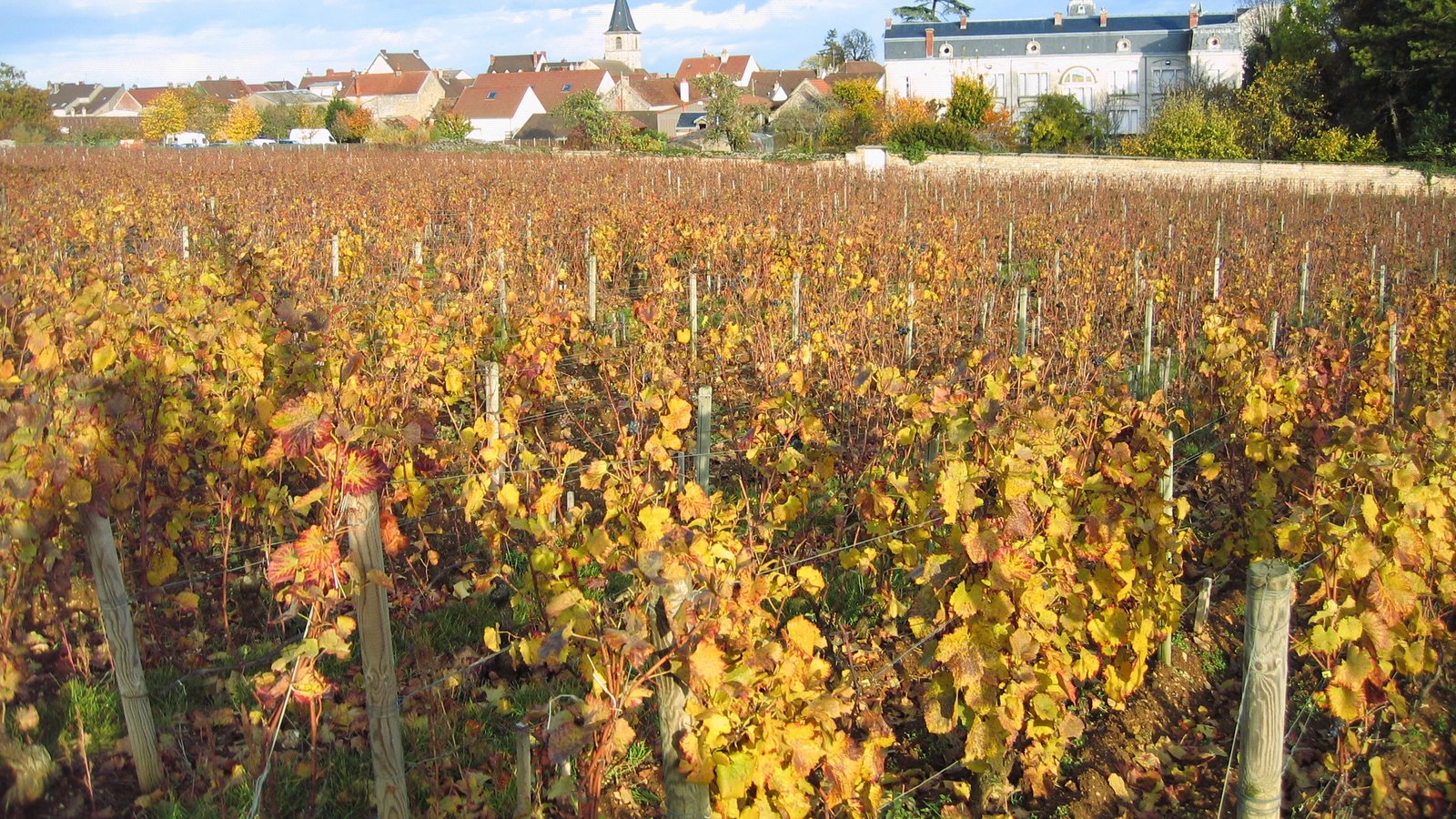
Burgundy is the wine region where the trip itself rewards you. Walking the Cote de Beaune from village to village, stopping in small domaines for tastings, staying in Beaune hotels where the cellars are older than most American families. This is the kind of experiential wine travel the industry exists for, and it is genuinely different from California’s Napa or Argentina’s Mendoza.
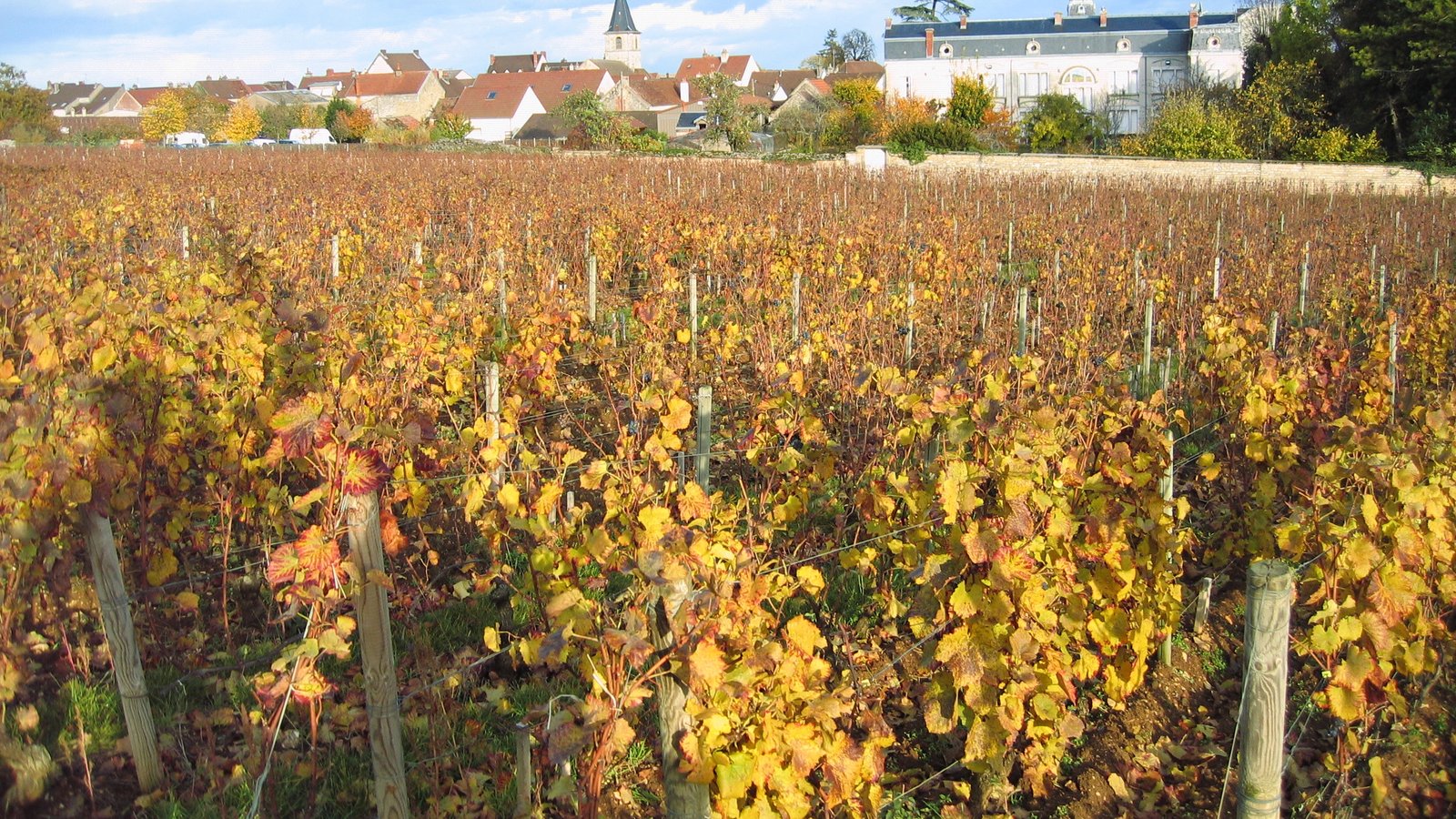
This article is for travelers over 60 who want to do Burgundy as a walking-and-tasting trip, with the right level of structure and the right kind of operator. It assumes a 7- to 10-day stay centered on Beaune, with the option to extend to Chablis or the Maconnais, and works through the practical questions of when to go, where to stay, and what to skip.
Burgundy walking tours on Viator · Browse Burgundy wine tours on GetYourGuide
What Burgundy does for a 60-plus traveler
Density of cultural depth in a small area. Burgundy is roughly the size of Maryland, but with more than 100 named village-level appellations, several hundred individual domaine wineries, and a thousand-year-plus winemaking history visible in the buildings, the cellars, and the labels. A 7-day trip can hit a representative slice. A 14-day trip can hit most of what matters. For a 60-plus traveler who has done Napa and is ready for the European equivalent at a different scale, Burgundy is the right answer.
Walking is the right way to see the region. Burgundy is flatter than the imagination suggests. The Cote de Beaune between Beaune and Santenay is a 12-mile walk along the Route des Vins with vineyard-side paths, small village stops, and reasonable train connections back to Beaune. The Cote de Nuits is similar but hillier. The Maconnais is rolling farmland. None of it requires serious hiking. For a 60-plus traveler, the wine region is best experienced on foot in the morning and at the tasting bar in the afternoon.
Cellar tastings are the differentiator. A California tasting room is a hospitality space. A Burgundy tasting is often in the family’s cave, with the winemaker or a cellar-hand pouring, in a building that has been producing wine since before the United States existed. The wine is the same wine you can buy in shops. The cellar is the experience you cannot get anywhere else.
The food is exceptional and age-friendly. Burgundy is one of the great French food regions. Beef bourguignon, coq au vin, gougères (cheese puffs), escargots, the wines themselves. The midday bistro in Beaune is a $30 to $60 affair that is one of the right answers to “what was the best meal of the trip.” The 60-plus traveler who is interested in French food but not in Michelin three-stars finds Burgundy the right region.
Where to go: the shortlist for a first trip
Beaune. The right anchor for a Burgundy trip. The town is small enough to walk in 30 minutes, with the Hospices de Beaune (a 15th-century charity hospital with the famous glazed-tile roof), the wine cellars beneath the town, and a dozen serious restaurants. Most first-timers stay 4 to 5 nights in Beaune and do day trips from there.
Beaune is the right anchor for any Burgundy trip and the place most travelers stay for 4 to 5 nights. The town itself is small enough to walk end-to-end in 30 minutes, and the highlights cluster around the old town: the Hospices de Beaune with its famous glazed-tile roof, the wine cellars beneath the town, and a dozen serious restaurants that pair with the local wines. Beaune is also the natural base for day trips to the Cote de Beaune, the Cote de Nuits, and Chablis, which makes it the right shape for a first Burgundy trip. The Saturday morning market is the strongest single experience for travelers who can extend into the weekend.
Cote de Beaune. The southern half of the Burgundy vineyard strip, between Beaune and Santenay. The villages (Pommard, Volnay, Meursault, Puligny-Montrachet, Chassagne-Montrachet) are connected by walking paths and by the Route des Vins. The walking is best in the morning. The tastings happen midday and afternoon.
The Cote de Beaune is the right walk for first-timers, and the southern stretch of the Burgundy vineyard strip is the most accessible version. The red-wine villages (Pommard, Volnay) and the white-wine villages (Meursault, Puligny-Montrachet, Chassagne-Montrachet) are connected by walking paths and by the Route des Vins. The walking is best in the morning when the light is right and the temperature is workable; the tastings happen midday and afternoon. A 5- to 6-mile day walk between two villages, ending at a producer for a tasting, is the right shape. The Cote de Beaune rewards travelers who pick one or two producers per day rather than trying to cover every village.
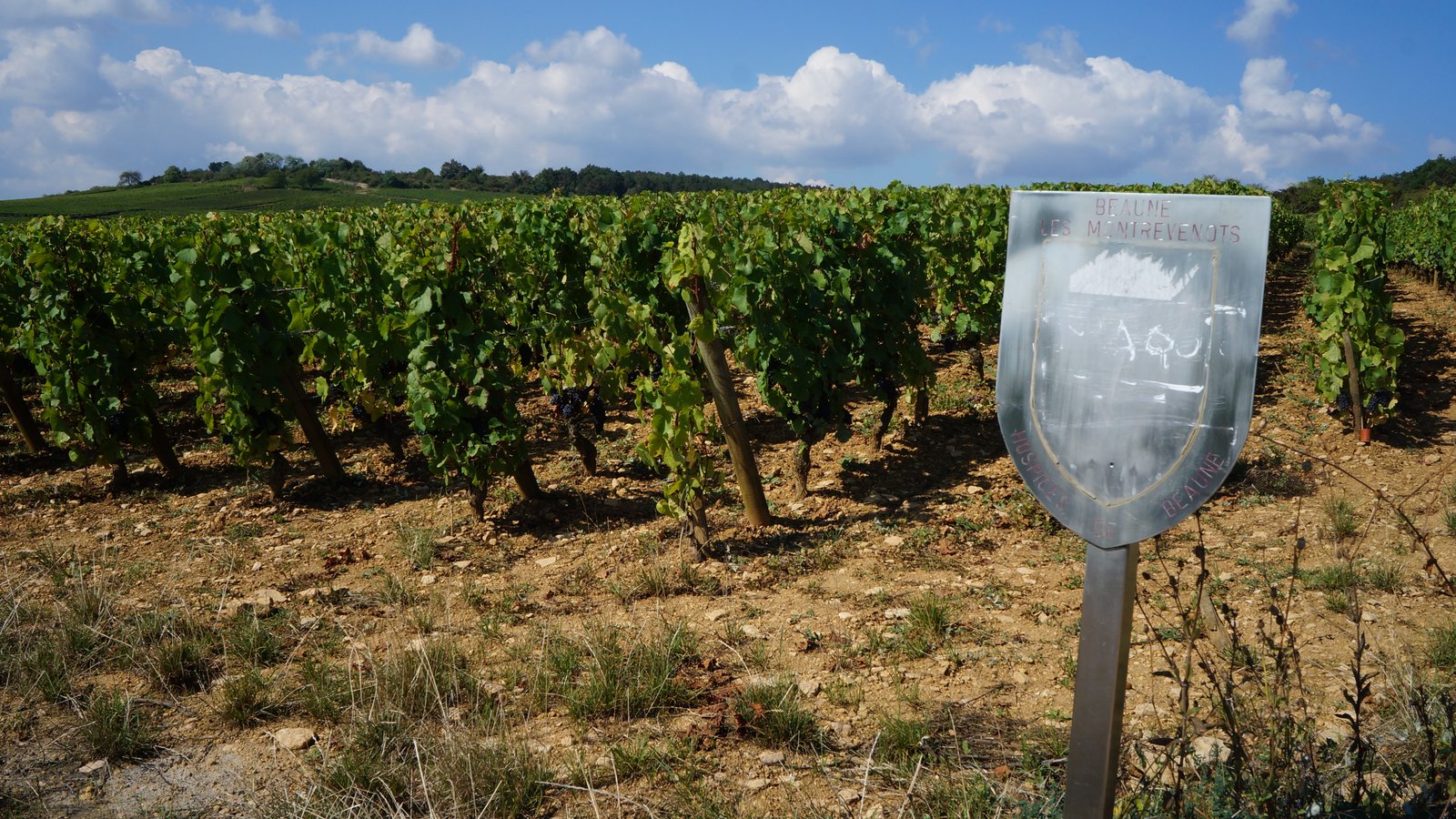
Cote de Nuits. The northern half of the vineyard strip, between Beaune and Dijon. The villages (Gevrey-Chambertin, Vosne-Romanée, Nuits-Saint-Georges) are home to most of the famous grand cru and premier cru names. A 1- to 2-day side trip from Beaune; can be combined with a stop in Dijon.
The Cote de Nuits is the right answer for travelers who want the most expensive grand cru wines in the world. The villages of Gevrey-Chambertin, Vosne-Romanée, and Nuits-Saint-Georges are home to most of the famous names, including the 0.85-hectare Romanée-Conti vineyard that anchors the entire Burgundy price conversation. The Cote de Nuits is a 1- to 2-day side trip from Beaune and combines naturally with a stop in Dijon. Walking between Vosne, Vougeot, and Chambolle is the right way to see the source. For travelers who want to taste rather than just walk, the tastings here are appointment-only and require planning weeks ahead.
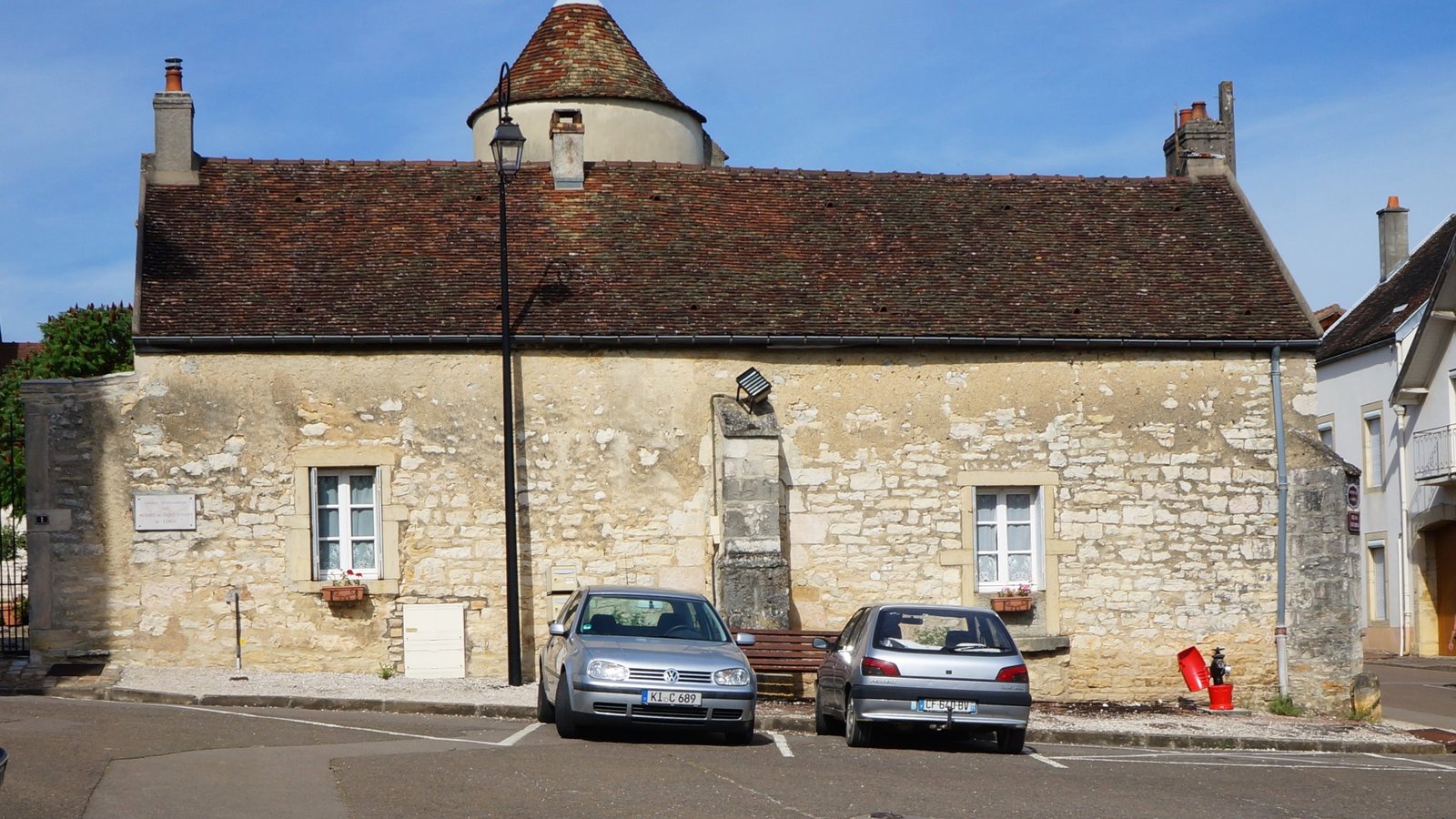
Chablis. A separate wine region about 1.5 hours north of Beaune, producing the famous Chablis (unoaked, mineral, chardonnay) that is genuinely different from the rest of Burgundy’s chardonnay. A 1-night extension from Beaune, or a 2-night stand-alone stay for travelers who want to see both regions.
Chablis is the right answer for travelers who want a white Burgundy experience that is genuinely different from the rest of the region. The Chablis wines are unoaked and mineral-driven, very different from the Cote de Beaune’s oakier whites. Chablis is about 1.5 hours north of Beaune and works as a 1-night extension from Beaune or a 2-night stand-alone stay for travelers who want to see both regions. The town itself rewards a slow evening walk and a tasting at one of the larger houses. The Premier Cru and Grand Cru vineyards on the hills above the town are the right answer for travelers who want the more concentrated versions of the wine.
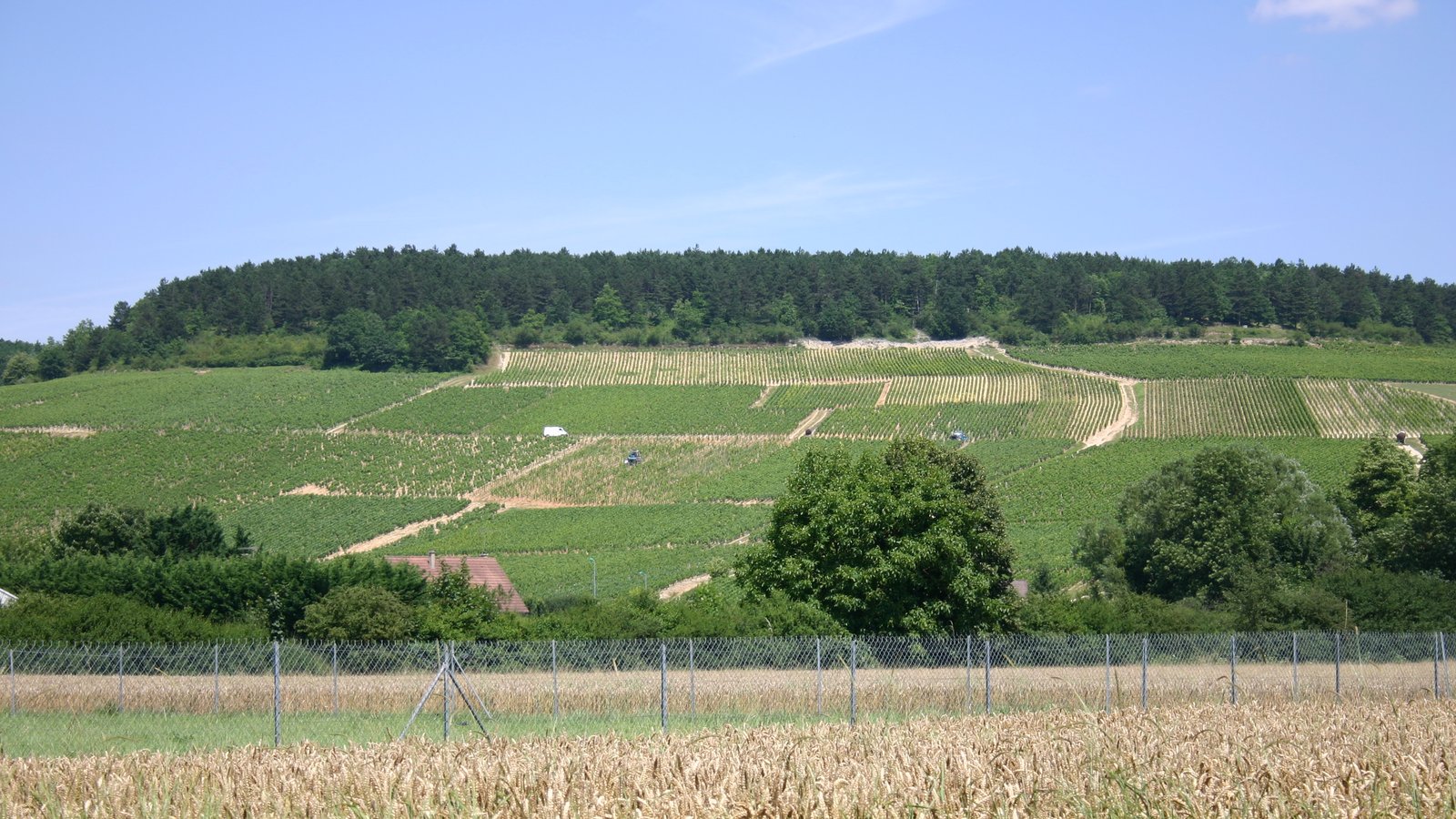
Maconnais. The southern part of Burgundy, around Macon. Less famous than the Cote d’Or but the prices are 30 to 50% lower for comparable quality. A 1-night stop for travelers who have time; skip for the 7-day version.
The Maconnais is the right answer for travelers who want a Burgundy experience at a lower price point, or who have time for a southern extension. The region around Macon produces chardonnay-based wines that are 30 to 50% lower in price than comparable quality from the Cote d’Or. The Pouilly-Fuissé vineyards wrap around the base of the Roche de Solutré, a limestone outcrop that is the geological and visual signature of the region. The Maconnais works as a 1-night stop for travelers who have time on a longer Burgundy trip; skip for the 7-day version. For travelers who like white Burgundy but find the Cote de Beaune prices too high, the Maconnais is the right answer.
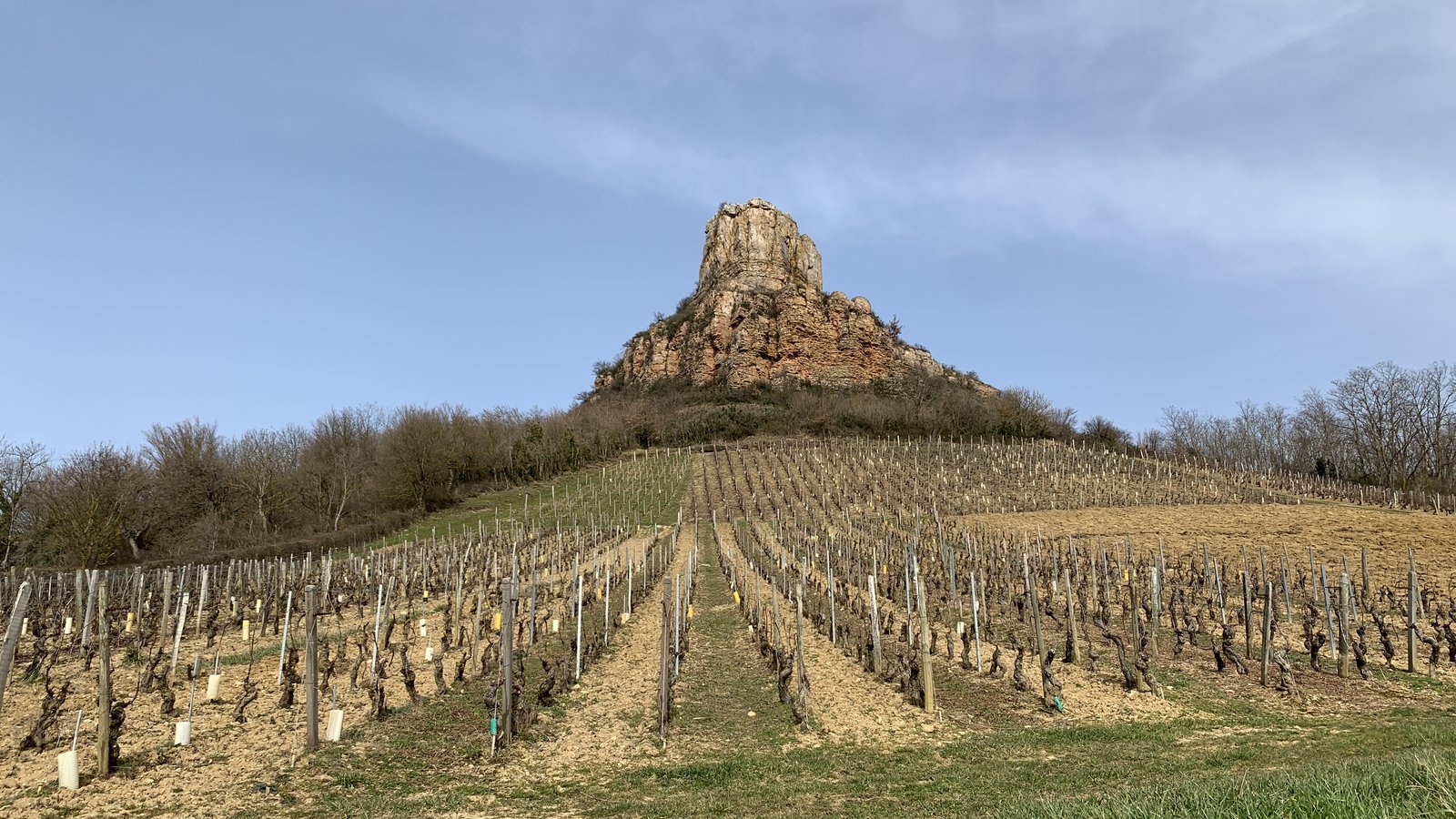
Dijon. The regional capital, worth 1 to 2 nights as the northern anchor if the trip includes the Cote de Nuits in depth. The old town, the mustard shops, the Musee des Beaux-Arts.
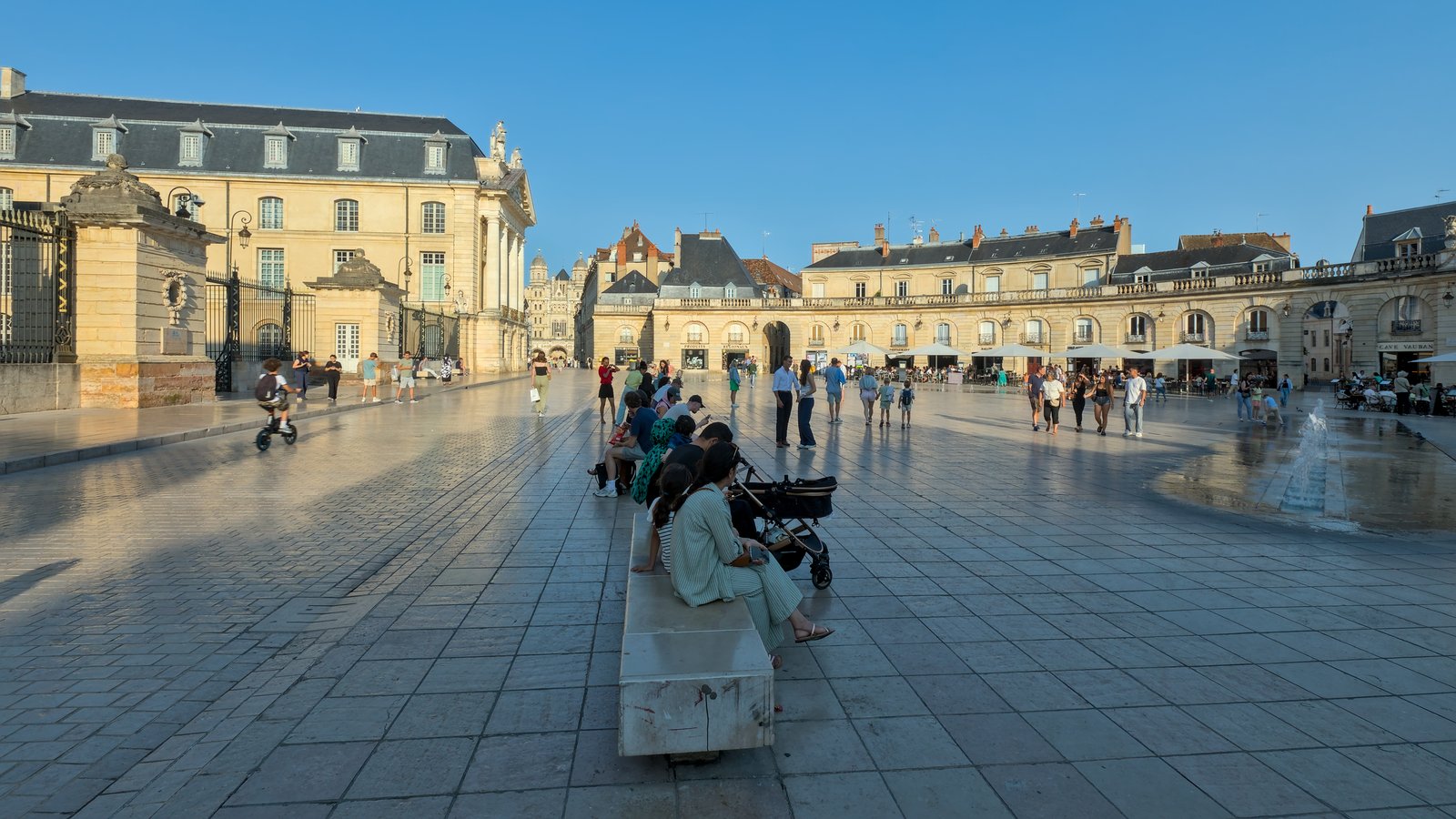
Dijon is the right answer for travelers who want a city anchor at the northern end of the trip, or who want to combine Burgundy with a city experience. The regional capital is a 1- to 2-night stay and works as the northern anchor if the trip includes the Cote de Nuits in depth. The old town, the mustard shops, and the Musee des Beaux-Arts (one of France’s strongest regional museums) are the strongest stops. The Place de la Liberation is the central square and the right evening walk. Dijon is also a rail hub, which makes it the right arrival or departure point for travelers flying into Paris and taking the TGV south.
A practical 8-day itinerary, Beaune-anchored
This is the standard first-trip shape that walking-tour operators and self-guided travelers use. Assume Beaune arrival and departure, with day trips by foot, by car, or by short train rides.
Day 1: Arrive in Beaune by train from Paris (2 hours TGV from Gare de Lyon). Settle into hotel. Afternoon walk around the old town, including the Hospices de Beaune. Evening wine bar.
Day 2: Walking day. Start at Beaune’s northern edge, walk south through Pommard and Volnay to the village center of Volnay, with stops at one domaine in Pommard and one in Volnay. The walk is 5 to 6 miles, mostly flat vineyard path. Lunch in Volnay. Return to Beaune by car or short train ride.
Day 3: Travel to Meursault. Walk south from Meursault through Puligny-Montrachet and Chassagne-Montrachet, with stops at one domaine in each. This is the white Burgundy walk: chardonnay with terroir-driven minerality. Lunch in Chassagne-Montrachet. Return to Beaune.
Day 4: Cote de Nuits day trip. Drive or take a guided tour north from Beaune through Gevrey-Chambertin, Vougeot, Vosne-Romanée, and Nuits-Saint-Georges. The grand cru vineyards are visible from the road. One tasting in Vosne-Romanée (the legendary terroir) is the right pick.
Day 5: Rest or shopping day. Beaune’s Saturday market (if the trip covers it) is one of the best in France. Or simply a slow day for the cellar tastings you’ve been saving.
Day 6: Day trip to Chablis. 1.5-hour drive north, lunch in Chablis village, tastings at 2 to 3 domaines, drive back to Beaune. The chardonnay here is genuinely different from what you’ve been drinking at Meursault and Puligny-Montrachet.
Day 7: Walk to Santenay at the southern end of the Cote de Beaune (or transfer by car if walking is too much for the day). Lunch in Santenay. The southern appellations (Santenay, Maranges) are the value picks of the region: serious wines at 30 to 50% less than the better-known villages to the north. Return to Beaune.
Day 8: Final morning cellar tasting, lunch in Beaune, train to Paris or to the airport for departure.
This shape works at a moderate walking pace. The walking days are 4 to 6 miles each, mostly on flat vineyard paths. Travelers with strong mobility concerns can replace the walking days with guided minivan tours and a few short vineyard walks.
Operator shortlist
Self-guided walking. Several operators rent bikes or run self-guided walking itineraries through the Cote de Beaune and Cote de Nuits. Bike France and Burgundy by Bike are the standard options. Self-guided works well for the 60-plus traveler who is comfortable navigating independently but wants the structure of a mapped route and pre-booked accommodations.
Small-group walking. La Cle des Vignes and Divine Wine Tourism run small-group walking tours of 6 to 12 people through the vineyards with accommodation in small hotels, meals, and pre-booked tastings. The right answer for the traveler who wants structure without the volume of a 30-person tour bus.
Private guide. A private guide (often arranged through your hotel) is the highest-touch option. The guide drives you between tastings, walks with you through the vineyards, and pre-books the cellars. The right answer for travelers who want zero planning, who have specific wine interests, or who want to dive deep on a single appellation.
The honest summary: Self-guided works for independent 60-plus travelers who have done France before. Small-group works for first-timers. Private guide works for travelers who want the wine education to be the headline.
When to go
Burgundy has two main travel windows for the 60-plus traveler:
Late May through early July (spring/early summer). Vineyards in full green leaf, weather mild, fewer tourists than September. Some of the best walking weather of the year. Book 3 to 6 months out.
September through mid-October (harvest). Vineyards in fall color, the famous Hospices de Beaune wine auction is the third weekend of November. Skip the auction week itself; prices spike and availability plummets. Cooler weather, especially in the evening. Book 4 to 8 months out for this window.
Avoid: late November through early March for a walking trip. Cold, wet, short days. Cellars stay open year-round but the outdoor experience is not what you came for.
What to skip
The Hospices de Beaune wine auction (third weekend of November) for a wine-tour trip. The auction is the cultural event of the year in Burgundy, but for a walking-and-tasting trip it is the worst week to be there. Hotels and restaurants are full, prices spike, and the walking routes are crowded with auction visitors.
Michelin two- and three-star restaurants for the 7-day trip. Burgundy has serious fine dining (Loiseau des Vignes, L’Abbaye, Le Charlemagne) but for a first trip the right answer is the midday bistro: $30 to $60 for an excellent lunch with a glass of village-level Burgundy. Save the Michelin for return trips.
Day trips to Paris. Tempting because Paris is 2 hours by TGV, but a day trip means a 4-hour round trip for 4 hours in Paris, which is not enough. If the trip is 10+ days, do 2 nights in Paris at the start or end. For 7 days, stay in Burgundy.
Self-driving without a guide. French country roads and Burgundy’s small villages are manageable in a stick-shift rental car, but the roundabouts, the small-town parking, and the right-side driving for Americans add stress. For a 60-plus traveler, the right answer is a self-guided walk with public transport plus a single day with a small-group driver, not a full week with a rental car.
Buying wine at the domaine. Most of the better domaines will ship internationally, but for a 60-plus traveler carrying luggage home, the right answer is to ship from Beaune’s wine shops (e.g., La Cave de la Bourgogne, Marché aux Vins) rather than carry. The shipping cost is comparable to a checked-bag fee.
The bottom line
Pick late May to early July for the best walking weather. Stay 5 to 7 nights in Beaune with day trips to the Cote de Beaune, Cote de Nuits, and Chablis. Use a self-guided walking package if you have done France before; use a small-group operator for a first trip. Walk 4 to 6 miles on the active days. Eat dinner in Beaune. Ship the wine home.
The trip costs about $300 to $500 per person per day, all-in, for a mid-tier experience. That is more expensive than a Vietnamese small-group tour and less than an Antarctic expedition. It is the right price for a walking-and-tasting trip to the most wine-famous region in Europe.
Burgundy walking tours on Viator · Browse Burgundy wine tours on GetYourGuide
This article contains affiliate links to Viator and GetYourGuide. Our editorial recommendations are independent of affiliate relationships. See our affiliate disclosure for details.
Research note: Specific walking tour operators, domaine tasting-fee structures, and small-hotel pricing shift by season and by year. Verify current offerings on the operator’s booking page at planning time. Burgundy harvest dates and the Hospices de Beaune auction calendar are published each January; verify the auction falls outside your intended visit dates. TGV train booking from Paris to Beaune is significantly cheaper if booked 2 to 3 months in advance; verify pricing on the SNCF Connect app. Cellar hours and reservation requirements for the better-known domaines (Leroy, DRC, Roumier) should be made months in advance; for everything else, the right answer is to walk in.