Multigenerational travel is the travel industry’s fastest-growing segment, and also its most-mishandled. The pitch is “bring the family together.” The reality is four generations with different bedtimes, different activity levels, and different ideas about what constitutes a vacation. The trip that brings everyone together on day 1 is the same trip that has 3,000 of the 5,000 other guests in a kids’ waterpark on day 5. The success of a multigen trip depends almost entirely on picking the right ship.
This article is for boomer travelers who want to bring their adult children and grandchildren on a shared trip, and want a clear-eyed read on which cruise lines actually deliver that experience. It assumes 4 to 7 nights as the right length for a first multigen cruise and works through the picks, the planning logistics, and the things that go wrong.
Royal Caribbean family cruises · Holland America family cruises · Carnival family cruises
What makes a multigen cruise work
The reason cruise ships solve the multigen problem is that they handle the coordination parts of travel. Everyone sleeps in the same complex. Everyone eats dinner at the same time at the same restaurant. The transport happens once. The activities are organized. Children have their own program. Adults have their own deck. The ship is, in a sense, a contained resort with no logistics to manage.
The failure mode is the same one that makes a bad day at a waterpark: too many other guests, too few age-appropriate activities, and no refuge for the people who actually want a quiet cocktail. The cruise lines that do multigen well are the ones that have designed for it. The cruise lines that do multigen badly are the ones that treat grandparents as a marketing segment without building the infrastructure.
The three lines worth comparing
Royal Caribbean
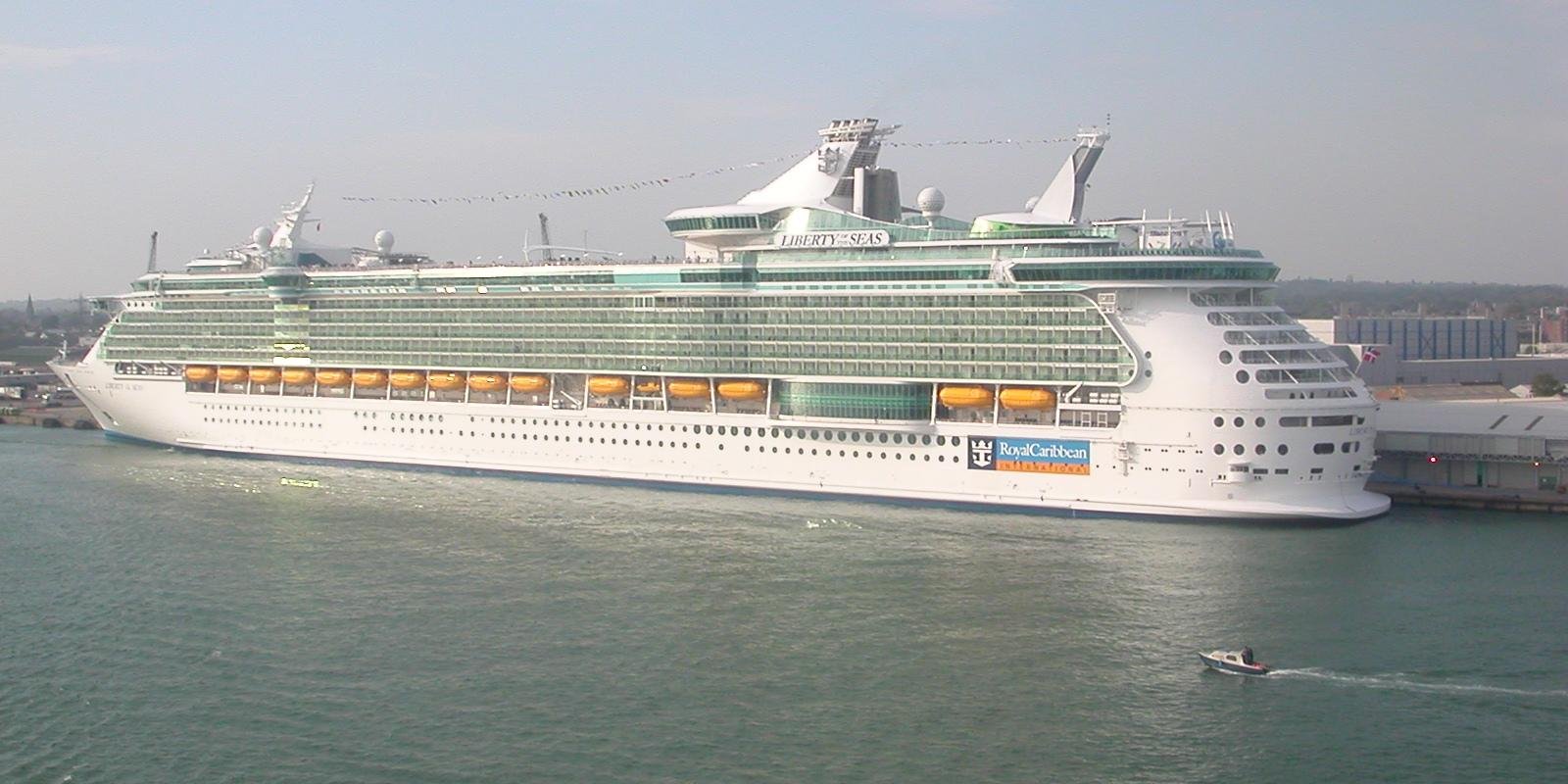
Royal Caribbean is the strongest in the industry for multigen travel with kids in the 6 to 12 age range. The kids’ programs (Adventure Ocean by age group) are the best in the industry for that age, and the Icon-class and Oasis-class ships have enough variety that every generation finds something: kids’ waterpark, teen hangouts, adult-only solarium, multiple dining venues, ship-within-ship amenities. The cruise is real. The cruise is a destination.
Royal Caribbean is the right answer for: families with kids 6 to 18, multi-generational groups that want a wide variety of activities, travelers who want a “wow” ship experience (waterpark, ice rink, zip line on the bigger Oasis-class ships).
Royal Caribbean is the wrong answer for: travelers who want a quiet cruise at night, travelers who want adult-only dining, travelers who want a slower pace. The Icon and Oasis classes are massive and the energy is high. That is the trade.
Verify before booking: current Icon-class and Oasis-class ship deployment, kids’ program ages covered (Adventure Ocean is 3 to 11), family-suite configurations (the bigger ships have interconnecting staterooms that move multigen travel from “shared cabin” to “shared cabin plus sitting room”), and the line’s policy on 3-person and 4-person occupancy.
Royal Caribbean is the right answer for travelers who want the most-tested multigenerational cruise experience. Royal Caribbean’s ships are the largest in the mainstream fleet and the entertainment options are the broadest: rock climbing walls, surf simulators, ice rinks, water parks. Kids’ programming spans 6-month-olds through 17-year-olds, with age-appropriate groups throughout the day. Adults-only sections (the Solarium, the adults-only pool deck) let the 60-plus traveler escape the family energy when needed. Royal Caribbean rewards travelers who want the broadest range of activities for a mixed-age group. Skip Royal Caribbean for travelers who want the most traditional or the most intimate ship experience.
Holland America
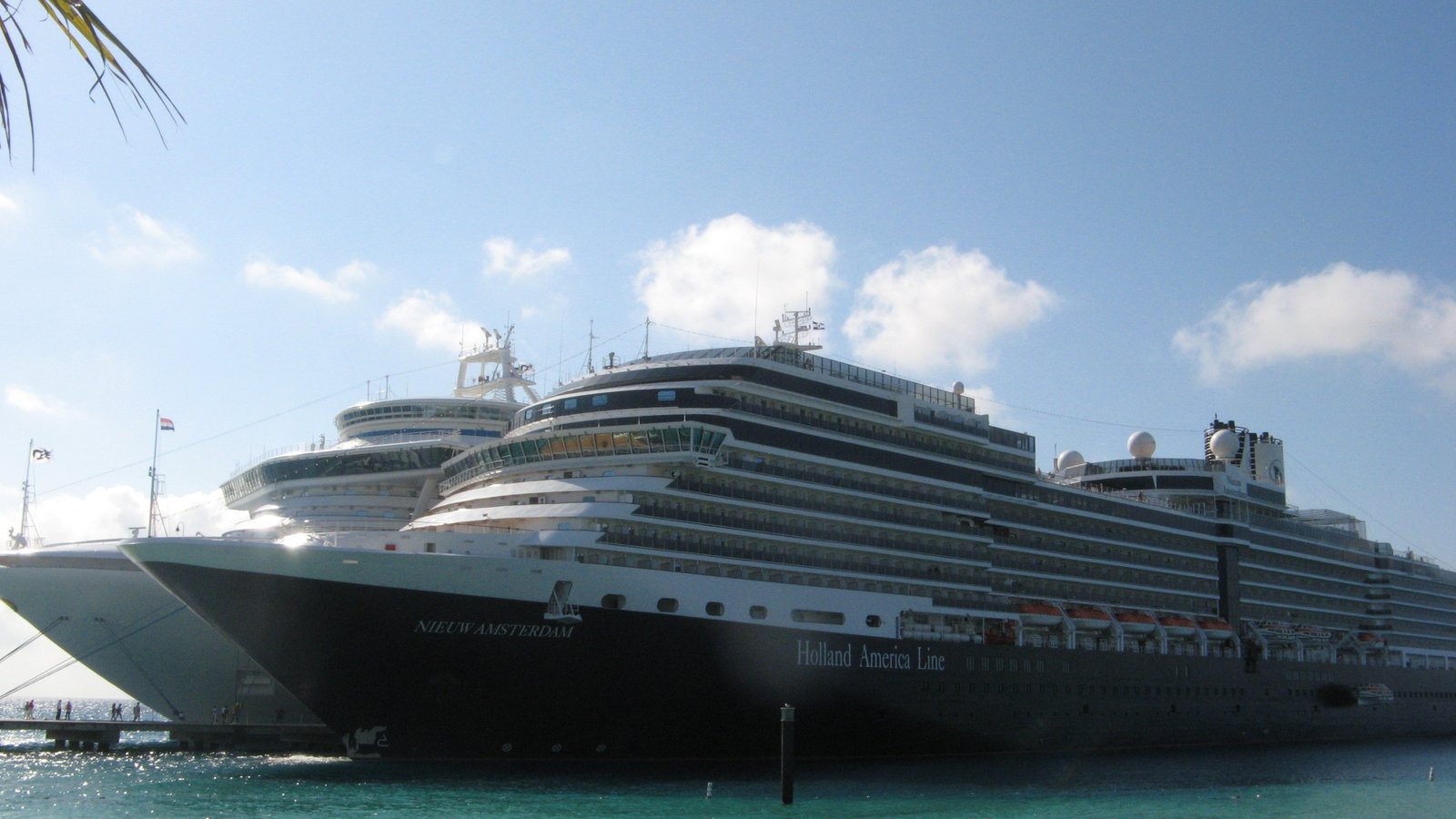
Holland America is the strongest in the industry for multigen travel with older grandparents and a smaller number of grandchildren. The line leans traditional: ballroom-style evening entertainment, a quiet dining room, the cultural-enrichment programming that Holland America does well. The 4- to 14-night itineraries are longer than the industry standard, which gives multigen groups time to settle into a rhythm rather than rush from port to port.
Holland America is the right answer for: families with teenage grandchildren (the line’s 600+ enrichment program is more engaging for teens than the kids’ programs on Royal Caribbean), multigen groups where the grandparents are the planners and the parents are the participants, travelers who want port-intensive itineraries (Alaska, Mediterranean, Northern Europe at the upscale end).
Holland America is the wrong answer for: families with kids under 6 (the line’s kids’ program is smaller than Royal Caribbean’s), travelers who want a waterpark or active kids’ experience, travelers who want a “wow” ship.
Verify before booking: current 4-generation connected stateroom configurations on Koningsdam and Nieuw Statendam-class ships, family shore excursion options for the relevant destination, and the line’s current Entertainment Tonight-style “live TV” production with grandchildren (this is the multigen hit on Holland America in 2025).
Holland America is the right answer for travelers who want a calmer multigenerational experience with strong dining and entertainment options. Holland America’s ships are mid-size (smaller than Royal Caribbean) and the onboard vibe is more traditional and quieter, which works well for families with adult children rather than young kids. Kids’ programming is solid but not as broad as Royal Caribbean’s. The line’s longer itineraries (Alaska, Northern Europe, longer South America cruises) work well for multigenerational groups that want to spend real time together. Holland America rewards travelers who want a multigenerational experience with more traditional dining and entertainment. Skip Holland America for travelers who want the broadest range of kids’ programming or the largest ships.
Carnival
Carnival is the budget-tier answer for multigen travel. The line’s kids’ programs (Camp Ocean for ages 2 to 11, Circle C for ages 12 to 14) are well-rated and the per-day pricing is genuinely 30 to 40% below Royal Caribbean or Holland America. For a first multigen cruise where the family is uncertain whether they want to do this again, Carnival is the right answer.
Carnival is the right answer for: large multigen groups on a tighter budget, families with kids who want a louder and more active cruise, travelers who would rather spend the saved money on shore excursions.
Carnival is the wrong answer for: multigen groups where the grandparents want a quieter experience, travelers who want longer or more port-intensive itineraries, travelers who want a wider dining selection.
Verify before booking: current ship selection (Carnival operates a wide range of ship sizes; the bigger ships are better for multigen), family-stateroom configurations, and the line’s policy on 3-generation “extended family” cabins.
Carnival is the right answer for travelers who want the most accessible multigenerational experience on a tighter budget. Carnival’s pricing is generally lower than Royal Caribbean or Holland America for similar itineraries, and the ships are designed for family groups. The kids’ programming (Camp Ocean for younger kids, Circle C for teens) is well-tested and the ships have the broadest range of casual family-friendly venues. Carnival rewards travelers who want multigenerational cruising at a price point that works for a larger group. Carnival is the right answer for families that include younger kids and where the budget is a real constraint. Skip Carnival for travelers who want the most traditional or the most upscale experience.
What makes a multigen cruise work in practice
The single biggest variable is the stateroom. Most cruise failures come from underestimating how much space four generations need when they are sharing a single cabin. The right answer for a multigen group is either:
Interconnecting staterooms. Two adjacent cabins with a connecting door. This is the standard answer on Royal Caribbean’s Icon-class and Oasis-class ships, and increasingly on Holland America. The families get shared sleeping space plus separate sitting rooms and baths. The downsides: more expensive than a single cabin, requires booking two cabins far enough in advance to get adjacent ones.
Family suites. Suites that accommodate 4 to 6 people in one cabin with separate bedrooms. Available on the bigger ships from all three lines. The downsides: significant price premium ($1,000 to $3,000 per night at peak times), limited inventory, less flexible booking.
Two adjacent cabins without a connecting door. Cheaper than interconnecting but harder in practice. The kids and parents are two cabins apart and the grandparents are in a third. This works for ages 8 to 18 but is harder for the 4 to 7 age group.
The right pick for a first multigen cruise is interconnecting staterooms. The price premium over a single cabin is real but the alternative is a 7-day cruise with 4 generations stepping over each other in 200 square feet.
The mistake that breaks the multigen cruise
Most multigen cruise failures are not about the ship. They are about the dining reservation.
Most cruise ships have multiple dining venues. The main dining room is the included option and the family can sit together. The specialty restaurants are upcharge and have limited capacity. For a multigen group, the issue is that the popular specialty restaurants (Italian, steakhouse, hibachi) book out weeks in advance, and a 4-night cruise may not have enough rotation nights for the family to get a sit-down at all of them.
The right answer is to book the specialty restaurants on day 1 of the cruise, all at once. Most lines let you book specialty dining through the cruise line’s app or website before you sail. Book them all on day 1 or 2 to lock in the slots. Don’t assume the family will figure it out on board.
The second mistake is the kids’ program enrollment. Most cruise lines kids’ programs require sign-up at the start of the cruise. Parents who skip the sign-up and then try to put a kid into the program mid-cruise find wait lists. Sign up day 1, lock in the schedule, and the parents can plan their own days around the kids’ program hours.
What to skip
Spring break sailings. The most expensive multigen cruise week of the year is the second week of April. The cruise is also the most crowded. The savings of an off-peak sailing are $1,000 to $2,000 per family and the experience is materially better.
Holiday week cruises. Christmas week, New Year’s week, Thanksgiving week. Same logic as spring break. If you have school-age kids, the trip coincides with the highest pricing and the most crowded ships.
The largest megaship on a 3-night itinerary. Three nights is not enough to do justice to a 6,000-passenger ship. The Icon-class and Oasis-class need at least 5 to 7 nights to feel like a destination rather than a destination in motion. For 3 or 4 nights, the smaller ships (Vision-class, Pinnacle-class) are the right answer.
Self-organized shore excursions. The cruise line’s shore excursions are upcharge but they are also the path of least resistance for grandparents with grandchildren. The “private driver and bespoke guide” path that some families try to organize pre-trip is more expensive and more stressful than the upcharge. Book the line’s excursions.
The bottom line
Pick Royal Caribbean for the multigen trip with kids 6 to 12 who want a “wow” ship. Pick Holland America for the multigen trip with older grandchildren and a longer itinerary. Pick Carnival for the budget-conscious family trying multigen cruising for the first time. Book interconnecting staterooms 6 to 9 months out. Reserve specialty restaurants on day 1 of the cruise. Skip spring break and the holiday weeks.
The trip costs $400 to $600 per person per night for a 4-to-7-night multigen cruise at mid-tier accommodation, all-in. That is real money but it is the right kind of trip for the multigen moment, and a cruise is the right way to do it.
Royal Caribbean family cruises · Holland America family cruises · Carnival family cruises
This article is currently under review for direct affiliate program partnerships with Royal Caribbean, Holland America, and Carnival. References are by name and editorial recommendation; the link text uses our existing Holland America affiliate as the placeholder pending the others’ approval. Our editorial recommendations are independent of affiliate relationships. See our affiliate disclosure for details.
Research note: Royal Caribbean’s Icon-class and Oasis-class ship deployment, Adventure Ocean kids’ program ages, and 3-generation stateroom configurations shift by year. Holland America’s Nieuw Statendam-class family configurations and Koningsdam 4-generation cabins are a moving target. Carnival’s family pricing and Camp Ocean eligibility change seasonally. Verify current offerings on each line’s booking page when planning. Excursions and specialty dining reservations can sell out months ahead; book on day 1 of the cruise.