Iceland is the destination where a small-group introduction earns its keep the most clearly. Weather that turns within minutes. The Ring Road circling the entire country. Layered experiences (lava tubes, glaciers, hot springs, Northern Lights) that reward real local knowledge. Independent self-driving works in summer and is punishing the rest of the year. For travelers over 60 making one trip to Iceland, a guided itinerary is the right shape.
This article is for travelers over 60 who have never been to Iceland and want an honest read on whether the trip fits what they want from a high-impact first experience. It assumes Intrepid Comfort-tier (or equivalent small-group guided) as the right shape and works through the practical questions of when to go, where to base, what it costs, and what to skip.
Intrepid Iceland tours · Browse Iceland tours on Viator
What Iceland does for a 60-plus traveler
Density of unique landscape in a small area. Iceland is roughly the size of Kentucky but with landscape that varies every 50 miles: lava fields, glaciers, geothermal pools, black-sand beaches, lava caves, ice caves, basalt columns, geysers, waterfalls, lava flows, and the Northern Lights (in winter). A 7 to 10 day trip can hit most of it. A two-week trip can hit all of it. No other European destination offers this kind of landscape density per day of travel.
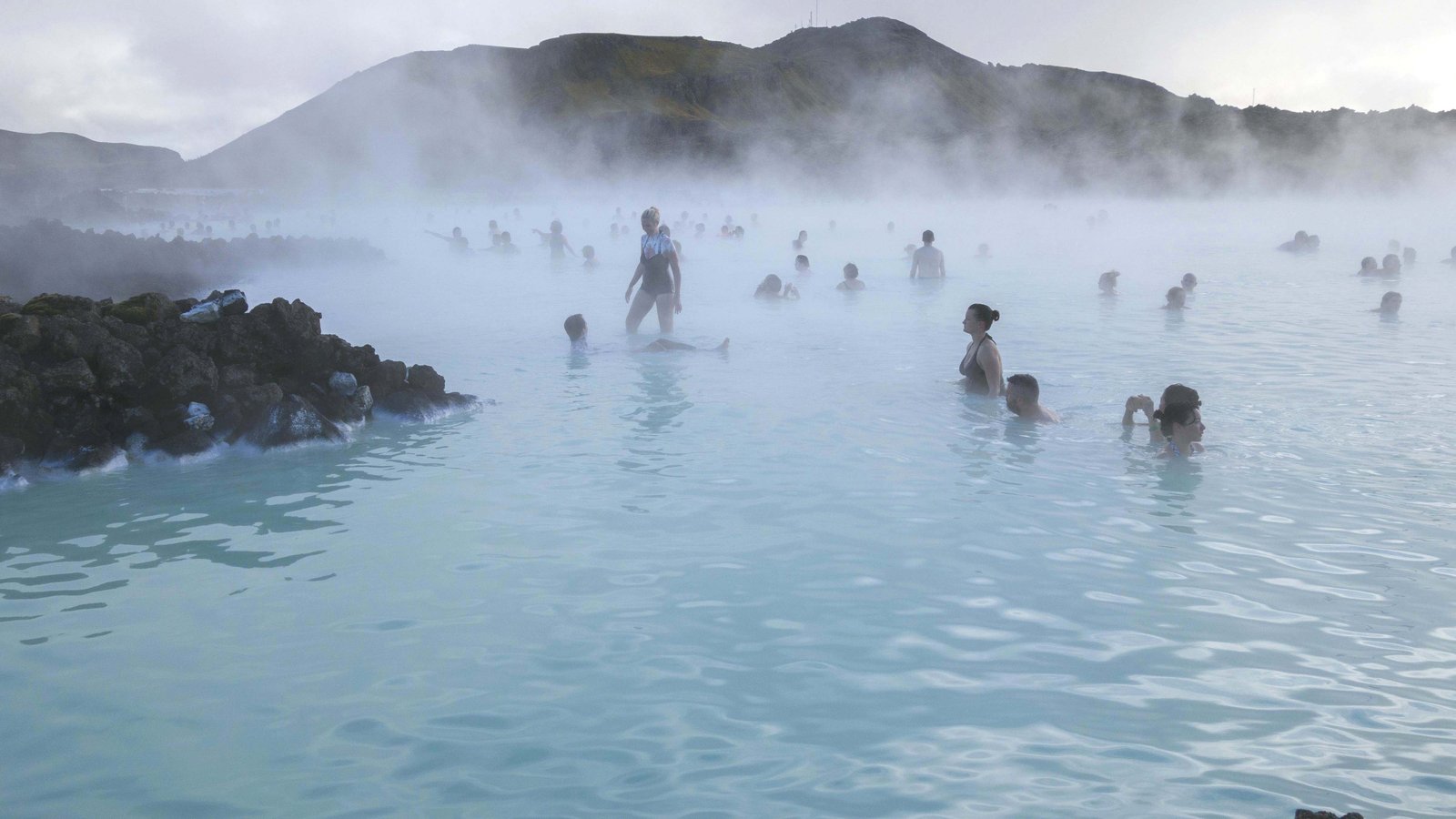
Hot springs as a default activity. Geothermal pools are everywhere in Iceland. From the famous Blue Lagoon to small village pools to natural hot springs. For a 60-plus traveler, the daily ritual of a hot pool after a long day of driving or walking is a real restorative. The temperature range is right (typically 38 to 42°C, ~100 to 108°F). The accessibility is right (most pools are walk-in with handrails). Iceland is the rare destination where the high-end wellness experience is built into the public infrastructure.
Safety as a default cultural value. Iceland is one of the safest countries in the world. Violent crime is rare. Walking alone at night is safe. The infrastructure for tourists is excellent. This is a meaningful signal for a 60-plus traveler who is deciding between self-driving Iceland and self-driving a less safe country.
Northern Lights (October through March). If the trip is in winter, the aurora is the kind of natural phenomenon that rewards being outside at 11 p.m. on a cold night. The Northern Lights are not guaranteed any specific night (cloud cover matters) but the latitude is high enough that over a 4-night winter stay, you will see them at least once. This is a thing Iceland does better than any other accessible destination.
Where Iceland asks for accommodation
Weather that turns within minutes. Iceland’s weather changes in a way that surprises first-timers. The phrase “four seasons in one day” is not an exaggeration. Travelers should pack for the worst case every day and accept that the actual day is likely better than worst case. The good news is the cold is dry (no wind-chill to 30 below like Chicago); the bad news is the wind itself is a factor.
Walking volume. Iceland is a foot country. The Golden Circle, the South Coast waterfalls, the glacier hikes, the lava tube explorations, the Reykjavik old town, the Akureyri botanical gardens. Every major attraction involves walking. Some walking is on uneven lava and volcanic terrain. Travelers with strong mobility concerns should plan for this.
Distance and motion. The Ring Road is 1,322 km (820 miles) and most of the standard trip itinerary is its full circuit. A 7-day self-drive covers the Ring Road comfortably but with a long driving day every 2 to 3 days. The public bus system is real but slower; the small-group tour bus is the right shape for a 60-plus traveler.
Daylight in winter, darkness in summer. Iceland is at 64 to 66 degrees north. The summer solstice has 21+ hours of usable daylight; the winter solstice has 4 to 5 hours. A first-time traveler who is choosing between summer and winter is choosing between: almost no darkness and packed days (summer) vs. limited daylight and Northern Lights (winter). Pick one orientation; trying to do both in one trip shortchanges both.
Where to go: the shortlist for a first trip
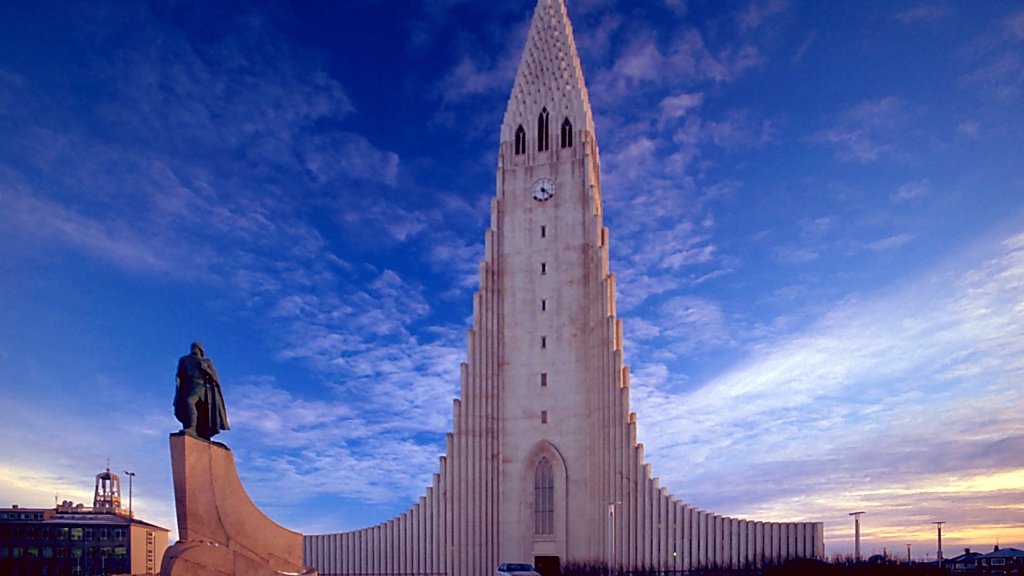
Reykjavik. The capital, the entry point, and a city worth 2 to 3 nights. Hallgrimskirkja (the iconic church), the old town, the Harpa concert hall, the National Museum, and the food scene. Reykjavik is also where the best restaurants in Iceland are: Dill, Matur og Drykkur, Maturinn. Dinner at one of these is one of the right answers to “what was the best meal of the trip.”
Reykjavik anchors any first Iceland trip, and 2 to 3 nights is the right shape for the city. The downtown core is small enough to walk end-to-end in a day, and the slow version of the trip uses Tjornin (the central pond), the Hallgrimskirkja church tower, and a coffee at one of the cafes on Laugavegur as the spine of a half-day walk. Dinner at one of the named restaurants in the article is worth booking a week or more ahead in summer. Reykjavik also works as the base for the Golden Circle day and the South Coast loop, which is why the city is the natural first and last stop of a first itinerary.

Golden Circle. The day-trip route from Reykjavik: Geysir (the original “geyser”), Gullfoss (a 32-meter waterfall), Thingvellir (the historical parliament site and the continental drift visible above ground). Most first-timers do this as a single day trip. Doing it on a small-group bus is the right answer because the day involves multiple stops and a 4 to 5 hour driving loop.
The Golden Circle is the right first-day trip for travelers who want to see Iceland’s signature geography without committing to a long drive. Geysir and the active Strokkur geyser, the Gullfoss two-tier waterfall, and the Thingvellir national park make a triangle of stops within an hour of Reykjavik. A small-group bus is the right shape for the day because the itinerary covers real geography and the guide handles the timing. Doing it as a private guide works too, at higher cost and lower group energy. A self-drive version is possible but adds the navigation work on top of the stops.


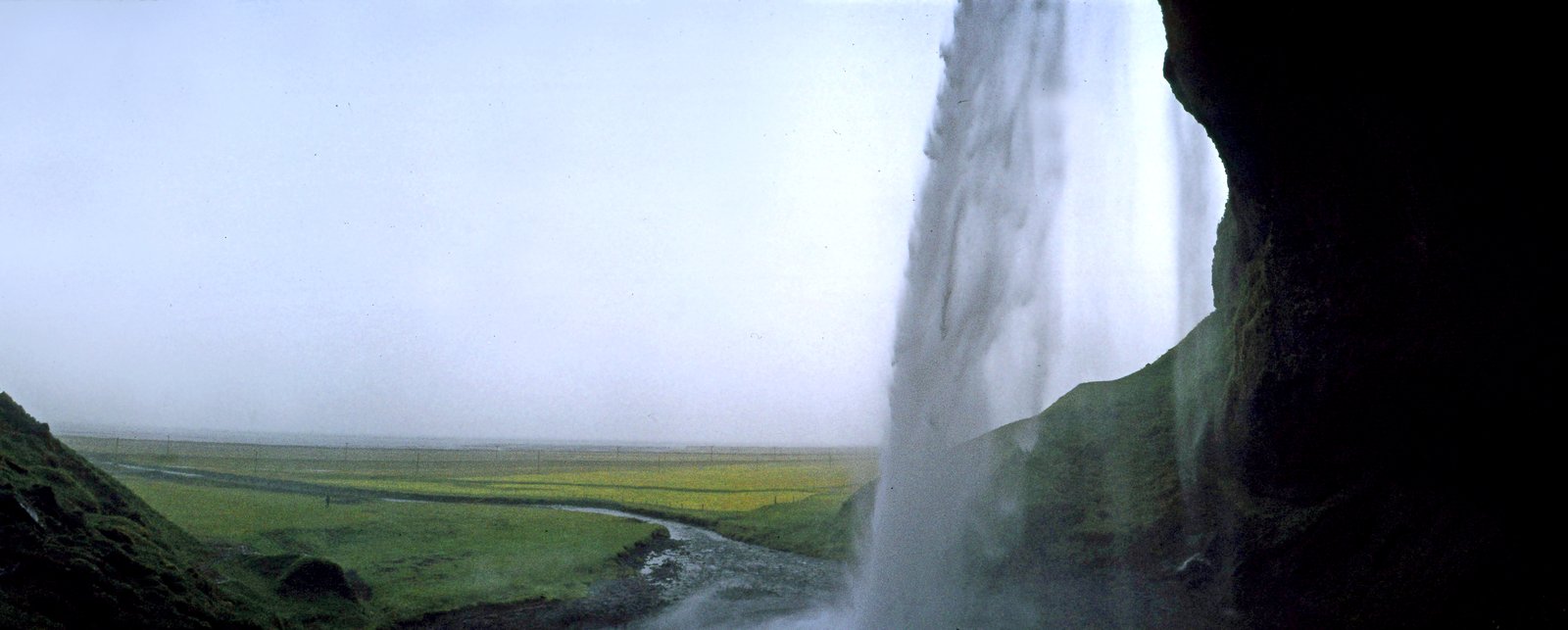
South Coast. The most scenic day-by-day driving route: Seljalandsfoss and Skogafoss waterfalls, the black-sand beach at Reynisfjara, the village of Vik. A 2- to 3-day South Coast stop is the right answer for a 7- to 10-day trip.
The South Coast is the single most scenic drive in Iceland, and a 2- to 3-day stop is the right answer for a 7- to 10-day trip. Seljalandsfoss and Skogafoss are the two named waterfalls in the article, both walkable from the Ring Road and both worth a slow visit. Reynisfjara’s black-sand beach is one of the most photographed stops on the island and rewards a stop even on a tight itinerary. The village of Vik, further east, is the natural overnight base for travelers building a slow version of the route. Self-drive is the most flexible shape for the South Coast because each stop is short and the distances between them are real.

Skaftafell and Jokulsarlon. In Vatnajokull National Park, the largest glacier in Europe. Skaftafell is the hiking base (Skaftafellsjokull glacier viewpoint is a 1.5-hour walk that is one of the best half-day hikes in the country). Jokulsarlon is the glacier lagoon with floating icebergs, and the Diamond Beach next to it is one of the most photogenic spots in the country.

The Highlands (Landmannalaugar, Thorsmork). Accessible only in summer and only with a 4×4 vehicle or a Super Jeep tour. Hiking, hot springs, and landscapes that don’t exist anywhere else in the country. The Highlands are the right answer for a 10+ day trip with active 60-plus travelers; skip if the trip is under 10 days or the travelers are not comfortable with rougher access.

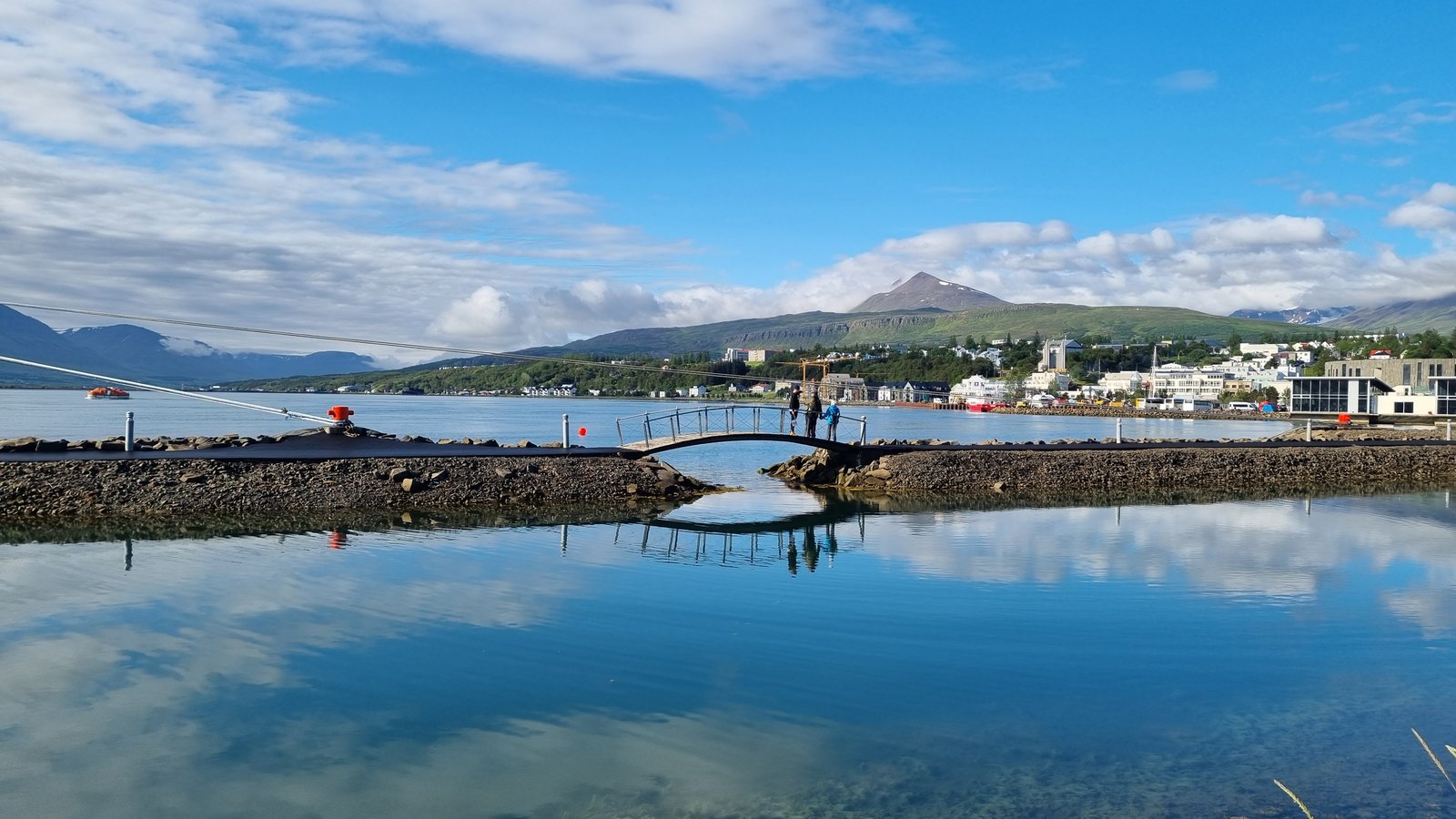
Akureyri and the North. Iceland’s second-largest city, on the north coast. A 2-night stop on a 10+ day itinerary; the surrounding area includes the Lake Myvatn region (pseudocraters, geothermal features), Husavik whale-watching, and Akureyri’s old town. The North is the quieter alternative to the South Coast.
Akureyri and the North is the right answer for travelers who have a 10+ day itinerary and want a quieter version of Iceland than the South Coast. Akureyri itself is small and walkable, with a botanical garden, a church, and a working harbor. The Lake Myvatn region to the east has pseudocraters and geothermal features that read like a smaller, less crowded version of the Golden Circle. Husavik, on the bay further north, is the country’s whale-watching capital and rewards a half-day. The North works best as a 2-night Akureyri base with day trips out to Myvatn and Husavik, not as a fast drive-through.
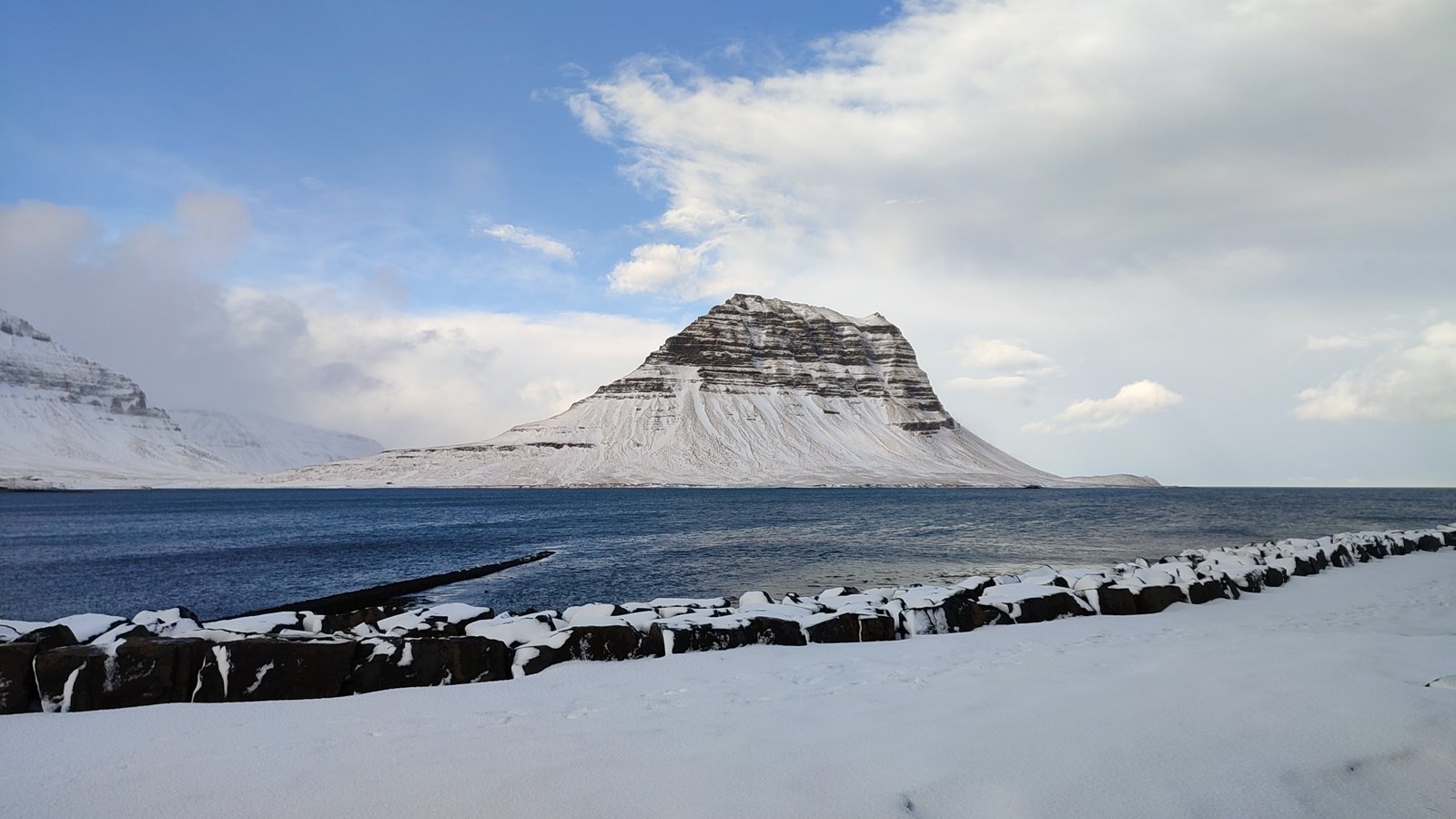
Snaefellsnes Peninsula. Often called “Iceland in miniature” because the peninsula has the glacier (Snaefellsjokull, the mountain at the start of Jules Verne’s novel of the same era), the black church, the lava field, and the fishing village of Stykkisholmur. A 2-night stop is the right answer for a 7+ day trip.
The Snaefellsnes Peninsula is the right answer for a 7+ day trip that wants the variety of Iceland without the long Ring Road drive. Snaefellsjokull glacier sits at the western tip and is the mountain at the start of Jules Verne’s novel, a fact the local tour guides mention but the scenery does not require. Kirkjufell, on the north side of the peninsula, is the most photographed single mountain in Iceland and rewards a slow evening light. Stykkisholmur, the peninsula’s main fishing village, is the natural base for a 2-night stay. The black church at Budir and the lava field at Berserkjahraun round out the standard loop.
A practical 8-day itinerary, Reykjavik-anchored
This is the standard first-trip shape that Intrepid’s Iceland Comfort and similar small-group operators offer. Assume Reykjavik arrival and departure.
Day 1: Reykjavik arrival. Settle into hotel. Evening walk around the old town. Dinner in Reykjavik.
Day 2: Reykjavik city. Morning at Hallgrimskirkja and the National Museum. Afternoon Harpa concert hall. Optional afternoon trip to the Blue Lagoon (1 hour from city). Evening in Reykjavik.
Day 3: Golden Circle day trip. Geysir, Gullfoss, Thingvellir. Return to Reykjavik. Overnight.
Day 4: Drive to South Coast. Seljalandsfoss and Skogafoss waterfalls. Reynisfjara black-sand beach. Overnight in Vik or Hvollsvellir.
Day 5: South Coast to Skaftafell. Skaftafellsjokull glacier viewpoint walk. Continue to Jokulsarlon glacier lagoon and Diamond Beach. Overnight near Skaftafell or Hofn.
Day 6: Drive back toward Reykjavik. Optional Skaftafell hike. Overnight in the southeast or back to the south coast.
Day 7: Return to Reykjavik. Stops on the way (Seljalandsfoss if not done Day 4). Afternoon in Reykjavik. Farewell dinner.
Day 8: Departure from Keflavik (45 minutes from Reykjavik).
This shape works at a moderate walking pace and includes 1 to 2 hours of down time most days. For travelers with strong mobility concerns, the Skaftafell glacier viewpoint walk is the part to drop or replace with a vehicle viewpoint. The Reynisfjara beach walk is also optional.
Operator shortlist
Intrepid (Comfort tier). Intrepid’s Iceland Comfort is the standard small-group benchmark. 8 to 12 day itineraries, age-mixed groups of 10 to 16, English-speaking guides, 3- to 4-star hotels, most meals included. The right answer for the 60-plus traveler who wants structure without rigidity.
Other operators worth comparing. Smaller Iceland-specialist operators (Iceland Travel, Nordic Visitor, Discover the World) also run 7- to 10-day itineraries. They are worth comparing if you want a more Iceland-specific expertise focus, but the operational experience is broadly similar to Intrepid. Local guides (vs. tour-leader guides) are an edge in Iceland specifically.
Intrepid Iceland tours · Browse Iceland tours on Viator
Self-drive vs. small-group
Iceland is the rare destination where self-driving and small-group are both reasonable choices. The decision is mostly about the time of year and the driver’s comfort:
Self-drive works in summer (June through August). Long daylight, well-marked paved roads in most places, most major attractions accessible by car. The thing self-drive gets wrong is the on-the-day weather and road conditions. Iceland weather in summer is variable; a day-trip driver who doesn’t know the conditions can get into situations that the small-group bus driver (a local expert) handles as a matter of course.
Self-drive does not work in shoulder seasons (April, May, September, October). Roads can close without much warning. Weather is unpredictable. Some Highland roads require crossing unbridged rivers, which is genuinely dangerous in higher water.
Self-drive works in winter only with extensive preparation and a 4×4. Winter driving in Iceland is real winter driving. Travelers underprepared will be in danger. Most small-group operators run a 5- to 7-day winter itinerary (Northern Lights focus, accessible South Coast) that handles the driving risk for the traveler.
For a 60-plus traveler making one trip, the small-group is the right answer almost every time. The exception is a summer trip with two confident drivers who have done their research and want flexibility over scheduled stops. For everyone else, the bus driver who has 5,000 days of Iceland experience is the better partner than a one-time visitor with a guidebook.
When to go
Iceland has two main travel windows for the 60-plus traveler:
June through August (summer, peak season). Maximum daylight, all roads open (most of them), Northern Lights not visible (because of the 21-hour daylight), and high prices. Crowds at the most popular sites (Gullfoss, Geysir, Reynisfjara, Jokulsarlon). Book 6 to 9 months out for this window.
September through March (winter, off-peak). Northern Lights visible, very limited daylight (especially November through January), some roads closed or limited, lower prices, almost no crowds. Cold but not extreme. Book 2 to 4 months out for this window.
Shoulder months (April, May, October) are the right answer if the trip is not specifically summer or winter. April and May are when the snow is melting and the days are getting long; October is when the Northern Lights start showing but the roads are still mostly open. Both are good windows.
Avoid: late November through early January if Northern Lights are the goal. The days are too short for general sightseeing, and many rural accommodations close for the season.
What to skip
The Blue Lagoon on Day 1. It is the most marketed attraction in Iceland and it is fine, but the lines and the bus-tour crowd on a typical first day are real. Better to do it on Day 2 or 3 when the novelty has worn off, or skip it entirely in favor of Mývatn Nature Baths in the north (less crowded, similar experience).
The full Ring Road in 4 days. The pace is punishing and you see less than you would on a 7- or 8-day itinerary. If you only have 4 days, anchor at Reykjavik with the Golden Circle and a South Coast day. If you have 7+ days, do the full Ring Road comfortably.
“The Golden Circle on your own.” Self-driving the Golden Circle works in summer but the bus tour version gives you a guide who explains the geology and the historical parliament context. The drive is 4 hours; the experience is much more.
Snorkeling between continental plates (Silfra Fissure). The marketing is incredible. The water is 2°C year-round and requires a drysuit. For a 60-plus traveler, this is more punishing than enjoyable. Skip and do a hot spring instead.
Reykjavik nightlife. Reykjavik has a famous weekend nightlife scene that is genuinely fun if you are 25. For a 60-plus traveler the same scene is loud, crowded, and not what you came for. Sleep in Reykjavik.
The bottom line
Pick June through August for the standard 7- to 10-day first trip. Pick September through March if the Northern Lights are a primary goal and you can handle the limited daylight. Choose Intrepid Comfort or equivalent small-group for a 60-plus traveler. Do the South Coast + Skaftafell + Jokulsarlon. Skip the Blue Lagoon on day 1.
The trip costs about half of the equivalent safari or Antarctica trip. The hot springs are a real restorative. The landscapes are unique. Iceland is one of the most rewarding 7- to 10-day trips in Europe for a 60-plus traveler who has done the standard Mediterranean and is ready for something different.
Intrepid Iceland tours · Browse Iceland tours on Viator
This article contains affiliate links to Intrepid and Viator. If you book through these links, we may earn a commission at no extra cost to you. Our editorial recommendations are independent of affiliate relationships. See our affiliate disclosure for details.
Research note: Iceland itinerary specifics and pricing shift by season and by departure date. Verify on each operator’s booking page at planning time. Northern Lights visibility depends on weather, solar activity, and time of year; over a 4-night winter stay, you will see them at least once, but no specific night can be guaranteed. Some Highland roads and remote-area accommodations close seasonally; verify current accessibility with the operator if traveling outside the standard summer window.