This article is for travelers over 60 who have never been on safari and want an honest read on whether the trip fits what they want from a meaningful safari experience. It assumes Botswana or Kenya as the strongest first-time options and uses those as the reference case.
Micato Safaris on the official site · &Beyond on the official site
What safari actually is
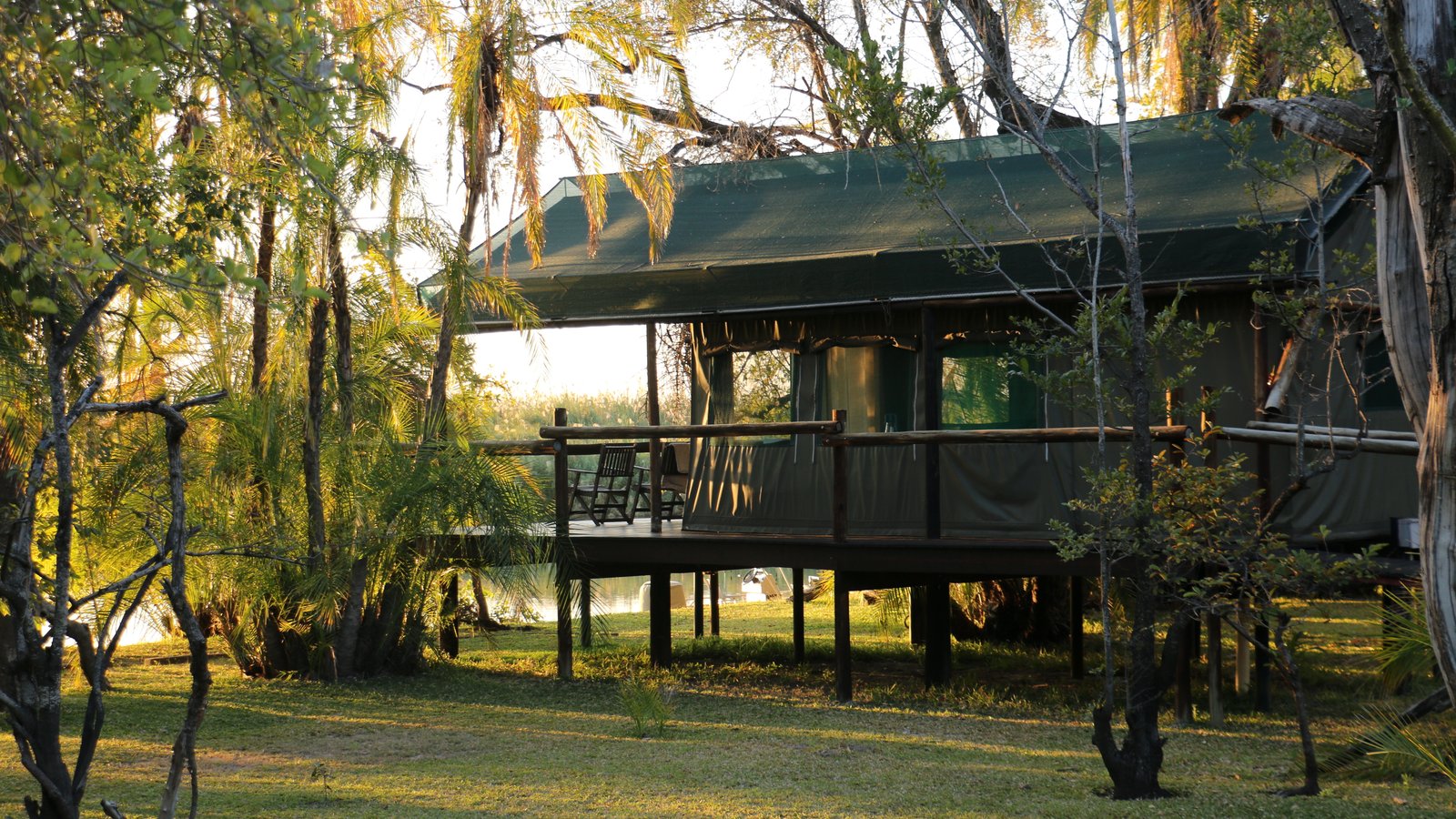
A safari is a small-group or private guided trip that visits one or more wildlife reserves in southern or eastern Africa, drives out into the bush each morning and sometimes evening to see animals, and stays at high-end lodges between drives. The countries that matter for first-timers are Botswana, Kenya, Tanzania, Namibia, and South Africa. Zambia, Zimbabwe, Rwanda (mountain gorillas), and Uganda are also serious, but they are not first-time picks.
The industry’s pricing bands:
- Mid-range safari (good lodges, group departures): $6,000 to $9,000 per person for 7 to 10 days, not including international airfare
- Premium safari (private vehicles, top-tier operators): $10,000 to $15,000 per person for 7 to 10 days
- High-end safari (private conservancy, ultra-luxury tented camps): $15,000 to $25,000+ per person for 9 to 12 days
These are real numbers. Airfare from the US adds $1,500 to $2,800 round trip. Park and conservation fees add another $200 to $600 per traveler, depending on the country and reserve.
Where to go: the country shortlist
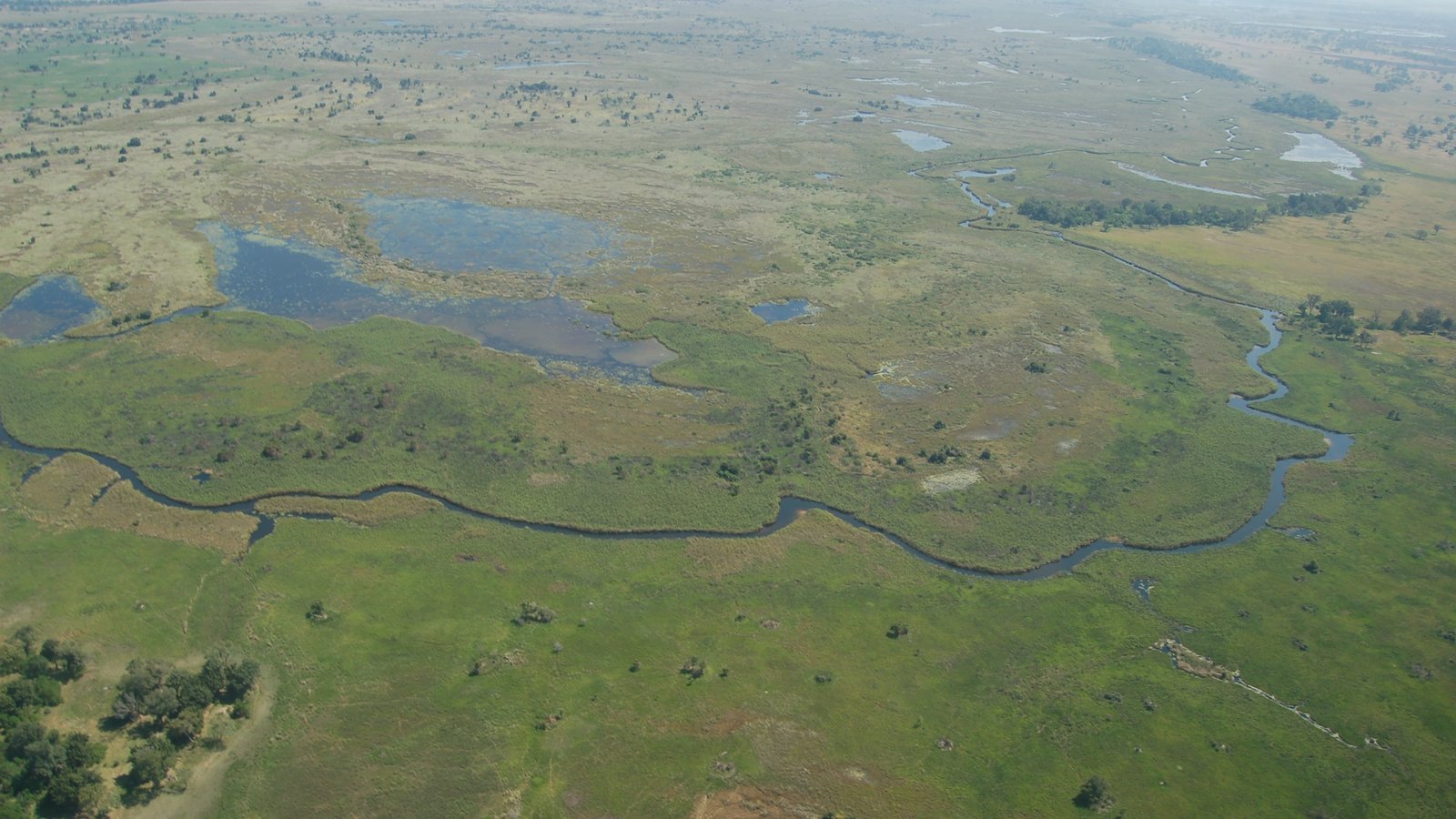
Botswana. The strongest first-time safari destination. The Okavango Delta is a setting you won’t see elsewhere (an inland river delta the size of a small country), the Moremi and Chobe reserves have the densest wildlife in southern Africa, and the country has the strictest low-volume tourism policy in Africa. You see fewer vehicles per lion sighting than anywhere else. Botswana is the right answer if you have $12,000 per person and want the safari experience most articles talk about.
Botswana is the right answer for first-time safari travelers who want the version of the safari most articles describe. The Okavango Delta is the headline: an inland river delta the size of a small country, with water channels that flood seasonally and concentrate wildlife at the edges. The Moremi and Chobe reserves have the densest wildlife in southern Africa, and Botswana’s strict low-volume tourism policy means fewer vehicles per lion sighting than anywhere else on the continent. Botswana rewards travelers who pick the right camps and who accept that the price point ($12,000 per person and up) reflects the country’s commitment to keeping the experience uncrowded. The combination of water and wildlife is unique to the Delta and the reason Botswana sits at the top of most safari shortlists.
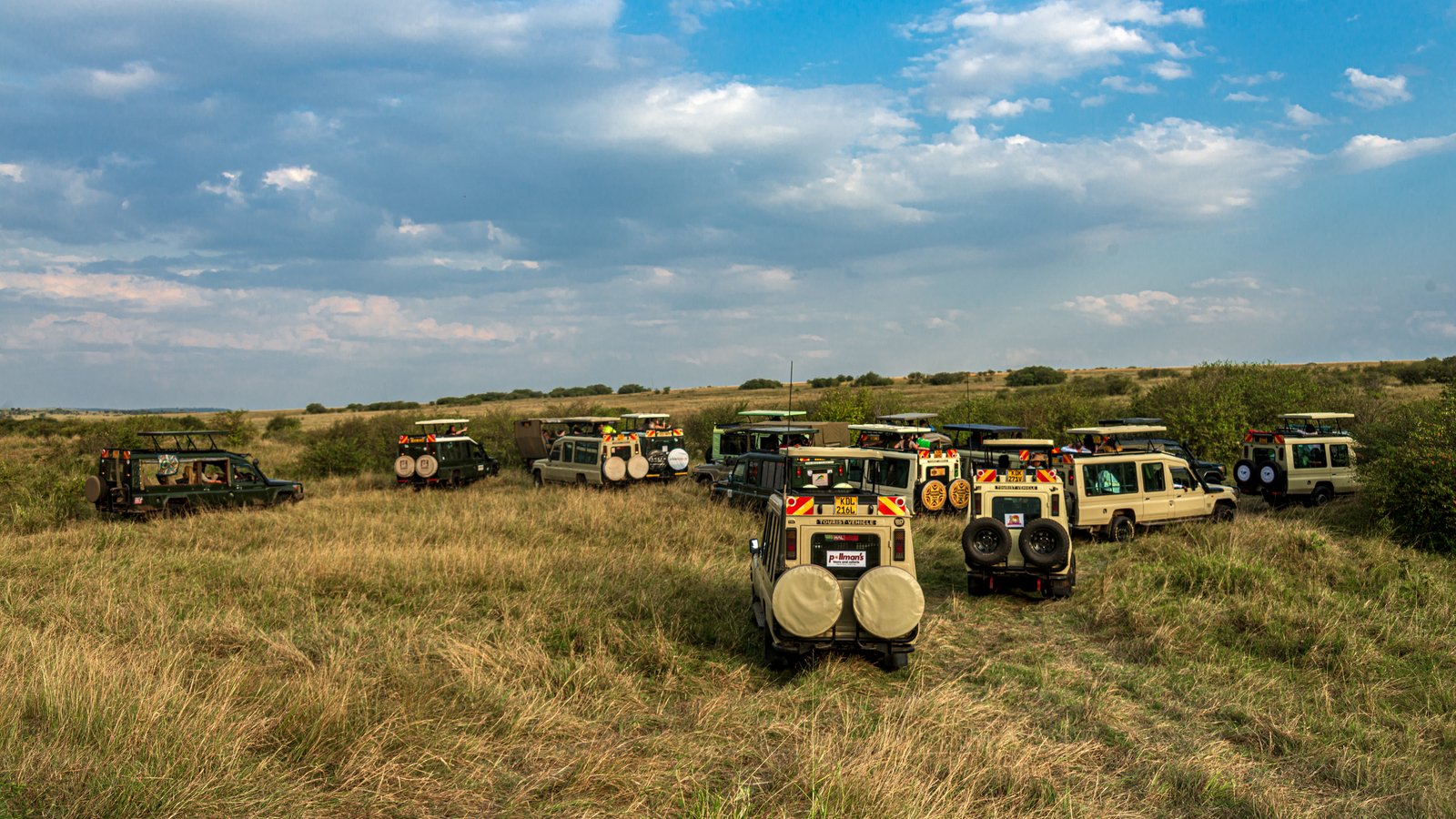
Kenya. The classic safari destination, and for good reason. The Maasai Mara has the largest concentration of big cats in Africa and the August-to-October Great Migration crossings are real. Kenya is more accessible (multiple direct flights from Europe) and has a wider range of operators and price points than Botswana. The downside is the Mara gets crowded in peak season; picking the right reserve and the right time of year matters more in Kenya than anywhere else.
Kenya is the right answer for travelers who want a classic safari with strong accessibility and a wide range of price points. The Maasai Mara has the largest concentration of big cats in Africa, and the August-to-October Great Migration river crossings are a real event worth planning around. Kenya is more accessible than Botswana (multiple direct flights from Europe) and has a wider range of operators. The downside is the Mara gets crowded in peak season; picking the right reserve and the right time of year matters more in Kenya than anywhere else. Kenya rewards travelers who book early and who pick a conservancy outside the main reserve for a quieter experience.
Tanzania. The Serengeti is the world’s most famous safari landscape and the Great Migration spends about half the year in the southern Serengeti. The Ngorongoro Crater is a unique wildlife environment. Tanzania is more logistically complex than Kenya (less infrastructure, fewer direct flights) and is often paired with a Zanzibar beach extension. For a 60-plus traveler, the combination trip is the right call: 6 to 8 days safari, 4 to 5 days Zanzibar.
Tanzania is the right answer for travelers who want the world’s most famous safari landscape. The Serengeti is the headline: the Great Migration spends about half the year in the southern Serengeti, and the open terrain is what makes Tanzania distinct from the wooded Botswana experience. The Ngorongoro Crater is a unique wildlife environment with one of the densest predator populations in Africa. Tanzania is more logistically complex than Kenya (less infrastructure, fewer direct flights) and is often paired with a Zanzibar beach extension. For a 60-plus traveler, the combination trip is the right call: 6 to 8 days safari, 4 to 5 days Zanzibar.

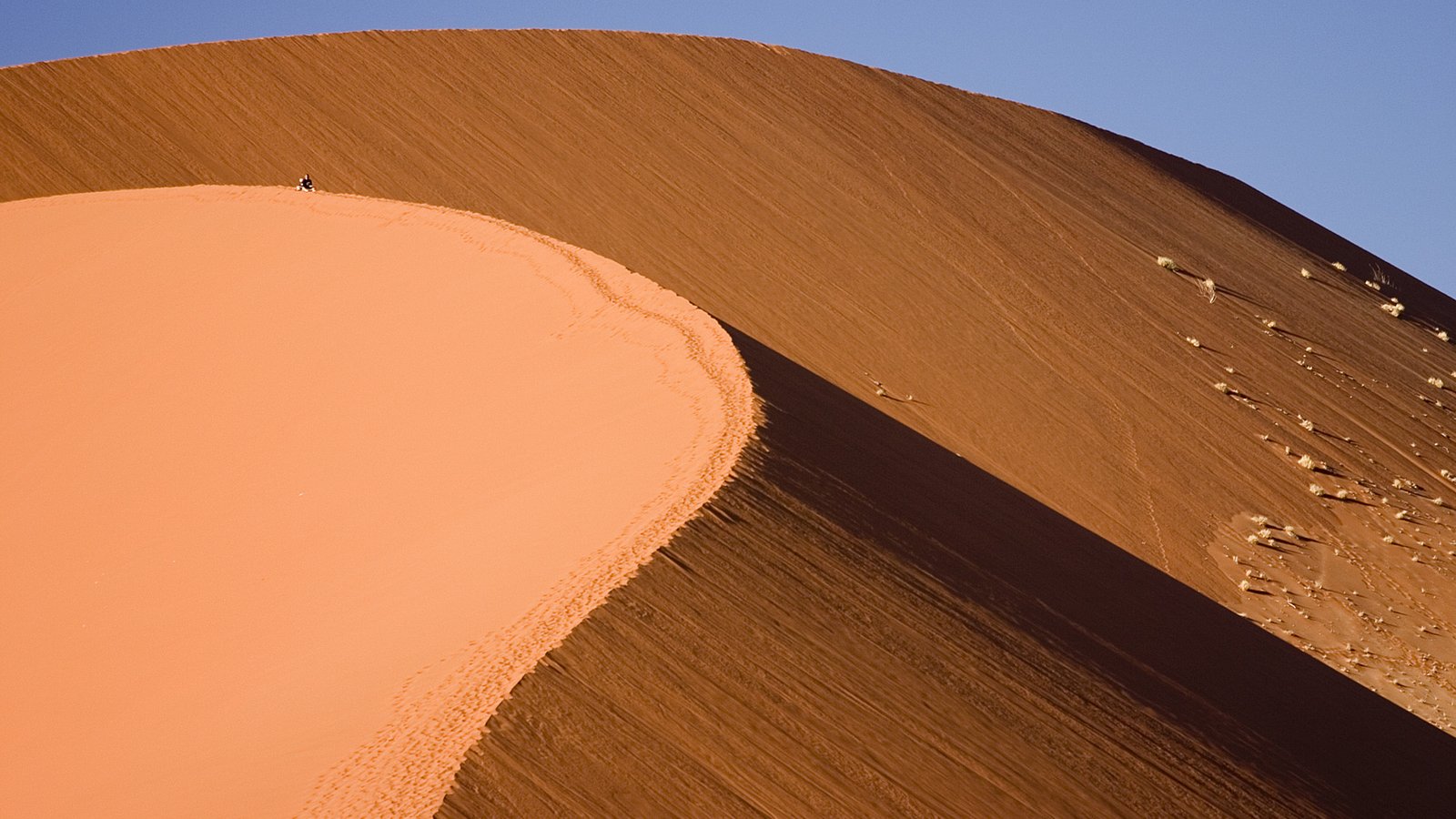
Namibia. Different from the others. Etosha National Park is the right place to see desert-adapted wildlife (elephants at waterholes, lions hunting in the pans, giraffes in groups of 20). Namibia adds a desert dimension to the trip: the dunes at Sossusvlei are world-class. For a traveler who wants something different from the standard safari image, Namibia is the right call.
Namibia is the right answer for travelers who want a different safari than the standard Kenya and Botswana circuit. Etosha National Park is the headline: desert-adapted wildlife including elephants at waterholes, lions hunting in the pans, and giraffes in groups of 20. Namibia adds a desert dimension to the trip that the other countries don’t: the dunes at Sossusvlei are world-class, and the skeleton coast and Damaraland reward travelers who add a few extra days. For a traveler who has already done the standard safari image or who wants something different from the start, Namibia is the right call. Self-drive is feasible here in a way it isn’t in Botswana.
South Africa. The Kruger National Park is the easiest safari experience in Africa (self-drive, well-priced, lots of options) but also the most touristic. The private reserves attached to Kruger (Sabi Sabi, Singita, Londolozi) are first-class but expensive. South Africa pairs well with a Cape Town or Garden Route extension.
South Africa is the right answer for travelers who want the easiest safari experience in Africa, or who want a safari-plus-Cape-Town combination. The Kruger National Park is the headline: self-drive is feasible, prices are lower than Botswana, and the wildlife density is strong. The downside is Kruger gets crowded; the private reserves attached to Kruger (Sabi Sabi, Singita, Londolozi) are first-class but expensive. South Africa pairs well with a Cape Town or Garden Route extension, which makes it the right answer for travelers who want safari plus city in one trip. For a first safari on a tighter budget, the Kruger public-park version is the most accessible entry point.

Physical demands, honestly
The 60-plus traveler needs to understand what a safari day actually involves:
Early mornings. Game drives typically leave at 5:30 to 6:00 a.m. to catch the animals before the heat. Most travelers are up by 4:45. This is the hardest part of safari physically, not the driving. If your sleep is brittle, safari is a 14-day endurance test, not a vacation.
Bumpy roads. Game vehicles (especially in Botswana and parts of Kenya and Tanzania) drive on unpaved roads that are rated as “washboard.” Most travelers find the morning drives thrilling, not uncomfortable, but travelers with back or hip issues should ask the operator about vehicle specifics. The good operators use customized Land Cruisers with shock-absorbing seats; the mid-range operators use vehicles where the suspension is older.
Heat. Safari is in summer for southern Africa (the dry season is May to October, which is also winter for them). Daytime temperatures are 70F to 85F. East Africa has higher humidity. Mornings and evenings are cold in some reserves (especially South Africa in June and July). Pack layers.
Long days. A safari day is 12 hours from wake-up to sleep. There is no afternoon down time like a beach trip. Mornings are drives, mid-day is lunch and rest at the lodge, afternoons are afternoon drives (sometimes walking or river-based), and evenings are sundowners and dinner. Travelers expecting relaxation need to reset expectations: safari is active.
Walking. Most safari operators offer optional walking safaris in addition to the drives. The good walks are with a guide and an armed ranger, with the animals at a respectful distance. Walks are not required; most 60-plus travelers skip them. If you have strong mobility concerns, walking is the part to drop.
What you see on safari
A first-time safari generally includes:
- Lions: high likelihood, but you may see only 1 to 3 sightings in a week depending on the reserve
- Elephants: very likely, especially in Botswana and Chobe
- Leopards: low likelihood; leopards are the hardest big cat to see
- Cheetah: depends on the reserve; some places (Serengeti, Maasai Mara) have them, others don’t
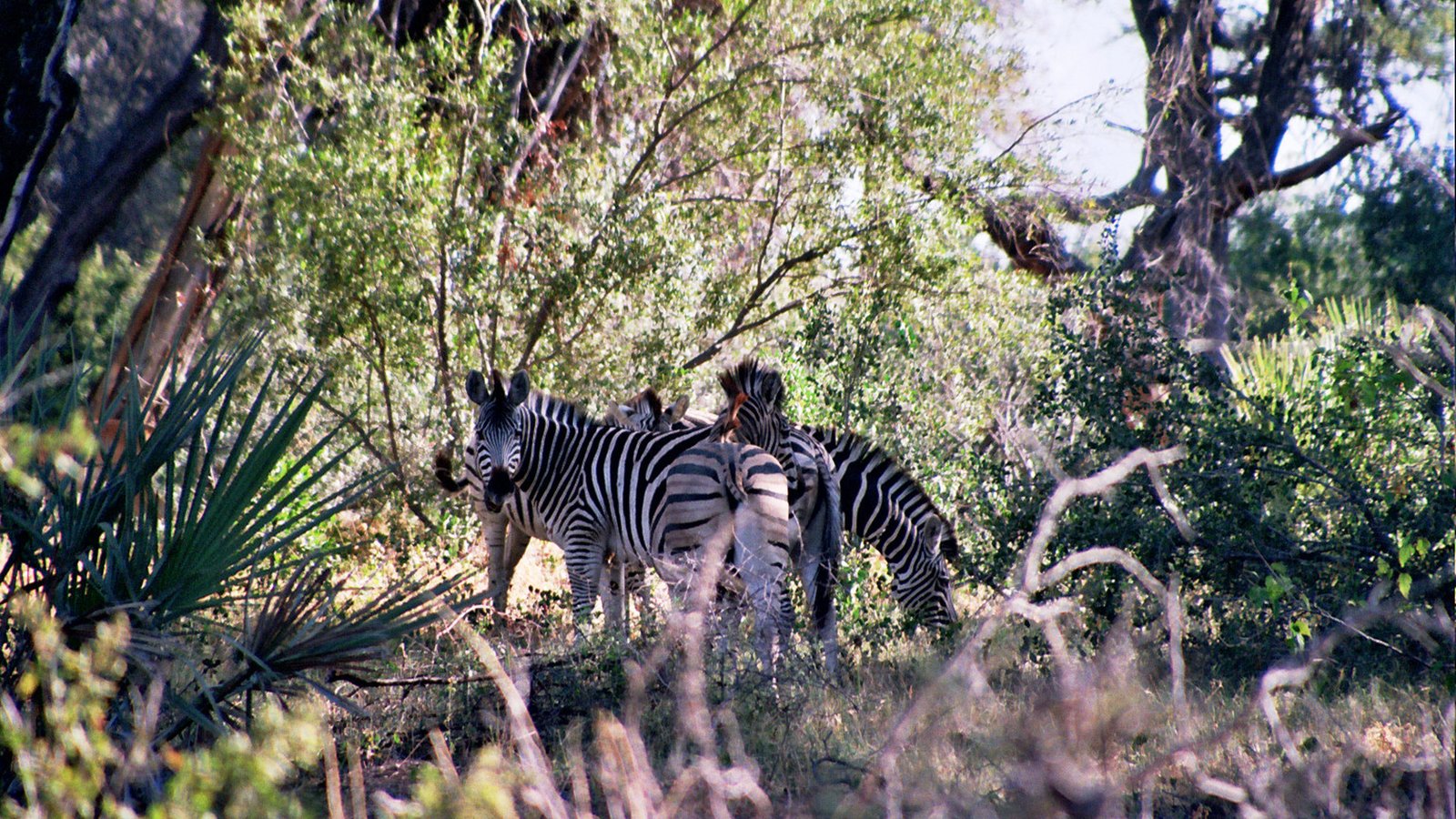
- Buffalo, giraffe, zebra, wildebeest: nearly certain
- Hippo, crocodile: very likely on any reserve with water
- Birdlife: extraordinary; even non-birders find it engaging
A common safari disappointment is that the animals don’t show up on cue. The right mental model is: a wildlife documentary is 200 hours of footage edited to put on the screen the best of the best. Your weeklong safari is the equivalent of maybe 30 minutes of that footage. The Big Five over a week is realistic. Predator action is not.

The two operators worth comparing for first-timers
Micato Safaris
Family-run since 1966. Higher-end of the spectrum ($10,000 to $20,000 per person for 9 to 12 days). Micato’s strength is depth: longer stays at fewer camps, with private guides and shared vehicles that never have more than six guests. They donate a portion of revenue to a South African education nonprofit, which factors into how they market themselves and which is a genuine thing. Micato is the right answer if budget is less of a constraint and you want the longer, more thorough safari experience.
Verify before booking: Current Micato itinerary offerings (they keep a smaller set of well-curated trips), 2026/2027 departure dates, and current pricing via website. Micato is currently accepting bookings as of Summer 2026.
&Beyond
South African group, founded 1991, operator of premium private reserves. &Beyond runs the most upscale safari product at the price band most travelers consider (their average safari is in the $12,000 to $18,000 per person range). They also operate luxury African beach lodges (Mozambique, Zanzibar). &Beyond’s strength is the combination trip: a 9-day Botswana or Tanzania safari plus a 4-day Mozambique or Zanzibar beach extension packaged together at a price lower than booking separately.
Verify before booking: Current &Beyond portfolio of private reserves and partner camps, current departure windows, and any specific health or safety advisories on their country of interest via the operator’s pre-departure information.
Both operators work with small groups (typically 6 to 12 guests) and use expert-level guides. Both have been operating for decades and have weathered the industry’s operational disruptions. For travelers who are flexible on dates and want to lock in a year out, both have early-booking incentives worth asking about.
What a safari typically costs
For a 9-day Botswana or Kenya safari with one of the two operators above, expect:
- Land (safari portion only): $10,000 to $15,000 per person
- International airfare (round trip from US): $1,500 to $2,800 per person
- Park and conservation fees: $300 to $600 per person
- Travel insurance with safari medical coverage: $200 to $400 per person
- Tipping (driver-guides, camp staff): budget $400 to $600 per person for the trip
Total realistic budget for a first-rate 9-day safari: $13,000 to $20,000 per person, all-in.
That is a real number. A safari is not a budget destination. Travelers who have done the math and decided this is the right trip for them will find the experience worth the price. Travelers who haven’t should not let themselves be pushed into it by glossy brochures.
What to skip
“Big Five in 4 days” itineraries. Anything sold as a fast safari is cutting corners. The animals move at their pace, not yours. A 9 to 12 day itinerary is the right length for a real first safari. 4-day packages are not.
Self-drive safaris without a guide. Some South Africa parks (Kruger specifically) allow self-drive, and the brochures make it look easy. It is doable but the guide is the difference between a mediocre experience and a transformative one. A guided vehicle with a knowledgeable tracker covers more ground, finds animals faster, and reads situations humans miss.
Mid-range budget operators that compress 6 days into a $4,500 per person package. These exist. They are not a good first safari. Either budget for one of the serious operators or save the trip for another year.
“Free upgrade” pitches and “discounted” itinerary pricing. Safari pricing is real. If the discount is significant, the itinerary was either padded to absorb it or the operator is making it up to fill a departure. Book at published pricing or skip.
The bottom line
Pick Kenya if you want accessibility and the Great Migration. Pick Botswana if budget allows and you want the highest-density, low-volume safari. Add a beach extension (Zanzibar, Mozambique, or the Cape) if the trip is 12+ days. Go with Micato or &Beyond for the operator. Go in the dry season (May to October for southern Africa, June to October for Kenya and Tanzania). Book 9 to 12 months out for the best lodge availability.
A first safari is one of the few trips in life that genuinely earns the rare-trip framing. Worth planning carefully; worth the cost; worth the early mornings; worth the trip.
Micato Safaris on the official site · &Beyond on the official site
This article is currently under review for affiliate program partnerships with Micato Safaris and &Beyond. Both are referenced by name and editorial recommendation; the article does not currently include active affiliate links to either. Our editorial recommendations are independent of affiliate relationships. See our affiliate disclosure for details.
Research note: Safari pricing varies by season, by lodge, and by booking window. Verify current pricing and departure calendars on each operator’s booking page at planning time. Specific reserves, lodge properties, and guide rosters change over multi-year horizons. Botswana, Kenya, and Tanzania are politically stable destinations for safari tourism in Summer 2026; verify current travel advisories on official US State Department or equivalent government sources before booking. Wildlife sightings are not guaranteed; the article describes typical outcomes, not certain ones.