Costa Rica rewards active travelers and is built for the 60-plus demographic in ways most people don’t realize. The country has invested heavily in ecotourism infrastructure, the wildlife density is unmatched in the Americas, and the activity options range from “easy morning hike” to Class IV whitewater. You pick your level.
The mistake most first-timers make is booking the wrong level. They sign up for a 16-year-old’s version of “adventure travel” and spend the trip trying to keep up. That is not the trip you want. Costa Rica rewards the right pace.
This guide covers what “active” actually means at 60-plus, what to expect physically, the best time to go, which operators run the strongest small-group active tours, and what to skip.
Browse Costa Rica active tours on Viator · Browse on GetYourGuide
What “active” actually means in Costa Rica
Costa Rica active tours fall into three rough tiers based on daily physical demand.
Easy active: 2 to 4 hours of walking per day, mostly flat or modest elevation gain (under 500 feet per day), well-maintained trails, options to skip any given day’s activity. This is what most 60-plus travelers actually want, regardless of how fit they are. The morning is the active portion; the afternoon is a hammock, a beach, or a wildlife boat ride.
Moderate active: 4 to 6 hours of walking per day, more elevation gain (500 to 1,500 feet), some uneven terrain, full days of activity. This is the real-deal option for travelers who hike at home and want to feel like they earned the trip.
Strenuous active: 6+ hours of walking per day, significant elevation (1,500+ feet), technical terrain, multi-day segments. This is for experienced hikers. At 60-plus, this is rarely the right choice unless you are an active hiker who already does 8- to 10-mile days with 2,000 feet of gain.
Most small-group Costa Rica tours marketed to 50-plus travelers are in the easy-active tier with the option to upgrade to moderate days. The 16-year-olds’ tours marketed as “adventure” are typically moderate to strenuous. Read the daily mileage carefully before booking.
The Costa Rica active experience, day by day
A typical 8 to 10 day Costa Rica active tour covers three regions:
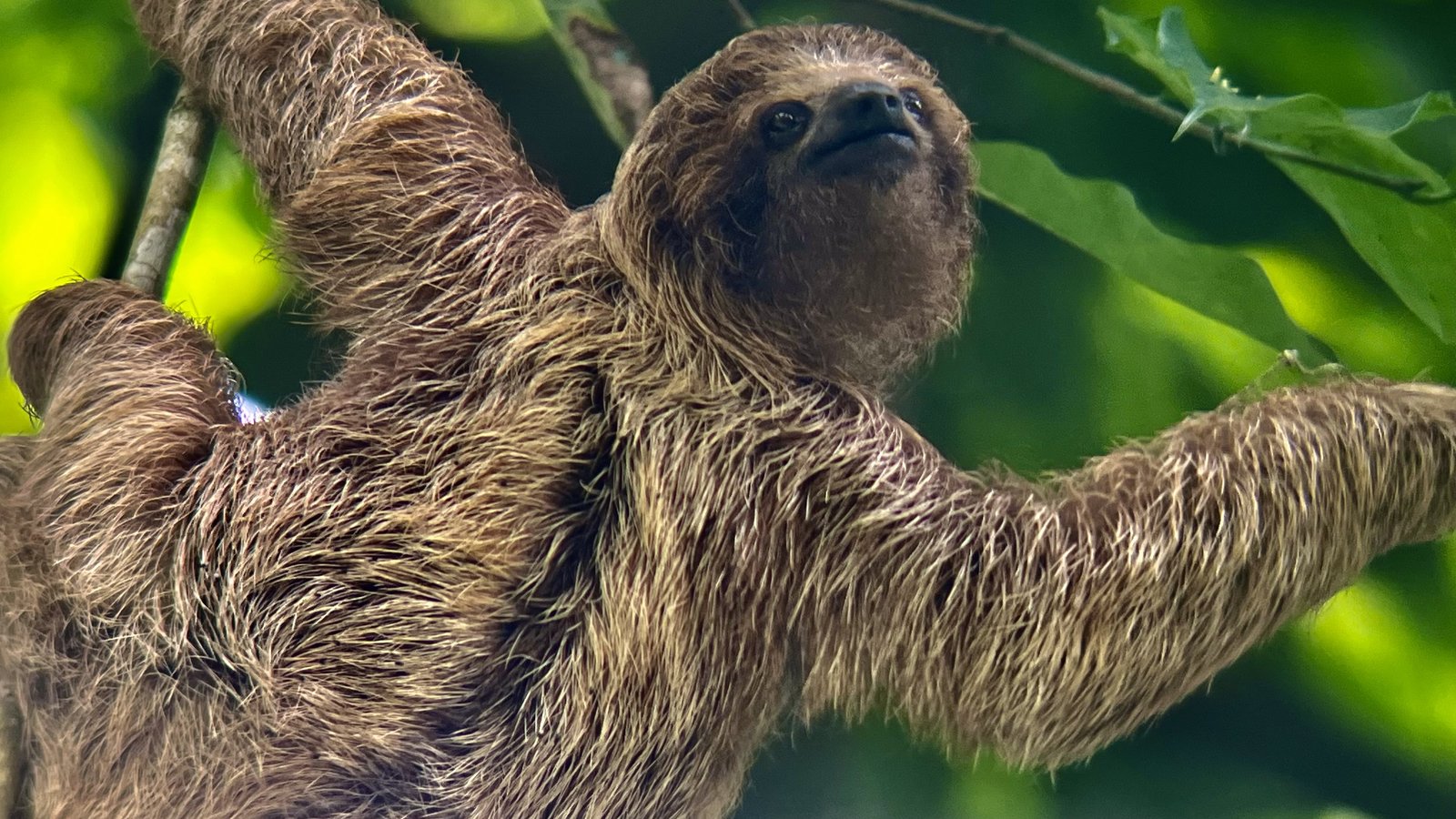
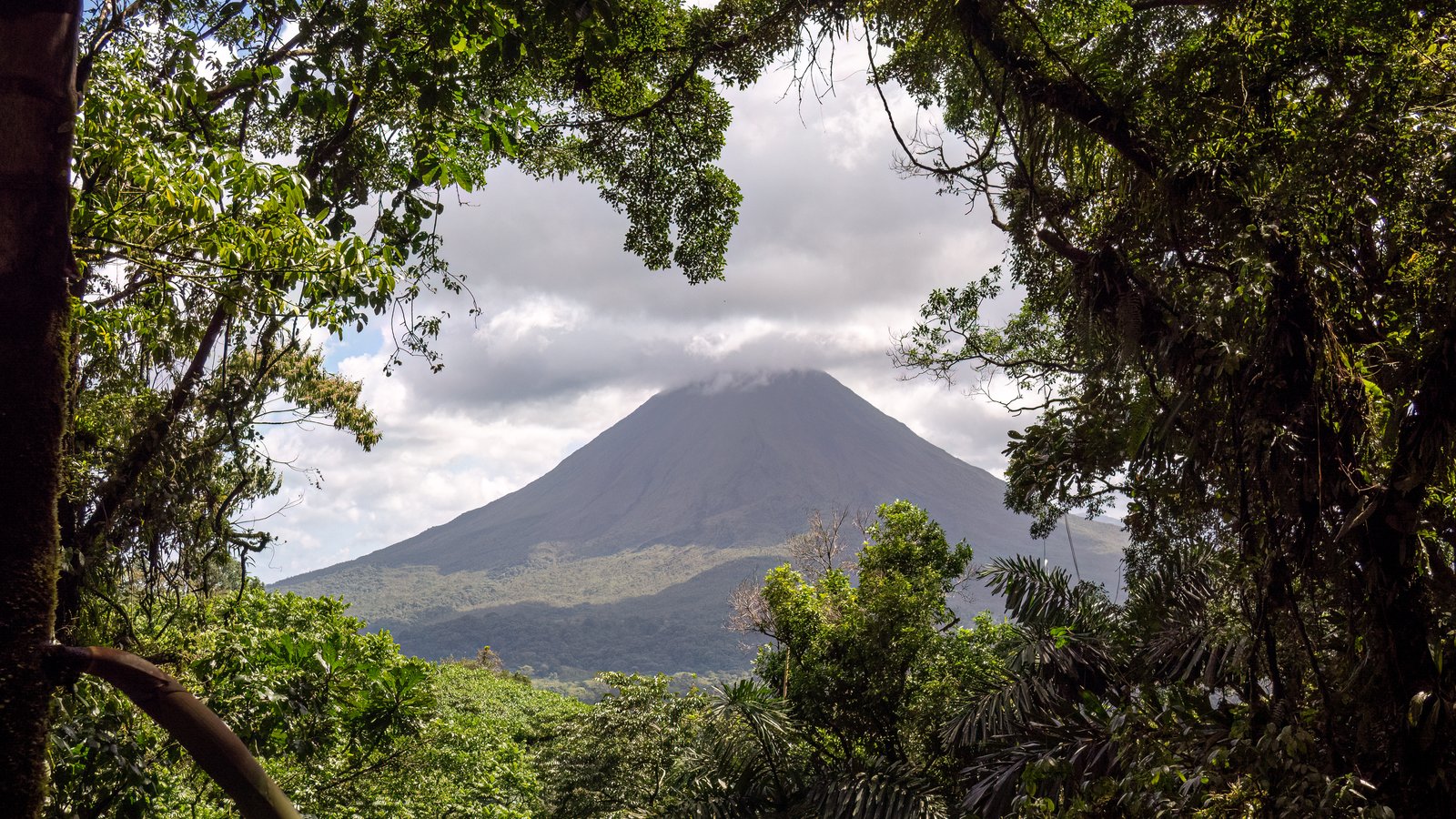
Arenal Volcano region. Hot springs (the natural ones, not the commercial resort), hanging bridges through the rainforest canopy, moderate waterfall hikes, and the best sloth-spotting in the country. Arenal is the default first stop on most tours because it has the densest wildlife and the widest range of activity options. The hanging bridges walk is the highlight: 3+ kilometers of suspended walkways through the upper canopy, often 30 to 60 meters above the forest floor.
The Arenal Volcano region is the right first stop on a Costa Rica active trip, and most tours anchor here for 2 to 3 nights. The hanging bridges walk is the headline activity: 3+ kilometers of suspended walkways through the upper canopy, often 30 to 60 meters above the forest floor, with the best sloth- and bird-spotting in the country. The natural hot springs in the area are a real reward at the end of an active day, and the moderate waterfall hikes are the right shape for travelers who want activity without aggressive elevation gain. Arenal works as the warm-up to a Costa Rica trip: active but not the hardest day, and a strong introduction to the country’s wildlife.
Monteverde Cloud Forest. Cooler, higher elevation (around 1,400 meters), cloud forest rather than rainforest. Monteverde is a smaller reserve than Arenal but the bird density is higher. The reserve walk is typically 2 to 3 hours, mostly flat on maintained trails. Optional activities include night walks (guided tours looking for nocturnal wildlife), zip-lining, and birding-specific walks.
Monteverde Cloud Forest is the right second stop on a Costa Rica active trip, and the cooler high-elevation weather is a deliberate change of pace from Arenal. The reserve walk itself is 2 to 3 hours on mostly flat maintained trails, and the bird density is the highest in the country. Optional activities on top of the reserve walk include guided night walks looking for nocturnal wildlife, zip-lining, and birding-specific walks with a local guide. Monteverde works as a 2-night stop that gives travelers the cloud forest without committing to a long drive. Pairing it with Arenal makes the active trip feel varied: rainforest and volcano first, cloud forest second.

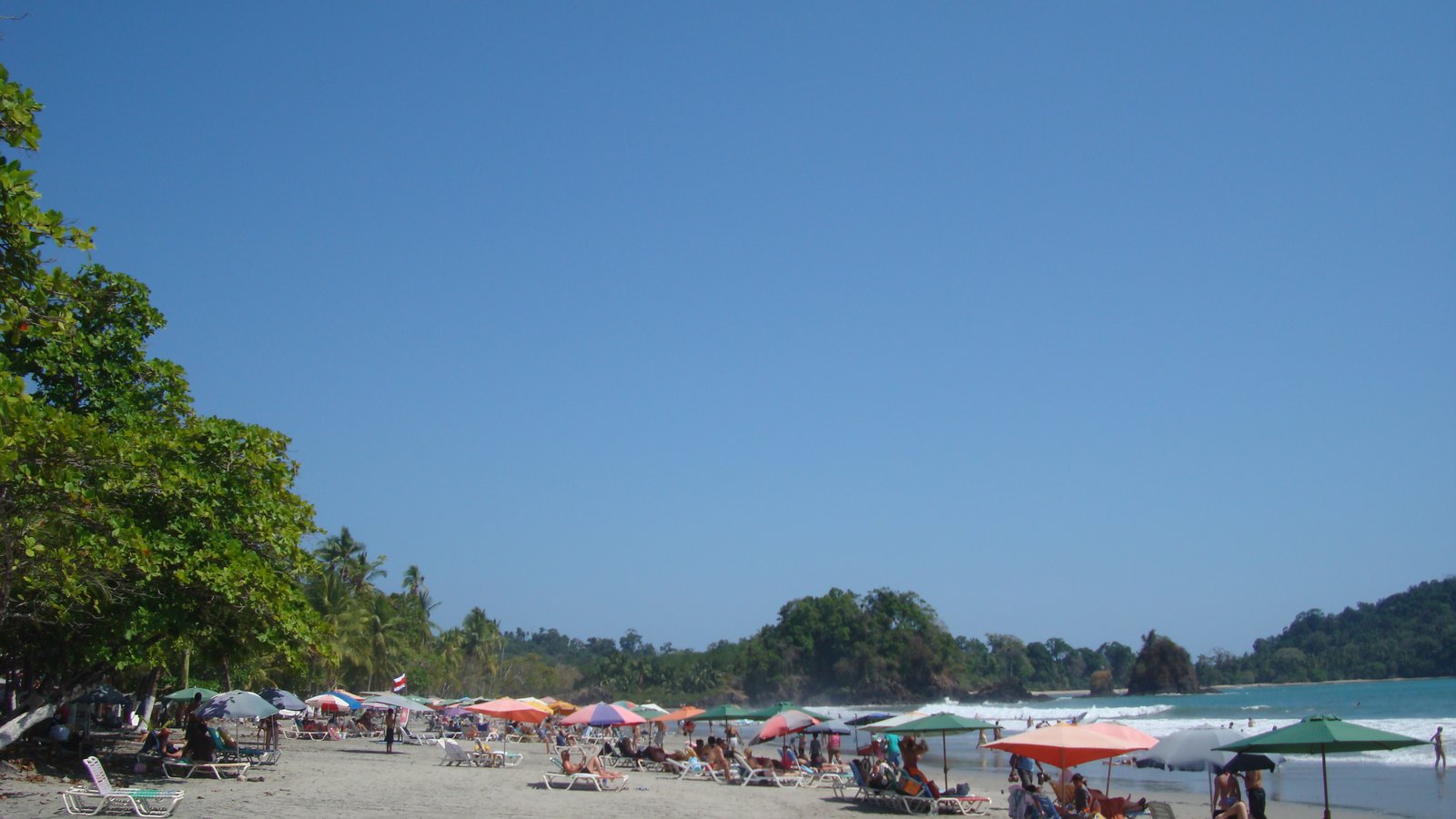
Pacific coast (Manuel Antonio or Osa Peninsula). Beach time combined with wildlife walks in national parks. Manuel Antonio is the more developed option (smaller park, easier access, more crowded); the Osa Peninsula (Corcovado) is the more remote option (larger park, more diverse wildlife, harder to reach). Most tours include 2 to 3 nights on one of these coasts.
The Pacific coast is the right closer for a Costa Rica active trip, and the choice between Manuel Antonio and the Osa Peninsula shapes the last 2 to 3 nights of the trip. Manuel Antonio is the more developed option: a smaller national park, easier access from San Jose, and the famous Main Beach within the park. The Osa Peninsula (Corcovado) is the more remote option: a much larger park, more diverse wildlife, and harder to reach, with the trade being a more genuine wilderness experience. Most tours pick one or the other rather than both. Manuel Antonio suits travelers who want the coast plus a national park within a short transfer; the Osa suits travelers who want remoteness and the strongest wildlife day-walks.
Some tours also include the Caribbean coast (Puerto Viejo / Cahuita) or the central highlands (La Paz Waterfall Gardens). These are optional extensions; the Arenal-Monteverde-Pacific route is the canonical Costa Rica experience.
Physical demands in plain language
The honest physical profile of a standard easy-active Costa Rica tour:
- Daily walking: 2 to 5 miles on most days. Some days are less (boat days, hot-springs days). A few days may be 6 to 8 miles if you opt into the longer hikes.
- Elevation: Most of the country is at low elevation. Monteverde sits at 1,400 meters (4,600 feet) which can feel the altitude for travelers coming from sea level. Arenal hikes can reach 500 to 800 meters of gain.
- Terrain: Wet rainforest trails are slippery. Boardwalks and hanging bridges are smooth. River crossings are waist-deep at most on standard excursions. Most operators provide walking sticks.
- Climate: Hot and humid at low elevation, cooler at higher elevation. Rain is possible year-round; expect a short tropical downpour at some point most days.
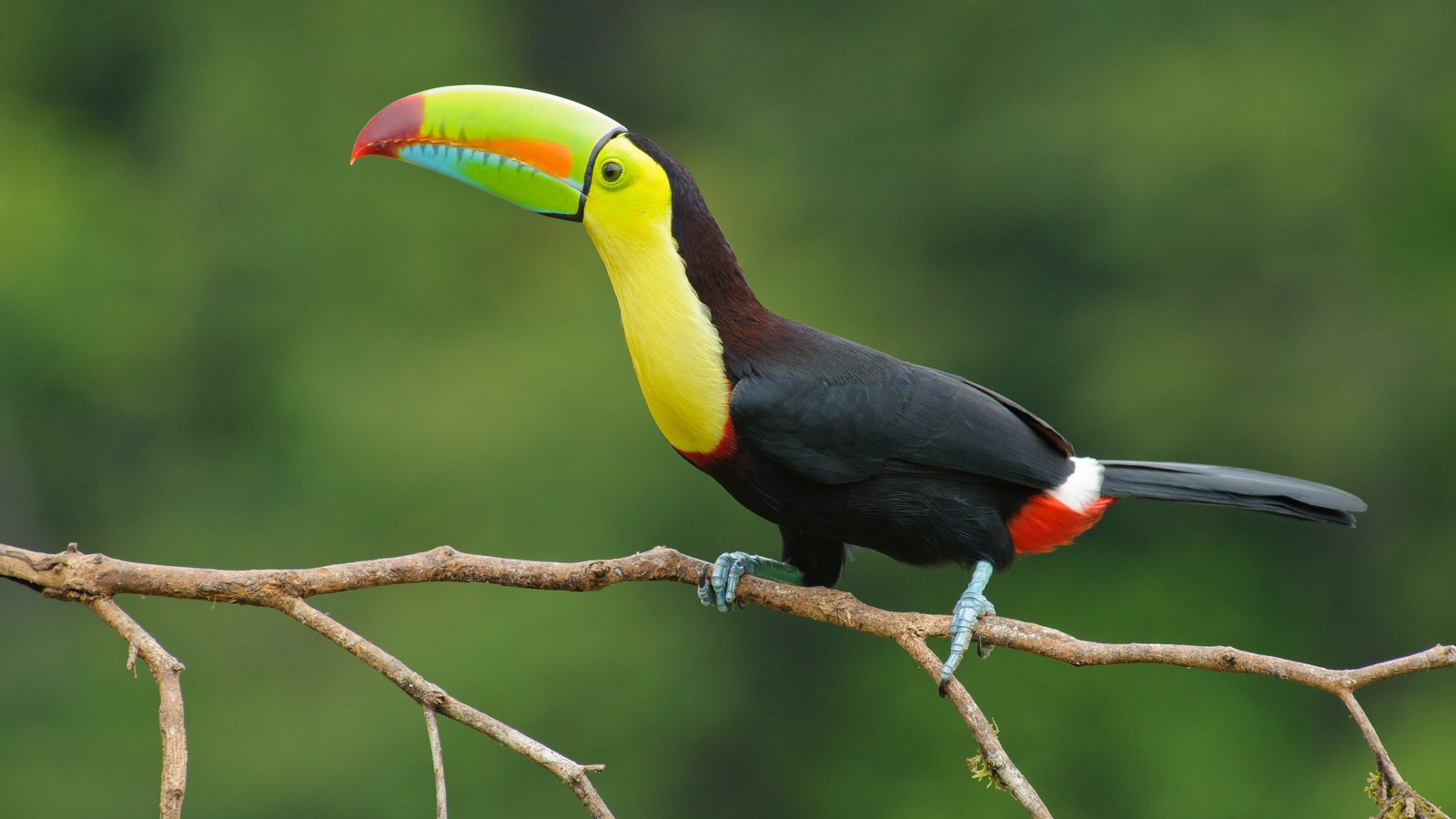
- Animals: Costa Rica has sloths, toucans, monkeys (capuchin and howler), coatis, agoutis, anteaters if lucky, and a remarkable variety of birds and frogs. You will see wildlife. The tours that include a dedicated naturalist guide are dramatically better than the ones without.
For travelers at 60-plus, the limiting factor is usually the heat and humidity more than the trail distance. Costa Rica at lower elevations stays in the high 80s F with high humidity year-round. Pace yourself, hydrate aggressively, and plan to take afternoons slow.
The best time to go
Costa Rica has two seasons:
Dry season (December to April). Called verano locally. Less rain, especially on the Pacific side. Higher prices, more crowds, better wildlife viewing because animals concentrate around water sources. December through March is the peak season. January through March are the driest, busiest, and most expensive.
Green season (May to November). Called invierno locally. More rain, especially September and October (the heaviest months). Lower prices, fewer crowds, lusher vegetation. Mornings are often clear; afternoons have rain. The Caribbean coast stays wet year-round.
For 60-plus travelers, the dry season is the right choice for the first visit. Less mud, more predictable daily activity schedules, better wildlife viewing. The shoulder months (late November, late April) are a good compromise: lower prices, fewer crowds, decent weather.
The operators worth comparing
For an active small-group tour in Costa Rica aimed at travelers over 60:
REI Adventures. REI’s Costa Rica itineraries are the best-fit for active 60-plus travelers. Their “Costa Rica Hiking” trip is rated “moderate” and focuses on Arenal, Monteverde, and the Pacific coast. Group size is typically 10 to 14. The guides are knowledgeable naturalists, not just tour leaders. Pricing is on the higher end (about $4,000 to $5,500 for 9 to 10 days, not including flights).
G Adventures. G Adventures has a wider range of Costa Rica tours, from easy-active “National Geographic Journeys” tours (more upscale, naturalist-led, smaller groups) to classic active itineraries at lower price points. Pricing ranges from $2,000 to $4,500 depending on tier. The classic-style tours are well-paced for active travelers.
Intrepid Travel. Intrepid’s “Costa Rica Quest” is an active itinerary with similar pacing to G Adventures. They also have a “Comfort” tier with upgraded accommodations. Pricing is in the $2,500 to $4,000 range.
Gate 1 Travel. Smaller operator than the big three, with a more upscale take. Their Costa Rica tours include a lot of the same sites as REI but with fewer group-size constraints. Worth comparing if you want a smaller-group experience.
What to skip
Three things that look essential but aren’t, or that are too strenuous for most 60-plus travelers:
Class IV whitewater rafting. Costa Rica has some of the best whitewater in Central America. The Pacuare and Reventazón rivers have Class III and IV sections. The Class IV sections require good swimming ability, comfort with being thrown from the raft, and a tolerance for cold water. Most 60-plus travelers should stick to Class II or III sections, which are still exciting but safer. If a tour markets “world-class whitewater” prominently, that’s a red flag for your demographic.
Multi-day backcountry treks. Costa Rica has some genuine multi-day backcountry experiences (Cerro Chirripó, the highest peak, is a 2-day trek with altitude). These are 60-plus unfriendly for most travelers due to altitude, weather exposure, and camp-style accommodations. Skip unless you are an experienced trekker.
Tortuguero 3-day extensions. Tortuguero National Park (Caribbean side) is famous for sea turtle nesting. The park itself is worth visiting. The way most tours get there is by boat through canals, which is genuinely beautiful. The 3-day extensions are often weather-dependent and the lodging is rustic. If you’re going specifically for turtles, do it; if you’re going for the overall Costa Rica experience, the extra 2 to 3 days are usually better spent on the Pacific coast.
What to bring
Four practical items most first-timers forget:
- Quick-dry hiking pants. Not jeans. The humidity and rain make jeans miserable. Quick-dry pants (any brand, $30 to $60) dry overnight and stay comfortable.
- Water shoes or sport sandals. Many of the activities involve water crossings or wet landings. Closed hiking shoes stay wet for days.
- Binoculars. A real pair, not the cheap ones. Costa Rica’s bird density is exceptional and you will see far more with binoculars.
- A light rain shell. Not the heavy hiking jacket. The rain is warm. A $50 packable rain shell is enough.
The bottom line
Costa Rica is the best active-vacation destination for travelers over 60 who want wildlife, hiking, and variety without extreme physical demand. The country rewards the right pace.
Pick the easy-active tier. Use REI Adventures or G Adventures’ National Geographic tier. Travel in the dry season (January through March). Take the long hikes where you can and skip them where you want.
You will see wildlife you have never seen anywhere else. You will eat better than you expected. You will be back.
Browse Costa Rica active tours on Viator · Browse on GetYourGuide
This article contains affiliate links to Viator and GetYourGuide. If you book through these links, we may earn a commission at no extra cost to you. Our editorial recommendations are independent of affiliate relationships. See our affiliate disclosure for details.
Research note: REI Adventures and G Adventures Costa Rica itinerary specifics should be verified directly with each operator before publication. Dry vs green season dates vary by region of Costa Rica. Class ratings for whitewater rafting follow the International Scale of River Difficulty. SINAC sets national park entrance fees that can change annually.