Most “best wine regions” lists open with Napa, Tuscany, and Bordeaux, then run out of ideas around entry five. They are not wrong about those three; they are right. But they are not the regions where the travel itself feels new. They are the regions you can experience from a tour bus.
This list is different. These are the wine regions where wine is woven into how you move through the day. You walk the terraces. You stay in the cellars. You eat what grows beside the vines. The wine is the spine; the rest of the trip builds around it.
Browse wine tours on Viator · Browse food and wine tours on GetYourGuide
How to use this list
Skip the regions that don’t speak to what you want. A Burgundy walking trip is not for everyone. A Douro river cruise requires a different budget than Tokaj. The 10 regions below were chosen because each offers a distinct wine-as-travel experience, not because they sell the most bottles.
If you only pick one from this list, pick the one that matches how you actually like to travel.
1. Burgundy, France
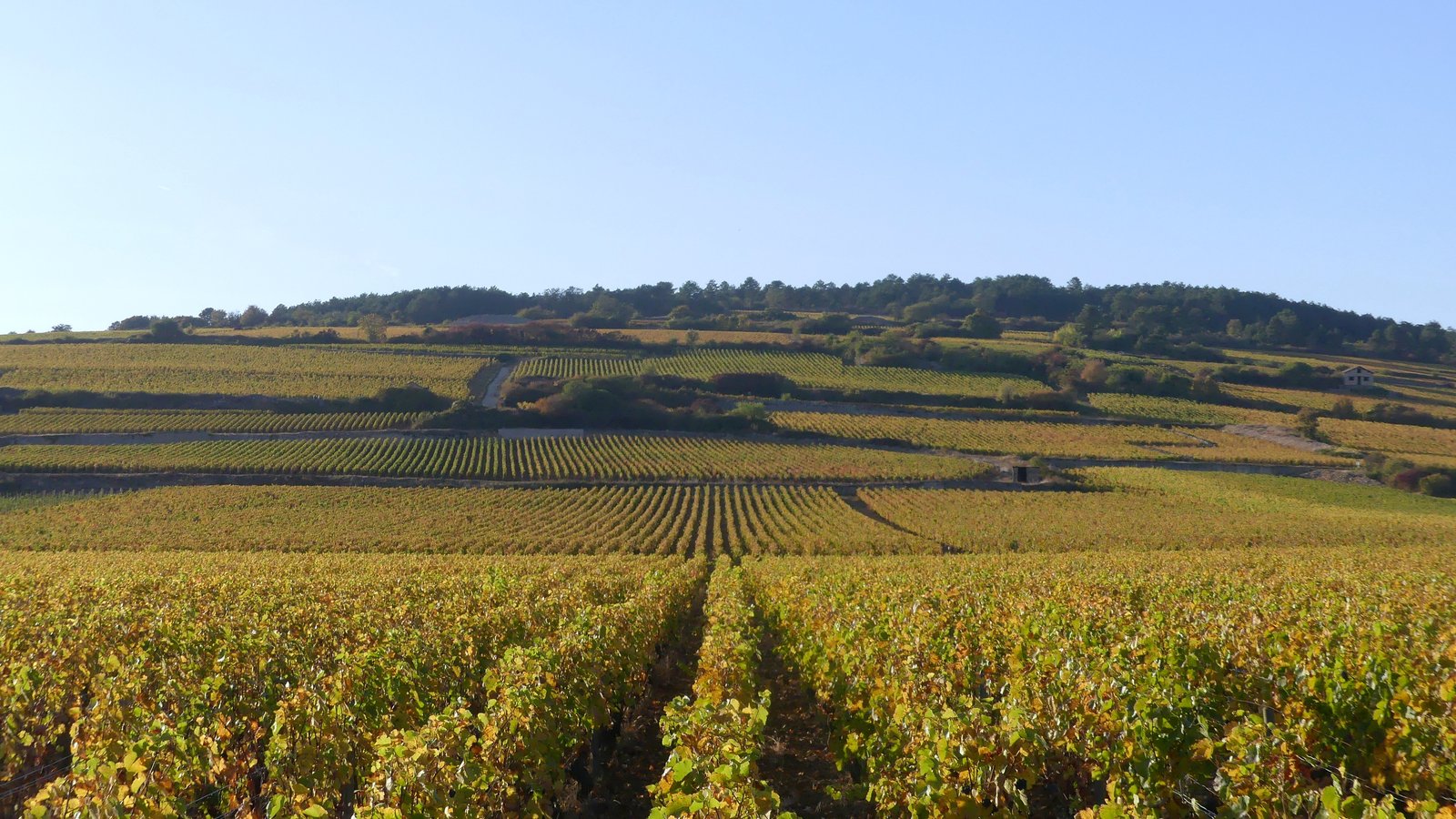
Burgundy is the region to know if you take wine seriously. Pinot noir from the Cote de Nuits, chardonnay from the Cote de Beaune, aligote and gamay from the Macon and Beaujolais: these are the reference points every other region is measured against. The region is small enough that you can drive it in a week and walk it in two.
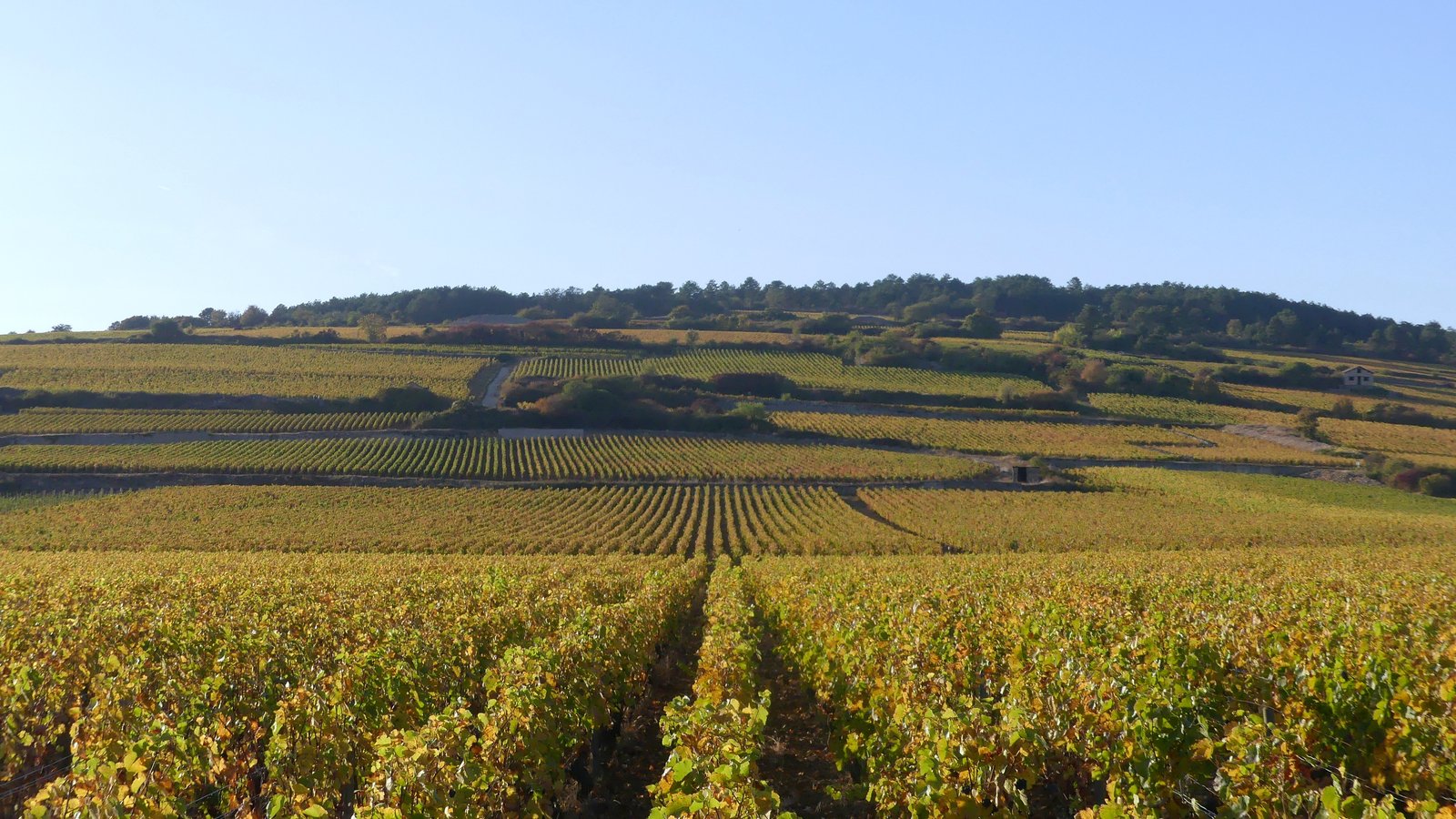
The travel experience. Walking tours through the Cote de Beaune vineyards from Beaune to Meursault, Puligny-Montrachet, and Chassagne-Montrachet. Independent operators like La Clemencerie and Burgundy by Bike run 5- to 7-day self-guided walking itineraries that include pre-booked tastings at small domaines (most of which do not take walk-ins). You stay in Beaune or surrounding villages and walk 8 to 12 miles a day along vineyard paths.
When to go. Late September through mid-October for the harvest. The vineyards are alive, the vendangeurs are working, the cellars smell of new ferment. May and June are quieter with green-leaf views. Avoid August (vacances francaises; many domaines close).
What to skip. Beaune’s Hospice de Beaune wine auction is a major tourist draw. Worth going if you are there in late November, but skip if you have a fixed summer schedule.
Burgundy is at its strongest on a slow trip that lets a traveler move between Beaune, the Côte de Nuits, and the Côte de Beaune over 4 to 5 nights. Burgundy rewards travelers who pick a base town and use a local guide or self-drive loop to visit two or three domaine tastings per day. The Hospices de Beaune wine auction is a major tourist draw but not a tasting experience — skip it for the smaller producers. The region’s wines are not the easiest to find outside France, so buying at the source is the right play for travelers who collect.
2. Douro Valley, Portugal
The Douro is the oldest demarcated wine region in the world (1756) and looks like nowhere else. Terraces climb out of the river gorge, dust-red soil, schist outcrops, port lodges lined up along the riverbank in Vila Nova de Gaia (across from Porto) and at Pinhão upriver. The wine is fortified (port) for export and increasingly dry table wines (Touriga Nacional, Douro DOC reds) for drinking on site.
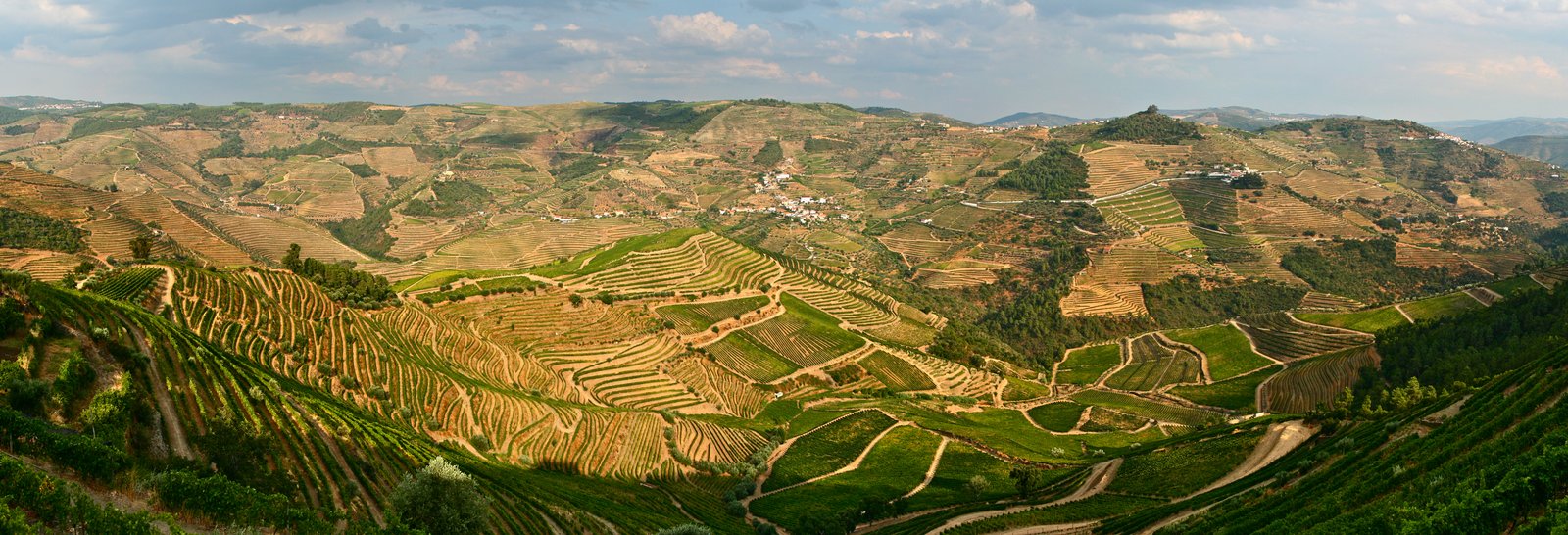
The travel experience. A 7-night Douro river cruise on the MS Douro Serenity or Scenic Azure is the easy and excellent option. Ships are small (under 130 passengers), the routing hugs the river valley from Porto to the Spanish border and back, and the stops are at working quintas (wine estates). Onshore excursions include vineyard walks, port-blending tutorials, and a stay at a working quinta for lunch.
When to go. April through mid-June for green terraces and warm days. Late September for harvest with cooler weather. Avoid July and August. The temperatures regularly exceed 100 F and the vines look parched.
What to skip. The big-port-lodge tour circuit in Vila Nova de Gaia is mostly retail. Worth a half-day for the first visit; not the highlight.
The Douro Valley is the right answer for travelers who want a wine region with serious landscape. The terraced Alto Douro vineyards rise from the river and the strongest experience is a slow river day with stops at two or three quintas. Pinhão is the natural base; the train from Porto along the Douro is one of the most scenic rail rides in Europe. The big port lodges in Vila Nova de Gaia are mostly retail and the article is right to skip them. The Douro works best at 3 nights with a half-day river cruise and a few walking visits to the smaller quintas.
3. Tuscany, Italy
Tuscany has been written about too often to say anything new, but it remains one of the few places where wine, food, and landscape come together cleanly enough that a 4-day trip feels complete. Chianti Classico (the territory between Florence and Siena, not the entire region), Montalcino (Brunello), and Montepulciano (Vino Nobile) are the three zones worth a focus.
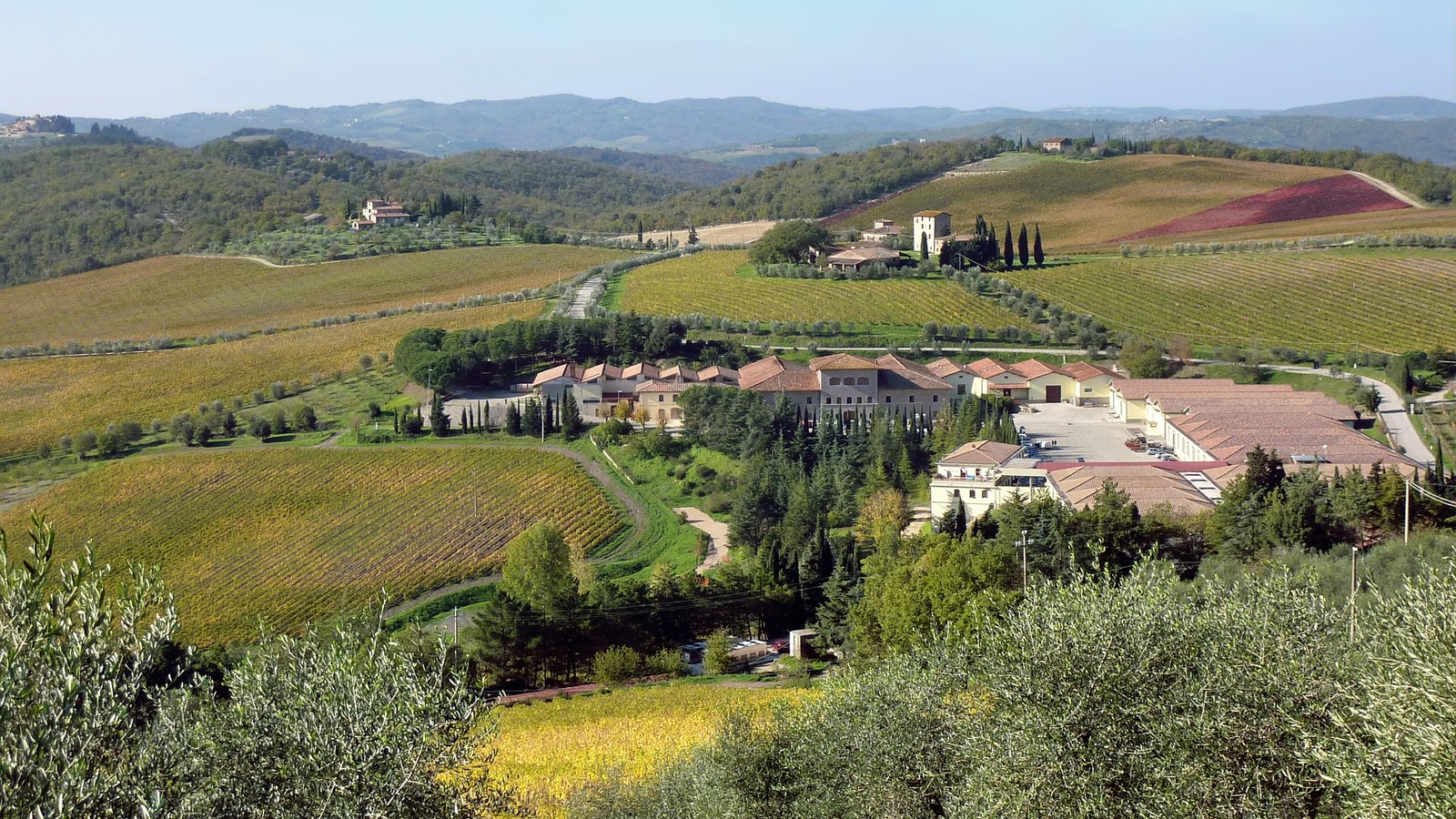
The travel experience. Base yourself in Greve in Chianti, Castellina, or Siena. Rent a car and do day tours to two or three estates a day. Slow Tuscany Tours and Italia Sweet Italia run small-group wine day tours from Florence or Siena that hit four to five estates in a day with a Tuscan lunch. The independent option works well too. Most Chianti Classico estates accept walk-ins, and the smaller ones in the eastern part of the territory are often overlooked.
When to go. Late May for spring green. Late September through mid-October for autumn color and harvest. Both are excellent; September is the canonical month.
What to skip. The Florence day-trip wine tours that load 18 people onto a minibus and hit six estates in six hours. Skip them entirely.
Tuscany is the right answer for travelers who want wine paired with food and slow towns. The Chianti Classico region between Florence and Siena is the strongest for a first visit, with the Greve, Panzano, and Radda areas as the canonical stops. Tuscany rewards travelers who pick a small agriturismo and use it as a base for self-drive tastings, with a long lunch at one of the regional trattorias as the day’s anchor. Montalcino and Montepulciano are the right day trips for travelers with a longer stay. Skip the Florence day-trip wine tours the article warns about.
4. Mosel Valley, Germany
The Mosel is the best value in European wine travel. Riesling grows on slate soils at slopes up to 70 degrees, and the villages along the river (Bernkastel-Kues, Cochem, Traben-Trarbach, Piesport) are small enough that the wine experience is the entire reason to visit. Most travelers pass through on a river cruise; better travelers stay 3 to 4 nights and walk the vineyards.
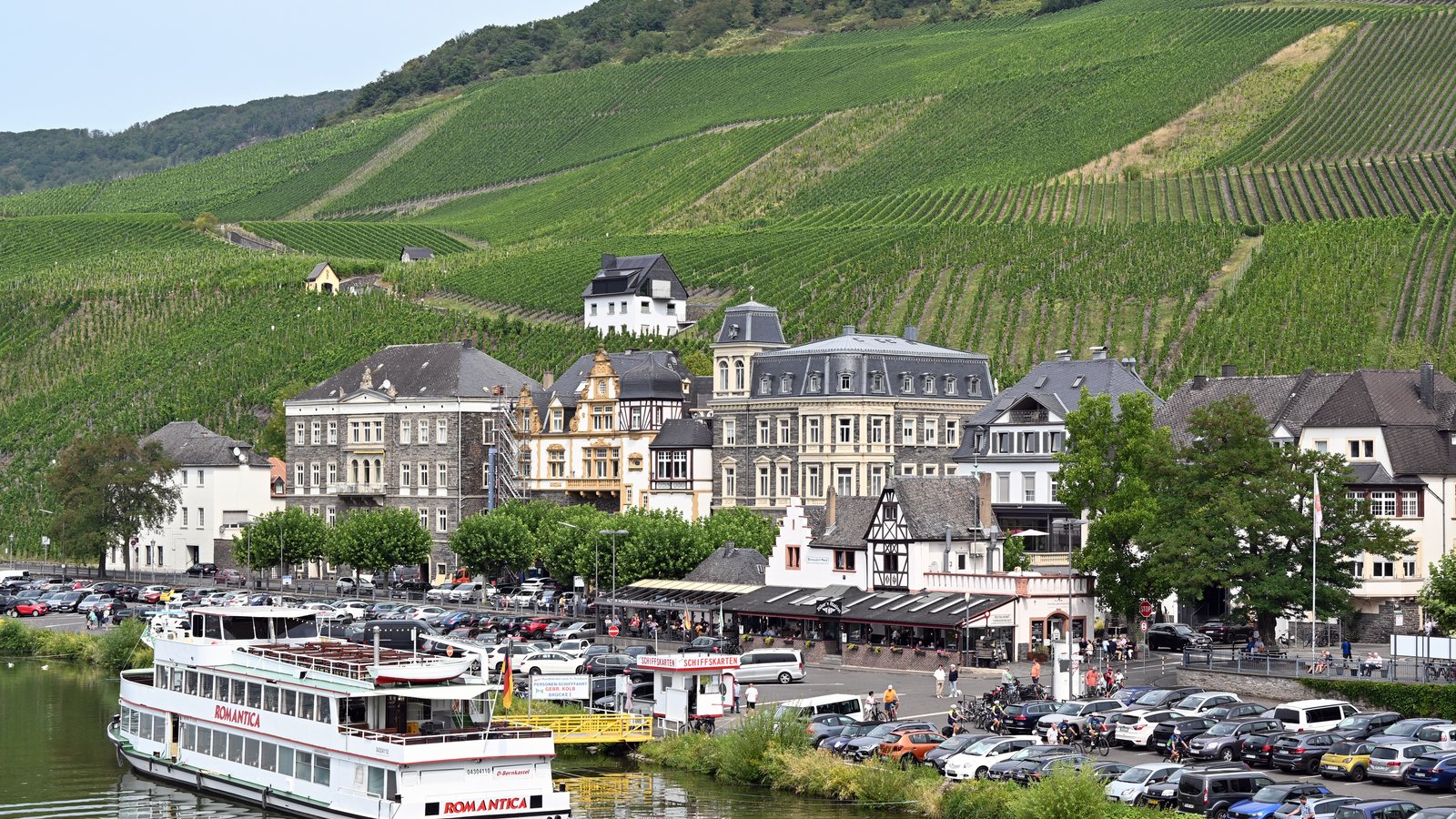
The travel experience. Self-guided cycling along the Mosel Radweg (the bike path that follows the river) with a stop every few kilometers for a Weingut tasting. The path is flat and well-marked, distances are easy, and the wine is cheap by European standards (a 2019 Spatlese for EUR 12 is normal). Rent a bike in Koblenz or Trier at the start of the route and ride 4 to 6 days south.
When to go. Late August through September for the harvest and the warm late-summer weather. Late October for autumn color and the new-young-wine festivals (Federweisser season).
What to skip. The bus-tour Rhine cruises that dock in Cochem for an hour. Worth seeing the river once; not what the trip is for.
The Mosel is the right answer for travelers who want Riesling and riverside villages. The steep-slope vineyards along the river between Trier and Koblenz produce some of Germany’s most distinctive white wines. Cochem and Bernkastel-Kues are the two named towns in the article and both work as small bases. The Mosel rewards travelers who pick a base town and visit two or three weingut tastings per day, with a slow river cruise as the natural day-trip anchor. The bus-tour Rhine cruises that stop in Cochem for an hour are not the right shape for the region.
5. Mendoza, Argentina
Mendoza is the highest wine region in the world (vineyards sit at 800 to 1,500 meters elevation) and produces the malbec most other regions try to imitate. The view across the Andes from a Mendoza tasting room is unlike any other wine experience on Earth.
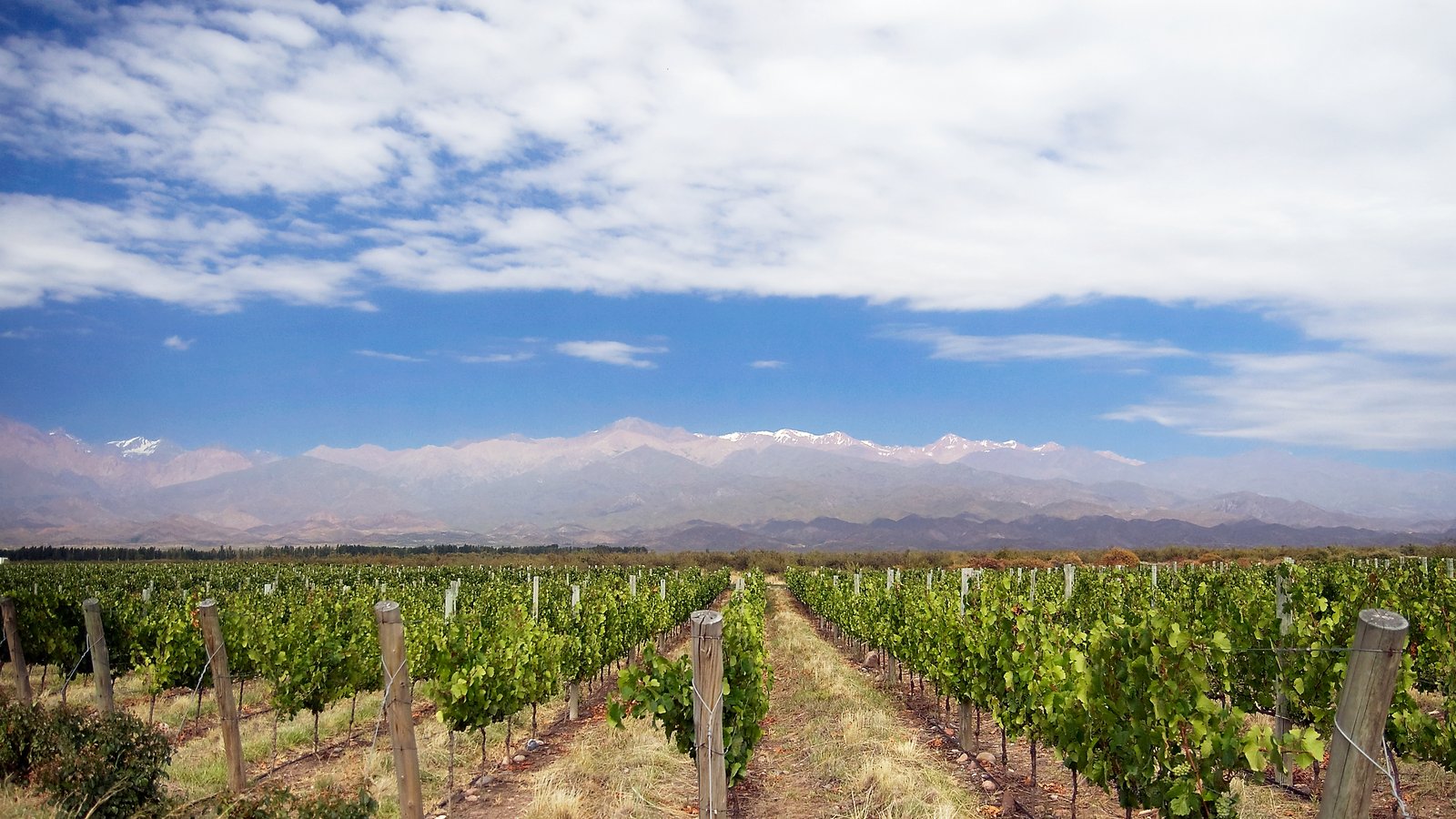
The travel experience. Three to four nights in Mendoza or in one of the lodge estates in the Uco Valley (an hour south). The lodge option (places like Bodega Salentein, The Vines Resort, or smaller boutique operations) is the premium choice: you stay among the vines, eat multi-course meals paired with the estate’s wines, and have private tastings as part of the rate. Day tours from Mendoza city are the more affordable option.
When to go. March through May (autumn in the southern hemisphere) for harvest and warm weather. November through February is summer; very hot at lower elevations.
What to skip. The big-name bodegas near Mendoza city (like Catena Zapata) require reservations weeks in advance, charge $80+ per tasting, and draw crowds. The smaller Uco Valley producers are the better experience.
Mendoza is the right answer for travelers who want Malbec and Andean scenery. The region sits at the foot of the Andes and the strong experience is a slow loop through the Lujan de Cuyo and Maipu sub-regions. Mendoza city is the natural base, with day trips out to the bodegas for tastings and long lunches. The article is right that the big-name bodegas near the city require reservations; the smaller, family-run operations are the better tasting experience. Mendoza works best at 4 nights, with a high-altitude day trip into the Andes as the natural extension.
6. Stellenbosch and Franschhoek, South Africa
The Cape Winelands are 45 minutes from Cape Town and have been one of the great underrated wine regions for two decades. Cape Dutch architecture, the dramatic mountain backdrop, and the pinotage / chenin blanc / sauvignon blanc / syrah range. Most Cape Town visitors do a half-day tour and move on; the right move is 2 to 3 nights in Franschhoek or Stellenbosch.
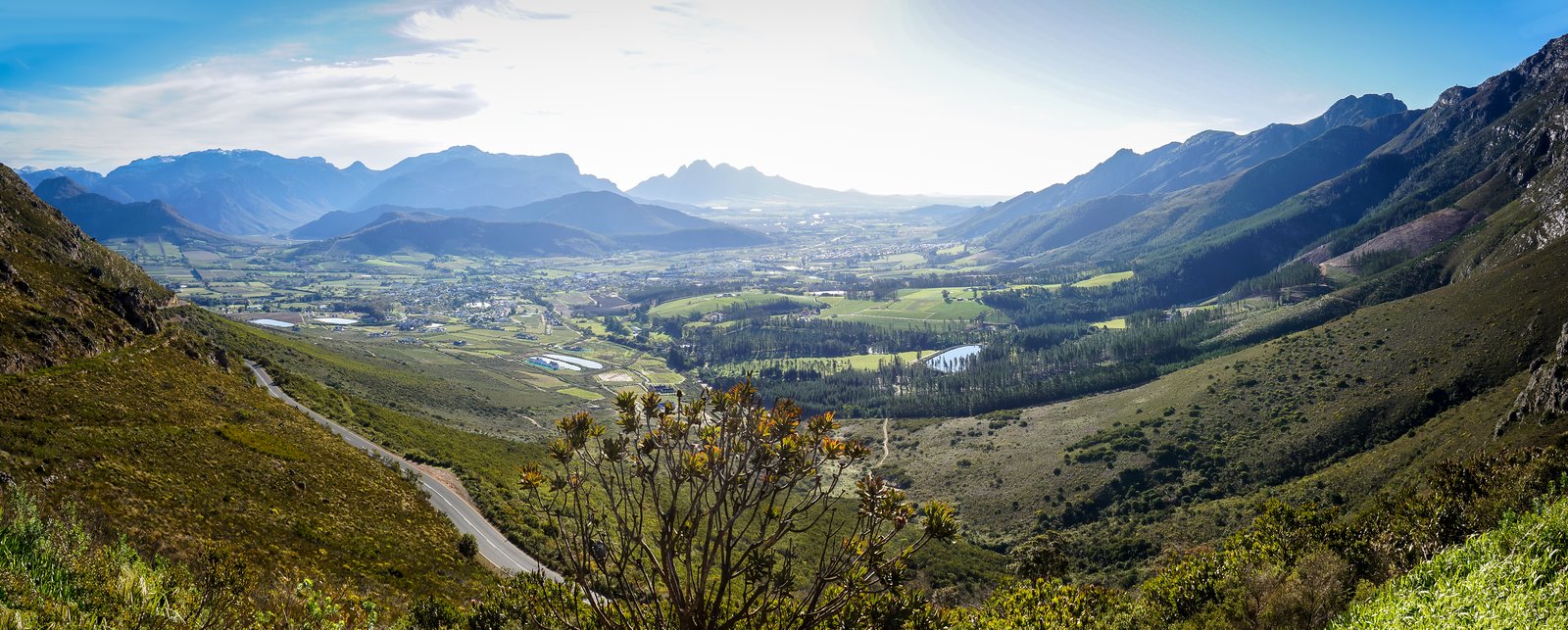
The travel experience. Stay in Franschhoek (more tourist infrastructure, walkable village, more restaurants) or Stellenbosch (university town, more working-estate feel). The wine tram, a hop-on-hop-off rail shuttle along the route, is gimmicky but actually well-done and connects 6 to 8 estates in the valley. Or self-drive with a designated driver for the day. The estates are 10 to 15 minutes apart.
When to go. November through March (Cape Town’s summer) for long days and warm evenings. April and May for harvest with cooler weather.
What to skip. Most Cape Town day-tour operators take 20+ people to 4 estates on a tight schedule. Smaller private tours exist and are dramatically better.
Stellenbosch and Franschhoek are the right answers for travelers who want South African wine country with Cape Town as the anchor. Stellenbosch is the larger town with the university and the oak-lined streets; Franschhoek is the smaller, food-focused alternative in a valley setting. Both are within an hour of Cape Town, which makes them ideal for a 2- to 3-night wine-focused side trip. The strongest experience is a small-group wine tour that visits 3 to 4 estates in a day with a long lunch at one of the Franschhoek restaurants. Skip the 20+ person Cape Town day tours.
7. Napa Valley, California, USA
Napa is on every list because it earned its reputation. The problem is that it has been so thoroughly commercialized that the wine experience is hard to find without planning. The good news: it is still there, especially on the smaller mountain roads of the Howell Mountain, Spring Mountain, and Mount Veeder AVAs.
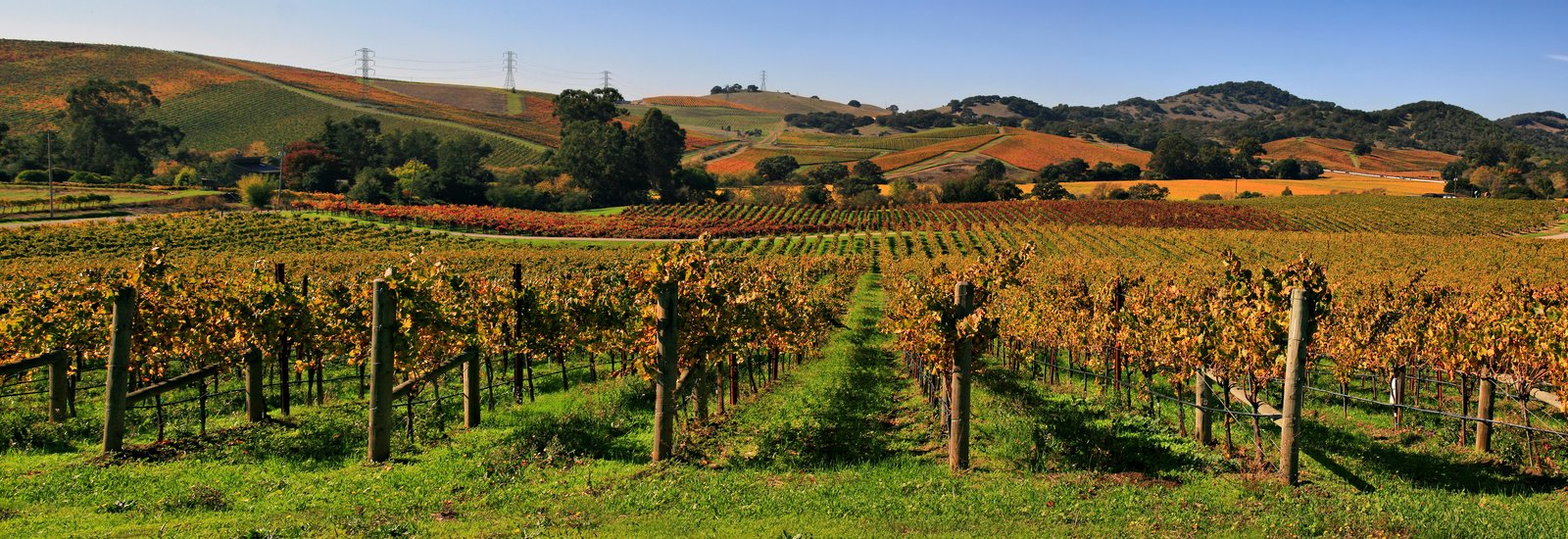
The travel experience. Drive or hire a driver. The valley is one main road (Highway 29 / Silverado Trail) with side roads. Stay in Yountville (most restaurants, most expensive), St. Helena (most tasting rooms), or Calistoga (hot springs, more low-key). Skip the big tasting rooms on the main road (Frog’s Leap, Beringer, Sterling); the smaller producers on the side roads are the better experience.
When to go. April through June for green and cooler weather. September and October for harvest with warm weather. Avoid August. Heat spikes above 100 F.
What to skip. The “Napa Valley Wine Train” tourist trap. Sit-down lunch on rails is not why you came. Drive yourself and stay flexible.
Napa Valley is the right answer for travelers who want American wine country without the long-haul flight. The valley is small enough to drive end-to-end in a day, and the strongest experience is a self-drive loop through the main highway and the Silverado Trail. Calistoga is the natural northern base, with St. Helena and Yountville as the central anchors. Napa rewards travelers who book tastings ahead, especially at the smaller, appointment-only wineries. Skip the Wine Train the article flags.
8. Yarra Valley, Victoria, Australia
The Yarra Valley is 90 minutes from Melbourne and is Australia’s best cool-climate wine region. Chardonnay, pinot noir, and sparkling all do well here, and the producers are mostly small. Most international visitors do not know about the Yarra at all, which is part of the appeal.
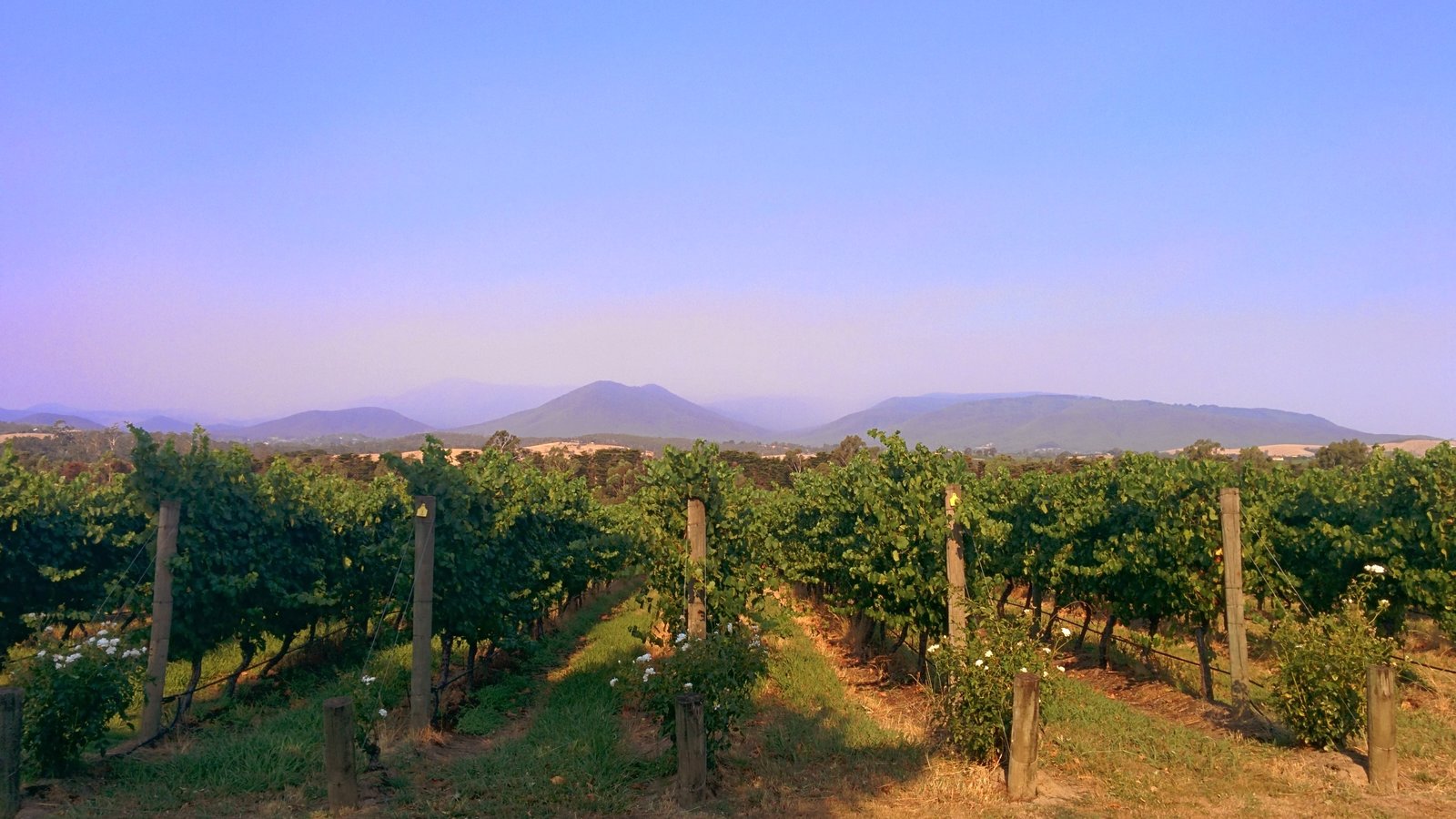
The travel experience. Day trip from Melbourne with a hire car, or 2 nights in Healesville (the small town at the center of the valley). The valley has 80+ cellar doors within a 30-minute drive. De Bortoli, Yering Station, TarraWarra, and Domaine Chandon are the well-known names. Giant Steps, Mac Forbes, and Payten & Jones are the smaller producers doing the most interesting work.
When to go. March and April (autumn) for harvest. November and December for late spring warm weather.
What to skip. The Mornington Peninsula is a 90-minute drive from Melbourne the other direction and is a fine wine region but smaller and busier. If you have only one day, the Yarra is the better bet.
The Yarra Valley is the right answer for travelers who want Australian wine country close to Melbourne. The valley is a 90-minute drive from the city and produces some of Australia’s best Pinot Noir and Chardonnay. The strongest experience is a self-drive day with 3 to 4 cellar door tastings and a long lunch at one of the regional restaurants. Healesville is the natural base for a longer stay. The Mornington Peninsula is the alternative for travelers with more time, but Yarra is the right answer for a first visit.
9. Willamette Valley, Oregon, USA
The Willamette is the closest the United States comes to Burgundy. Pinot noir of similar elegance, cooler climate, similar hillside vineyard cultivation. Most of the serious producers are in the Dundee Hills, Eola-Amity Hills, and Ribbon Ridge AVAs, all within an hour of Portland.
The travel experience. Three nights in Portland with day trips to the wine country, or two nights in Newberg or Dundee. The valley has more than 700 wineries; the well-known ones (Domaine Drouhin, Archery Summit, Beaux Frères, Eyrie) and a long tail of under-the-radar producers. The Oregon Pinot Noir tasting circuit is real and serious.
When to go. June and July for green and warm weather. September and October for harvest with cooler nights.
What to skip. The “Willamette Valley Wine Country” big-tour operators from Portland. Drive yourself or hire a private car.
The Willamette Valley is the right answer for travelers who want Oregon Pinot Noir. The valley runs south of Portland and the strongest experience is a self-drive loop through the Dundee Hills, Eola-Amity Hills, and McMinnville AVAs. Portland is the natural base, with day trips out to the wineries and a slow afternoon in one of the small towns. Willamette rewards travelers who book tastings ahead and who pick a small set of producers rather than trying to cover the whole valley. Skip the big-tour operators the article flags.
10. Tokaj, Hungary
Tokaj is the region to know about if you have not heard of it. The sweet Aszu and Eszencia wines are legendary; the dry Furmint wines are also excellent and underpriced. Tokaj has been a wine region since the 1400s and was the first region in the world to classify its vineyards (1772, before Bordeaux by decades).
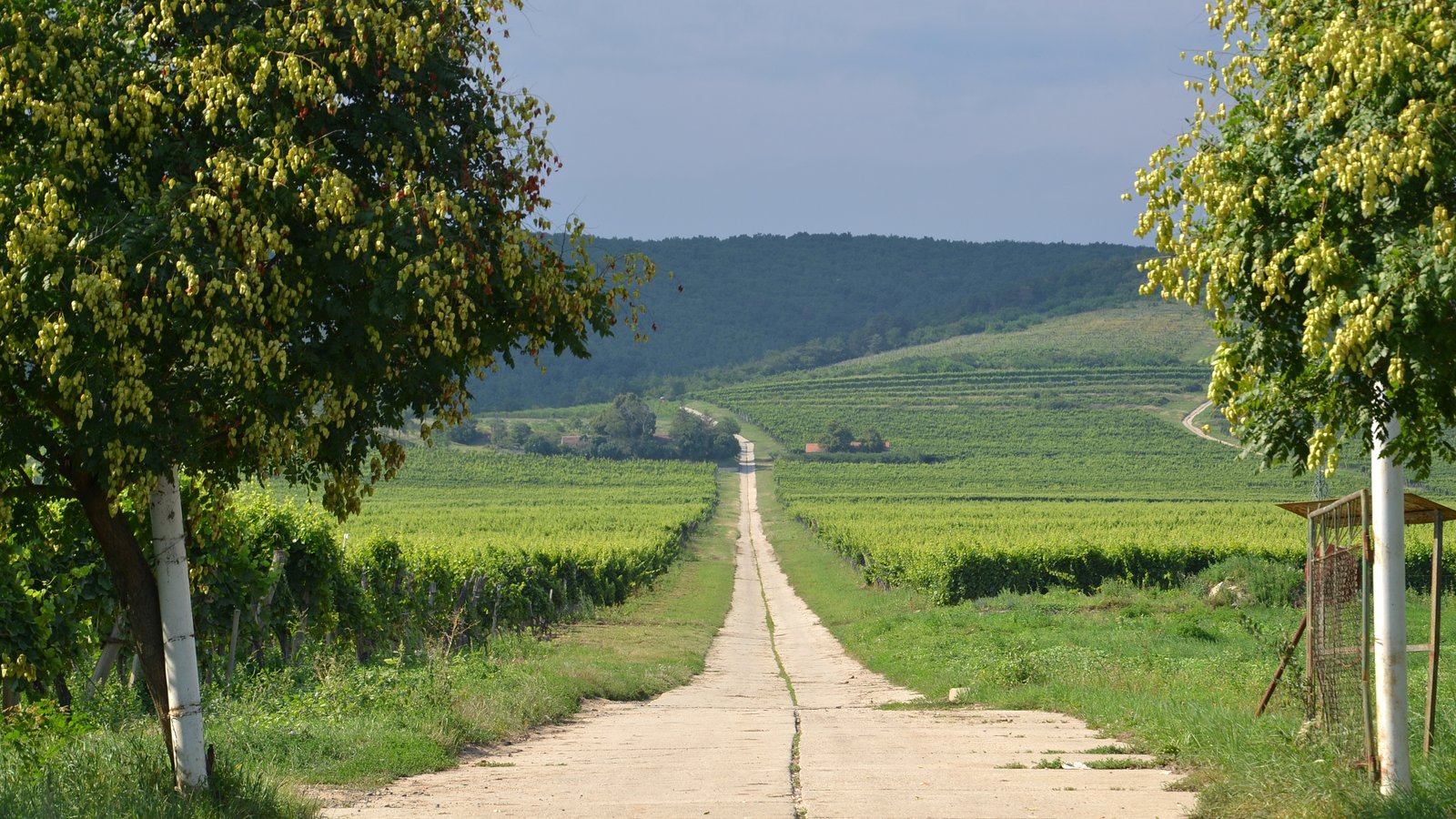
The travel experience. Tokaj is in eastern Hungary, a 2.5-hour drive from Budapest. Most travelers base themselves in Budapest and do a 2-night wine trip with a local operator. Hungarian Wine Society or Danube Wine Travel run small-group trips that visit 4 to 6 producers in 2 days. Or drive yourself from Budapest in a long day, though this is not recommended if you want to taste.
When to go. September and October for harvest and the Aszu berries coming in. April and May for spring and cheaper accommodation.
What to skip. The “Tokaji” sweet wines sold in Budapest tourist shops at EUR 6 a bottle are mostly blends. Real Aszu is EUR 50+ for a 500ml and worth every euro.
Tokaj is the right answer for travelers who want a less-traveled European wine region. The Tokaj-Hegyalja region in northeastern Hungary produces the famous sweet wines (Tokaji Aszú, Esszencia) and a growing range of dry whites. The strongest experience is a 2- to 3-night base in the small town of Tokaj, with day trips to the historic cellars of the Mad wine villages. Tokaj rewards travelers who want a quiet, under-the-radar wine trip and who can pair it with a few nights in Budapest before or after. Skip the Tokaji tourist-shop bottles flagged in the article.
How to pick one
If you want a guided experience and a small-group tour: Tuscany, Burgundy, the Douro, or Mendoza.
If you want a river cruise: the Douro.
If you want self-guided cycling or walking: Burgundy or the Mosel.
If you want a city + wine side trip: Stellenbosch (Cape Town), the Yarra (Melbourne), the Willamette (Portland), or Tokaj (Budapest).
If you want the highest-value wine trip in the world: the Mosel.
Wine is best experienced slowly, with food, in a place where you can spend at least three nights. One-night wine trips usually mean rushed tastings and bus-style transport. Pick a region, spend four or five nights, and let the vineyards teach you.
Browse wine tours on Viator · Browse food and wine tours on GetYourGuide
This article contains affiliate links to Viator and GetYourGuide. If you book through these links, we may earn a commission at no extra cost to you. Our editorial recommendations are independent of affiliate relationships. See our affiliate disclosure for details.
Research note: Specific wineries, harvest dates, and tasting-fee policies change frequently. Verify current operating status and tasting reservations directly with each winery before traveling. Hungarian, German, and Portuguese wine-region classifications may differ from the U.S. equivalent designations.