The comparison most travel sites write is the wrong comparison. They write: which one has better wine. The answer is not interesting, because both regions make world-class wine and they are 30 miles apart.
The right comparison is which one rewards a 4-day stay. On that question, one region is dramatically better than the other, and it is not the one with the global brand.
This is the article for travelers who plan to spend time in California wine country and want the right answer. It is also the article for travelers who already did Napa on a wine-train day trip from San Francisco, felt underwhelmed, and want to know if Sonoma is the better bet. The honest answer is usually yes, with a couple of important caveats.
Browse wine tours in Napa Valley · Browse wine tours in Sonoma County
How to use this article
If you have a long weekend and want the wine country prestige experience (tasting rooms you have heard of, a celebrity-photo backdrop, one of America’s great restaurant scenes), Napa delivers that with one hand tied behind its back. Book a Friday-to-Sunday in Yountville, eat well, taste well, leave content.
If you have 4 to 7 nights and want to actually learn about wine, talk to winemakers, eat at lower prices, and avoid traffic, Sonoma is the right answer almost every time.
Read both halves of this article before deciding. The decision is not which region is better; it is which region fits the trip you are planning to take.
What the two regions actually are
Napa Valley is one valley, roughly 30 miles long, with one main road (Highway 29, paralleled by the Silverado Trail), bookended by the Mayacamas range to the west and the Vaca range to the east. The valley floor is densely planted. The fame is concentrated, the tasting fees are the highest in California, and the restaurant scene (concentrated in Yountville, St. Helena, and Calistoga) is one of the great dining destinations in the Western United States.
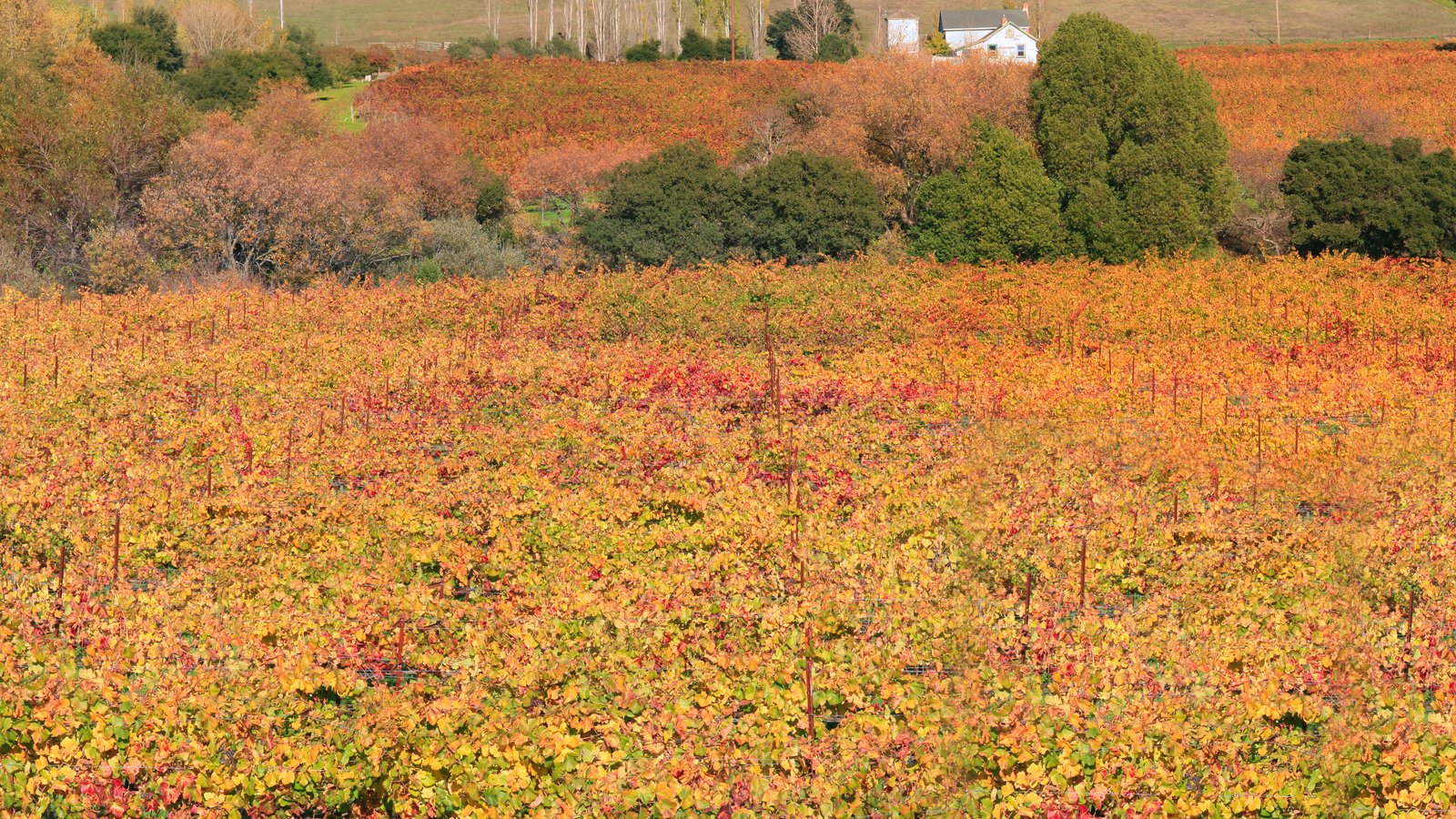
Sonoma County is much larger and much less developed. It contains 18 AVAs across vastly different microclimates, so a single visit usually focuses on two or three of them. Sonoma town and the Sonoma Valley AVA sit just south of Napa Valley. Healdsburg and the Russian River / Dry Creek / Alexander Valley AVAs sit 30 to 45 minutes north. The coast (Bodega Bay, Jenner) is another 30 minutes west from the Russian River corridor. Pinot noir and chardonnay dominate the cooler Russian River sites; old-vine zinfandel dominates Dry Creek; cabernet, especially on the warmer sites, dominates Alexander Valley.
The two counties share a border. Calistoga (north end of Napa Valley) is roughly 35 minutes from Healdsburg. If you want to do both, you can. Most travelers who plan well do. Most who do both regret not spending more time in Sonoma.
The wine, honestly
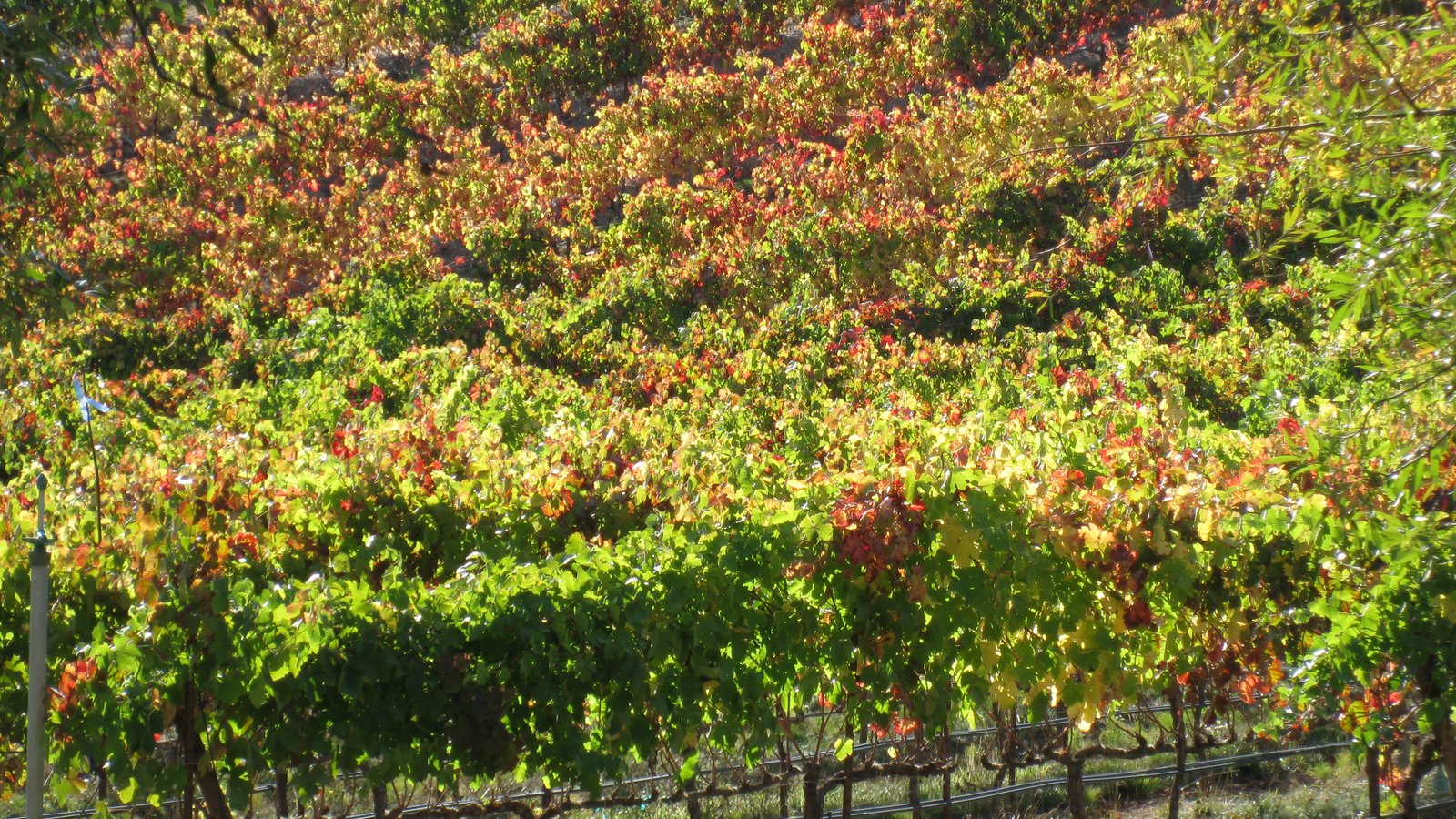
On paper the regions are roughly even. Both produce world-class cabernet sauvignon (Napa more concentrated and riper; Sonoma more age-worthy). Chardonnay favors the cooler Russian River sites in Sonoma, especially in cooler vintages. Pinot noir: Sonoma wins decisively, especially Russian River. Zinfandel: Sonoma wins again, thanks to the old-vine tradition in Dry Creek Valley.
In practice the tasting experience is the difference. Tasting rooms in Sonoma tend to be smaller, the staff is often the winemaker or the assistant winemaker, and the wines are made in styles that reward conversation. Tasting rooms in Napa tend to be larger, more expensive, and more often delivered by a server reading from a printed pour sheet.
This is not a hard rule. Some Napa producers (the mountain-road estates, the upper-valley smaller houses) operate closer to the Sonoma model, with a host who is a real employee and a real conversation. Some Sonoma producers (the larger mid-tier houses along Highway 101) are closer to the busy, retail-floor Napa model. But the tide runs in the direction stated, and for travelers who care about the wine itself over the brand, Sonoma is closer in feel to Burgundy or the Northern Rhone than Napa is.
If you care about telling a story when you get home (“we tasted at the cult producer everyone talks about”), Napa delivers more famous names per square mile. If you care about having actually learned something about California wine, Sonoma delivers that.
What a Napa tasting actually costs in 2026
Pricing in Napa is the single biggest reason a Sonoma-leaning trip often wins. The current per-person tasting fee range across Napa Valley:
Premium estates in the main valley (Yountville to St. Helena along Highway 29): $40 to $85 per person, often with a reservation deposit. Some of the highest-prestige properties (Frog’s Leap, Beringer, Sterling, Quintessa) charge $65 to $100 per person, with tasting spaces that look and feel more like a luxury retail showroom than a winery.
Mid-tier producers on side roads or on the Silverado Trail: $30 to $55 per person. The wine quality is often comparable to the premium tier; the experience is less theatrical. Cornell, T-Vine, Mayacamas, and Pestoni cluster here.
Mountain AVAs (Howell Mountain, Spring Mountain, Mount Veeder): $30 to $65 per person, most by appointment only. Smaller rooms, fewer people, more host attention. Worth the appointment hassle.
A two-couple day in Napa at the main-road premium tier runs $400 to $700 in tasting fees alone. Add a sit-down lunch ($80 to $200 per person) and you have a $600 to $1,100 day per couple before lodging.
What a Sonoma tasting actually costs in 2026
Sonoma’s tasting economy is calibrated lower across the board:
Small producers (most of Russian River, Dry Creek, Sonoma Valley): $20 to $40 per person for a 30- to 45-minute seated tasting. Often led by the winemaker or owner. Walk-ins accepted at many of these locations. Ridge Lytton Springs sits in this tier despite the producer’s reputation.
Premium estates and pinot specialists: $30 to $60 per person. Williams Selyem, Radio-Coteau, Copain, Dutton-Goldfield, and Benovia cluster here. Most require reservations but lead times are measured in days, not weeks.
Larger or branded estates (Stonestreet, Arrowood): $50 to $75 per person. Still generally less crowded than the equivalent Napa property.
A two-couple day in Sonoma at a mix of small producers and one premium visit runs $200 to $400 in tasting fees, roughly half what the comparable Napa day costs.
Lodging and food: the bigger difference
Lodging pricing is where Sonoma dominates more decisively:
Healdsburg peak season (April through October): $250 to $400 per night for a clean, well-located inn. The Healdsburg hotels and small inns deliver on walkability, restaurant access, and value at a level Yountville and St. Helena are no longer capable of.
Yountville and St. Helena peak season: $450 to $850 per night at the standard tier. The high-end properties (Meadowood and a few single-occupancy boutique spots) run $1,000 to $1,500 per night.
Sonoma Plaza lodging peak season: $200 to $350 per night. Older hotels, less polished than Healdsburg, but quieter and walkable.
Calistoga lodging peak season: $200 to $350 per night. The smaller inns, the spa/hot-springs options, and the more relaxed pace make this the right base for travelers who want quiet.
The food comparison favors Napa for peak prestige and slightly favors Sonoma for per-dollar value:
Napa’s marquee: The French Laundry ($450 per person before wine, advance reservations secured 60+ days out, the prestige benchmark), Meadowood (the restaurant run there from former SingleThread chef, the most modern tasting-menu approach in California), and Bottega (Yountville, more accessible price, still excellent). Bouchon Bistro, Ad Hoc (Thomas Keller’s “dinner for grown-ups without a tasting menu”), and La Condesa are the Keller-adjacent Yountville options for travelers who can’t get French Laundry but want the same chef’s sensibility.
Sonoma’s marquee: SingleThread in Healdsburg (Michelin two-star, ~$400 per person for the chef’s tasting menu, equally worth the advance reservation), Dry Creek Kitchen in Healdsburg (Charlie Palmer, more accessible price), Campo Fina (Italian, California-casual), and the Sonoma Plaza restaurants (the Girl and the Fig, La Salette) which are good but not at the very top tier.
Coastal Sonoma: Terrapin Creek in Bodega Bay (~30 min west of Healdsburg) is the standing recommendation for a serious meal in a casual setting. The drive and the building alone make this a trip highlight.
A 4-night Healdsburg trip with food and lodging tends to land 30% to 40% below the equivalent Yountville or St. Helena trip. The wine quality is comparable. The dining is one tier below at the absolute peak; one tier above almost everywhere else.
What crowds actually feel like on the ground
Napa Valley on a Saturday in October is bumper-to-bumper. Highway 29 crawls between estates. Parking lots overflow. Tour minibuses dominate some properties. The wine is good; the experience is often not, because of the surrounding pressure.
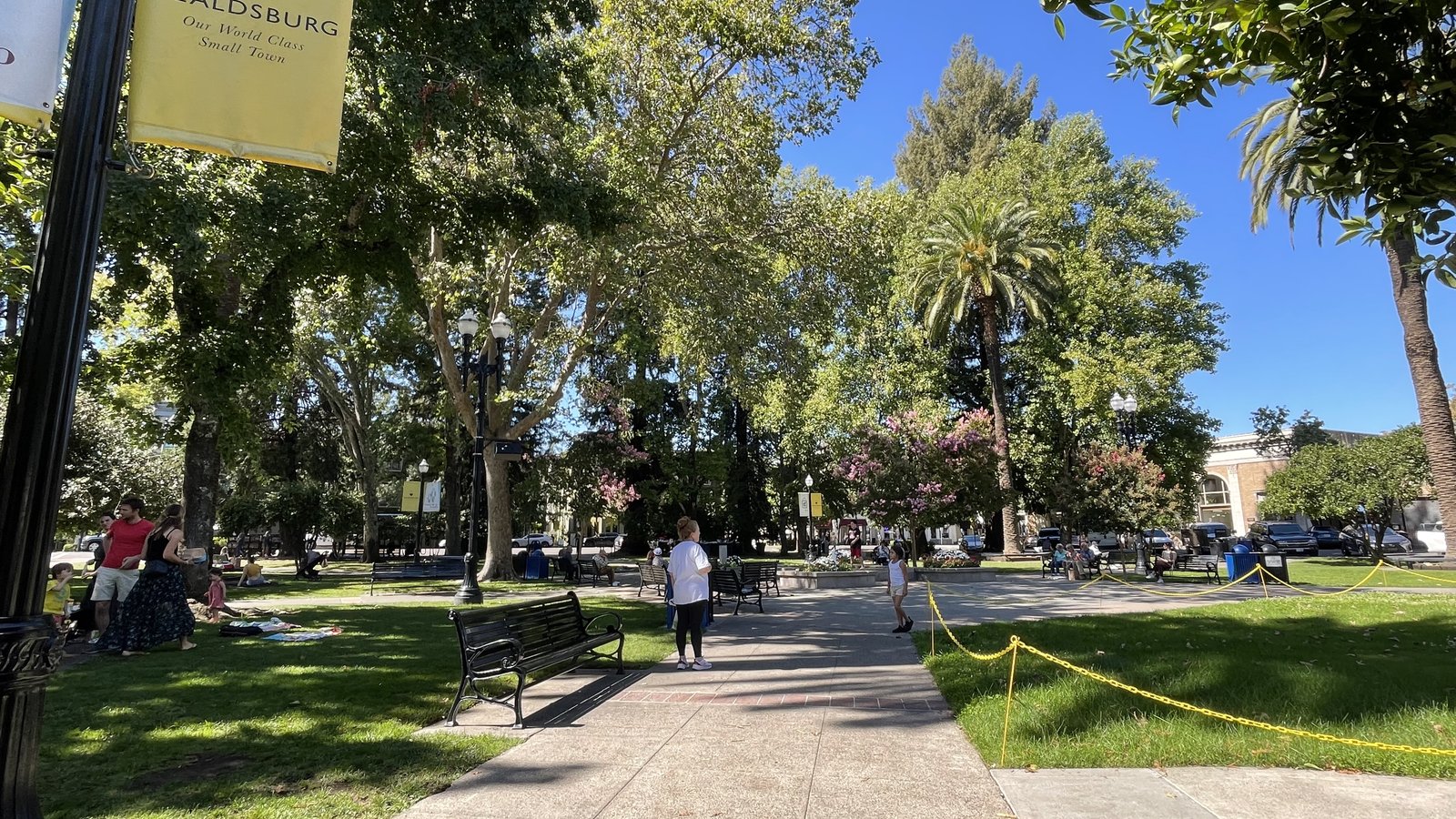
Sonoma on the same Saturday is materially less crowded. Healdsburg’s plaza has steady foot traffic but it is not crushing. Sonoma Plaza has visitors but the space absorbs them. The Russian River corridor between Guerneville and Sebastopol is genuinely quiet most weekdays. The pace is closer to what wine country used to feel like everywhere, 20 years ago.
For travelers who want a packed-tasting itinerary trip and don’t mind the schedule, Napa can absorb the load. For travelers who want a relaxed pace with time between stops, Sonoma is different ground.
A decision tree
One to two nights, want the prestige experience, big budget (~$800+ per day per couple):
Napa. Book a hotel in Yountville. Eat at Ad Hoc or Bouchon. Tasting reservations at Cornell, T-Vine, and one premium estate (Frog’s Leap or Quintessa, $65+ per person). Skip the wine train.
Three nights, prestige but want room to breathe, big budget:
Two nights Healdsburg, one night Yountville. Healdsburg for Sonoma pacing and lower prices. Yountville for the dinner at French Laundry or SingleThread.
Four to five nights, want a real wine country trip, mid-budget (~$400-600 per day per couple):
All Healdsburg. Eat at SingleThread, Dry Creek Kitchen, and one Coastal drive for Terrapin Creek. Tasting at Ridge (Lytton Springs), Radio-Coteau, Williams Selyem, and one Dry Creek old-vine zinfandel producer. Skip the big premium estates.
Five to seven nights, serious wine traveler, want to do both well:
Two nights Yountville, four nights Healdsburg. Reverse the order if you want to lead with the quieter experience. Yountville is for one or two specific tastings and one or two specific dinners. Healdsburg is the trip’s center of gravity.
Group trip with mixed levels of wine interest (some guests don’t drink much):
Sonoma. Healdsburg and Dry Creek Valley have plenty to do for non-drinkers (markets, walking the plaza, galleries, the coastal drive) that Napa does not match.
What to do specifically if you choose each
If you choose Napa (3 nights, focused):
Stay in Yountville, St. Helena, or Calistoga. Eat at Ad Hoc (the practical Keller), Bouchon Bistro, or Bottega for accessible meals; reserve at French Laundry 60+ days out if you want the trophy dinner. Tasting: Cornell (St. Helena, modest prices, real conversation), T-Vine (Napa, $35 to $50, Rhône-style producers), Spring Mountain estate (mountain road, smaller and quieter), and one big prestige property for the photo (Quintessa, Stag’s Leap, Opus One; these are priced for the experience more than the wine quality you can’t find elsewhere). Skip Silverado Trail shuttles; they exist because the main road is jammed. Skip the Wine Train unless someone in your group specifically wants it.
Napa Valley is the right answer for travelers who want the most concentrated wine country experience in California, with the trade-off being crowds and pricing. Yountville, St. Helena, and Calistoga are the three named base towns and each works as a 3-night anchor with day-trip access to the AVA. Napa rewards travelers who book tastings ahead, especially at the smaller mountain producers (Spring Mountain, Howell Mountain) that are quieter than the main road. The Ad Hoc / Bouchon / French Laundry dining cluster around Yountville is the strongest concentration of serious food in wine country. Skip Napa for travelers who want a slower, less crowded experience; Sonoma is the right answer for that.
If you choose Sonoma (4 to 5 nights, paced):
Stay in Healdsburg. Eat at SingleThread (the chef’s tasting, two Michelin stars), Dry Creek Kitchen (Charlie Palmer’s more accessible option), and Campo Fina (Italian, California-casual). Save a half-day for Bodega Bay and Terrapin Creek. Tasting: Ridge Lytton Springs (the standard Sonoma sit-down), Williams Selyem (reservation essential but the producer is iconic), Radio-Coteau (one of the more cerebral pinot houses), Copain (more accessible pinot), and one of the small Dry Creek Valley old-vine zinfandel producers (Ridge Buchignani or any of the smaller locations off Rockpile Road). Add a Sonoma Plaza stroll after one tasting for context (Plaza tasting rooms include Bartholomew Park, Buena Vista, and Gundlach Bundschu).
Sonoma County is the right answer for travelers who want a slower, less crowded California wine experience at a more accessible price point. Healdsburg is the named base town, with Dry Creek Valley, Alexander Valley, the Russian River Valley, and the Sonoma coast all reachable as day trips. Sonoma rewards travelers who pick one or two producers per day rather than trying to cover the whole region; the smaller producers (Williams Selyem, Radio-Coteau, Copain, Ridge) reward the slow visit. SingleThread in Healdsburg is the right answer for travelers who want a Michelin-level dinner; Campo Fina and Dry Creek Kitchen are the more accessible alternatives. Bodega Bay is the right coast side trip, and Sonoma Plaza in the town of Sonoma adds historical context. Skip Sonoma for travelers who want the most concentrated single-valley experience.
If you do both (5 to 7 nights):
Two nights in Yountville, three or four nights in Healdsburg. The Yountville portion is for the single-thread-level dinners and one or two specific mountain AVA tastings. The Healdsburg portion is for Sonoma’s full range of producers, the coast, the restaurants, and the pacing. Do not try to do Napa in three half-days; the distances are longer than they look and you waste the trip.
The bottom line
If Sonoma is not the main event of your California wine trip, switch the trip. Napa is the brand; Sonoma is the trip. Most boomer travelers planning 4+ nights in California wine country should choose Sonoma as the base, plan around Healdsburg, and add a Yountville stop only if the dinner reservation calendar demands it.
For first-time visitors with 2 to 3 nights and the budget for prestige, Napa is the better choice. The brand, the dining, the iconic experience: Napa delivers on all of it.
The reverse is also true: for second-time visitors, Sonoma is the rare destination that improves with familiarity. After one Napa trip, the second trip is almost always Sonoma.
Browse wine tours in Napa Valley · Browse wine tours in Sonoma County · Browse Healdsburg hotels on Booking.com
This article contains affiliate links to Viator, GetYourGuide, and Booking.com. If you book through these links, we may earn a commission at no extra cost to you. Our editorial recommendations are independent of affiliate relationships. See our affiliate disclosure for details.
Research note: Specific wine producers, tasting-fee policies, and seasonal tasting-room availability change frequently. Verify current operating status and reservation requirements directly with each winery before traveling. Napa Valley reservation policies are increasingly strict on weekends, particularly for premium estates; Sonoma County producers tend to accept walk-ins more often. Lodging rates fluctuate dramatically by season and event calendar; the rates cited here are 2026 peak-season averages and should not be treated as quote-level estimates.