Small-ship cruising is a different category from ocean or river cruising. The ships hold 100 to 200 passengers. The itineraries are expedition-grade: Galápagos, Antarctica, the Norwegian fjords, Svalbard, the Northwest Passage, the Kimberley coast, the Russian Far East. The daily activity is the trip, not the ship.
This is the premium end of experiential travel for travelers who have already done the conventional cruise circuit. It is expensive. It is also the experience most first-timers did not know existed.
This guide covers what small-ship cruising actually is, who the serious operators are, what the trip looks like day to day, and what a serious expedition cruise actually costs in 2026.
Browse small-ship expedition cruises on Viator · Browse Lindblad’s expedition calendar · Browse Viking Expedition · Browse Scenic
What small-ship cruising actually means
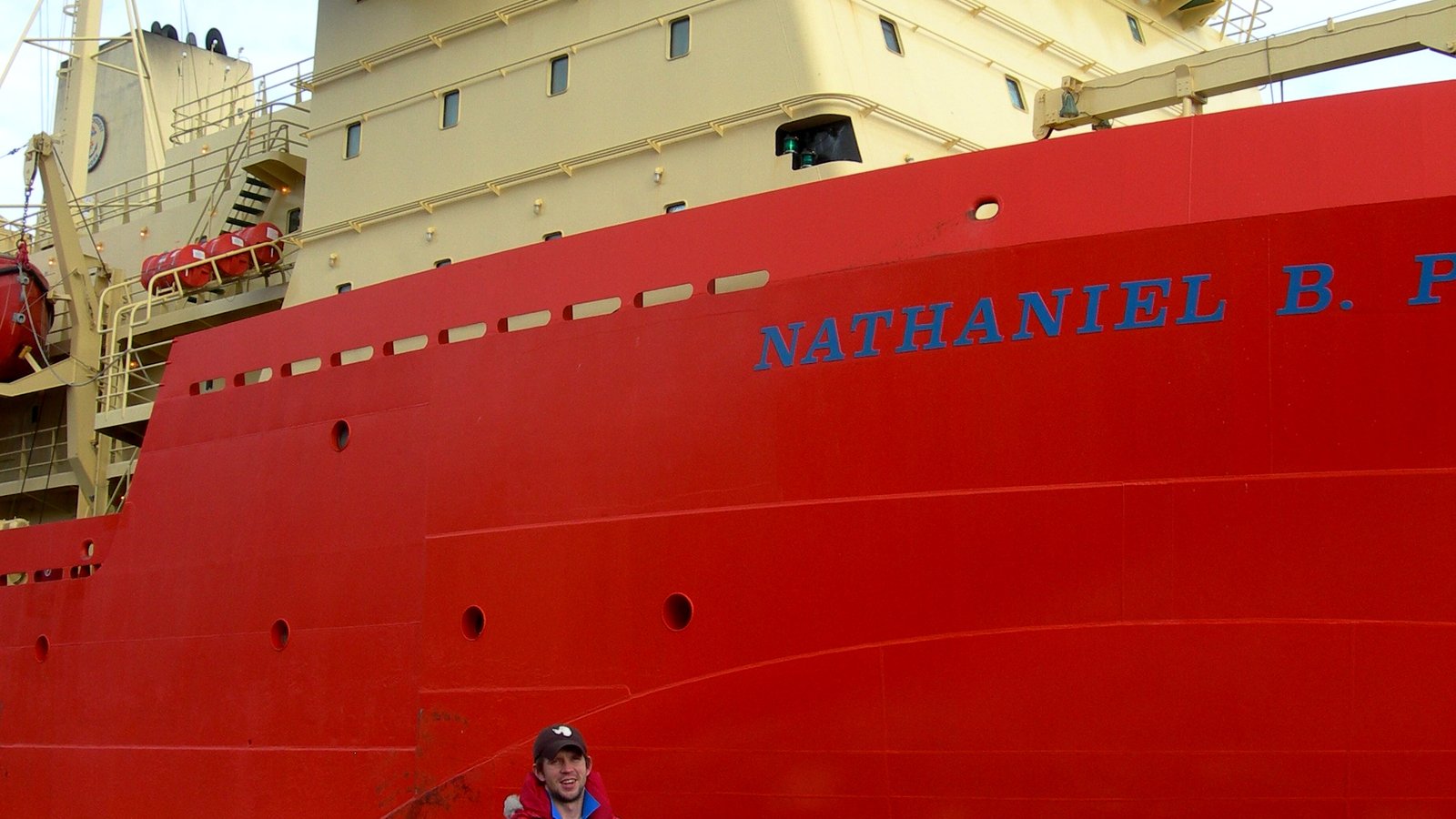
A small-ship expedition cruise is a vessel with roughly 100 to 200 passengers, carrying a high staff-to-guest ratio, with daily shore landings via Zodiac (inflatable motorboat), guided by a team of naturalists, scientists, or historians who join the ship for the season. The ship is the platform. The destinations are the product.
This is not river cruising (different ships, different scale) and it is not mainstream ocean cruising (different itinerary, different onboard vibe). It is a third category that grew out of the original Lindblad Explorer in 1969 and is now a distinct market segment with several operators competing at the top.
The defining traits:
- Small ships, usually under 200 passengers. Crew-to-guest ratio is roughly 1 to 1 or better.
- Daily shore landings. Zodiacs (or in polar regions, helicopters) take guests ashore in places the big ships cannot reach.
- Expert naturalists or scientists on board. The ship carries 4 to 12 expedition staff depending on size. They give talks, lead landings, and answer questions in plain language.
- No casino, no production shows, no Broadway-style entertainment. The lecture hall and the lounge are the social hubs.
- Itineraries in places big ships cannot go. Galapagos (regulated to small ships), Antarctica (IAATO members only), Svalbard, the Northwest Passage, the Kimberley, the Russian Far East, the Amazon tributaries, the Galapagos.
- High price per day. Budget $700 to $2,000 per person per day for most expedition cruises. The Antarctic runs higher.
It is also a deliberately uncomfortable category. Cabins are functional, not luxurious. Weather delays landings. You get back to the ship wet and tired. The trade-off is access to places you cannot reach any other way.
Why travelers choose small-ship expedition cruising
Three reasons, in order of how often I hear them:
“I want to see the Galapagos / Antarctica / Arctic before they change.” These places are climate-sensitive and politically sensitive. The Galapagos, Antarctica, and Svalbard all have regulatory frameworks that limit access. Small ships are the only way to see them at a level of detail that matters. Travelers who care about these places see small-ship cruising as the only practical option.
“I have done the conventional cruise circuit and want something more substantive.” After Caribbean, Mediterranean, Alaska, and the rivers, conventional cruising starts to feel repetitive. Small-ship expedition cruising is the next step up in depth. You trade onboard entertainment for daily landings and serious naturalists.
“I want to travel with experts, not with a cruise director.” This is the most specific reason. Small-ship cruises carry PhD-level naturalists, former National Park Service rangers, marine biologists, ornithologists, and historians. The daily briefings are substantive. The conversations at dinner are with people who know the place. For some travelers, that is the entire point.
The four operators worth knowing
Lindblad Expeditions (with National Geographic)
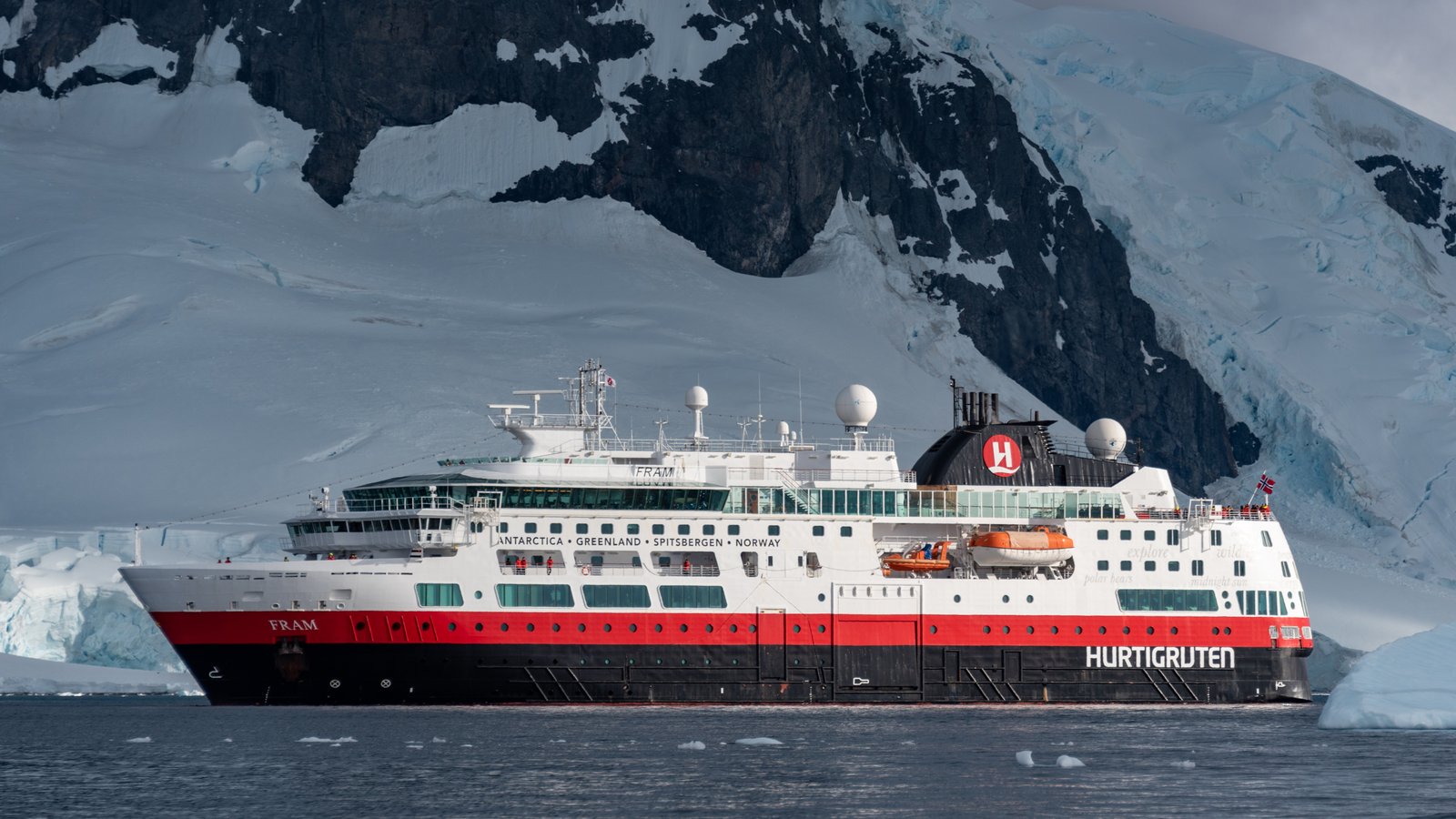
Editorial pick. Lindblad is the original. Founded in 1958 by Lars-Eric Lindblad, the company built the small-ship expedition cruising category over 60-plus years. In 2004 they entered a partnership with National Geographic, which is why the ships often sail as “Lindblad Expeditions-National Geographic” and the onboard naturalists are connected to the National Geographic network.
Why it matters: Lindblad has the deepest itinerary catalog. Their Antarctic, Galapagos, Arctic, and Alaska programs are the most established. The naturalist team is unusually strong. The ships are well-maintained but not luxury-grade. This is functional, expedition-grade comfort.
Ship count: Roughly 12 to 15 ships, depending on the season, ranging from the 100-passenger National Geographic Resolution and National Geographic Endurance (polar-class, ice-strengthened) to smaller ships like the National Geographic Sea Bird and Sea Lion in the Galapagos.
Price range: $10,000 to $40,000 per person for a 10 to 14 day Antarctic or Arctic expedition. Galapagos runs $8,000 to $18,000 per person for 8 to 10 days.
Best for: First-time expedition travelers who want a serious naturalist team and a proven itinerary.
Lindblad Expeditions, in partnership with National Geographic, is the strongest small-ship expedition operator for travelers who want naturalists, scientists, and photographers on board. The fleet is small enough to access remote coastlines (Galápagos, Antarctica, the Arctic, Baja, the Pacific Northwest) and the partnership with National Geographic means onboard experts in the regions the ships visit. Lindblad is the right answer for travelers who want the most-tested expedition experience and the highest quality of naturalist-led excursions. Pricing is at the top of the small-ship category, reflecting the National Geographic partnership and the smaller ships. Skip Lindblad for travelers who want a more leisurely ocean cruise experience.
Viking Expedition
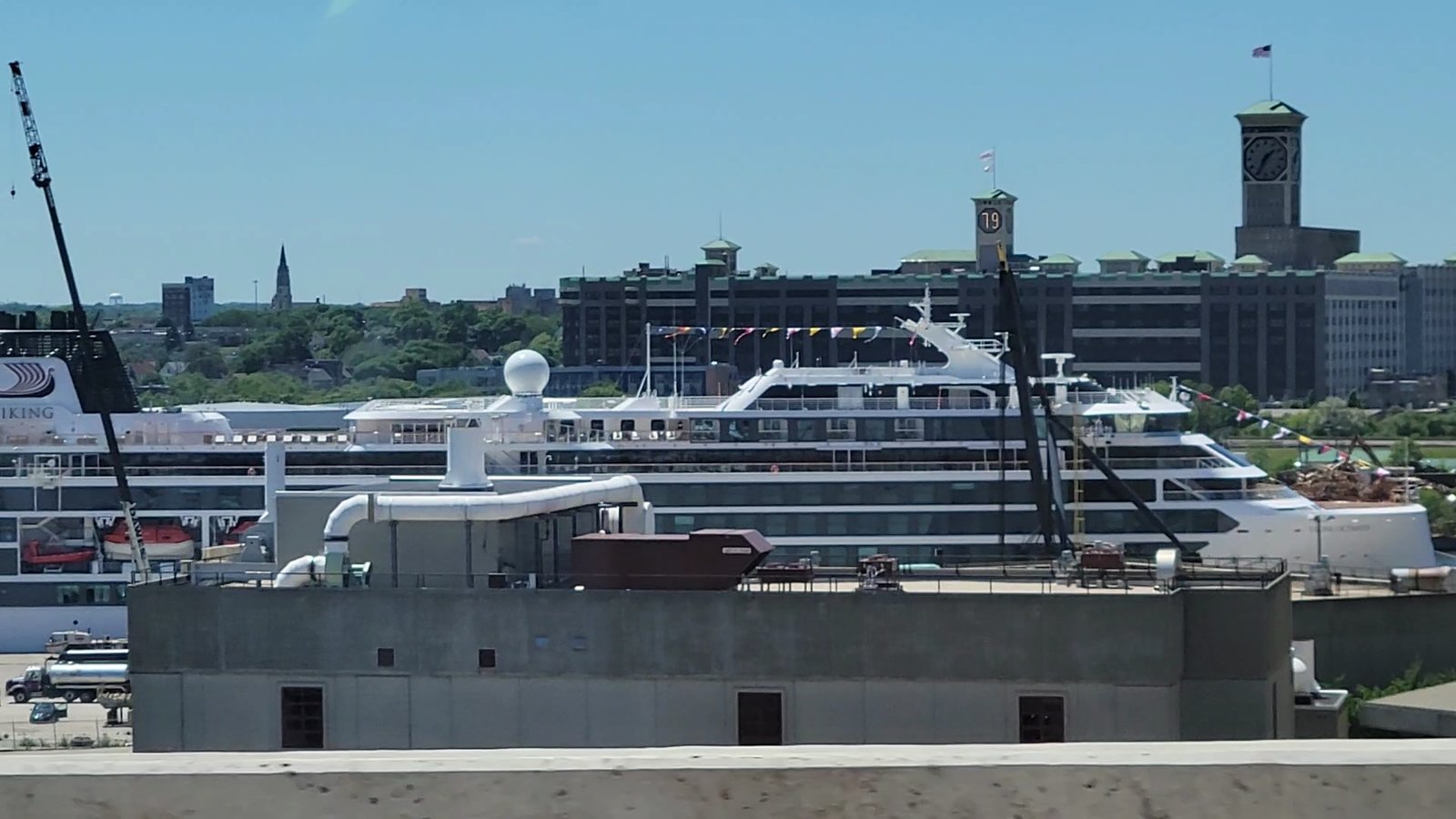
The new entrant. Viking launched its expedition fleet in 2022 with the Viking Octantis and Viking Polaris. These are purpose-built expedition ships with ice-strengthened hulls, a hangar for drones and small submarines, and stabilizers that allow for calmer operations in rough water. Viking Expedition runs itineraries in Antarctica, the Arctic, the Great Lakes, and the Mississippi River.
Why it matters: Viking’s expedition ships are newer and more technically capable than most of the Lindblad fleet. The onboard experience is closer to a Viking ocean cruise than to a traditional expedition ship. Cabins are larger, public spaces are more refined, the food is better. The trade-off is that the naturalist program is newer and the itineraries are less proven.
Ship count: Two ships, the Viking Octantis and Viking Polaris, plus seasonal chartered vessels in some regions.
Price range: Comparable to Lindblad, often slightly higher because the ships are newer. $12,000 to $45,000 per person for an Antarctic or Arctic expedition of 12 to 13 days.
Best for: Travelers who want the expedition experience with a more polished onboard product. People who already like Viking ocean cruises.
Viking Expedition is the right answer for travelers who already know the Viking Ocean product and want the expedition version. Viking entered the expedition market with smaller ships designed for warm-water destinations (Antarctica, the Arctic, the Great Lakes, the Mediterranean). The Viking brand carries over: clean design, adults-only, port-focused, and inclusive pricing. Viking Expedition is the right answer for travelers who want expedition cruising with the structure and predictability of Viking Ocean. The fleet is newer and the naturalist staff is more variable than Lindblad. Skip Viking Expedition for travelers who want the most-tested naturalist experience.
Scenic Luxury Cruises and Tours
The luxury play. Scenic entered expedition cruising in 2019 with the Scenic Eclipse.
Why it matters: Scenic is the operator for travelers who want expedition itineraries with luxury accommodations. The ship has butler service, multiple dining venues, a spa, and the kind of public spaces you’d expect on a luxury cruise. The expedition part is real (they sail to Antarctica, the Arctic, and other expedition regions), but the comfort level is higher than the category standard.
Ship count: Two ships, the Scenic Eclipse and the Scenic Eclipse II.
Price range: $15,000 to $50,000 per person for an Antarctic or Arctic expedition.
Best for: Travelers who want expedition itineraries without roughing it. Couples willing to pay for a higher comfort level on the same kind of trip.
Scenic Luxury Cruises and Tours is the right answer for travelers who want luxury expedition cruising with all-inclusive pricing. Scenic’s expedition fleet includes ships designed for polar regions (Antarctica, the Arctic) and smaller ships for warmer-water destinations. The Scenic brand carries over: butler service, fine dining, included excursions, and a high staff-to-guest ratio. Scenic is the right answer for travelers who want a more luxurious take on expedition cruising and who are willing to pay for the inclusive pricing structure. Skip Scenic for travelers who want the most-tested naturalist experience or a more adventurous expedition version.
Hurtigruten (Norwegian coastal voyages)
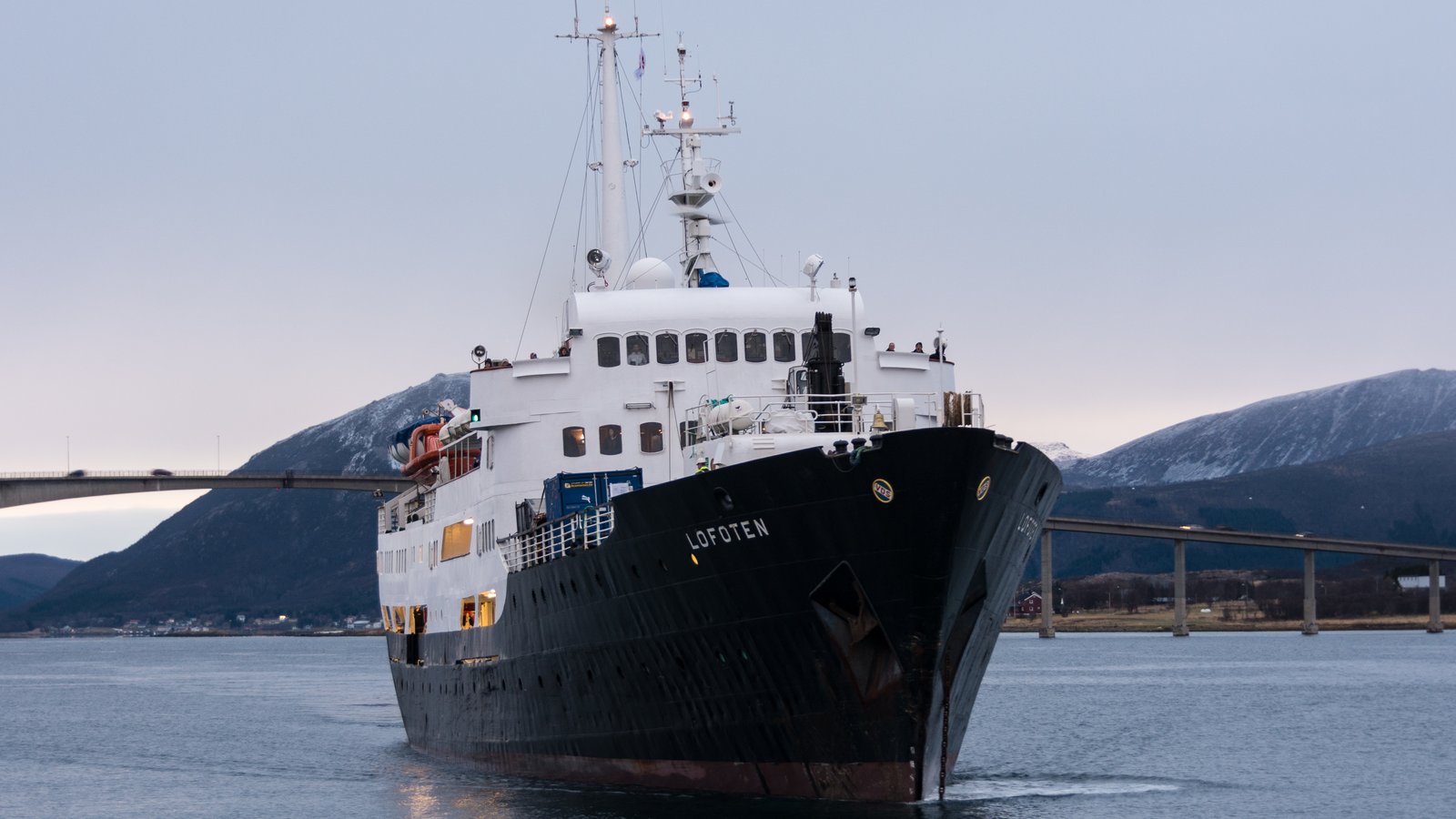
The Norwegian coastal operator. Hurtigruten runs daily coastal voyages along the Norwegian coast from Bergen to Kirkenes (and back) on 12 ships.
Why it matters: If you want to see the Norwegian coast specifically, Hurtigruten is the only practical option. The ships are working vessels that carry locals and freight, and the daily stops at small Norwegian ports are the itinerary. The expedition cruises to Antarctica and Svalbard are a separate product and use a smaller number of dedicated ships.
Ship count: 12 ships on the Norwegian coast, plus 2 to 4 expedition ships (the MS Fridtjof Nansen, MS Roald Amundsen, and seasonal additions).
Price range: Norwegian coastal voyages run $2,500 to $8,000 per person for an 11 to 12 day round trip. Antarctic and Arctic expeditions run $10,000 to $30,000 per person for 12 to 14 days.
Best for: Norwegian coastal voyages are a category of their own. For expedition cruises, Hurtigruten competes with Lindblad and Viking on itineraries but with a different onboard vibe (more casual, more Scandinavian).
Hurtigruten is the right answer for travelers who want the Norwegian coastal voyage specifically. The Hurtigruten Express sails the Norwegian coast from Bergen to Kirkenes (and back), stopping at 34 ports along the way. It’s not a typical expedition cruise — it’s a working coastal ferry with cabins for travelers — and the experience is the journey itself, not the destinations as much as the rhythm of the Norwegian coast. Hurtigruten is the right answer for travelers who want a slower, more utilitarian version of small-ship cruising and who want the Norwegian coast specifically. Skip Hurtigruten for travelers who want warm-water expedition cruising or the most-tested naturalist experience.
What an expedition cruise day looks like

The cadence varies by region, but a typical Antarctic day:
- 6:30 AM. Wake-up call. Light breakfast.
- 7:00 AM. Zodiac loading for the morning landing. Two groups, rotating.
- 8:30 AM to 12:30 PM. First landing. Penguin rookery, research station visit, or hike.
- 12:30 PM. Return to ship. Hot lunch and a hot drink.
- 2:00 PM to 5:30 PM. Second landing or Zodiac cruise. Sometimes a polar plunge for the brave.
- 6:30 PM. Recap briefing in the lecture hall. Naturalists summarize the day and preview tomorrow.
- 7:30 PM. Dinner. Usually open seating in one large dining room.
- 9:00 PM. Optional evening lecture or slide show.
Most expedition ships run two landings a day when conditions allow. Polar regions get longer days and more landings. Tropical regions (Galapagos) often run one longer landing and one short Zodiac ride or snorkel. Weather delays can stretch or compress any of this.
What to bring
Expedition ships are casual. You will not be dressed up.
- Waterproof pants and a waterproof jacket. The single most important piece of gear. You’ll be in Zodiacs. You will get wet.
- Layers. Polar regions can swing 30 degrees Fahrenheit in a day. Tropical regions stay warm but the Zodiac rides are cold.
- Sturdy waterproof boots. Most expedition ships lend you a pair. Check before you pack your own.
- Binoculars. The single most-used piece of gear on the ship. Bring good ones.
- Camera with decent zoom. You will be shooting wildlife from shore and from Zodiacs.
- Motion sickness medication. The Drake Passage crossing on an Antarctic sailing is 36 hours of open ocean. Even travelers who never get seasick get seasick on the Drake.
You do not need fancy expedition-grade clothing for a first trip. Most operators will tell you what to pack.
How to pick the right trip
Four questions to answer before booking:
- What region do you most want to see? Antarctica is the headline trip, but the Galapagos and Svalbard are also destination-grade. Pick the region first.
- How many days can you commit? Most Antarctic and Arctic expeditions are 10 to 14 days including travel. Shorter options exist but compress the experience. The Galapagos has 5 to 8 day options.
- What is your comfort level? Lindblad and Hurtigruten are functional. Viking and Scenic are more polished. Match the ship to your travel style.
- Who is the expedition team? This matters more than the ship. Ask which naturalists will be on board for your specific sailing. A weak team on a beautiful ship is still a weak trip.
If you are booking your first expedition cruise, the safest move is to start with Lindblad on the Galapagos. Itineraries are short (8 to 10 days), the ship is comfortable without being luxurious, and the naturalists are top-tier. If you like it, you can move to Antarctic or Arctic expeditions with confidence.
Pricing reality
Small-ship expedition cruises are not budget travel. A first Antarctic trip is likely $10,000 to $30,000 per person including flights, pre-cruise hotel, and the expedition itself. Some pricing details that matter:
- Single supplement. Most expedition ships charge 1.5x to 2x the per-person rate for solo travelers. A solo Antarctic cabin runs $15,000 to $60,000.
- Flights to gateway cities. Ushuaia (Antarctica), Quito (Galapagos), Longyearbyen (Svalbard) are not cheap to reach.
- Pre-cruise hotel. Most expedition cruises include one or two nights in the gateway city, but check.
- Tips. Standard tipping on expedition cruises is $200 to $400 per person for the duration of the trip, paid in cash at the end.
- Gear. If you don’t already own waterproof pants and a good jacket, budget another $300 to $600.
Total realistic budget for a first Antarctic expedition: $12,000 to $35,000 per person. Galapagos is $9,000 to $20,000. Svalbard is similar.
What I would skip
A few things you don’t need for a first expedition cruise:
- The most expensive cabin. The lowest-tier cabin is usually the same size as the next tier up. Expedition ships have small cabins everywhere. Spend the difference on a longer trip or a better region.
- A drone. Most Antarctic and Arctic operators ban drones or require permits. The drone ship is overcrowded anyway.
- A checklist of required sightings. The point of expedition cruising is the unexpected. If you go with a list of penguin species to check off, you will miss the whales.
When to book
Antarctic and Arctic expeditions sell out 12 to 18 months out. The ships are small and the season is short. Book by August or September for the following Antarctic season (November to March) or Arctic season (June to August).
The Galapagos has more flexibility because the operators run more ships and the season is year-round. 4 to 6 months out is usually fine.
A final note
Small-ship expedition cruising is the travel category where the gap between marketing and reality is smallest. The operators sell a real product. The naturalists are real. The landings are real. The weather is real and you will deal with it.
For travelers who have done the cruise circuit and want the next step up in depth, this is the answer. Pick the region that matters to you, pick the operator whose ship matches your style, book early, and pack waterproof pants.
Browse small-ship expedition cruises on Viator · Browse Lindblad’s expedition calendar · Browse Viking Expedition · Browse Scenic
This article contains affiliate links to Viator, Lindblad, Viking, and Scenic. If you book through these links, we may earn a commission at no extra cost to you. Our editorial recommendations are independent of affiliate relationships. See our affiliate disclosure for details.
Research note: Operator fleet, itinerary, and pricing details were reviewed in Summer 2026. Specific ship assignments, naturalist teams, and 2027-2028 expedition calendar should be verified directly with each operator before publication.