A total solar eclipse is one of the few travel experiences where the event itself is the entire point. You are not going to see the city. You are going to stand in a specific spot on Earth for four minutes while the sky does something it almost never does.
There are three total solar eclipses worth traveling for between 2027 and 2034. This guide covers where to be for each, when to book, what the weather risk looks like at the time of year, and what a serious eclipse trip actually costs.
It is also a guide that will keep working for years. Eclipse paths are determined by orbital mechanics and do not shift. The dates below are the dates. The path of totality is the path of totality. The challenge is always the same: get yourself to the right place, on the right day, with clear skies, and watch the sky for four minutes.
Browse solar eclipse tours on Viator · Browse on GetYourGuide
Why eclipses are worth the trip

Most travel is about the place. Eclipses are about the moment. The place has to support the moment, but it is not the point.
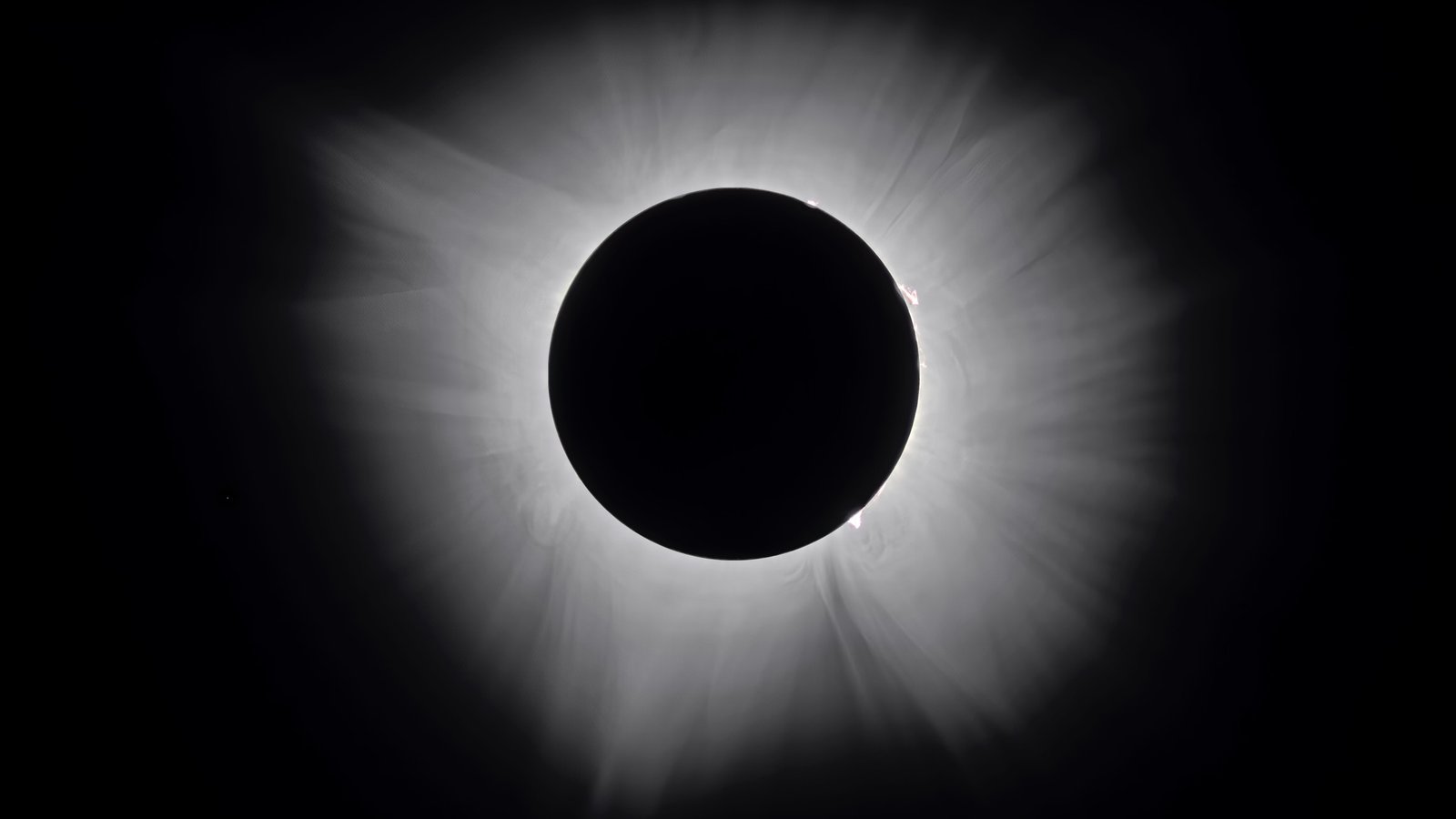
The point is the four minutes and change of totality, when the sun is fully covered, the corona streams out into a darkened sky, the temperature drops ten degrees in two minutes, and birds go quiet because they think it is night. People who have seen one talk about it for the rest of their lives. People who have seen two become eclipse chasers and book the next one before the current one ends.
A partial eclipse, even at 99 percent, is not the same. You need totality. That means being inside a roughly 100-mile-wide path that traces across a specific part of the Earth on a specific day. Outside the path, you see a partial. Inside the path, you see the thing.
The three eclipses that matter
August 2, 2027: Egypt, Saudi Arabia, Morocco
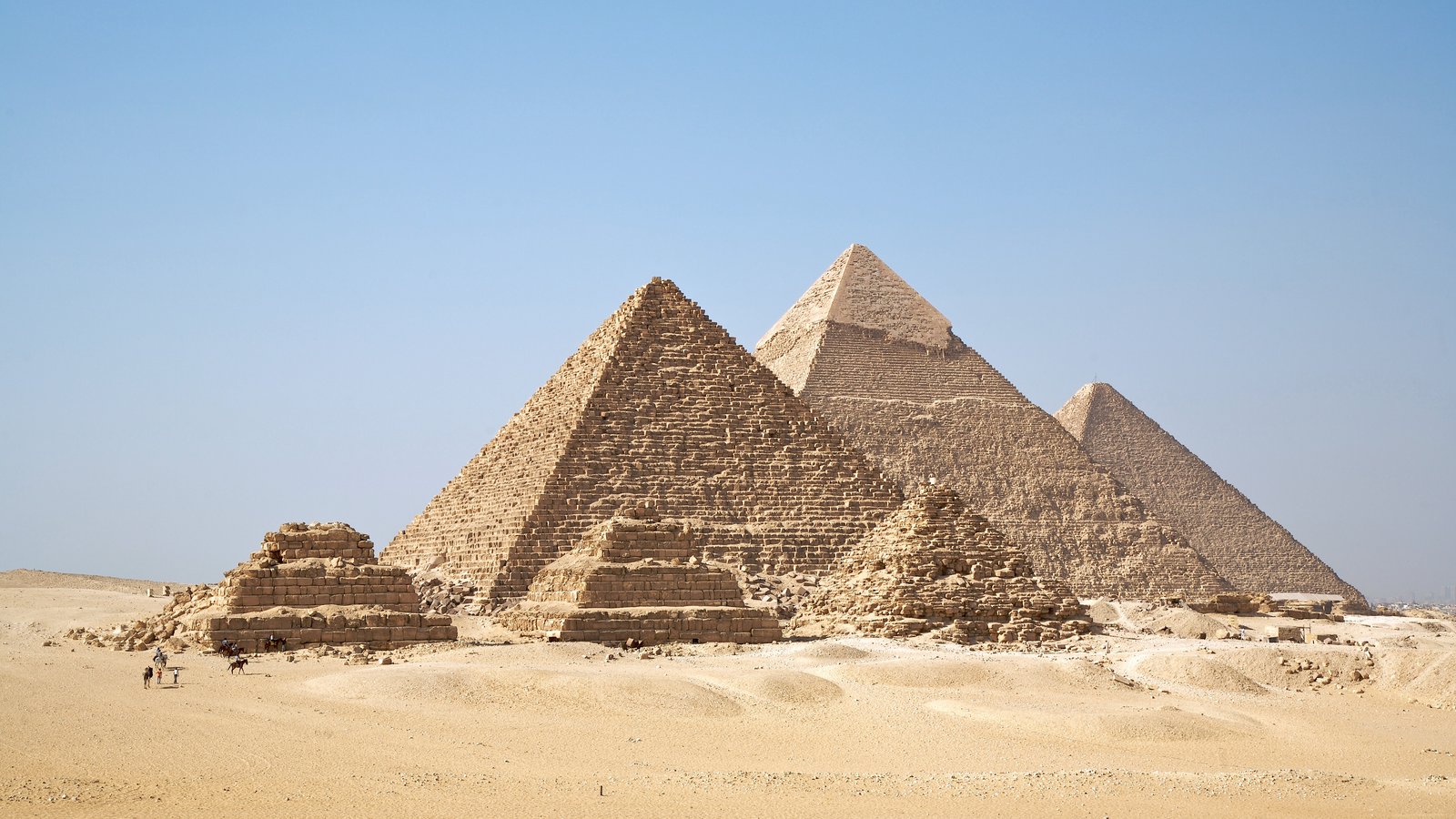
Path: Morocco, Algeria, Tunisia, Libya, Egypt, Saudi Arabia, Yemen, Somalia. The longest totality is over Egypt.
Where to be: Luxor, Egypt, is the headline location. The path crosses directly over the city, totality runs to about 6 minutes 22 seconds, and the sun is high in the sky. This is the longest land-based totality of the 21st century outside of polar regions. Other options include Tangier in Morocco, southern Spain (just outside the path but a partial there is deep), the historic Libyan coast, and several Saudi Arabian sites.
Duration: Up to about 6 minutes 22 seconds over Egypt.
Weather risk: Egypt in August is hot (100 F plus in Luxor) and reliably clear. Cloud cover is the lowest of any major eclipse path in the 21st century. The risk is heat exhaustion for travelers unaccustomed to desert sun. Morocco’s Atlantic coast is more variable.
Why this one: Six minutes of totality in a historically clear sky is the best raw viewing of any eclipse in the next two decades. Luxor is one of the most accessible ancient sites in the world. The combination is unusual: a clear-sky totality that runs longer than any other land-based eclipse in this decade, in a place worth spending a week in anyway.
What it costs: Independent travel to Egypt is about 2,000 to 3,500 USD per person for a week including flights and a Nile cruise or Luxor hotel. Eclipse-specific tours run about 4,500 to 9,000 USD per person including positioning flights within Egypt and dedicated viewing logistics.
Egypt is the right answer for the August 2, 2027 eclipse, and Luxor is the headline location. The path crosses directly over the city, totality runs to about 6 minutes 22 seconds, and the sun is high in the sky. This is the longest land-based totality of the 21st century outside of polar regions. Egypt in August is hot (100 F plus in Luxor) but reliably clear: cloud cover is the lowest of any major eclipse path. A 7-day trip that combines the eclipse with a Nile cruise and the Luxor temple sites is the right shape for the visit. Tangier in Morocco is the alternative for travelers who want cooler weather and the Atlantic coast, with shorter totality.
July 22, 2028: Australia and New Zealand
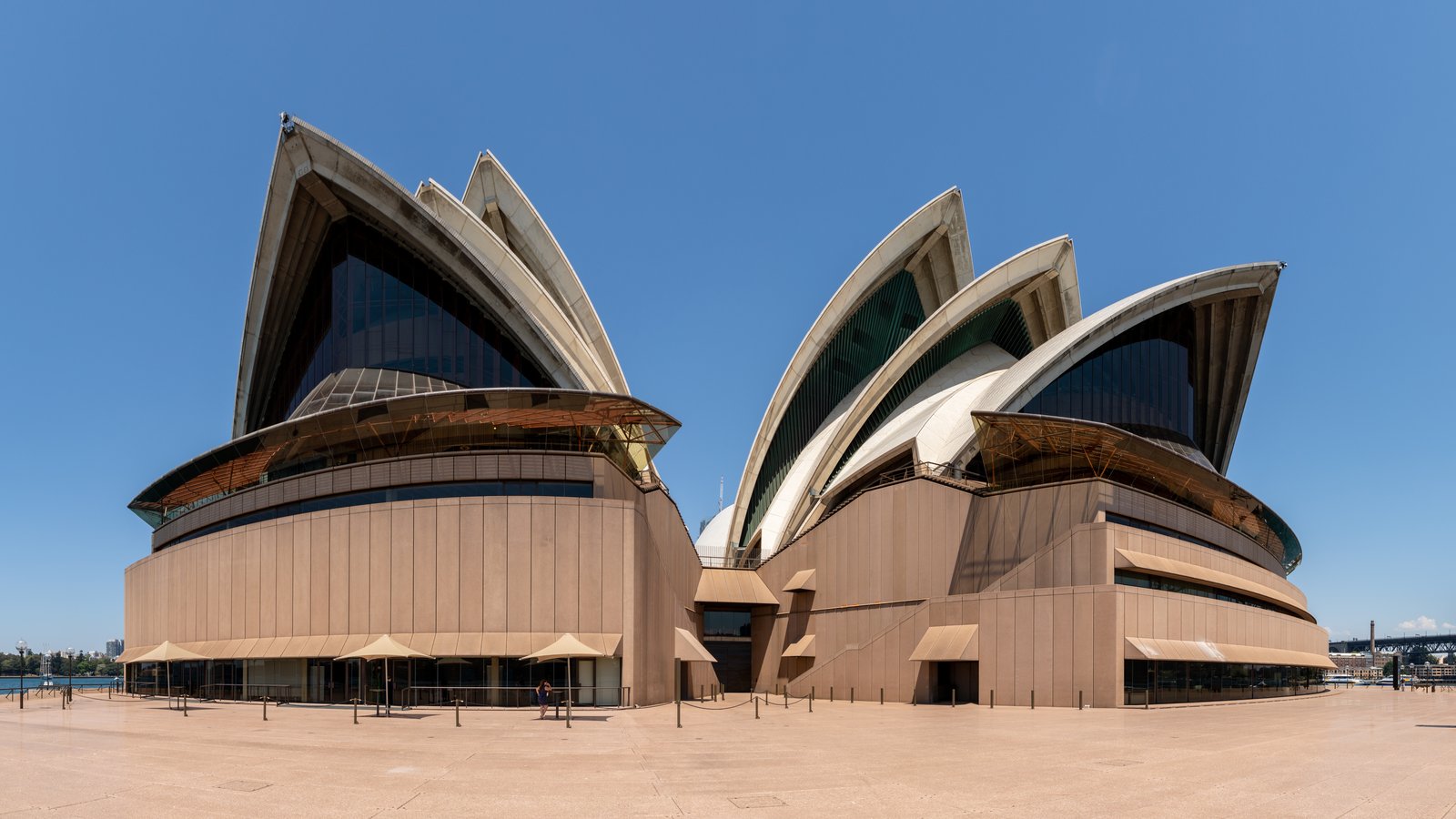
Path: Western Australia, the Northern Territory, Queensland, New South Wales, the Tasman Sea, and the South Island of New Zealand. The longest totality is over the Tasman Sea between the two countries.
Where to be: Sydney is just outside the path. The path crosses the New South Wales coast south of Sydney and runs across the Tasman Sea to New Zealand’s South Island, with totality over Queenstown and the southern alps. Darwin is just outside the path but close enough that a short drive puts you inside it.
Duration: Up to about 5 minutes 10 seconds in the Tasman Sea; shorter inland.
Weather risk: July is winter in the Southern Hemisphere. The southern Australian and New Zealand path has historically high cloud-cover probability, around 60 to 70 percent. The path’s position over open ocean is part of the reason it is so long. Coastal viewing sites are a calculated gamble.
Why this one: If you have already seen 2027, this is the natural next stop. If you have not, it is a longer flight from most origins.
What it costs: Independent travel to Australia and New Zealand is the most expensive of the three eclipses, often 5,000 to 8,000 USD per person from the US for a week including transpacific flights. Eclipse-specific tours run about 6,000 to 12,000 USD per person for the best positioning.
Australia and New Zealand are the right answers for the July 22, 2028 eclipse, with the headline location being the New South Wales coast south of Sydney. The path runs from Western Australia across to New Zealand’s South Island, with the longest totality over the Tasman Sea. Sydney itself is just outside the path, but a short drive south puts travelers inside it. Queenstown and the southern alps are the named New Zealand viewing locations, with up to 5 minutes 10 seconds of totality over the Tasman Sea. July is winter in the Southern Hemisphere and the cloud-cover probability is high — this eclipse is the calculated gamble of the three. A 7-day trip that combines the eclipse with Sydney and the South Island is the right shape.
March 30, 2034: Africa and the Middle East
Path: A long path that crosses the Atlantic, central Africa, the Middle East, central Asia, and China. The longest totality is over the central Atlantic.
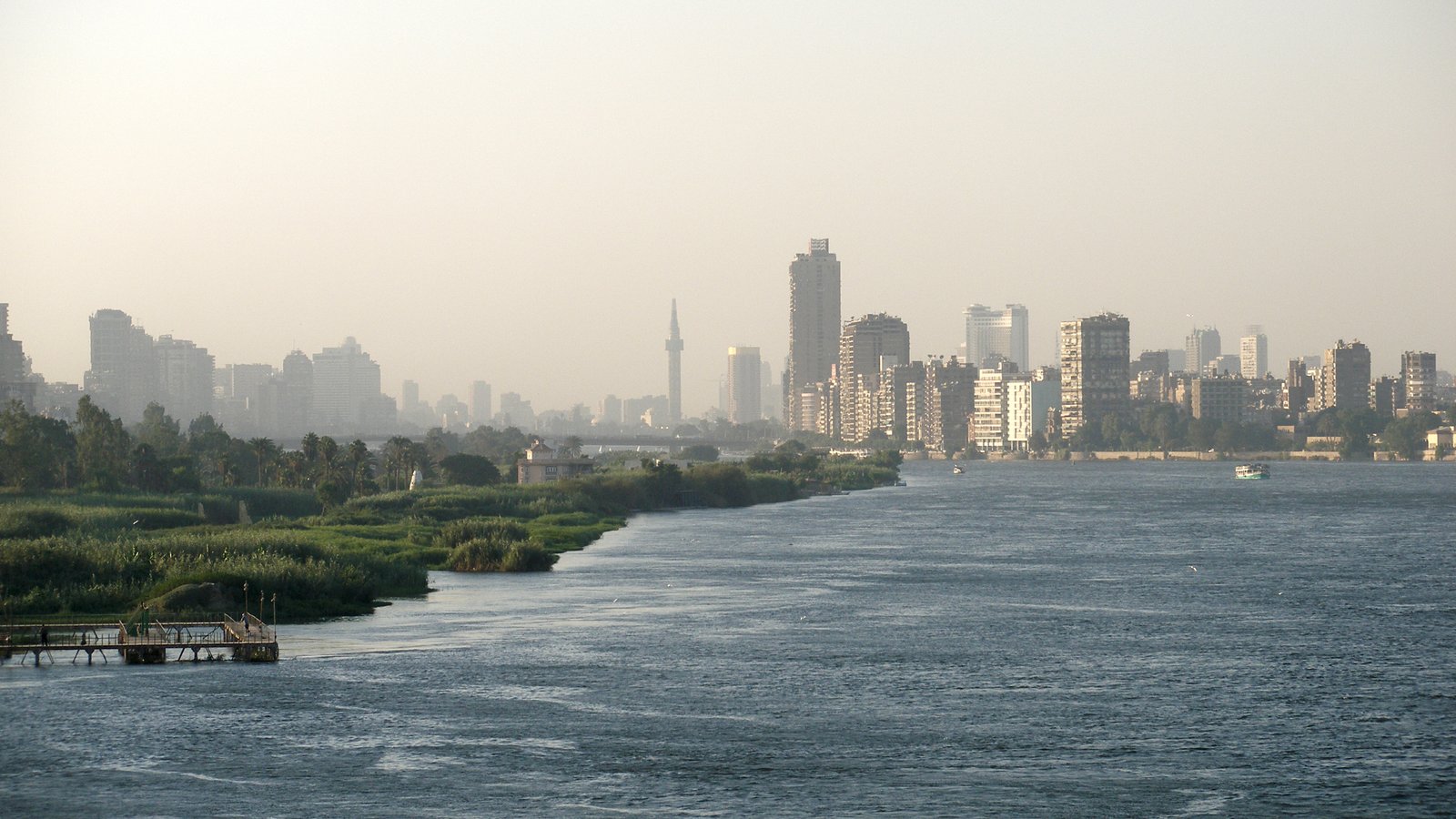
Where to be: Cairo is in the path. So is Tehran. So is Kabul, Kashgar, and several other central Asian cities. The Atlantic portion is the longest but uninhabited. Land-based totality is best in Africa and the Middle East.
Duration: Up to about 4 minutes 9 seconds over the central Atlantic.
Weather risk: Late March in the Middle East is generally clear and cool. Africa has variable cloud cover. Central Asia is cold but clear.
Why this one: It is far enough out that you cannot book specific tours today, but close enough that it is worth putting on a calendar.
What it costs: Too far out for serious pricing, but expect it to follow the pattern of the 2027 eclipse given the overlapping geography.
Cairo is the right answer for the March 30, 2034 eclipse, and is one of the named primary locations in the article’s path. Late March in the Middle East is generally clear and cool, which makes Cairo a strong viewing site for this eclipse. Tehran is the other named location on the path, with similar weather conditions. Totality runs to about 4 minutes 9 seconds over the central Atlantic but land-based totality is best in Africa and the Middle East. The 2034 eclipse is far enough out that tours are not bookable today, but close enough that it is worth putting on a calendar. A 7-day trip combining the eclipse with Cairo and the pyramids is the right shape when the bookings open.
Practical eclipse travel, the hard parts
Weather risk is the whole game
The single biggest variable in any eclipse trip is whether the sky is clear on eclipse day. You cannot do anything about the path, but you can choose where along the path to be based on the climatology of the date.
For Egypt in August: average cloud cover is the lowest of the three. Stay put.
For Australia and New Zealand in July: average cloud cover is high. Plan to be mobile along the path.
For 2034 in the Middle East in March: average cloud cover is low. Stay put.
Book 12 to 18 months out for major paths
Eclipse-specific tours sell out 12 to 18 months in advance for major events like 2024 (US) and 2027 (Egypt). The serious tour operators (Royal Adventures, Intrepid eclipse departures, Astronomos Tours, Insight Cruises eclipse sailings) typically open bookings 24 months out.
If you wait until 6 months out, you are choosing from what is left: usually longer trips, higher prices, less optimal viewing locations, and tours from operators without an established eclipse program.
Independent travel is fine for accessible paths
For 2027 (Egypt), independent travel is reasonable. You fly in, base yourself in Luxor, watch the cloud forecast, position to a clear viewing site on eclipse day.
Independent travel is harder for 2028 (Australia/NZ) because the path of totality is mostly rural, the weather risk requires mobility, and the inland logistics are non-trivial.
The eclipse itself is 4 minutes; the trip is 7 days
A common mistake is planning a 2-day trip. The eclipse might be clouded out on eclipse day, but the day before or after often has clear sky. Most experienced eclipse chasers plan for a 5 to 7 day window in the path region, then position based on the forecast.
Build the trip around a week in the eclipse region, with the eclipse day as the anchor but not the only point.
What to expect on eclipse day
The lead-up to totality takes about an hour. The first half of the partial phase looks unremarkable: the sun has a small bite out of it, like a cookie. Most people pay attention.
Around 75 percent coverage, the light starts to dim in a way that does not look like sunset. Shadows sharpen. Colors go flat.
In the last few minutes, shadow bands (rippling lines of light and dark) appear on the ground near you. The temperature drops sharply. The sky to the west is darkening. The moon’s shadow is approaching visibly from the west at about 1,000 mph.
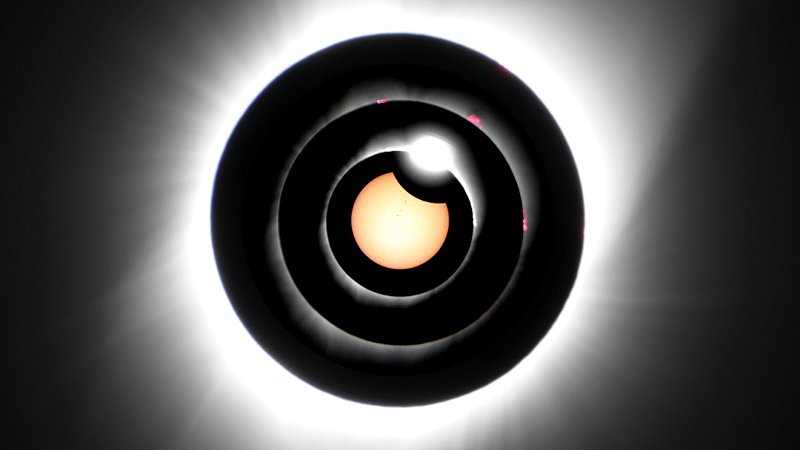
Totality arrives as a wall of darkness sweeping across the landscape. The corona appears. Stars come out. The horizon glows orange in every direction because you are seeing sunrise and sunset simultaneously.
Then it ends. Diamond ring. Bailys beads. The sun returns. The world brightens. People cheer or weep or stand silent.
Most eclipse chasers will tell you that the four minutes of totality are not enough. They are right.
Gear
- Eclipse glasses (ISO 12312-2 rated). One pair per person. Buy direct from a known manufacturer; the market is full of counterfeits.
- Solar filter for your camera or binoculars if you intend to photograph. Without the filter, you damage the sensor and your eyes.
- A chair or blanket for the partial phase. You are standing or sitting for over an hour.
- Water, snacks, sunscreen, hat, layers. The temperature drop during totality is dramatic, but the lead-up is hot or cold depending on the path.
You do not need a telescope. Most first-time eclipse viewers use nothing but their eyes.
After you have seen one
Most people who have seen one total eclipse book the next one within a year. This is not enthusiasm talking. It is a well-documented pattern.
The 2027, 2028, and 2034 eclipses are spread out enough that you could see all three. The first one is the one to commit to. The rest become easier because you know what you are committing to.
If you are reading this in 2027, you have time to plan 2028 properly. If you are reading this in 2028, you have time to plan 2034. Pick one.
Browse solar eclipse tours on Viator · Browse on GetYourGuide · Browse Intrepid’s eclipse departures
This article contains affiliate links to Viator, GetYourGuide, and Intrepid. If you book through these links, we may earn a commission at no extra cost to you. Our editorial recommendations are independent of affiliate relationships. See our affiliate disclosure for details.
Research note: Eclipse path data was reviewed in Summer 2026. Path dates and durations are astronomically determined and stable; verify against NASA or the IAU Working Group on Solar Eclipses before publication. Tour operator specifics (package availability, pricing, group sizes) should be checked directly with each operator at the time of booking, as these change frequently.