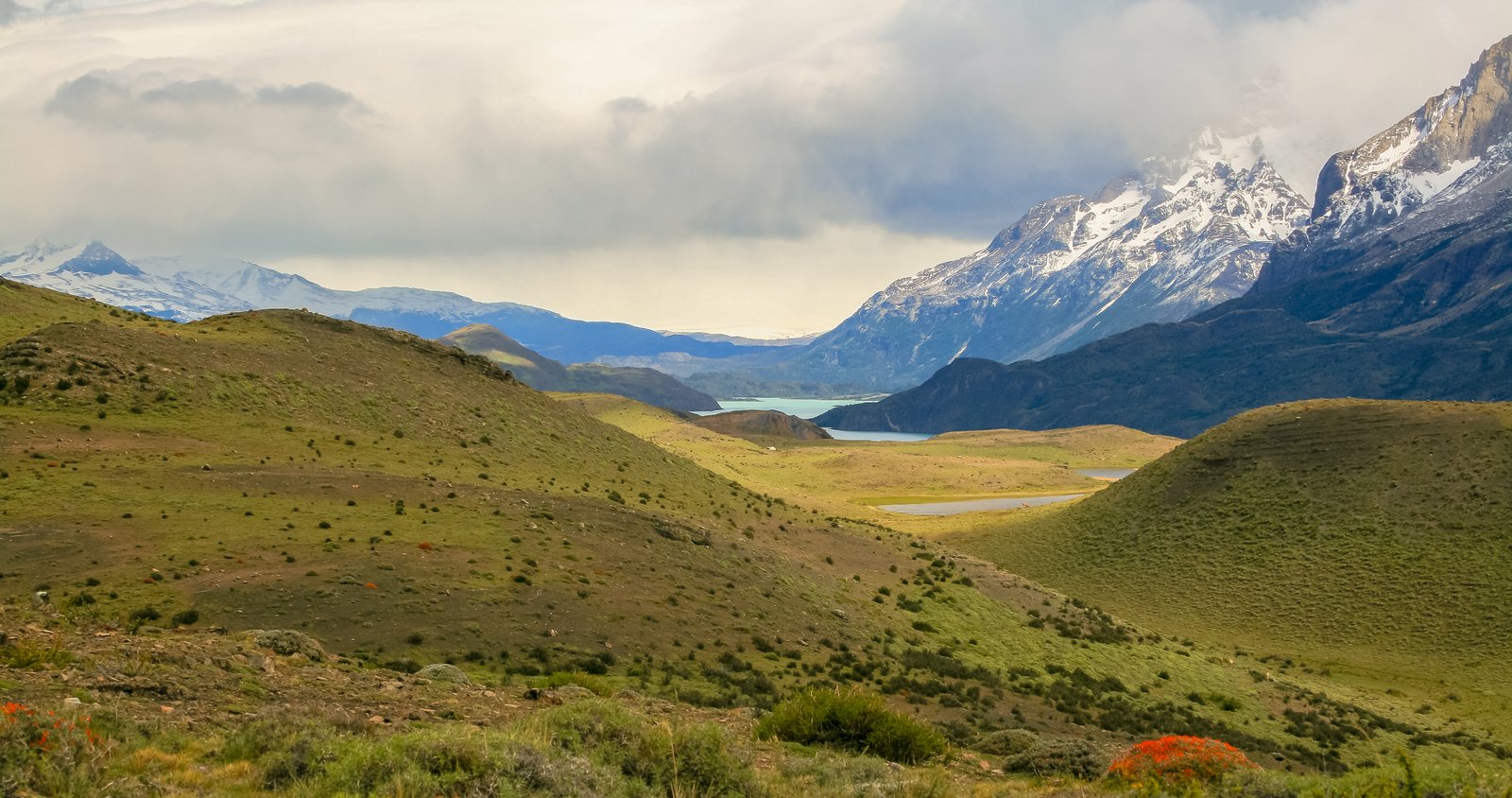
Patagonia is the trip people over 60 either book or regret not booking. The terrain looks intimidating in photos. The reality, with the right itinerary, is different. The hiking is moderate, not extreme. The lodges are comfortable. The food is good. The glaciers and mountains are exactly what the photos show. The hard part is the weather and the distance, not the physical demand.
This guide covers what Patagonia is actually like for travelers in their 60s, what the right itinerary looks like, what physical preparation matters, and what to skip.
Browse Patagonia tours on Viator · Browse on GetYourGuide
The two regions, and which to pick
Patagonia is shared by Chile and Argentina. Most trips visit one or both, but the geography, the itineraries, and the experience are different on each side.
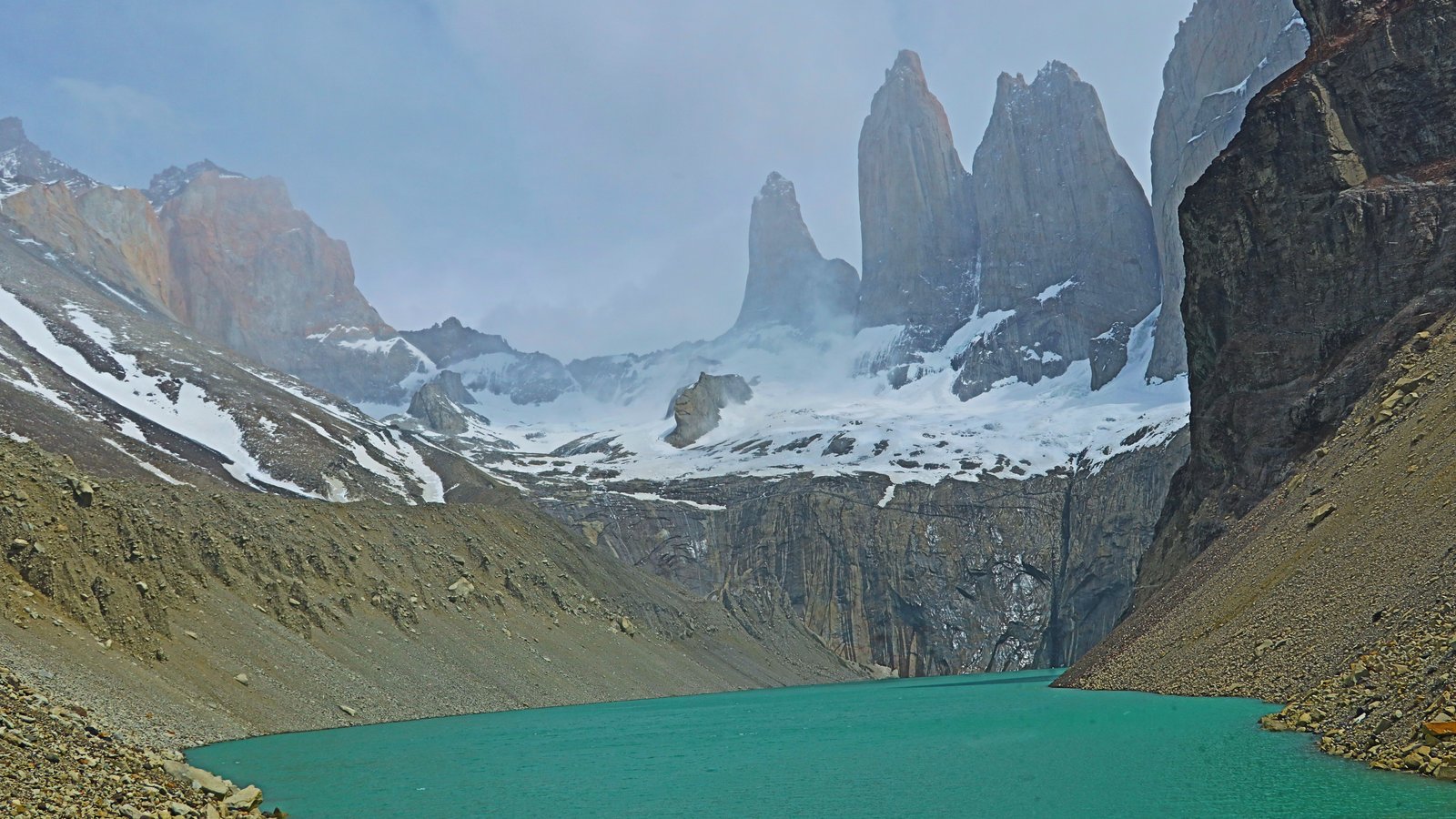
Chilean Patagonia (Torres del Paine, near Puerto Natales): This is the more famous side and the one most travelers pick. The Torres del Paine National Park has the iconic granite towers, the Grey Glacier, and the most-photographed viewpoints in Patagonia. Most guided trips are 7 to 10 days, based in lodges or refugios, with day hikes to viewpoints and one or two full-day hikes.
Chilean Patagonia, anchored at Torres del Paine, is the more concentrated version of a Patagonia trip. Puerto Natales is the natural gateway town, a 2.5-hour drive from Punta Arenas airport and the place to spend a night before the trek. Torres del Paine National Park itself has the iconic granite towers, the Grey Glacier, and the most-photographed viewpoints in Patagonia. A 7- to 10-day trip, based in lodges or refugios with day hikes to viewpoints and one or two full-day hikes, is the right answer for most travelers. The W trek and the O circuit are the two named multi-day options, both with established refugio infrastructure.
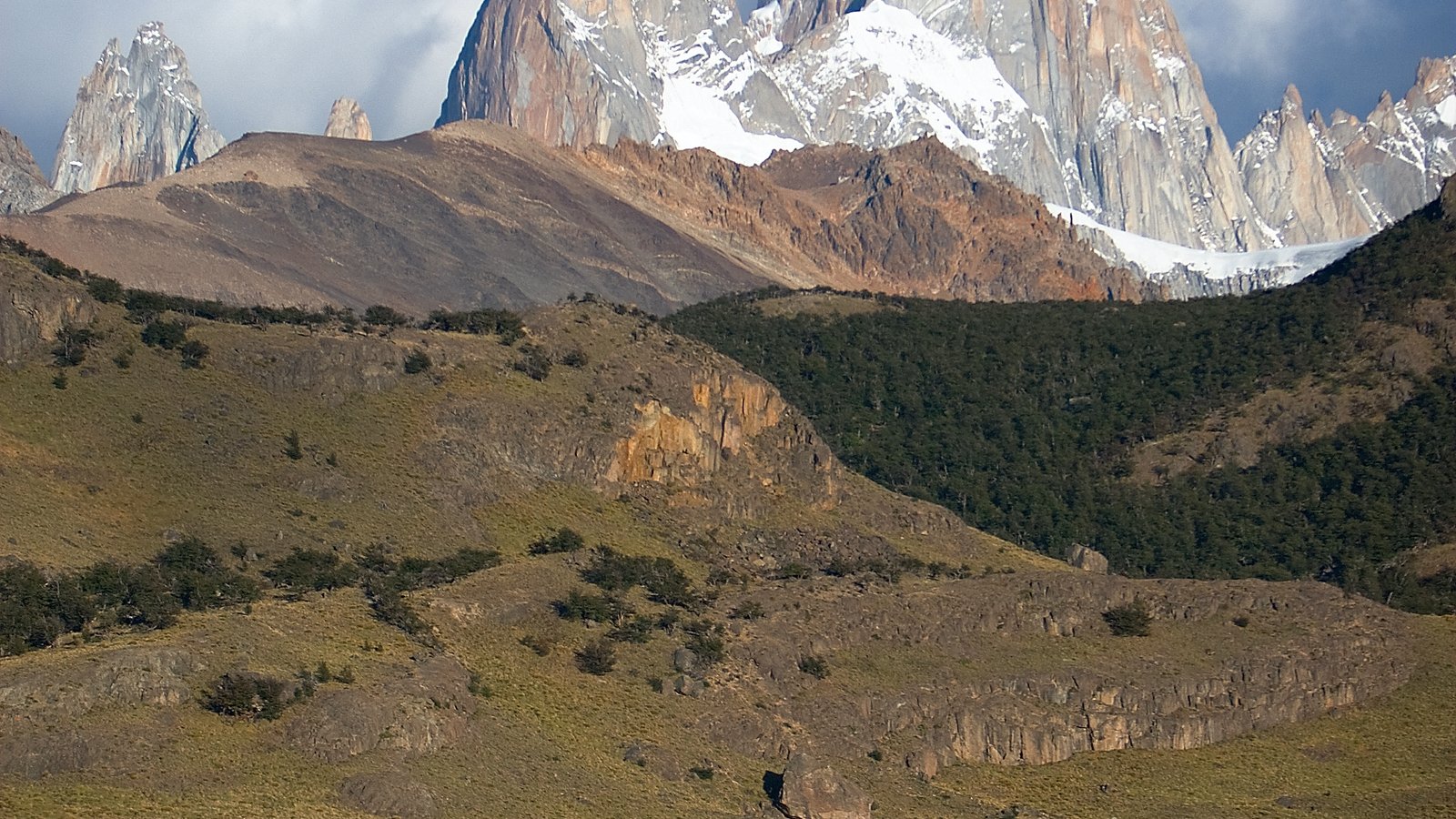
Argentine Patagonia (El Chaltén, El Calafate, near Mount Fitz Roy): This is the trekking capital. El Chaltén is a small town with trailheads leading into the Fitz Roy massif.
Argentine Patagonia is the trekking capital of the region, and El Chaltén is the natural base for travelers who want hiking variety. The town sits at the trailheads of the Fitz Roy massif, with day hikes of every length from short walks to the Laguna de los Tres viewpoint to longer days into the mountains. El Calafate, further east, is the gateway to the Perito Moreno Glacier and a 3-hour drive from El Chaltén. Most Argentine Patagonia trips focus on hiking and glaciers, with the option to cross to Chile for Torres del Paine. For travelers who want hiking first and glaciers second, El Chaltén is the right answer.
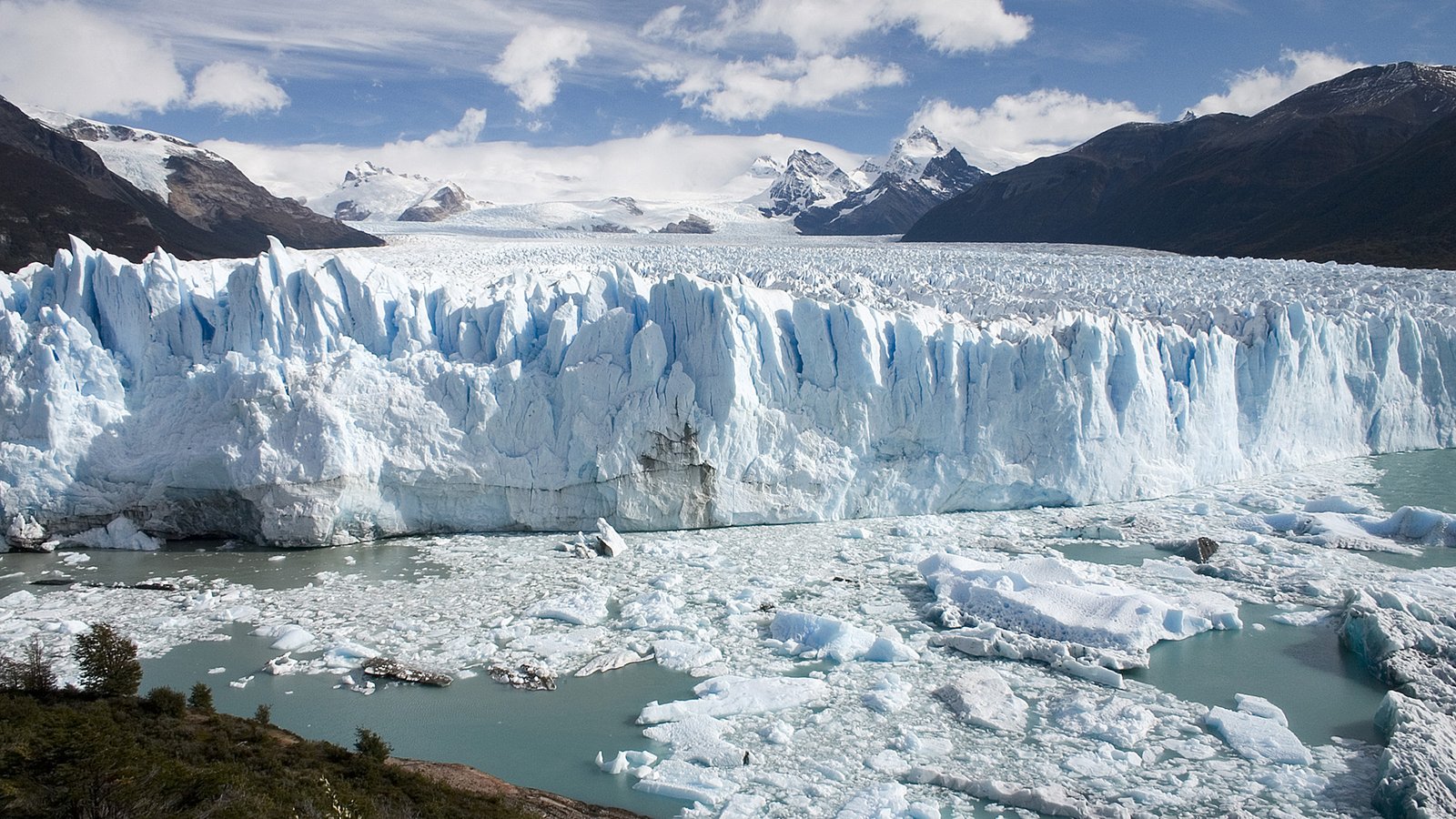
El Calafate is the gateway to the Perito Moreno Glacier. Most Argentine Patagonia trips focus on hiking and glaciers, with the option to cross to Chile for Torres del Paine.
The right choice depends on what you want to see:
- For the iconic towers-and-glacier views: Chile (Torres del Paine).
- For hiking variety: Argentina (El Chaltén has more and shorter hike options).
- For both: A two-country itinerary, usually 10 to 14 days, combining Torres del Paine and El Chaltén.
For travelers over 60 with limited time, the most efficient single-side trip is 7 days in Torres del Paine. For two countries, plan 10 to 14 days.
What “moderate” hiking actually means
Patagonia’s marketing often uses the word “moderate” without defining it. Here is what moderate looks like in practice for the standard Torres del Paine itineraries:
- Trail distance: 5 to 10 miles per day on full hike days. Some days are 3 to 5 miles (viewpoint hikes). Most itineraries include 2 to 4 “big hike” days and 3 to 5 “easy” days.
- Elevation gain: 1,000 to 2,000 feet on the harder days. The Torres del Paine towers hike (the famous one) is about 1,800 feet of gain over 4 miles. The longer version is more.
- Trail surface: Mostly groomed trail with some rocky sections. Not technical. No scrambling, no exposure, no ropes. Wet or muddy sections can be slippery.
- Pace: Most guided groups walk at 1 to 1.5 mph on the uphills, faster on the flats. If you can keep up with a brisk walk on flat ground, you can keep up with the group.
The honest assessment: if you hike a few miles a week at home and can handle stairs without trouble, Torres del Paine is achievable. If you’ve done any real hiking in the last decade, it’s easy. If you haven’t hiked in years, it will be hard.
The W trek and O circuit: what to know
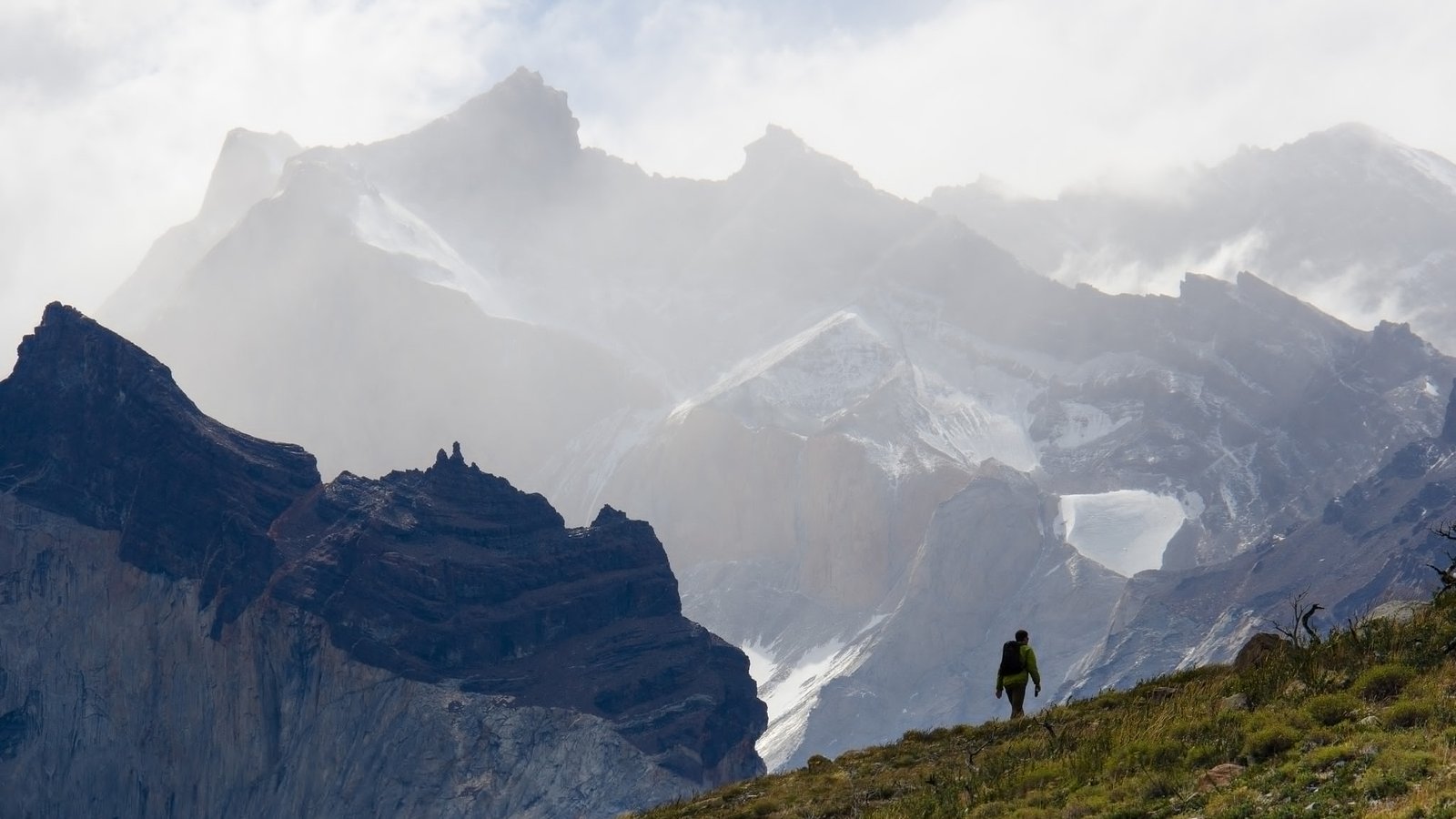
The Torres del Paine park has two main multi-day routes:
The W trek: 4 to 5 days. Shaped like a W on the map. Visits the three main viewpoints (the towers, the French Valley, and Grey Glacier). Out-and-back from the same refugios, so you don’t carry your full pack. This is the right choice for most travelers over 60.
The O circuit (Full Circuit): 7 to 9 days. Circles the entire mountain range, including the longer “back side” which is more remote and less trafficked. Recommended for serious hikers only. Most over-60 travelers skip this.
The W trek is what most guided tours use, including the ones marketed for 60-plus travelers. It hits the same three viewpoints as the O circuit but with shorter days and no back-side segment.
If you’re self-organizing rather than using a guided trip, the W can be done on a day-walk basis from base lodges without sleeping in refugios. This is the easier version. Most guided tours include refugio stays, which add a sense of adventure but also add physical demand.
Itinerary structure that works for over 60 travelers
The good Patagonia itineraries for over 60 travelers share several traits:
- Day 1 acclimatizes. Arrival in Puerto Natales or El Calafate, low key, hotel dinner. The first day is for sleep, not hiking.
- Days 2-3 are warm-ups. Shorter hikes, lower elevation. The body adjusts to the altitude (Patagonia is at sea level to 9,000 feet depending on trail) and the distance from home.
- Days 4-6 are the main hikes. The Torres towers, the French Valley, and Grey Glacier. These are the days with 1,000+ feet of elevation gain and 5-10 miles.
- Day 7 is a rest or short activity. Often a boat ride on Grey Lake or a short viewpoint hike. Recover day before the long travel home.
This is the standard structure for REI Adventures, G Adventures, Intrepid, and most other reputable operators. If a trip’s day-by-day itinerary looks much more aggressive than this, it is targeted at experienced hikers, not boomers.
The weather reality
Patagonia is famous for wind and rapidly changing weather. The honest reality:
- Wind: 30 to 60 mph is normal in summer (December to February). Gusts over 80 mph happen. Bring a real wind shell (not a fashion windbreaker) and a buff for your face.
- Rain: It can rain any day, any time, in summer. Expect some wet days. Pack rain pants, not just a rain jacket.
- Temperature: Summer days are 50 to 70 F, nights 35 to 50 F. It is not cold. But wind chill makes it feel colder.
- Snow: Possible at elevation year-round. The towers hike can have snow on the trail in mid-summer.
- Daylight: 16+ hours in December-January. You can hike until 10 PM and still see the trail.
The practical effect: layers matter more than any single heavy item. Pack a wind shell, a rain shell, a fleece or light insulation layer, and quick-dry base layers. Skip the heavy parka.
What to skip
Three things that look essential but aren’t, and that you should skip or substitute:
The full O circuit. Already covered above. The W is the better choice for most travelers over 60.
Refugio overnight stays. The W can be done as day hikes from a base lodge. The refugios are an experience (shared bunk rooms, communal dinners, no showers) that some travelers love and others find exhausting. If you want comfort, day hikes from a base lodge is the way.
Hard-charging 7-day itineraries that try to fit both countries plus horseback riding plus a glacier trek. You can do a lot in Patagonia but not all of it. Pick one focus per trip.
The operator question
There is no single right operator for Patagonia. The names you will see most:
- REI Adventures: Generally the most conservative and best-paced for boomer travelers. Smaller groups (8 to 12 people), strong naturalists, comfortable lodges. Higher price.
- G Adventures: Mid-range price, larger groups (12 to 16), younger demographic on average, but they run several “comfort” or “national-geographic” itineraries that skew older.
- Intrepid Travel: Similar to G Adventures in price and group size. Intrepid’s “comfort” tier is the right fit for over 60 travelers.
- Quasar Expeditions: Patagonia-focused operator with luxury lodges. Higher price. Smaller groups. Worth a look if budget is no constraint.
- Patagonian-specific local operators: Smaller companies like EcoCamp, Chile Nativo, and various El Chaltén outfitters. Usually excellent quality, harder to book without Spanish fluency or a US-based travel agent.
For most over 60 travelers, REI Adventures or Intrepid’s comfort tier is the safest starting point. If budget is unconstrained, Quasar. If budget is constrained, G Adventures.
The cost reality (2026 prices)
- REI Adventures 10-day Torres del Paine: $6,000 to $9,000 per person, double occupancy, including flights from Santiago
- Intrepid comfort 9-day Torres del Paine: $4,500 to $7,000 per person, including flights from Santiago
- G Adventures 8-day Torres del Paine: $3,500 to $5,500 per person, including flights from Santiago
- Quasar 9-day Torres del Paine: $9,000 to $13,000 per person, including flights from Santiago
- Self-organized with day hikes: $2,500 to $4,500 per person excluding international flights and assuming mid-range hotels
Add $1,200 to $2,000 per person for round-trip flights from the US to Santiago. Add $400 to $800 for the domestic flight Santiago to Puerto Natales. Park entry fees are modest ($25 to $40 for the multi-day pass).
The bottom line
Patagonia at 60-plus is achievable. The marketing photos are accurate. The trails are real. The wind is real. The food and the lodges are better than you expect.
Pick an itinerary that is 7 to 10 days, with day hikes from a base lodge. Pick an operator whose group size is under 14. Pick the W trek, not the O circuit. Bring a real wind shell.
You will come back tired and glad.
Browse Patagonia tours on Viator · Browse on GetYourGuide
This article contains affiliate links to Viator and GetYourGuide. If you book through these links, we may earn a commission at no extra cost to you. Our editorial recommendations are independent of affiliate relationships. See our affiliate disclosure for details.
Research note: Patagonia operator schedules, itineraries, and pricing were reviewed in Summer 2026. Park entry fees, weather patterns, and trek conditions should be verified at the time of booking. Operator specifics for REI Adventures, G Adventures, Intrepid, and Quasar should be confirmed directly with each operator as these change seasonally.