European river cruising has matured into a real product, not a curiosity. The ships are smaller than ocean liners (190 passengers vs. 2,000-plus), the ports are city centers, and almost everything is included in the fare.
It is also more expensive per night than ocean cruising, which surprises people. The math makes sense once you understand what is bundled and what is genuinely different about the experience.
This is a comparison of the rivers worth sailing, the operators doing them well, and the actual price ranges you should expect for a 2027 season sailing.
Browse European river cruises on Viator · Browse on GetYourGuide
The short version
Choose Viking if you want the most polished mainstream river cruise product and you can be flexible on exact dates. Viking runs more European river ships than any other operator by a wide margin and has the most consistent onboard experience.
Choose AmaWaterways if you want included excursions at every stop, an active wellness program on board, and a slightly more food-focused experience. Their fleet is smaller and the average age skews younger than Viking.
Choose Avalon Waterways if you want more cabin space per dollar and panoramic windows in most cabins. Their Suite Ships have sliding glass walls that turn the bedroom into a balcony.
Choose Tauck if you want a smaller ship (130 passengers max), more included experiences, and a higher service standard. Tauck is the most premium option per night and the least likely to feel crowded.
Choose Emerald Cruises or Scenic if you want modern design at a step below Viking’s price. Both lines offer similar products with slightly different design philosophies.
For the Douro specifically, consider CroisiEurope or a small-ship specialist. The Douro is narrower and more dramatic than the Danube or Rhine, and smaller ships do it better.
For the Rhine and Danube, you cannot go wrong with the major lines. The differences come down to cabin style, food philosophy, and included excursion depth.
Why river cruises cost more per night than ocean cruises
A 7-night Danube cabin from Viking runs roughly 3,500 to 7,000 USD per person in 2026 dollars, depending on season and cabin category. A 7-night Mediterranean ocean cruise on a similar line might run 1,200 to 3,000 USD.
The math:
- Smaller ships mean higher per-passenger costs. A river ship carries 190 people. An ocean ship carries 2,000. The river ship has to amortize the crew, the fuel, the food, and the port fees across far fewer people.
- Virtually everything is included. Beer, wine, soft drinks, coffee, excursions, Wi-Fi, gratuities, and tips are usually part of the fare. On an ocean cruise those line items are extra.
- Ports are city centers, not tender points. A river cruise can dock 200 meters from a main square. An ocean cruise often tenders or buses passengers in from industrial ports.
- Cabins are smaller but the experience is denser. Most river cruise passengers don’t spend much time in their cabin.
The result is a higher nightly rate for what is, in practice, a more inclusive and less crowded product.
The four rivers worth sailing
The Danube: the workhorse
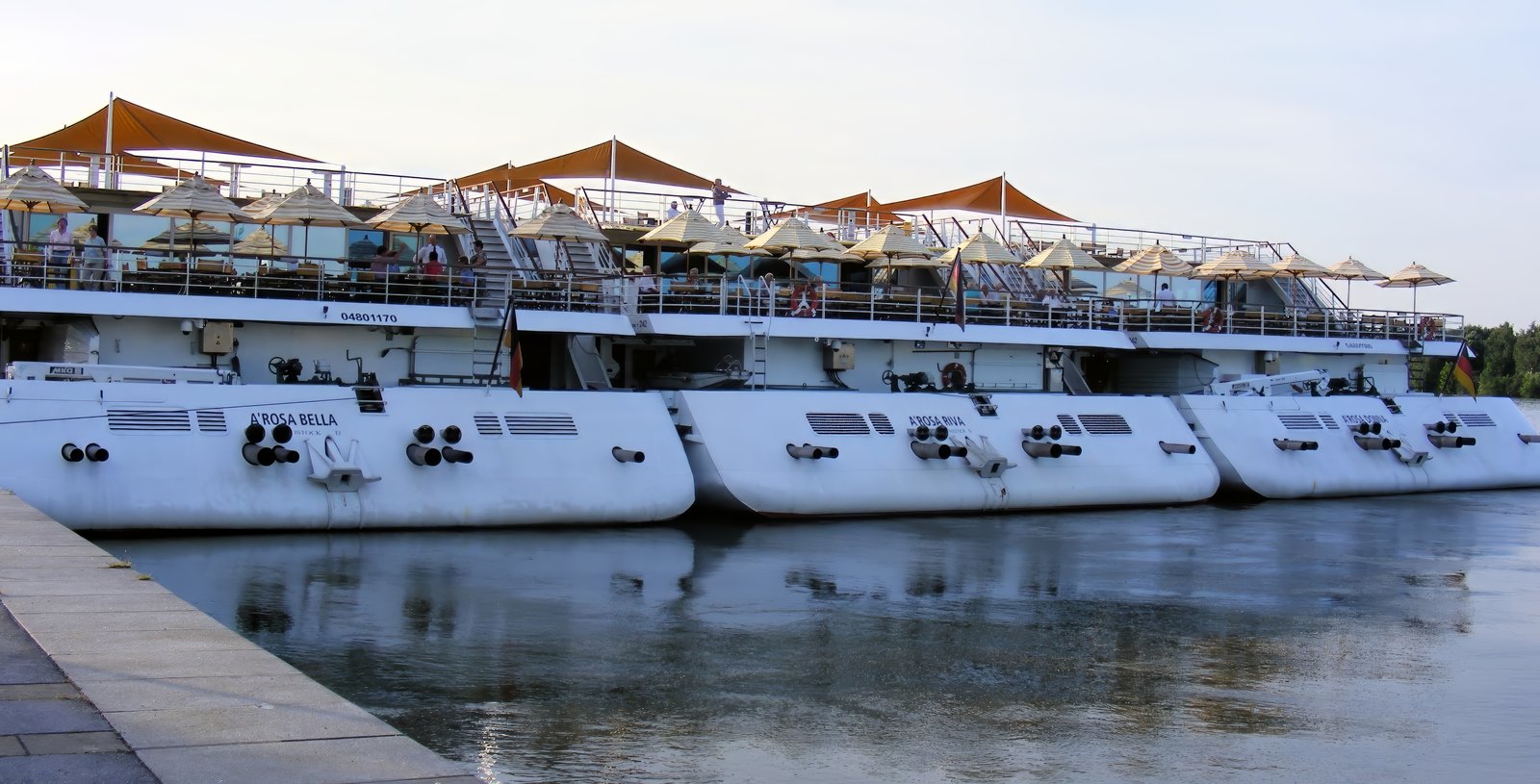
The Danube runs from Bavaria through Austria, Slovakia, Hungary, and Croatia to Romania and beyond. A 7-night Budapest-to-Passau or Passau-to-Budapest sailing is the classic European river cruise.
What makes it work: the cities are major (Vienna, Budapest, Bratislava, Linz, Salzburg as an excursion). The scenery is varied but not dramatic. The pace is relaxed without feeling slow.
What to know: the Wachau Valley between Melk and Dürnstein is the scenic highlight. Bratislava is often dismissed as a stop but has a walkable old town that is worth the morning. Budapest at night from the river is the best city view in Europe.
Best for: first-timers who want a clear, varied itinerary that delivers what it promises.
A Danube river cruise is built around the cities it touches, and the strongest version of the trip treats Budapest and Vienna as the two anchor days. Budapest rewards at least a full extra night before boarding — the river at night from the Chain Bridge or the Citadella is the view people remember most — and Vienna is the stop where most travelers book a private guide for an afternoon in the historic center rather than relying on the ship’s included tour. Linz and Salzburg pair well together as a single excursion day: a Mozart morning in Salzburg, a Danube afternoon back in Linz. Bratislava, often skipped, is a half-day walk through the old town that pays back the time. A Danube cruise works best when it is the spine of an Austria-Hungary trip, not the whole trip.
The Rhine: castles and efficiency
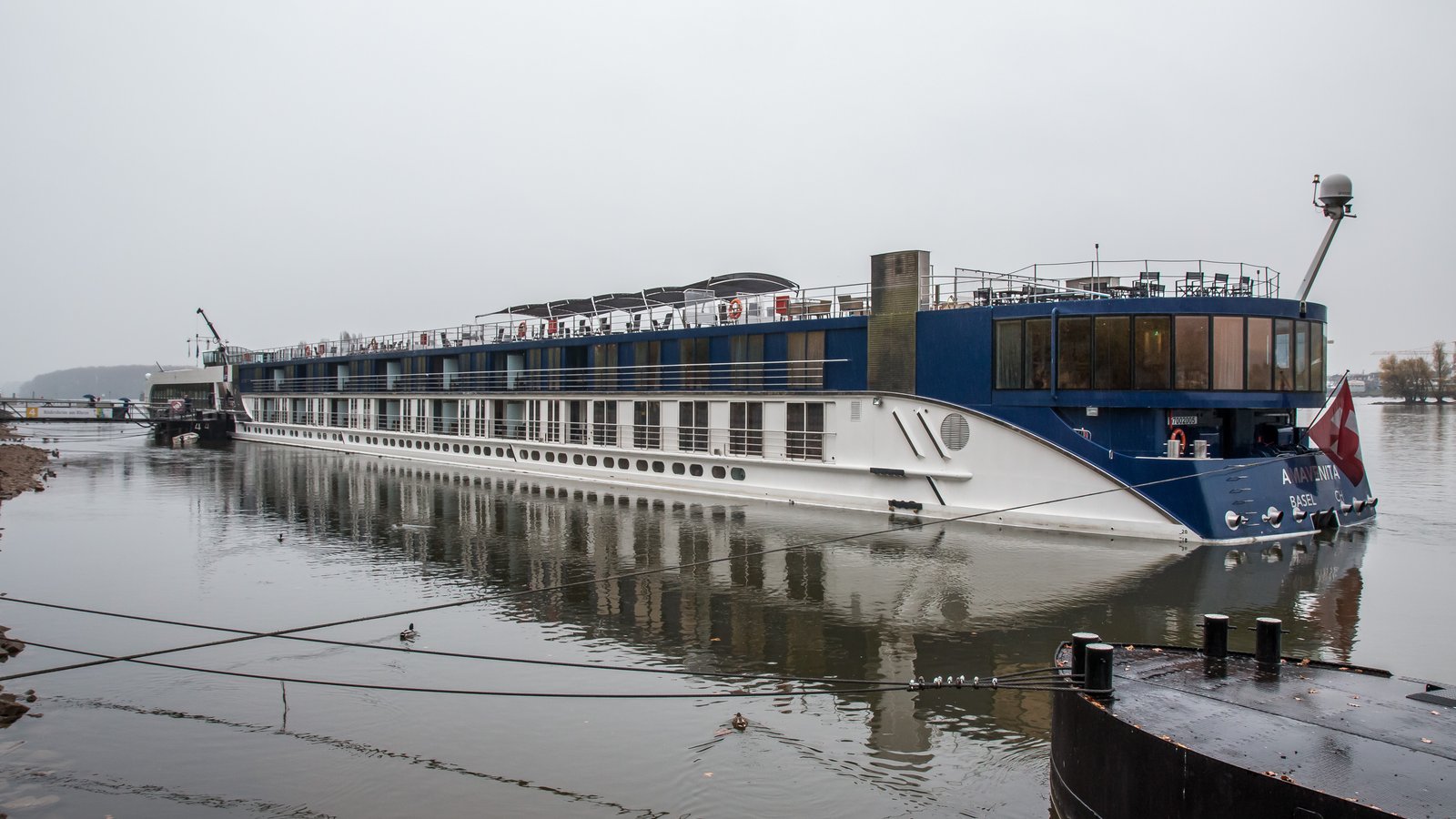
The Rhine runs from the Netherlands up through Germany to Switzerland. A 7-night Amsterdam-to-Basel sailing is the standard route.
What makes it work: the Middle Rhine between Koblenz and Mainz has the highest density of castles per kilometer in Europe. The Cologne cathedral stop is a half-day and worth it. Strasbourg is in France and feels like it.
What to know: this is the most efficient river cruise. The ship moves more, the excursions are tighter, and the itinerary feels full without feeling rushed. If you want the most picturesque single stretch, the Middle Rhine is it.
Best for: travelers who want castles, cathedrals, and a Germany-focused itinerary.
A Rhine cruise is at its strongest when the castles are paired with one or two anchor cities beyond the standard stops. Amsterdam is the natural bookend: a night or two before boarding lets the cruise become a closing chapter rather than a rushed arrival. Cologne is a half-day, but the cathedral and the riverfront walk are worth the stop. Strasbourg, sitting in France on the German border, rewards a full afternoon — the old town, the cathedral, the canals. The Middle Rhine gorge between Koblenz and Mainz is the stretch travelers remember most, and most ships time it for daylight. Plan the cruise around the castles rather than the cities, and let the German towns on either side carry the rest of the trip.
The Douro: dramatic and quieter
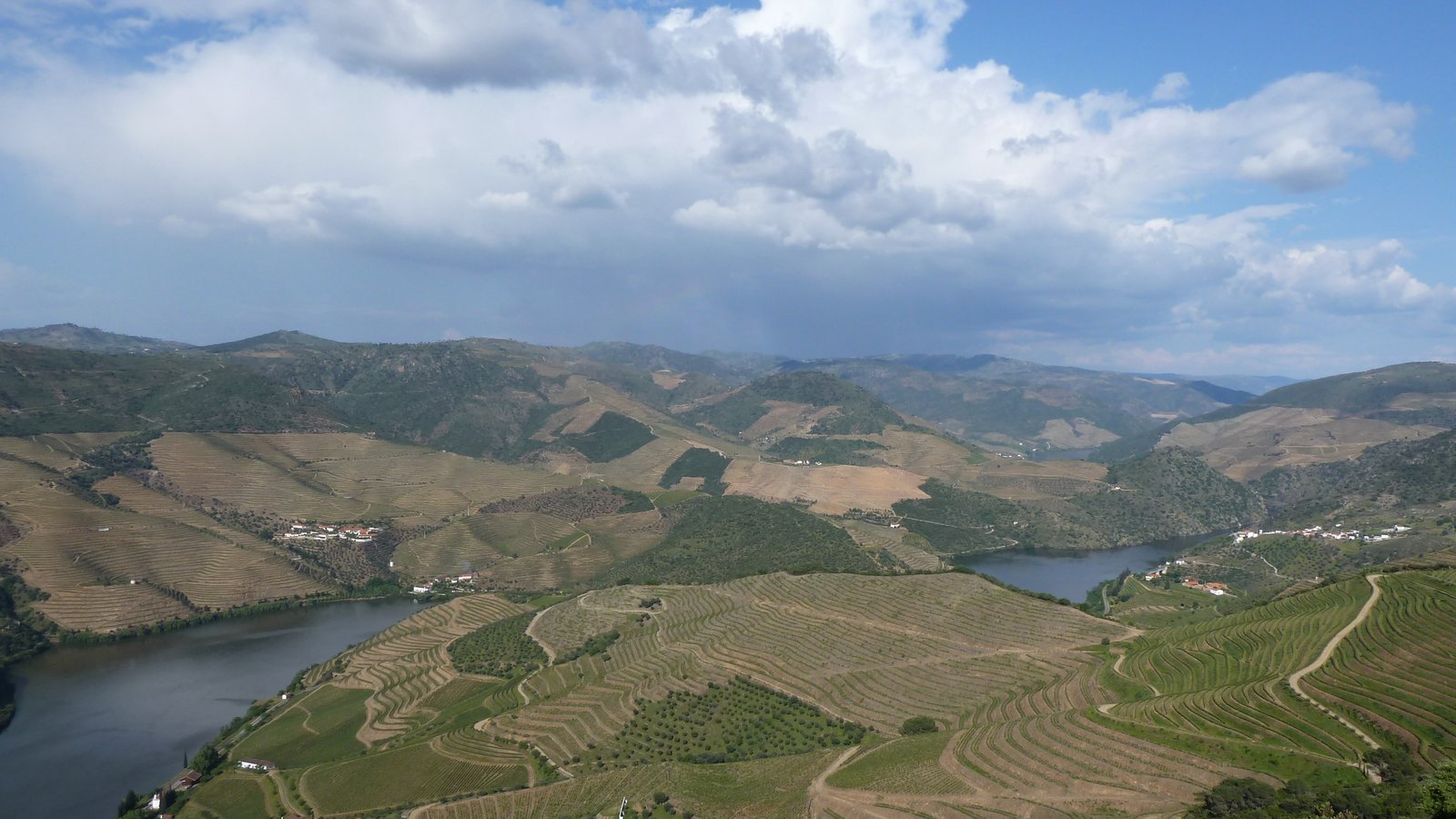
The Douro runs through Portugal and into Spain. A 7-night Porto round-trip is the standard route.
What makes it work: the river cuts through a steep valley lined with terraced vineyards. The scenery is more dramatic than the Danube or Rhine. Portugal itself is the draw, and the cruise is essentially a moving hotel in the Douro Valley.
What to know: this is a smaller market. Viking, Emerald, Scenic, and a few specialist operators run here, but the ship count is much lower than on the Danube or Rhine. Book early for the May grape-bloom and September harvest periods.
Best for: wine-focused travelers who have already done the Danube or Rhine and want something different.
A Douro cruise is at its best when the river is the spine of a longer Portugal trip. Porto is the natural bookend city: a night or two in the Ribeira, a tasting at one of the port houses along the river, and a slow morning in the Bolhão market before the cruise starts or after it ends. Pinhão and the Alto Douro vineyards are the scenic heart of the sailing, and a stop at one of the quinta wineries is the day’s most memorable excursion. Lisbon is the strongest opening city for travelers flying in, and it pairs with Porto as a two-city Portugal trip rather than competing with the cruise. For travelers who want a quieter, wine-focused European river cruise, the Douro is the right answer.
The Seine: Paris and Normandy
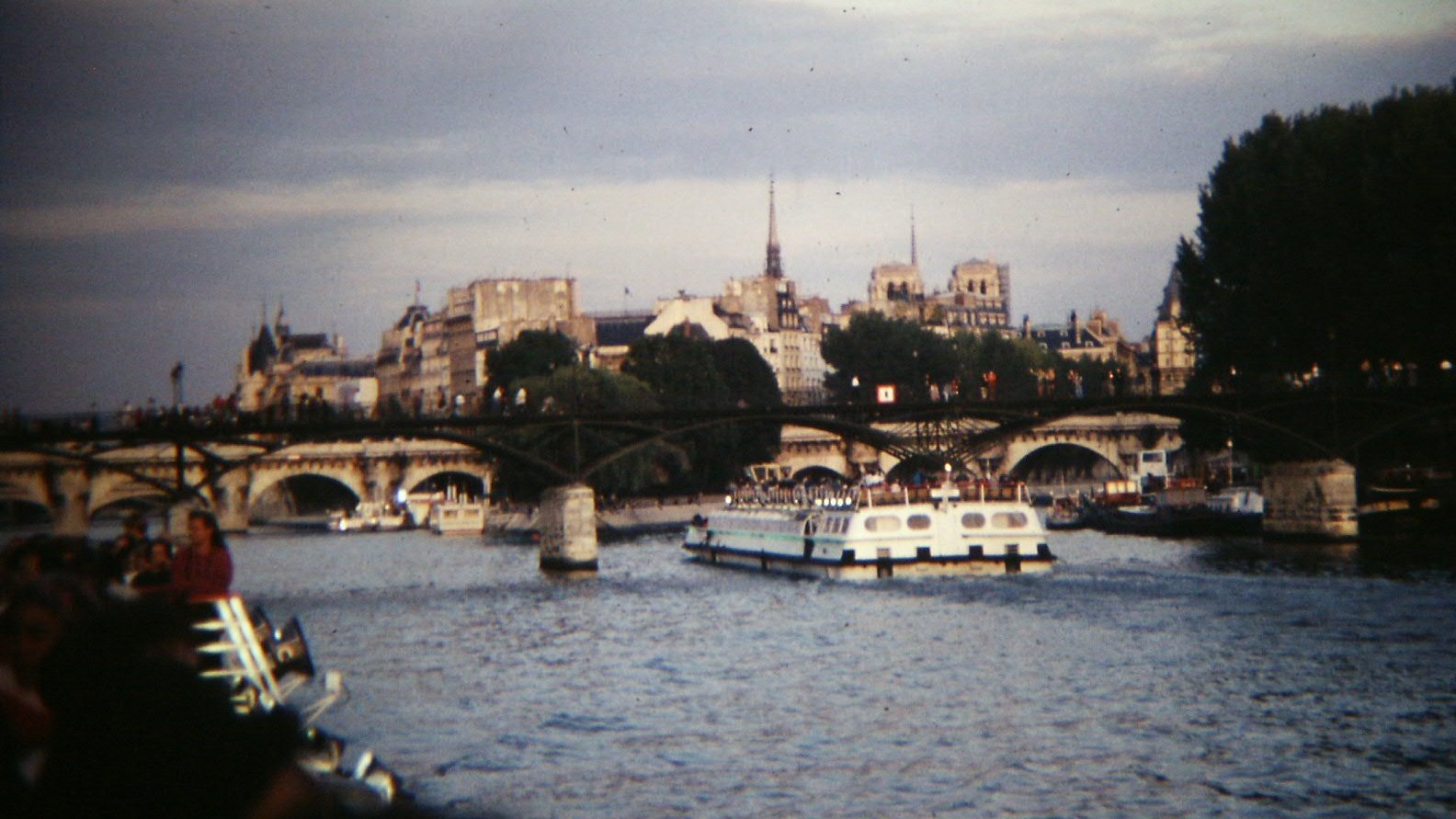
The Seine runs through Paris and out to the Normandy coast. A 7-night Paris round-trip is the standard route.
What makes it work: you sail past the Eiffel Tower. The Normandy beaches are an excursion stop. Honfleur is the prettiest port in France. Giverny is a half-day that most gardeners will want to extend into a full day.
What to know: river levels on the Seine are unpredictable. Some 2025 sailings were shortened or rerouted because of low water. The Seine is also more affected by French labor actions than the German rivers.
Best for: travelers who want Paris and Normandy in one trip, and who don’t mind the risk of an itinerary adjustment.
A Seine cruise is at its strongest when Paris is the spine of the trip rather than the start or end. A night or two before the cruise lets Paris open up: the Marais, the Latin Quarter, a slow evening walk along the river. Honfleur is the prettiest port on the cruise and rewards an evening ashore if the ship allows. The Normandy beaches excursion is the heaviest day, and travelers with limited mobility should plan for a half-day version rather than the full D-Day circuit. Giverny is best as a quiet half-day on a separate excursion slot from the beaches. Plan around low-water risk: a Seine cruise in late spring or early fall gives the river more margin than a high-summer booking.
What is included in a river cruise fare
Most Viking, AmaWaterways, Avalon, Emerald, and Scenic fares include:
- All meals on board, including the multi-course dinner and a casual lunch option
- Beer, wine, and soft drinks with lunch and dinner
- Coffee, tea, and water at all times
- Wi-Fi (typically slow but functional)
- At least one shore excursion per port
- Gratuities for the crew
- Port fees and taxes
Things that are usually extra:
- Airfare to and from the embarkation city
- Optional premium excursions (private tours, food and wine experiences, after-hours access)
- Spa treatments
- Specialty coffees and premium spirits
- Travel insurance
The Viking fare specifically includes the “Culture Curriculum” onboard talks, which is the company’s main differentiation. AmaWaterways includes more active excursions (hiking and biking tours at most stops) and a wellness program with daily exercise classes.
Cabin types that matter on river ships

Most river cabins are 150 to 200 square feet. That is small by hotel standards. Two things help:
- French balconies are sliding glass doors that open but don’t add floor space. They make the cabin feel larger and give you a view.
- Verandas are actual outdoor balconies with chairs. They are smaller than ocean cruise verandas but still useful in good weather.
- Suite Ships (Avalon’s name for them, also used by Viking and AmaWaterways) are 200-plus square feet with a separate seating area.
If you spend most of your day out of the cabin, a standard cabin is fine. If you want to sit and read with a view, the French balcony is worth the upgrade. If you want to entertain in the cabin, the suite is worth the upgrade.
Accessibility matters more than on ocean ships because the ship is smaller and the cabin layout is fixed. Check the exact ship’s accessibility cabin, not the line’s reputation.
The Viking question
Viking dominates the European river cruise market. They run more ships on more rivers than any other operator. This matters for two reasons:
Pros: Consistent experience across ships. The food, the service, and the onboard vibe are similar whether you’re on the Danube, the Rhine, or the Douro. The included excursions are well-organized and the optional premium excursions are usually worth it.
Cons: The fleet is large enough that you may share a sailing with a few hundred other passengers across multiple ships in port. Smaller lines feel more exclusive.
Viking’s pricing is generally mid-to-upper for the market. You pay a premium for the consistency but you don’t pay the absolute premium (that would be Tauck).
Before Viking’s public site became inaccessible to this research browser, the Viking Longship fleet and the Douro river cruise operator list were standard reference points for the European river market. Verify current pricing and inclusions directly with Viking before publication.
Other operators worth knowing
- AmaWaterways: Active excursions included, more food-focused, smaller fleet than Viking but newer ships.
- Avalon Waterways: Suite Ships with panoramic windows, often the best cabin-per-dollar value.
- Tauck: Premium service, smaller ships (130 passengers max), most expensive per night.
- Emerald Cruises: Modern design, slightly below Viking on price, smaller fleet.
- Scenic: Australian-based, all-balcony suites, similar to Avalon in approach.
- CroisiEurope: French operator with smaller ships, especially strong on the Douro and the French rivers.
- Uniworld: Boutique feel, Italian design, premium pricing, smaller ships.
For most travelers, the choice comes down to Viking vs. AmaWaterways vs. Avalon. The other lines matter if you want something different (smaller ships, design focus, French operator).
How to pick the right sailing
- Pick the river that matches what you want to see (castles on the Rhine, cities on the Danube, wine on the Douro, Paris on the Seine).
- Pick the operator whose onboard style fits you (Viking for consistency, AmaWaterways for active, Avalon for space, Tauck for premium).
- Pick the cabin by how you’ll use it (standard for sleeping, French balcony for the view, suite for entertaining).
- Book 9-12 months out for shoulder season, 6-9 months for peak season.
- Check the water-level forecast for the sailing you want. The European rivers have had real drought issues in recent summers.
The worst way to pick a river cruise is by ship comparison alone. The river matters more than the ship.
Browse European river cruises on Viator · Browse on GetYourGuide
This article contains affiliate links to Viator and GetYourGuide. If you book through these links, we may earn a commission at no extra cost to you. Our editorial recommendations are independent of affiliate relationships. See our affiliate disclosure for details.
Research note: Operator and pricing details were checked July 20, 2026. Viking’s public site was unavailable to this research browser on that date. Before publication, verify current fares, fleet details, inclusions, and 2027 sailing availability directly with each named operator.