Japan is the destination where the small-group argument is strongest for older travelers. Compare it to Thailand (which rewards independent wandering), Vietnam (which rewards guided structure), or Morocco (which is navigable in a private car with a French-speaking driver). Japan is the destination where language, transit, etiquette, and depth make a guided trip a real service to the traveler rather than just a convenience.
This article is for travelers over 60 who have never been to Japan and want an honest read on whether the country fits what they want from a trip. It assumes small-group guided travel is the right shape for a first visit, based on the above, and works through the practical questions of where to base, when to go, which operator to choose, and how much it costs.
G Adventures Japan tours · Intrepid Japan tours
What Japan does for a 60-plus traveler
Cleanliness, order, and predictability. Japan runs on schedule. Trains depart on the minute. Restaurants seat you on time. Buses arrive when they say they will. For a 60-plus traveler with low tolerance for chaos, Japan’s day-to-day rhythm is a relief after the unpredictability of most other destinations. The country runs the way the rest of the world claims to.

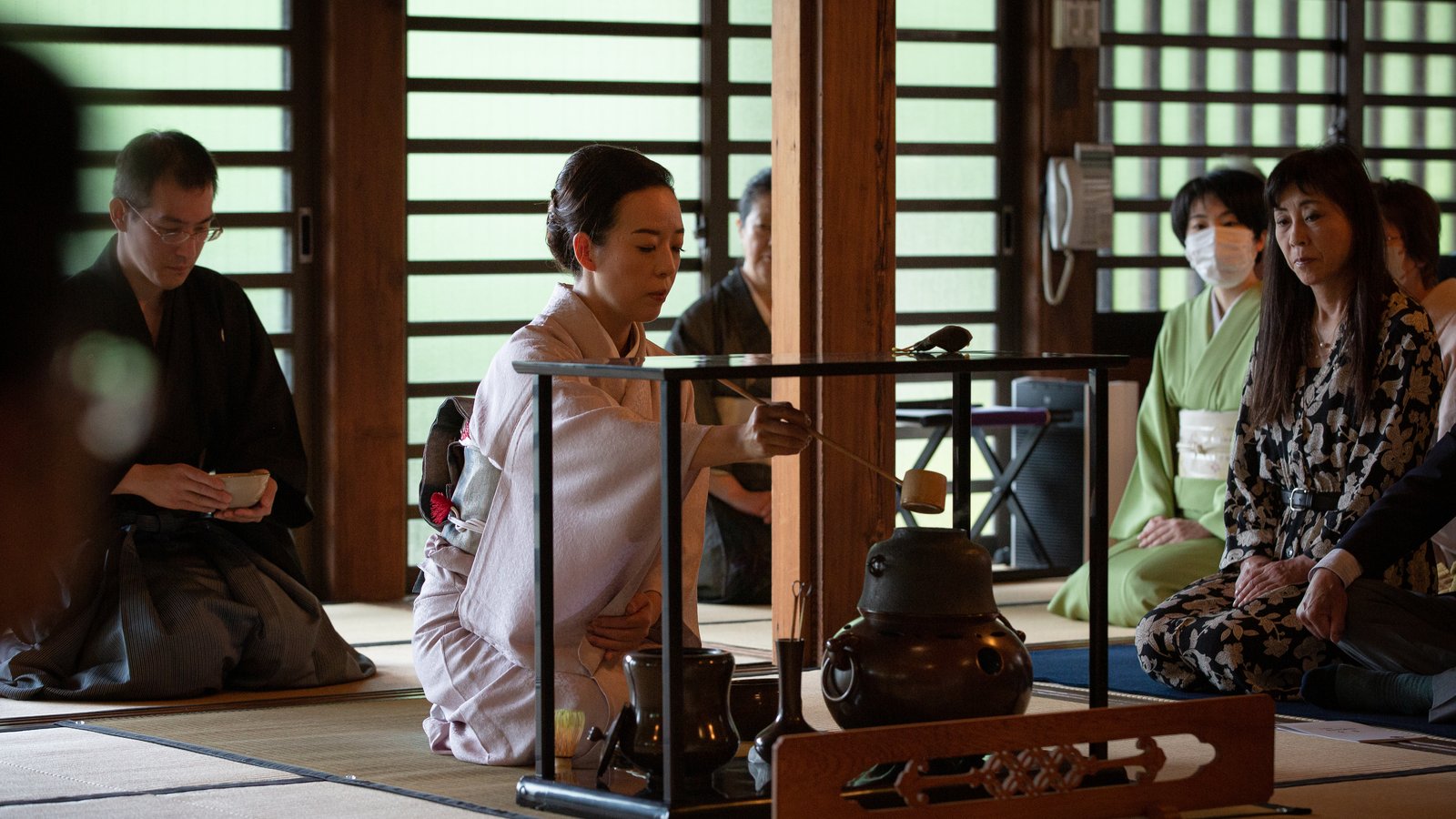
Cultural depth without intimidation. Japanese culture rewards older travelers specifically because most of the deep culture is contemplative. Tea ceremony, garden design, temple architecture, the visual register of a Noh performance or a thousand-year-old gate. These are things that take time and attention to appreciate, and they reward travelers who arrive with both. The pace is slow in the best places. Senior travelers do better here than the typical 22-year-old Instagram tourist.
Walking-friendly cities. Tokyo, Kyoto, Kanazawa, and the smaller towns are walkable with some care. Sidewalks are smooth. Trains are clean and well-signed. Taxis are spotless and the drivers help you with luggage. The country is more accessible at age 65 than most other countries are at 55.
The food. Japan is one of the few countries where a 60-plus traveler should plan their trip around food, not sights. Sushi, ramen, kaiseki, tempura, soba, yakitori, okonomiyaki, the regional cuisines (Hokkaido, Osaka, Kyoto). The variety is exceptional and most of it is age-friendly because the traditional Japanese diet emphasizes fish, vegetables, rice, and broths.

Where Japan asks for accommodation
Walking volume. A Japan trip involves a lot of walking. Kyoto in particular averages 8 to 12 miles per day on a standard sightseeing day. Most travelers find this is fine; the pace is slow, stops are frequent. But travelers with knee or hip issues should plan for this and accept that Kyoto is a foot city. Tokyo is more spread out and has more subway.
Etiquette complexity. Japan has more small social rules than most destinations: shoes off indoors, no tipping, speaking quietly on transit, lining up, gift-giving nuance. None of it is hard, but it adds a layer of attention that independent travelers sometimes find exhausting. A small-group tour handles the etiquette for you; the guide has absorbed the conventions and signals when something is needed.
Cost relative to Vietnam or Morocco. Japan is expensive by Asian standards. A reasonable small-group trip (3- to 4-star hotels, daily meals, internal transport, admissions) runs $400 to $550 per person per day, all-in, for the trip itself; airfare from the US adds $1,400 to $2,000 round trip. Comparable to a Mediterranean cruise, twice the cost of Vietnam.
The pace of introductions. Japan is a place where the deepest experiences take several visits. A first trip lays the foundation; second and third trips reveal the layers. Travelers should not expect to “do Japan” on a single 10-day visit. Aim for the shortlist well rather than an ambitious sweep.
Where to go: the shortlist for a first trip
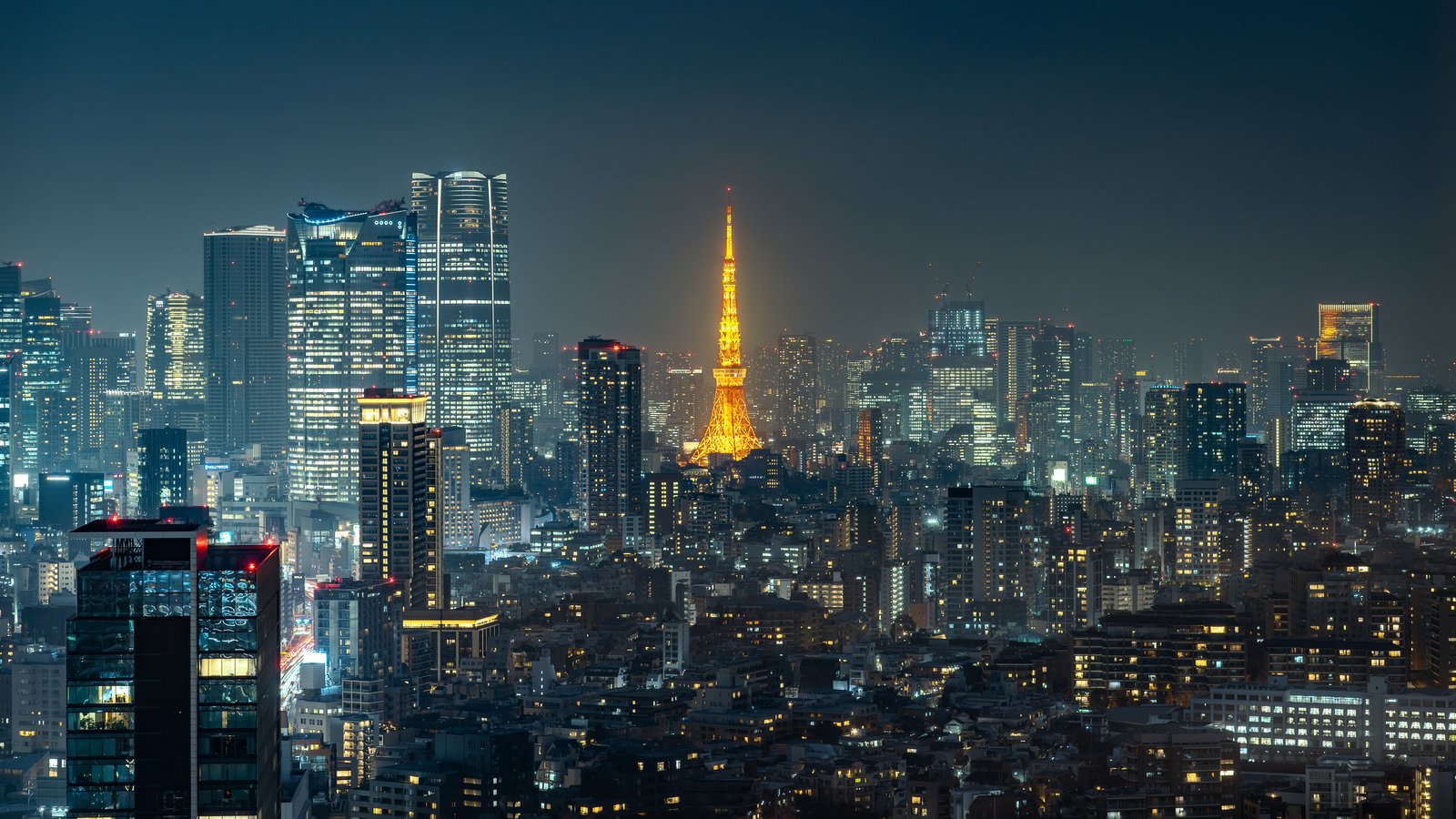
Tokyo. The right anchor for a first Japan trip. The capital is dense, walkable, and has enough variety to fill 4 nights on its own. Senso-ji in Asakusa, Meiji Shrine and Yoyogi Park, the Tsukiji outer market for sushi breakfast, the Shibuya scramble for a single afternoon. Tokyo also has the country’s best izakaya (Japanese pub) culture for evening meals.
Tokyo is the right anchor for a first Japan trip, and 4 nights is the minimum that lets the city open up. Senso-ji in Asakusa and the Meiji Shrine near Harajuku are the headline sights, but the city’s strongest experiences are mid-density neighborhoods like Nakano, Shimokitazawa, and Yanaka that reward slow walks. The Tsukiji outer market is the right sushi breakfast; the izakaya scene in non-tourist neighborhoods is the right evening meal. Tokyo is also the country’s most accessible city for older travelers: the metro is in English, signage is clear, and seats are reserved on most trains.

Kyoto. The cultural anchor. 3 nights minimum; 4 is correct. The Higashiyama district in eastern Kyoto is the densest sightseeing area in the country: Fushimi Inari torii gates at dawn, Kiyomizu-dera temple, Gion geisha quarter, the Philosopher’s Path. Kyoto rewards the early morning walk more than any other city in Japan because the temples are nearly empty at 6 a.m. and the crowds peak at midday.
Kyoto is the cultural anchor for a first Japan trip, and 3 nights is the minimum that lets the city breathe. The Higashiyama district in eastern Kyoto is the densest sightseeing area in the country, with Fushimi Inari at dawn, Kiyomizu-dera above the old town, and Gion’s geisha quarter in the evening. The Philosopher’s Path between the temples is the right walk for a slow morning. Kyoto rewards early mornings more than any other city in Japan: the temples are nearly empty at 6 a.m. and the tour buses arrive at 10. A traveler who does Kyoto first will find Tokyo less interesting; Kyoto first is the right order.

Hakone. A mountain town 90 minutes from Tokyo by train. View of Mount Fuji on a clear day (best visibility October through February, worst July through September), open-air hot springs at the ryokan, the Hakone Open-Air Museum. 1 to 2 nights; do this as a transition between Tokyo and Kyoto.
Hakone is the right transition between Tokyo and Kyoto, and 1 to 2 nights is the right shape. The town sits in the mountains 90 minutes from Tokyo by train, with views of Mount Fuji on a clear morning — best visibility October through February, worst July through September. The ryokan experience with open-air hot springs (onsen) is the headline, and the Hakone Open-Air Museum is the strongest day activity. Hakone works best as the end of the Tokyo portion and the start of the Kyoto portion, turning the transfer between two cities into a 1-night destination rather than a 2-hour train ride.

Nara. A day trip from Kyoto, or 1 night as its own stay. The Todai-ji temple houses a 49-foot bronze Buddha and the park is home to a thousand tame deer. A different energy from Kyoto and worth seeing.
Nara is the right day trip from Kyoto, or 1 night as a stand-alone stay for travelers who want a quieter Japan experience. The Todai-ji temple houses a 49-foot bronze Buddha and is one of the largest wooden buildings in the world. The park surrounding the temple is home to a thousand tame deer that bow in exchange for crackers sold nearby. Nara rewards slow travelers: the temple precinct at dawn is one of the most peaceful scenes in central Japan. It’s a 45-minute train from Kyoto and pairs naturally with a half-day in Nara and a return to Kyoto for the evening.

Hiroshima and Miyajima Island. 1 to 2 nights. Hiroshima’s Peace Memorial Museum is one of the most important history museums in Asia; Miyajima’s Itsukushima shrine is one of the most photographed sites in Japan. Both are train-accessible from Kyoto. Most tours do this as a 1-night day-trip from Kyoto or as a Kyoto to Hiroshima transfer night.
Hiroshima and Miyajima Island together make a strong 1- to 2-night add-on from Kyoto. The Peace Memorial Museum in Hiroshima is one of the most important history museums in Asia and rewards a full morning. Miyajima Island, a short ferry across the bay, has the Itsukushima shrine with its floating torii gate and is one of the most photographed sites in Japan. Both are train-accessible from Kyoto on the Shinkansen. Most tours do this as a 1-night day-trip from Kyoto or as a Kyoto-to-Hiroshima transfer night — either works.
Kanazawa. A smaller city on the Sea of Japan side. Less crowded than Kyoto, equally beautiful, the Kenroku-en garden is one of the three great landscape gardens of Japan. Worth 2 nights if the trip is 12+ days; skip if the trip is shorter.
Kanazawa is the right answer for travelers with a 12+ day itinerary who want a less crowded version of Kyoto. The city sits on the Sea of Japan side and has the Kenroku-en garden, one of the three great landscape gardens of Japan. Kanazawa also has a preserved samurai and geisha district, a strong contemporary art scene, and the Omicho market for fresh seafood. It’s a 2.5-hour Shinkansen ride from Tokyo. For travelers who skip Kanazawa, the loss is real; for travelers who include it on a 12+ day trip, the day rewards the time investment.
A practical 8-day itinerary, Tokyo-anchored
This is the standard first-trip shape that G Adventures and Intrepid both offer. Assume Tokyo arrival and Tokyo departure.
Day 1: Tokyo arrival. Hotel check-in. Evening walk around the hotel neighborhood. Dinner at a local izakaya; the tour guide or hotel concierge will recommend a specific one.
Day 2: Tokyo touring. Morning at Tsukiji outer market for sushi breakfast. Walk through Ginza, lunch in the basement food floors of a department store (which is the proper Japanese lunch experience, not a restaurant). Afternoon at the Imperial Palace gardens and Meiji Shrine. Evening train to Hakone.
Day 3: Hakone. Mount Fuji viewing on a clear morning (from the hotel, before the cloud cover rises). Hakone Open-Air Museum. Cable car up Owakudani for the volcanic valley. Ropeway over the sulfur vents. Onsen at the ryokan in the evening; this is the cultural bathing experience the tour companies build around.
Day 4: Train Hakone to Kyoto. Afternoon in Higashiyama. Kiyomizu-dera temple, Sannenzaka and Ninenzaka lanes, evening walk in Gion. First dinner at a kaiseki restaurant.
Day 5: Kyoto touring. Fushimi Inari torii gates at 6 a.m. (tour buses arrive at 8, the early start matters). Afternoon at Kinkaku-ji (Golden Pavilion) and Ryoan-ji (zen rock garden). Optional evening tea ceremony.
Day 6: Day trip to Nara. Todai-ji temple, the deer park, Kasuga shrine. Back to Kyoto for evening in the Pontocho dining alley. Or, if Hiroshima is on the itinerary, this is the transfer night.
Day 7: More Kyoto, or Hiroshima day trip. Most first-timers do the Fushimi Inari torii gates a second time at sunset (they’re closed at dark but the photographs at sunset are different from the dawn photographs), the Philosopher’s Path, and a Noh theater performance if available.
Day 8: Bullet train back to Tokyo. Half-day in Tokyo for the things missed on Day 2 (often the Tokyo National Museum in Ueno, or the Edo-Tokyo Museum). International departure from Haneda or Narita.
This shape works at a moderate walking pace and includes 1 to 2 hours of down time most days. For travelers with strong mobility concerns, Kyoto’s Higashiyama can be replaced with day trips to Nara (flat) or train pauses in Kanazawa.
Operator shortlist
Intrepid (Comfort tier). Intrepid runs Japan small-group tours at two tiers. Standard Japan itineraries are the small-group baseline. Comfort-tier itineraries use 4-star hotels and offer more traditional Japanese ryokan stays where available. Intrepid’s Japan product is one of the strongest in the small-group category because the company has been operating Japan tours for 20+ years and has built up a dense supplier network.
G Adventures. G Adventures Japan tours come in standard “Classic” and “National Geographic Journeys” tiers. The standard Classic tier is the right fit for most 60-plus travelers; it covers the main cities and rail routes in 10 to 14 days, mixed group sizes of 8 to 16, and age-mixed compositions typical of the brand. Verify current departure pricing on their site.
Smaller specialists (Odyssey Traveller, Walk Japan, Inside Japan) also run Japan tours at higher price points with deeper cultural content. They are worth comparing if the trip is more than 12 days and the focus is on walks, gardens, or specific regions.
When to go
Japan has four climate windows, but only two are right for a 60-plus traveler:
Late March through mid-April (cherry blossom, sakura season). Japan’s most famous season. Crowded, expensive, but the cultural moment is real. Book 6 to 9 months out for this window.
October through November (autumn foliage). Lower crowds than sakura, comparable beauty in the temples and gardens, mild weather, excellent visibility for Mount Fuji. Often considered the better overall season by travelers who have done both. Book 4 to 6 months out.
Avoid: late June through early July (rainy season, called tsuyu) and mid-August (Obon holiday, busiest week of the year at shrines and temples). Conditions are miserable and the cultural sites are crowded with domestic travelers.
Shoulder months (April-May, October-November) are the right answer for most first-trip visitors.
The JR Pass and rail logistics
The Japan Rail Pass (JR Pass) is a tourist-only pass that covers most Japan Railways trains, including the Shinkansen (bullet train). It has changed pricing and policies materially over the past few years; verify the current rules on the official JR Pass website (https://www.japanrailpass.com or the equivalent official page) before booking.
The relevant questions:
-
Is the JR Pass worth it for a typical first trip? Yes, for trips of 7+ days that include long-distance rail travel (Tokyo to Kyoto to Hiroshima, or Hokkaido, etc.). For 10 days of typical sightseeing with 3 to 4 intercity transit segments, the JR Pass almost always comes out ahead of individual ticket purchases.
-
Where to buy the JR Pass. Buy through the official JR Pass website before travel, or buy the exchange voucher before travel and exchange it at a JR office on arrival. Most operators (Intrepid, G Adventures) handle this as part of the package.
-
Should the rail pass be activated on Day 1 or later? Activate on the day you take your first long-distance train. The pass is sold in 7, 14, and 21-day consecutive durations.
What to skip
JR Pass for short trips. If the itinerary is 5 nights all in Tokyo with a Hakone day trip, the JR Pass is not worth it. Single Tokyo metro passes and the Hakone Free Pass cover the rail without a Japan-wide pass.
Trying to “do everything” in one trip. Japan rewards repeated visits. A 10-day first trip that tries to cover Tokyo, Kyoto, Hiroshima, and Hakone in depth is too dense. Pick 2 to 3 cities, plan for return trips. Travelers who do 5 cities in 9 days come home tired of Japan.
Train travel on weekends. The Shinkansen is busiest on Friday evenings and Sunday afternoons. If the itinerary allows, schedule Tokyo-Kyoto or Kyoto-Hiroshima moves for Tuesday or Wednesday.
Heavy tipping or expecting Western service norms. No tipping in Japan. Service is correct rather than friendly; that is cultural, not rude.
Trying to read Japanese menus without prep. Most menus in restaurants have plastic food displays in the window. Look at the picture, point, and order. The 60-plus traveler’s response to a no-English menu is: point at the picture. That works.
The bottom line
Japan rewards older travelers who pick a small-group trip and go at a moderate walking pace for 8 to 12 days. Aim for late March to mid-April (cherry blossom) or October to November (autumn) if you can. Stay 3 to 4 nights in Tokyo and 3 to 4 nights in Kyoto; add Hakone between them; consider Miyajima if there’s a third stop.
The trip costs about twice as much as the equivalent Vietnam or Morocco trip. The food is the country’s main attraction and the country’s main surprise. The first trip is the foundation; the second and third trips reveal the layers.
G Adventures Japan tours · Intrepid Japan tours
This article contains affiliate links to G Adventures and Intrepid. If you book through these links, we may earn a commission at no extra cost to you. Our editorial recommendations are independent of affiliate relationships. See our affiliate disclosure for details.
Research note: Specific Japan tour pricing, departure calendars, and JR Pass policies shift by season and year. Verify pricing on the operator’s current booking page and on the official JR Pass page before booking. Entry requirements (visa, Visit Japan Web transit card) change; verify with official Japanese government sources before travel. Hakone ryokan experiences, Kyoto temple access, and Hiroshima Peace Memorial Museum hours should be verified close to travel as they shift seasonally.