Most Napa guides send readers to Highway 29. This article argues the right Napa is 20 minutes up the mountain.
This article is different. The right Napa Valley is not the one everyone has heard of. It is a Napa accessible by mountain roads that most visitors never drive, with smaller producers who routinely make better wine than the main-road estates the concierge at your hotel just recommended. It is also a Napa where you can actually hear yourself think, where the host has time to walk you through a vineyard tour rather than pour-and-move, and where a $35 tasting fee gets you a real conversation rather than a sales pitch.
This is the article for travelers who want Napa at its best. It assumes you’ve already read the comparison piece and decided Napa is the right base, or you’ve been to Napa, done Highway 29, and felt underwhelmed. The day-by-day itinerary at the end is the practical version of the argument.
Browse off-the-beaten-path Napa wine tours
What’s wrong with the main road
Highway 29 from Napa to Calistoga is one straight road. Along it are the best-known producers in California, the largest tasting rooms, the highest tasting fees, and the worst traffic. On a Saturday in October, Highway 29 is a slow-moving line of SUVs going from estate to estate. Silverado Trail, the eastern parallel road, is calmer but it has the same bottleneck problem: too many producers clustered along one road with limited parking and limited relief.
The wine is fine. Some of it is excellent. The experience is the problem. Tasting at large estates is closer to a wine retail showroom than a tasting room. The pour sheets are scripted. The hosts are working a 30-minute cycle. The wines are presented as products rather than as the result of a specific place, a specific vintage, a specific winemaker’s decision.
The good wines and the good people are on the mountain roads. That is the entire thesis of this article.
The mountain AVAs: what they are
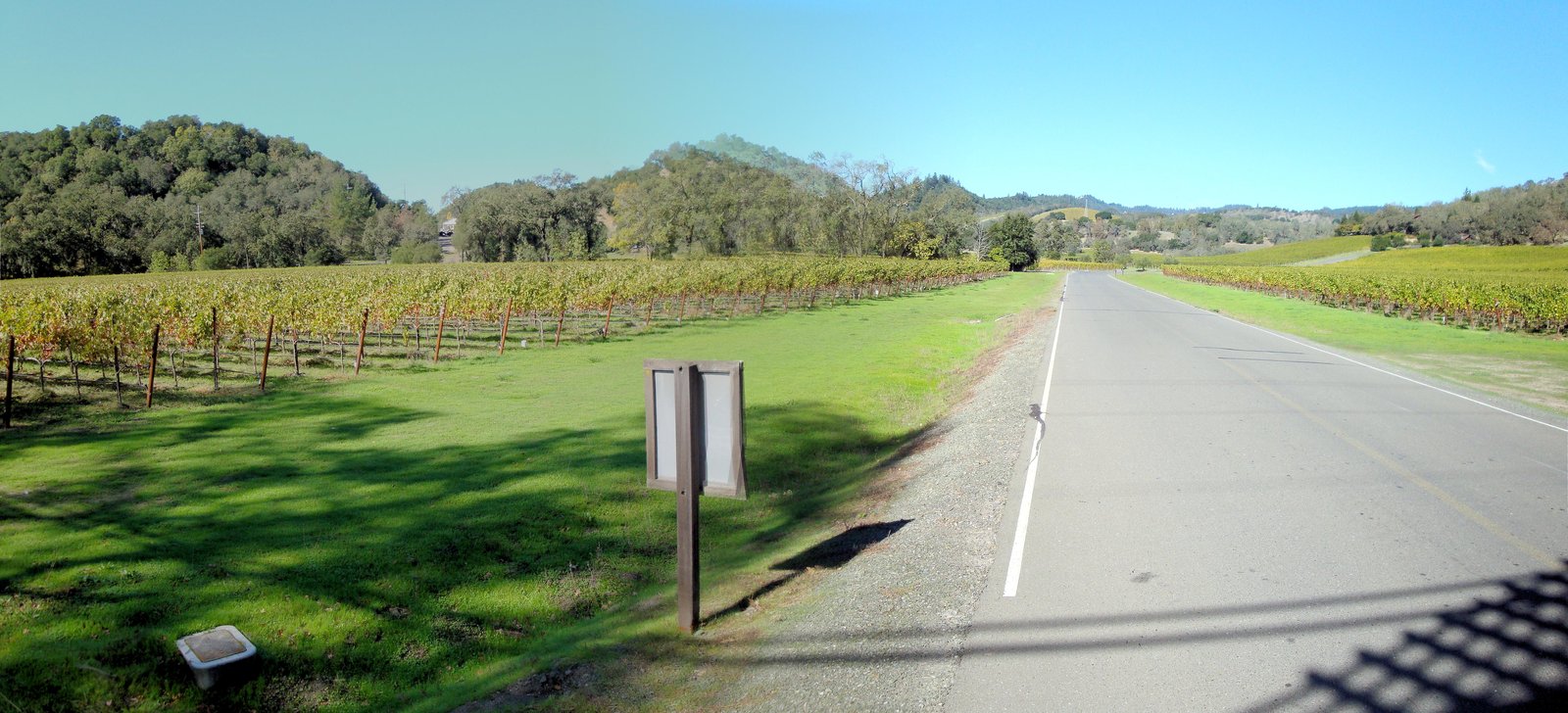
Napa Valley has 16 AVAs. Four of them are accessible by mountain roads branching off the main valley floor. Each has a distinct character, distinct soil, distinct climate, and producers doing work that the main-road estates cannot match because they are working with different grapes in different conditions on different terroir.
Howell Mountain. Above the valley on the western side, accessed via Angwin and Pope Valley roads off Highway 29 around St. Helena. Elevation 1,400 to 2,600 feet. Volcanic soil, distinct from the valley floor. Cabernet sauvignon is the headline grape; zinfandel and petit verdot also thrive. Wines are concentrated, structured, age-worthy. The hosts are almost always the winemaker or assistant winemaker. Tastings are by appointment. The pace is unhurried.
Howell Mountain is the right answer for travelers who want the most concentrated mountain-AVA experience reachable from the Napa Valley floor. The AVA sits above the valley on the western side at 1,400 to 2,600 feet elevation, accessed via Angwin and Pope Valley roads off Highway 29 around St. Helena. Volcanic soil (distinct from the valley floor) gives the wines their concentrated, structured character. Cabernet sauvignon is the headline grape; zinfandel and petit verdot also thrive. Howell Mountain rewards travelers who book appointments ahead (the producers are almost always the winemaker or assistant winemaker, and tastings are by appointment). Skip Howell Mountain for travelers who want walk-in tastings or the most accessible main-road experience.
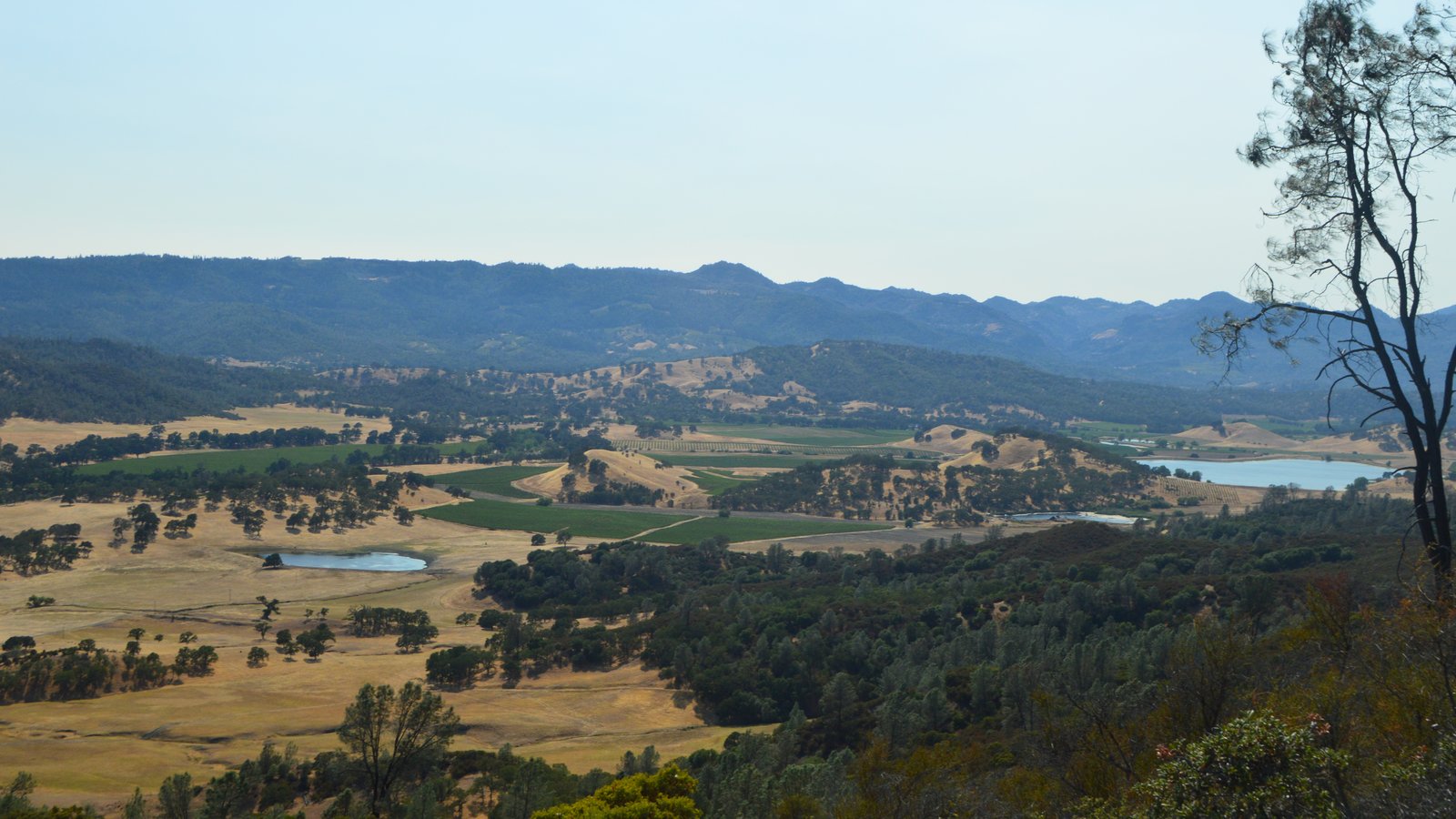
Spring Mountain. South of Howell Mountain, accessed via the road up Spring Mountain Road off Highway 29 in St. Helena. Steeper switchbacks, narrower roads. Higher elevation than Howell in some places, cooler in the morning. Cabernet sauvignon again is the dominant variety, with merlot, cabernet franc, and chardonnay. Most producers are family-owned, small, by appointment only.
Spring Mountain is the right answer for travelers who want a more dramatic mountain-roads experience with smaller, family-owned producers. The AVA is south of Howell Mountain, accessed via Spring Mountain Road off Highway 29 in St. Helena. The roads are steeper, with narrower switchbacks and higher elevation in places. Cabernet sauvignon is the dominant variety again, with merlot, cabernet franc, and chardonnay. Most producers are family-owned, small, and by appointment only. Spring Mountain rewards travelers who want the slower, smaller-scale version of the mountain-roads experience. Skip Spring Mountain for travelers who aren’t comfortable with narrow mountain roads.
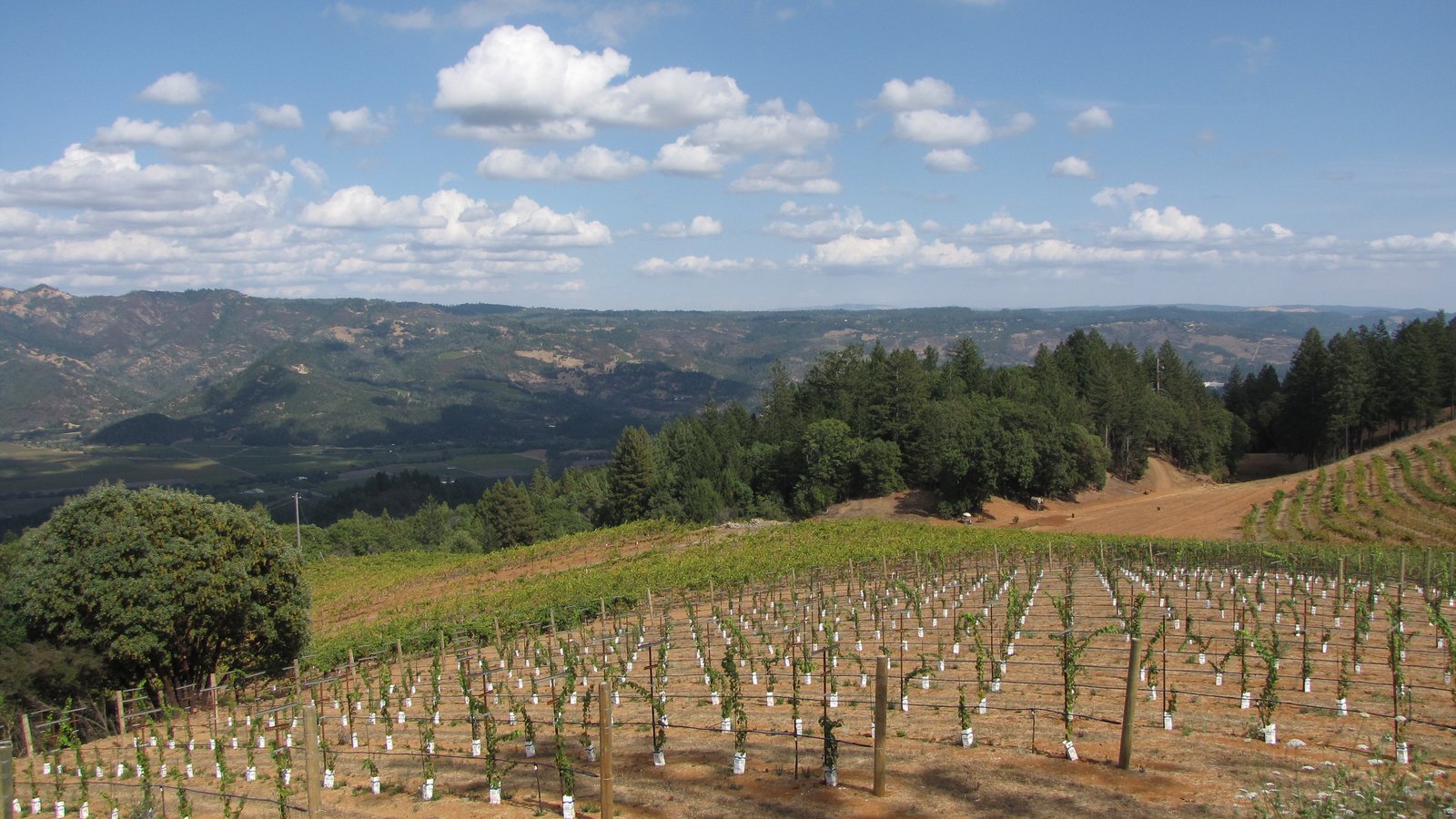
Mount Veeder. West of the valley and south of Spring Mountain, accessed via Mount Veeder Road off Highway 29 between Napa and Yountville. The road to get there is longer and more dramatic than the other two. Cooler microclimate. Cabernet sauvignon and chardonnay. Producers are smaller still and the appointments are even harder to come by.
Mount Veeder is the right answer for travelers who want the most dramatic mountain-roads experience and the smallest producers. The AVA sits west of the valley and south of Spring Mountain, accessed via Mount Veeder Road off Highway 29 between Napa and Yountville. The road is longer and more dramatic than the other two. The microclimate is cooler, which suits Cabernet sauvignon and chardonnay. Producers are smaller still than on the other mountain roads, and the appointments are even harder to come by. Mount Veeder rewards travelers who want the most committed version of the mountain-roads trip and who don’t mind the planning required to get into the smaller producers. Skip Mount Veeder for travelers who want walk-in tastings or the more accessible Howell Mountain version.
Coombsville. Southeast of the city of Napa, accessed via the lower valley. Most travelers miss this AVA entirely because it is below their mental map of “Napa.” Carneros-adjacent, cool-influenced microclimate. Cabernet sauvignon, merlot, syrah, chardonnay. Producers are wineries often making Rhone and Bordeaux styles.
Coombsville is the right answer for travelers who want a quieter, less-crowded Napa experience that most visitors miss entirely. The AVA sits southeast of the city of Napa, accessed via the lower valley. It’s Carneros-adjacent with a cool-influence microclimate that gives the wines their distinct character. Coombsville rewards travelers who want the quieter, less-discovered version of Napa and who want to support smaller producers without driving the mountain roads. The proximity to downtown Napa makes Coombsville the right answer for travelers who want a wine-country experience that pairs naturally with a city dinner or a non-driving day. Skip Coombsville for travelers who want the most dramatic mountain experience — it’s a valley-floor AVA.
Of the three main mountain AVAs, Howell Mountain has the best producer density for first-time off-the-main-road travelers. Spring Mountain is the second best. Mount Veeder has the most dramatic drive but the producer list is smaller and the experience is harder to arrange at short notice.
Coombsville, the smaller AVA in the lower valley, has a different character. It is accessible by regular roads, not mountain switchbacks. The producer base is also smaller: a few standout estates rather than a cluster. Favia Wines is the current standout in Coombsville; if you want a half-day off-the-main-road experience that does not involve mountain driving, Coombsville delivers that without the elevation commitment.
Specific producers, by AVA
The seven producers listed below were confirmed open and accepting visitors in July 2026. Reservation lead times and current fees shift by season; verify against the producer’s reservation page before booking.
Howell Mountain producers worth the appointment:
Outpost Estates. Howell Mountain. Cabernet sauvignon and zinfandel. Reservations required. Book well in advance; the estate sits at one of the highest points on the mountain and the views alone are worth the drive. Tastings are conducted by the winemaker or the assistant; expect 60 to 90 minutes of conversation.
Arkenstone Estate. Howell Mountain. Estate-grown cabernet sauvignon and sauvignon blanc. Reservations required. The hosts walk you through the vineyard if you want; they are more interested in your wine experience than in moving you through.
Red Thread Wines. Howell Mountain, smaller and newer. By-appointment-only tastings that pair current-release wines with a hands-on pottery session. The tasting is a curated experience rather than a wine-school format.
Spring Mountain producers:
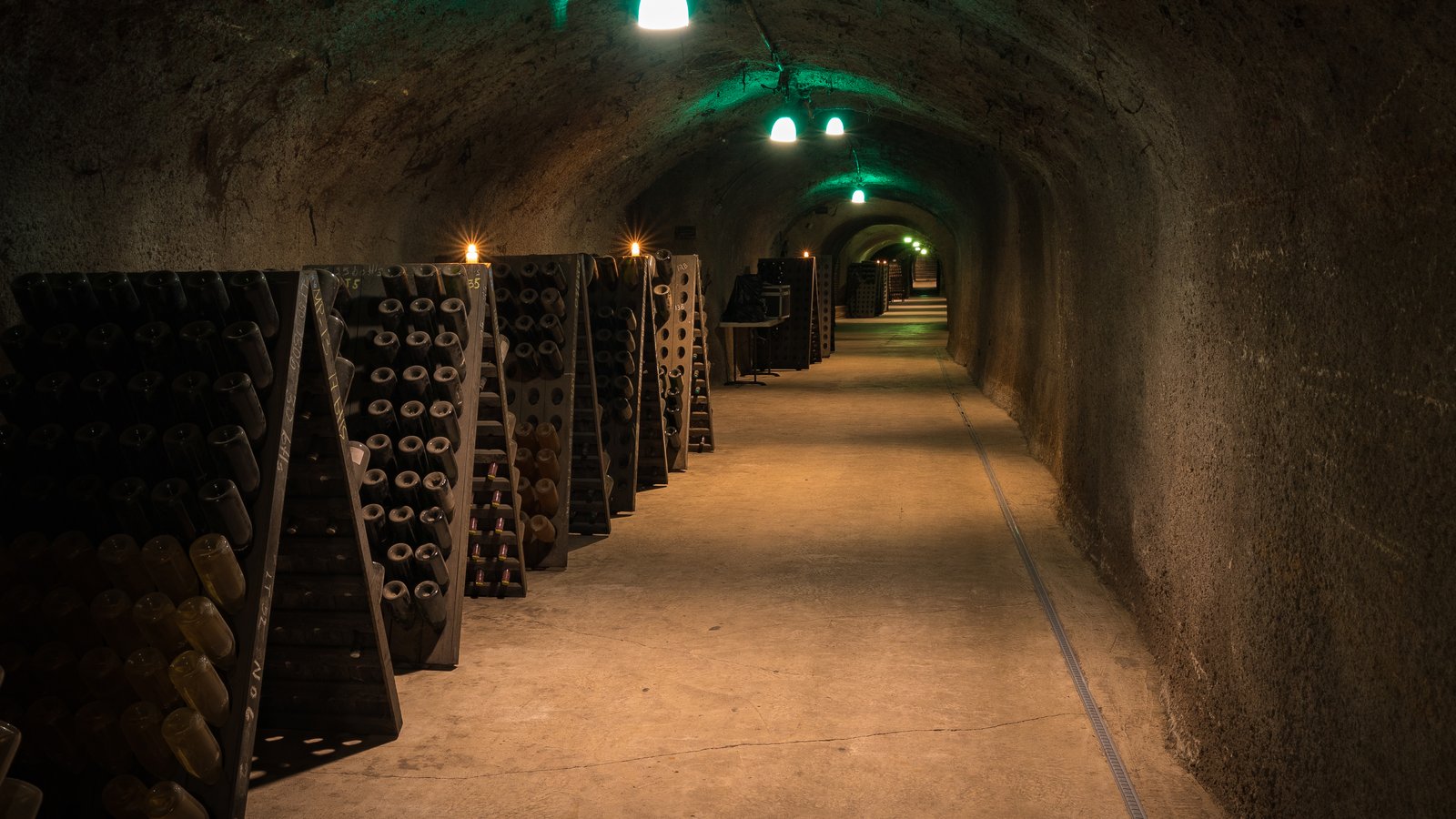
Vine Cliff Winery. Spring Mountain. Cabernet sauvignon, chardonnay. Reservations required. The hosts tour you through the cave where the wines are aging, which most main-road tastings skip.
Barnett Vineyards. Spring Mountain. Estate-grown cabernet sauvignon, chardonnay, merlot. Reservations required. One of the better-sited properties on Spring Mountain.
Mount Veeder producers:
Hess Persson Estates. Mount Veeder, larger estate, well-run tastings. The hosts run a slightly more professionalized experience than the smaller Spring Mountain properties.
Coombsville producers:
Favia Wines. Coombsville. Cabernet sauvignon, syrah. Reservations via email. Andy Erickson and Annie Favia (Erickson was the winemaker at Screaming Eagle) make wines here that are not priced like Screaming Eagle. Coombsville’s producer base is smaller than the mountain AVAs, so Favia is the standing recommendation for a half-day visit that does not require the mountain drive.
What a mountain-roads day actually looks like
A 3-Napa-day trip with the mountain roads done well:
Day 1: Arrive Yountville, settle in. Yountville hotel pool/walk the plaza. Dinner at Ad Hoc (no tasting today).
Day 2: Howell Mountain morning, valley afternoon. Drive up from St. Helena in the morning; 30 minutes including the switchbacks. Tasting at Outpost Estates (booked ahead, 90-minute tasting). Brunch in St. Helena after. Afternoon: one valley estate for context (Cornell is a fair choice, casual tasting). Dinner at Ad Hoc or Reserve.
Day 3: Spring Mountain morning, Mount Veeder afternoon. Drive up Spring Mountain Road in the morning (45 minutes from downtown St. Helena). Tasting at Vine Cliff (booked ahead). Drive down Spring Mountain, cross to Mount Veeder via the valley (30 minutes), then up Mount Veeder Road (45 minutes including the steeper sections). Tasting at Hess Persson (2-hour window recommended). Drive down to Yountville for dinner.
Total mountain driving for the day: ~3 hours on road. This is not an itinerary you rush.
What to book, when
Mountain producers are small-production, by-appointment, and tend to fill ahead of weekend dates during harvest season. Treat each producer’s current booking calendar as authoritative.
- Outpost Estates on Howell Mountain: one of the earliest reservations to fill
- Vine Cliff on Spring Mountain: book as soon as travel dates are firm
- Arkenstone on Howell Mountain: typically less than two weeks of lead time is fine
- Hess Persson on Mount Veeder: book ahead for weekend slots
- Favia in Coombsville: reservations via email, smaller producer, lead times are usually flexible
- Producer reservations at all three mountain AVAs: weekends in October (harvest) book out furthest ahead
Practical insight: book your mountain-road tastings first. Once those are on the calendar, the valley estate slots fill in around them. The reverse does not work because mountain producers do not accommodate walk-ins.
Lodging that supports the mountain itinerary
The right base for a mountain-roads trip is St. Helena or Calistoga, not Yountville. Yountville is closer to Mount Veeder. St. Helena is closer to Howell Mountain and Spring Mountain. Calistoga is roughly equidistant from all three and slightly less expensive.
St. Helena lodging peak season (April through October): $350 to $700 per night at the standard tier.
Calistoga lodging peak season: $200 to $400 per night. Smaller inns, hot-springs spas, more relaxed pace.
Yountville lodging peak season: $450 to $850 per night, same as before. Closer to Mount Veeder but farther from Howell.
For a 3-night mountain-focused trip, Calistoga is the right choice on price and proximity to two of the three mountain AVAs. For a 5-night trip, two nights in Calistoga and two nights in Yountville covers both mountain days and valley dinners.
What to skip
The Wine Train. Vintage Pullman cars with a midday meal. It is entertainment, not wine country. The seats do not stop at any of the mountain estates mentioned here. Skip unless someone in your group is specifically nostalgic for the experience.
Stag’s Leap, Opus One, Quintessa. These are excellent wines but the tasting experiences are priced for the prestige more than the wine quality. Quintessa’s reservation program is the exception to the rule; it is the only one of the three that does a meaningful private estate tour.
Castle Di Amore and the mock-European tasting rooms. Theme-park tasting culture. Not a Napa of any kind.
The picnic-with-cheese-and-charms trifecta on the main highway. V. Sattui and Sterling and Modesto-area wine country. Not the mountain roads.
Vineyard tours by bus. The hop-on-hop-off shuttles do not reach the mountain estates and the tours feel rushed.
The bottom line
Napa done right is not Highway 29. Napa done right is four-wheel drive up the mountain, a producer who made six thousand cases last year and remembers it, a tasting room where you have the place to yourself, and wine that benefits from the air, the elevation, and the soil that defines the AVA.
Book the mountain estate tastings first. Build the valley and dining calendar around them. Stay in Calistoga or St. Helena. Skip the things that pretend to be wine country and are not.
The next Napa trip you take, make at least two of three days mountain-road days. The difference between this Napa and the Highway 29 Napa is the difference between a real experience and a memory of one.
Browse off-the-beaten-path Napa wine tours · Browse Calistoga hotels on Booking.com
This article contains affiliate links to Viator, GetYourGuide, and Booking.com. If you book through these links, we may earn a commission at no extra cost to you. Our editorial recommendations are independent of affiliate relationships. See our affiliate disclosure for details.
Research note: Producer names, reservation policies, tasting fees, and seasonal operating hours change frequently. Verify current operating status directly with each mountain estate before traveling. Drive times to mountain estates are approximate and assume daylight travel; the switchbacks on Spring Mountain and Mount Veeder roads add materially to Google Maps’ estimates. Reservation lead times are typical, not guarantees; weekends during harvest season book out further than the ranges above.