Vietnam is one of the most rewarding first-time destinations for active boomer travelers, and it is surprising how often it is overlooked by the demographic that would enjoy it most. The food is the country’s main attraction and it does not require a worldly palate to appreciate it. The history is layered without being overwhelming. The cost is half of what you would spend in Europe for a comparable trip. The pace, if you let it be, is unhurried.
This article is for travelers over 60 who have never been to Vietnam and want an honest read on whether the country fits what they want from a trip. It assumes independent-plus-tourist-support is the right shape, since Vietnam’s infrastructure for fully guided travel is excellent and the country is large enough that self-driving is impractical for a first visit.
Intrepid Vietnam tours · G Adventures Vietnam tours
What Vietnam does well for over-60 travelers
The country’s main attractions, in order:
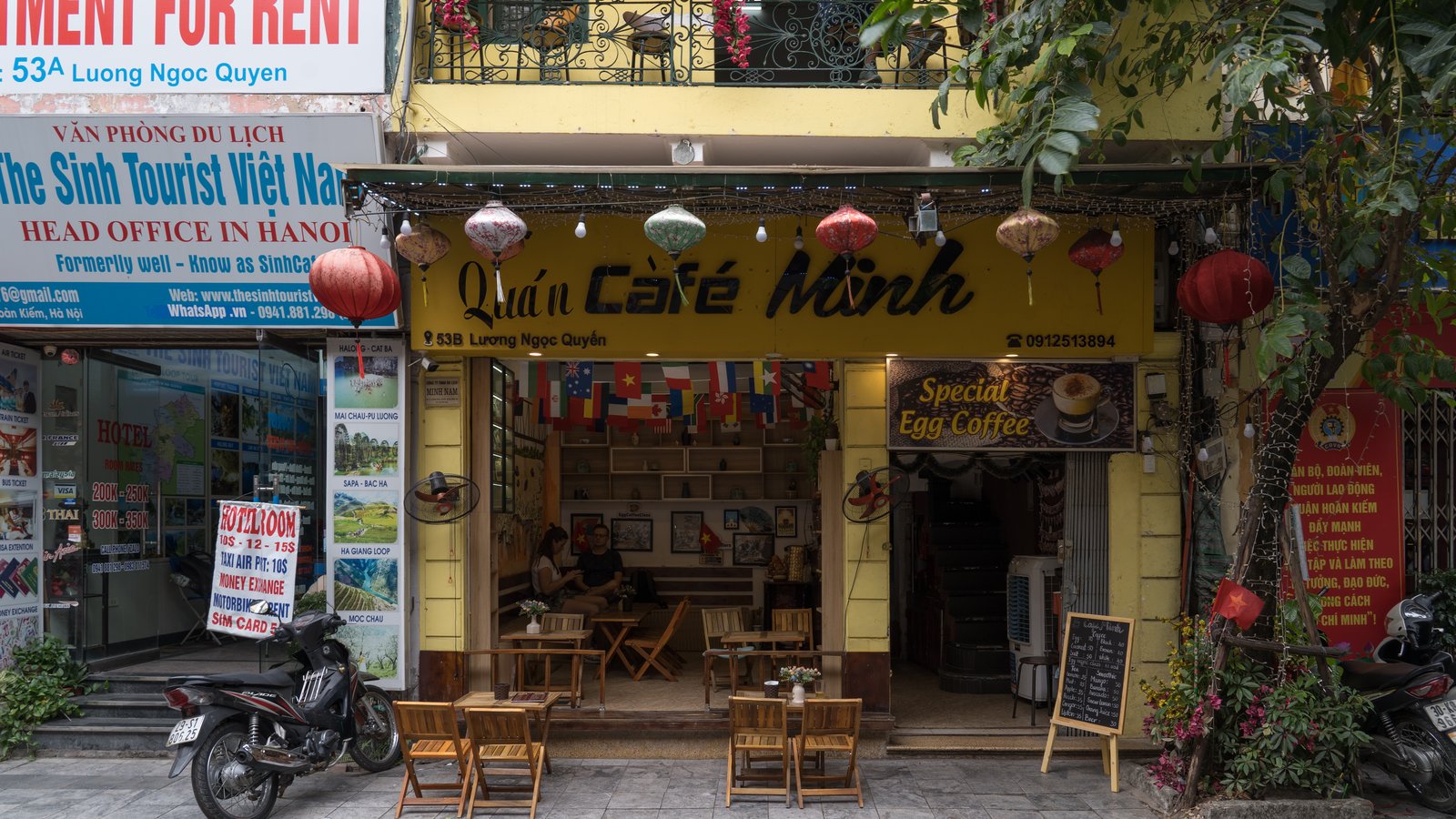
Cafe and street-food culture. Vietnam is the origin of the small concrete-tables-outside cafe model that has traveled worldwide, but the home version is better. A $1.50 Vietnamese coffee with condensed milk at a sidewalk cafe, a $4 banh mi from a market stall, a $6 bowl of pho at a steam-table shop. These are not just cheap meals, they are the cultural main event. The cuisine is built on freshness, herbs, broths, and rice noodles, which means it accommodates most dietary restrictions and most palettes. Older travelers who have been to Thailand and found the food too spicy find Vietnam’s heat adjustable. Older travelers who found Japanese food too austere find Vietnamese food generous and warm.
Density and pacing. Vietnam compresses a remarkable amount of variety into a single trip: chaotic cities, river deltas, mountainous north, UNESCO heritage towns, ancient temples, French colonial architecture, war-era history museums, beach, and hill-tribe villages. A 10-day trip can hit four or five of these distinct settings; a 14-day trip can hit seven. Crucially, the country is small enough that internal flights are 90 minutes, not 6 hours, so the trip does not eat itself with transit days.
Cost relative to Western Europe. A reasonable mid-range trip (small-group tour, 4-star hotels, daily meals, internal flights, admissions) runs $250 to $350 per person per day, all-in, for the trip itself; airfare from the US adds $1,200 to $1,800 round trip. A comparable Mediterranean or Greek Islands trip runs $400 to $550 per day. That 40% gap is real money in a 10-day window.
Small-group infrastructure. Both Intrepid and G Adventures run well-paced Vietnam Comfort-tier trips with English-speaking guides, age-mixed groups (typically 12 to 16 people, ages 30 to 70), 3 to 4 star boutique hotels, and most meals included. The quality bar is high. Independent Vietnam travel is also fine for the experienced, but a first-timer generally benefits from the structure a guided tour provides.
Where Vietnam asks for accommodation
Heat and humidity. Vietnam is hot most of the year, especially in the south. May to October is hot-wet season; temperatures in Ho Chi Minh City routinely hit 95F with 80% humidity. Hanoi’s summer is also brutal. Older travelers do better in the dry cool season: November through April in the south, October through December and February through April in the north. The article’s “when to go” section covers this in detail.
Mobility in old quarters. Hanoi’s Old Quarter, Hoi An’s Ancient Town, and Hue’s citadel all have uneven paving stones, narrow alleys, scooter traffic, and stepped entry to older buildings. Travelers with knee or hip issues should plan for this. It is manageable, not prohibitive. Most tour operators arrange the day to minimize the worst of it, but it is not a country for someone who needs scooter-free sidewalks and elevator access everywhere.
Distance and motion. Vietnam is large enough that an end-to-end trip involves several internal flights. A 10-day Hanoi-Saigon trip is one of those itineraries. A traveler with strong preferences for one-base vacations should anchor at Hanoi or Saigon and add a side trip, not try to traverse the country.
Pace differences from European trips. Vietnam’s most rewarding experiences require you to be up early (markets, food tours, trekking in the north) and tolerate hot afternoon heat. Most operators plan around this with morning activities and afternoon down time. Independent travelers who try to pack 8 things into a day tend to burn out by day 5.
Where to go: the shortlist for a first trip
Hanoi. The capital is the right anchor for a North Vietnam trip and the best entry city for most first-timers. The Old Quarter is dense and walkable. The food scene is the country’s best. Hoan Kiem Lake and the Temple of Literature anchor the sightseeing. Day trips to Ha Long Bay (2 hours east) and the Perfume Pagoda (1 hour south) anchor a 4-night stay.
Hanoi is the right entry city for a first Vietnam trip, and 4 nights is the right shape for the capital and its day-trip anchors. The Old Quarter is dense and walkable, with the country’s best street food concentrated in a few square kilometers. Hoan Kiem Lake and the Temple of Literature anchor the sightseeing; the water-puppet show is the right rainy-day activity. Day trips from Hanoi include Ha Long Bay to the east (2 hours), the Perfume Pagoda to the south (1 hour), and the northern hill stations on overnight trips. Hanoi rewards travelers who pick a base and slow down rather than trying to see the whole country from one city.
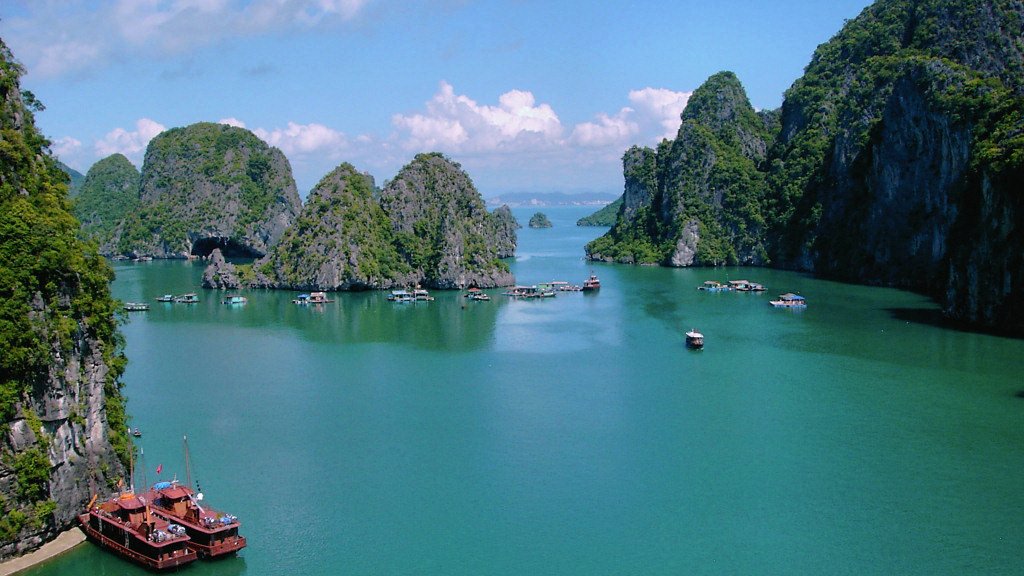
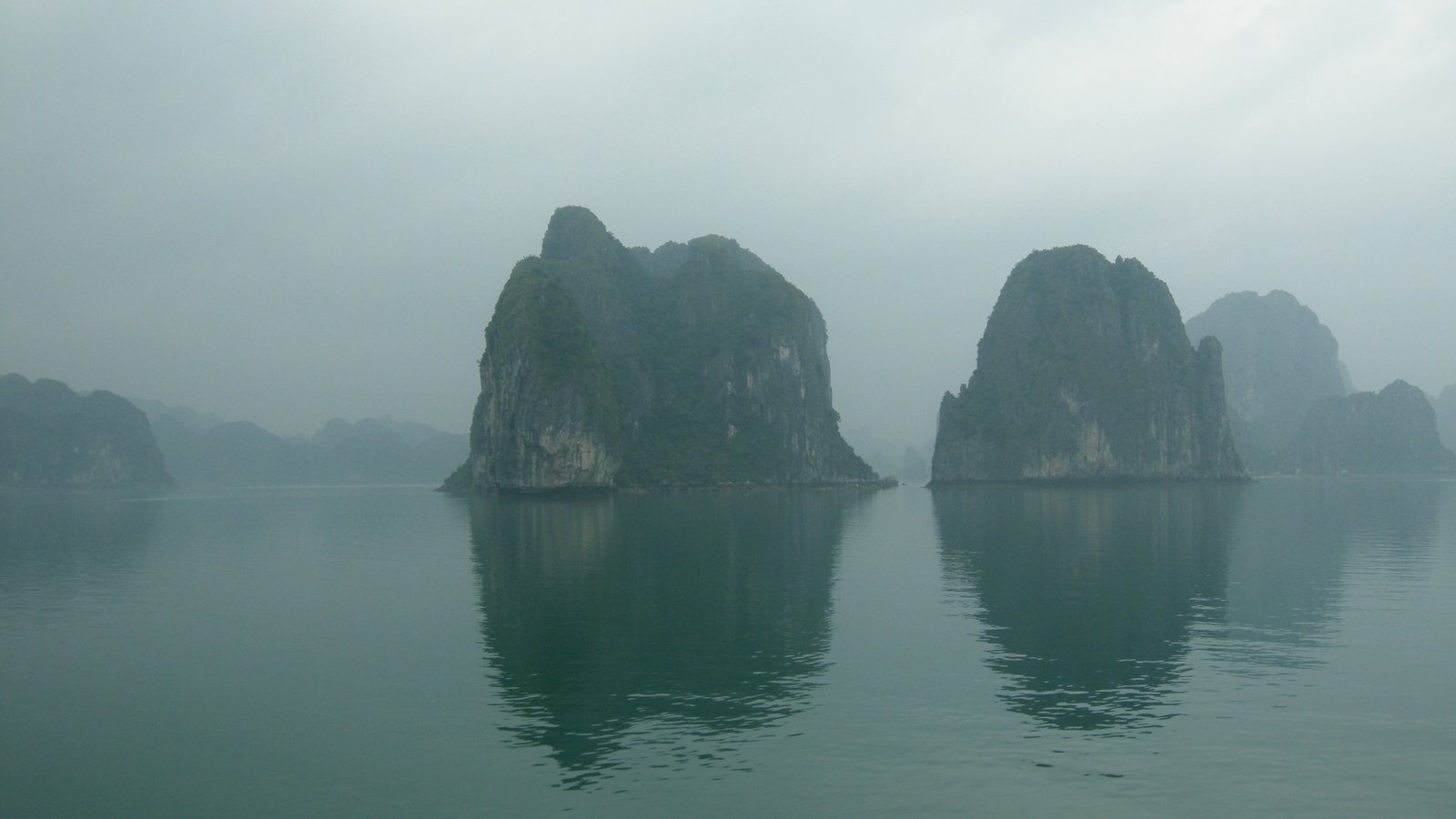
Ha Long Bay or Lan Ha Bay. Limestone karsts rising out of the bay, accessible by cruise from Hanoi. The classic experience is a 1- or 2-night cruise on a small boat. Avoid the multi-story overnight cruise boats that run 80+ passengers; their service and food quality are mixed. The boutique operators (1 to 10 boats, 8 to 20 passengers, on-suite cabins) are the right answer. As an alternative if a multi-day cruise is too many logistics, a day boat from Cat Ba or Hai Phong gets you 5 hours on the water with kayaking without committing to an overnight.
Ha Long Bay (and its quieter sibling, Lan Ha Bay) is the right anchor for the day-trip or overnight-cruise out of Hanoi. The limestone karsts rising out of the bay are the country’s most iconic landscape. The boutique cruise operators are the right answer: 1 to 10 boats, 8 to 20 passengers, en-suite cabins, with kayaking among the karsts as the headline day activity. Avoid the multi-story overnight boats running 80+ passengers — the article is right that their service and food are inconsistent. For travelers who don’t want an overnight, a day boat from Cat Ba or Hai Phong gets 5 hours on the water with kayaking without the overnight commitment.
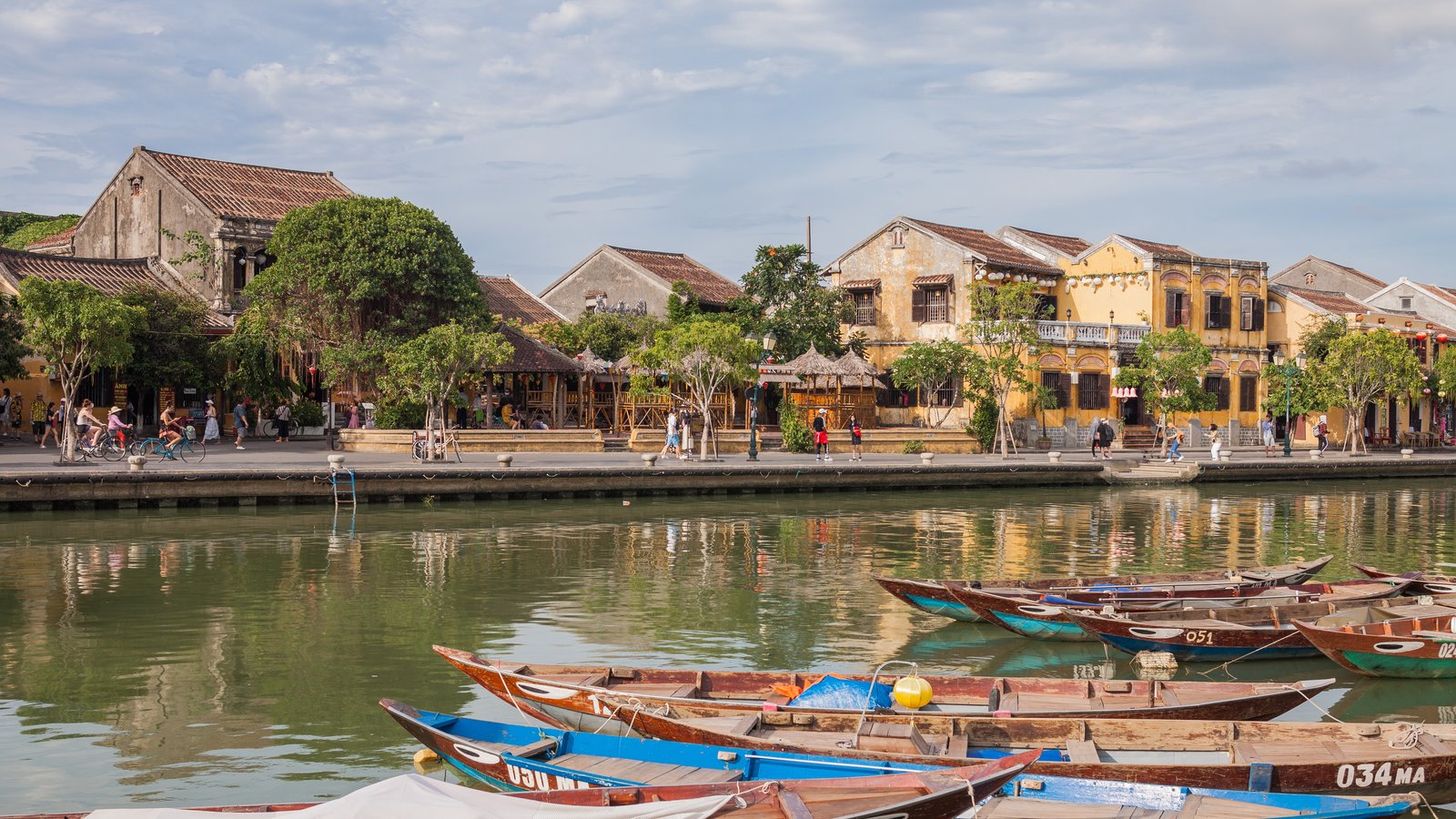
Hoi An. A UNESCO heritage town in central Vietnam, walkable, low-rise, lantern-lit, with the country’s best cooking class experiences and tailor shops (tailored suits in 24 hours for $300 to $500). 3 nights minimum; 4 is better. Best in the dry months (February to April); the rainy season (October to December) brings flooding and typhoon risk.
Hoi An is the right answer for travelers who want a slow, walkable central Vietnam experience. The Ancient Town is a UNESCO heritage site, low-rise, lantern-lit, and one of the most photographed towns in Southeast Asia. The country’s best cooking classes are here, with morning market visits that turn into afternoon meals. The tailor shops deliver suits in 24 hours for a few hundred dollars, though travelers should pick by recommendation rather than by storefront. Hoi An is best in the dry months (February to April); the rainy season (October to December) brings flooding and typhoon risk. 3 nights minimum, 4 is better.
Hue. The former imperial capital in central Vietnam. The Citadel, royal tombs along the Perfume River, and the pagoda of Thien Mu. 2 nights minimum as a stopover between Hanoi and Hoi An.
Hue is the right stopover between Hanoi and Hoi An, and 2 nights is the right shape for the former imperial capital. The Citadel is the headline sight: a walled imperial city on the Perfume River with the kind of layered Vietnamese dynastic history that rewards a half-day with a guide. The royal tombs along the river are a half-day excursion by boat or taxi. The pagoda of Thien Mu is the strongest single temple stop in central Vietnam and easy to fit into a Hue afternoon. Hue is also the place to try the regional cuisine: bun bo Hue, the spicy beef noodle soup that defines the city.
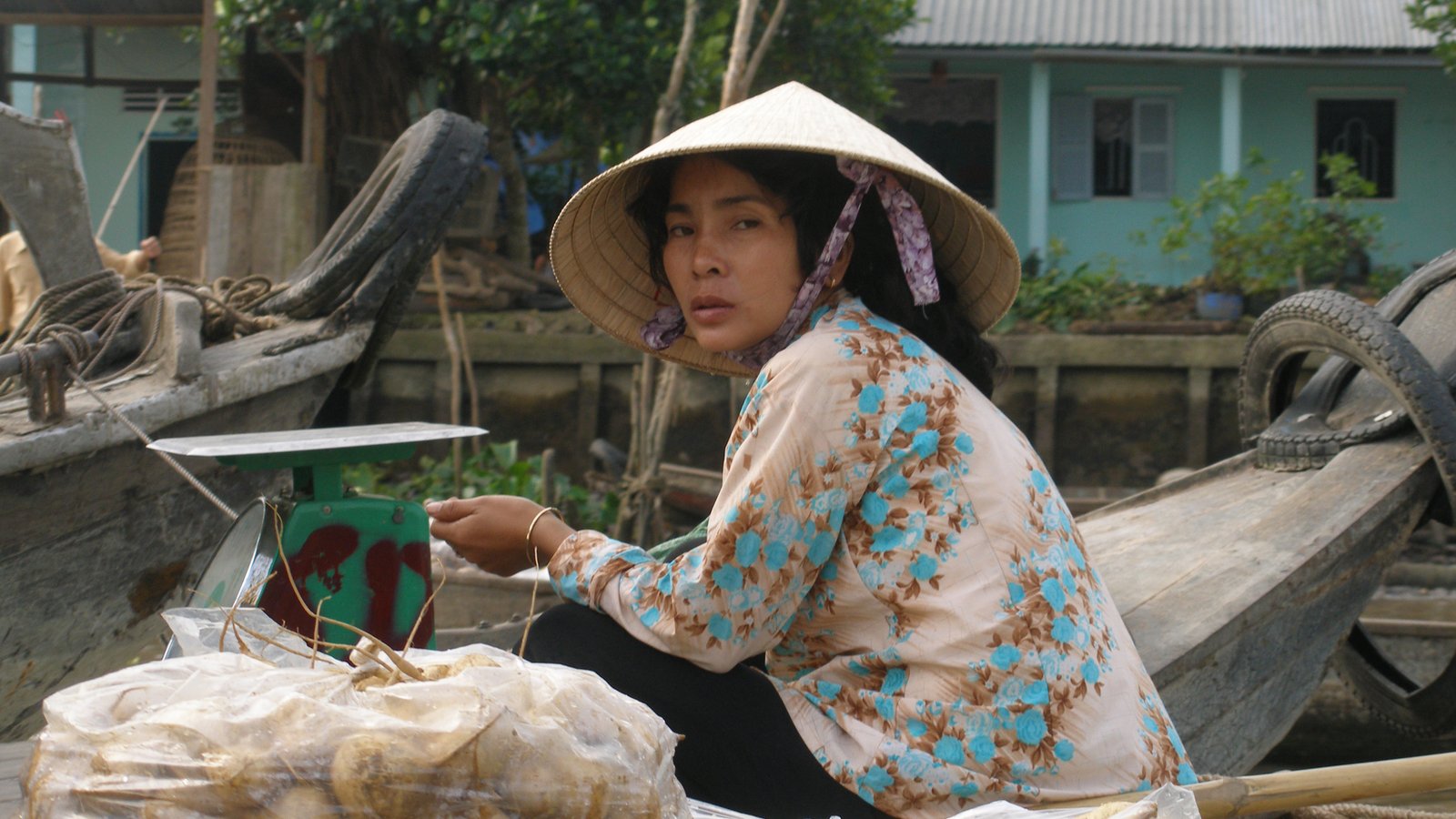
Mekong Delta. Floating markets, tropical fruit orchards, river cruise day trips from Ho Chi Minh City. Most travelers do this as a 2- to 3-day side trip from HCMC rather than as a destination. The Cai Rang and Cai Be floating markets are real but increasingly touristic; the experience is still worthwhile.
The Mekong Delta is the right side trip from Ho Chi Minh City, and 2 to 3 days is the right shape for the floating markets and orchards. Cai Rang and Cai Be are the two named floating markets; both are real but increasingly touristic and worth visiting once. Tropical fruit orchards line the river and the boat tours stop for tastings. The Mekong works best as a slow river day rather than as a destination in itself. Travelers who want the experience without the over-tourism can do a smaller-market version on the smaller tributaries south of Can Tho.
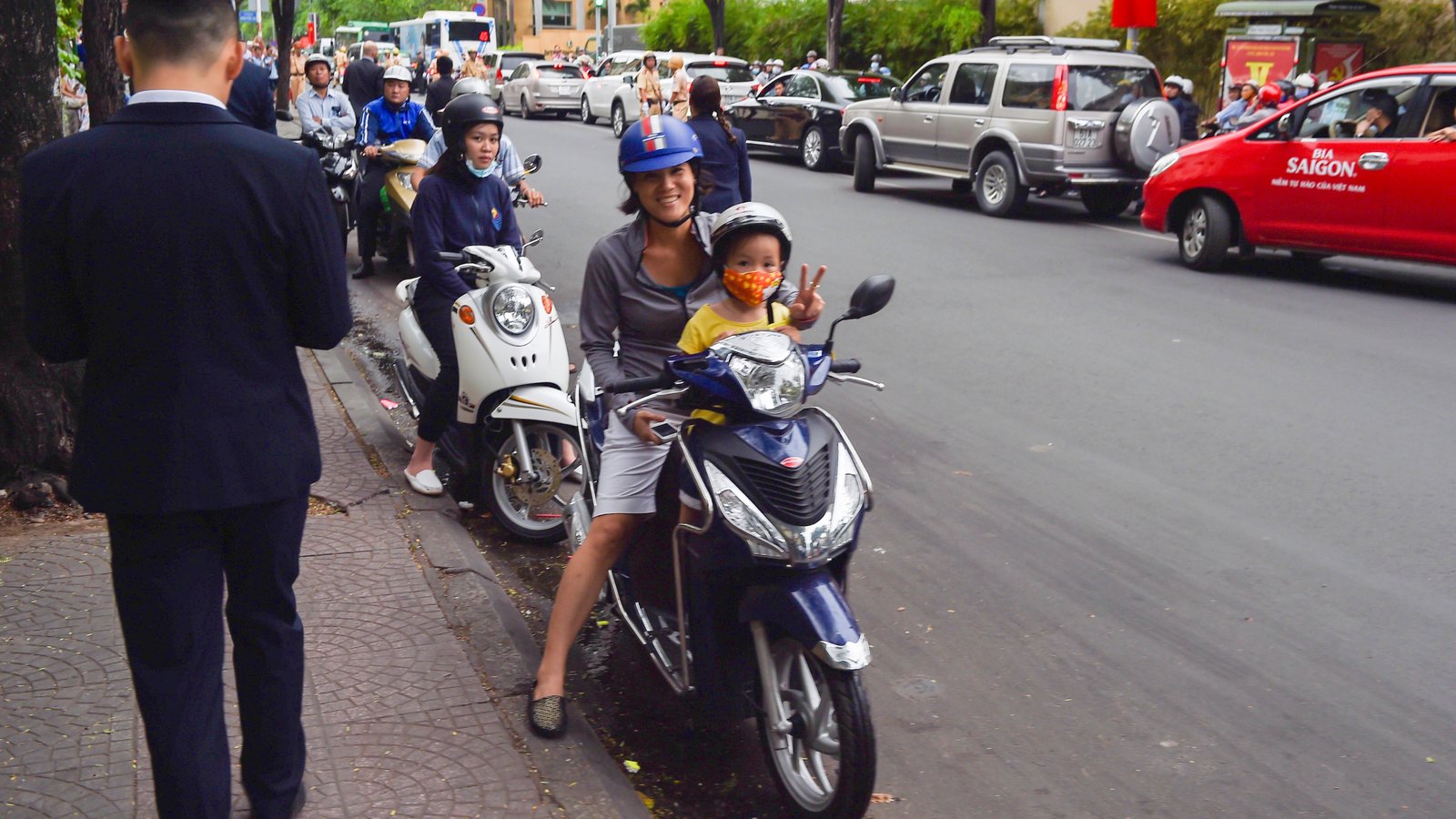
Saigon / Ho Chi Minh City. The southern anchor. Modern, dense, fast, and the gateway to the Mekong. Worth 2 nights on a first trip but not the highlight. The War Remnants Museum is the strongest single sight in Vietnam; the Cu Chi Tunnels tour is divisive (some travelers find the history interesting, others find the experience oversells what is essentially a network of trenches). The Reunification Palace and Notre Dame cathedral area are quick sightseeing stops.
Ho Chi Minh City (Saigon) is the right southern anchor for a first Vietnam trip, though it is not the highlight. The War Remnants Museum is the strongest single sight in Vietnam and rewards a full morning. The Reunification Palace and the Notre Dame cathedral area are quick sightseeing stops; the Cu Chi Tunnels tour is divisive and travelers should know the experience before booking. The city’s food scene is excellent and the cafe culture is the strongest in the country. Ho Chi Minh City works best as 2 nights on a first trip and as the gateway to the Mekong Delta side trips.
Sa Pa. Mountainous northern Vietnam with rice terraces, hill-tribe villages, and trekking. 2 to 3 nights from Hanoi. Worth including if the trip is 12+ days and the traveler is mobile; skip if the trip is shorter or the itinerary is already loaded.
Two base cities, two trip shapes
Hanoi-anchored north trip (8 to 10 days). Hanoi’s airport is Noi Bai (HAN). Fly in, stay 3 to 4 nights in Hanoi with a Ha Long Bay cruise overnight and a cooking-class day, then either fly south via domestic flight or fly home from HAN. Best for first-timers who want to focus on the northern half of Vietnam.
Saigon-anchored south trip (8 to 10 days). Saigon’s airport is Tan Son Nhat (SGN). Fly in, stay 2 to 3 nights in Saigon with a Mekong day trip, fly north for 4 nights in Hoi An plus 1 night in Hue, then either continue to Hanoi for 2 nights or fly home. Best for travelers who want city variety.
Full traverse trip (12 to 14 days). Hanoi to Saigon or Saigon to Hanoi, with internal flights between major hubs. The covers-everything default for travelers who have time and want to see the country in one go.
Most small-group operators offer one of these three packages under their “Vietnam Comfort” or “Vietnam in Depth” labels. Most travelers should not improvise Vietnam as a self-driven country; the operators have spent years sorting out the right city-to-city sequencing.
Operator shortlist
Intrepid (Comfort tier). Intrepid runs the most established Vietnam small-group tour portfolio. Comfort-tier itineraries use 3- to 4-star boutique hotels, English-speaking guides, 10 to 16 person groups, and age-mixed compositions (typical age range 30 to 70). Pricing is on the higher end for the small-group category but reasonable by Vietnam standards. Their “Vietnam Comfort” or “Vietnam in Comfort” itineraries (8 to 14 days) are the standard offerings. Verify current departure pricing on their site before booking.
G Adventures. G Adventures runs Vietnam itineraries at two tiers. The standard “Classic” Vietnam tours (8 to 14 days) are the small-group comfortable baseline. The “National Geographic Journeys” line is a step up in accommodation quality and tour leader training, at a meaningful price premium. Both tiers are well-established; the choice is budget versus polish. For over-60 travelers, the Journeys tier is often the right call.
Smaller operators (Exodus, Explore, Trafalgar, Intrepid’s predecessor brands) also run Vietnam tours. They are worth comparing but rarely offer pricing or polish materially different from the two above.
A practical 8-day itinerary, Hanoi-anchored
This is the shape most operators offer in their standard Vietnam Comfort product. It assumes you fly in and out of Hanoi’s Noi Bai airport.
Day 1: Hanoi arrival. Hotel check-in. Late afternoon walk around Hoan Kiem Lake and the Old Quarter. Dinner at a Hanoi institution (Cha Ca La Vong for the signature turmeric grilled fish, or any of the dozens of smaller pho shops in the Old Quarter).
Day 2: Hanoi touring. Morning at the Temple of Literature and Ho Chi Minh Mausoleum exterior. Afternoon cooking class (4 hours, learn to make 4 to 5 classic dishes). Evening water-puppet theater.
Day 3: Transfer to Ha Long Bay area, board the cruise boat. Cruise the bay, visit a cave, kayak between karsts. Overnight on the boat.
Day 4: Morning cruise activities (cave visit, kayaking, or fishing village), disembark and transfer back to Hanoi. Evening free in the Old Quarter or a cyclo tour of the French Quarter.
Day 5: Fly to Da Nang (1.5 hour flight). Transfer to Hoi An (45 minutes). Evening in Hoi An’s Ancient Town, walking the lantern-lit streets.
Day 6: Hoi An cycling and cooking. Morning cycling tour of the surrounding countryside (rice paddies, water buffalo, vegetable farms). Afternoon cooking class with the morning’s market produce. Optional tailor fitting.
Day 7: Hoi An free day. Beach, river boat, more tailoring, or just wandering. Half-day side trip to My Son Sanctuary (Hindu Cham temples, 1.5 hours each way, optional).
Day 8: Transfer back to Hanoi via Da Nang flight for international departure, or fly home from Da Nang if you have a connecting flight from there.
This shape works at a moderate walking pace and includes 1 to 2 hours of down time most days. For travelers with strong mobility concerns, the cycling and My Son elements are the easiest to drop.
When to go
Vietnam’s climate splits the country into three regions with different windows:
Hanoi and the north. Cool dry season is October through December, with February through April as a secondary window (warmer, less rain). The May through September summer is hot, humid, and rainy; treks and Halong Bay cruises are less pleasant in this window. November is the canonical best month; February is the second-best.
Hoi An, Hue, the central coast. Dry season is February through April. October through December is rainy and typhoon-prone; Hoi An floods some years. February is the sweet spot, with warm days, cool nights, and dry weather.
Saigon and the Mekong. Dry season is December through April. May through November is hot-wet; downpours are heavy but typically short. January and February are the driest, most comfortable months.
The honest answer for a 60-plus traveler: aim for late January through mid-April for an entire country-spanning trip. For a Hanoi-only trip, October through December is fine and avoids the southern wet season.
What to skip
The Cu Chi Tunnels tour from Saigon. The site is interesting historically but the experience is theatrical and the tunnels themselves are widened and shortened for tourist access. Travelers expecting an authentic “tunnel experience” are disappointed. If war-era history is the focus, the War Remnants Museum in Saigon is the better use of half a day.
Multi-story overnight cruise boats on Ha Long Bay. Larger boats running 80 to 150 passengers with mixed service quality. The boutique 1- to 3-boat operators with 8 to 20 passengers are the right answer. Verify passenger count before booking.
Sapa trek on a 7- or 8-day first trip. The trekking and hill-tribe visits are excellent but they need 2 to 3 nights to be worth flying into. First-timers with under 10 days should leave Sapa for a return trip.
HCMC rooftop bars and Saigon nightlife on a Sunday. The city shuts down much more on Sundays than on weekdays; plan museum visits and War Remnants Museum visits for any day but Sunday; plan rooftop drinks for a weekday evening.
Siem Reap extensions via Mekong. Some operators tack a 2-day Siem Reap / Angkor Wat extension onto a Vietnam trip via the Mekong crossing. The logistics are real (visa, transit, return flight), the additional cost is $500 to $1,000 per person, and the cultural handoff between the two countries is jarring. Do them as separate trips instead.
The bottom line
Vietnam rewards the traveler who is interested in food, history, and density of experience over the traveler who wants Western comfort and resort downtime. A 60-plus traveler who enjoys a small-group tour with real cultural content will find Vietnam one of the more rewarding destinations in Asia.
Book Intrepid or G Adventures for 8 to 12 days. Aim for January through April if you can. Pack quick-dry layers, a light rain shell, and walking shoes. Bring a little patience for the heat and humidity, and budget for one or two nicer hotels.
The trip costs less than the equivalent Italian or Greek trip. The food is better. The experience is fully Asian without being overwhelming. It is a real option for the kind of traveler who has done Western Europe twice and is now ready for something genuinely different.
Intrepid Vietnam tours · G Adventures Vietnam tours
This article contains affiliate links to Intrepid and G Adventures. If you book through these links, we may earn a commission at no extra cost to you. Our editorial recommendations are independent of affiliate relationships. See our affiliate disclosure for details.
Research note: Specific Vietnam tour pricing, current departure calendars, and small-operator availability shift by season. Verify pricing on the operator’s booking page before booking. Vietnam’s two climate windows (October-December for the north, December-April for the south) are consistent year over year; typhoon risk in the central coast (Hoi An, Hue) can disrupt October departures. Cruise line operators on Ha Long Bay have changed since COVID; the current recommendation toward boutique small-boat operators is durable.