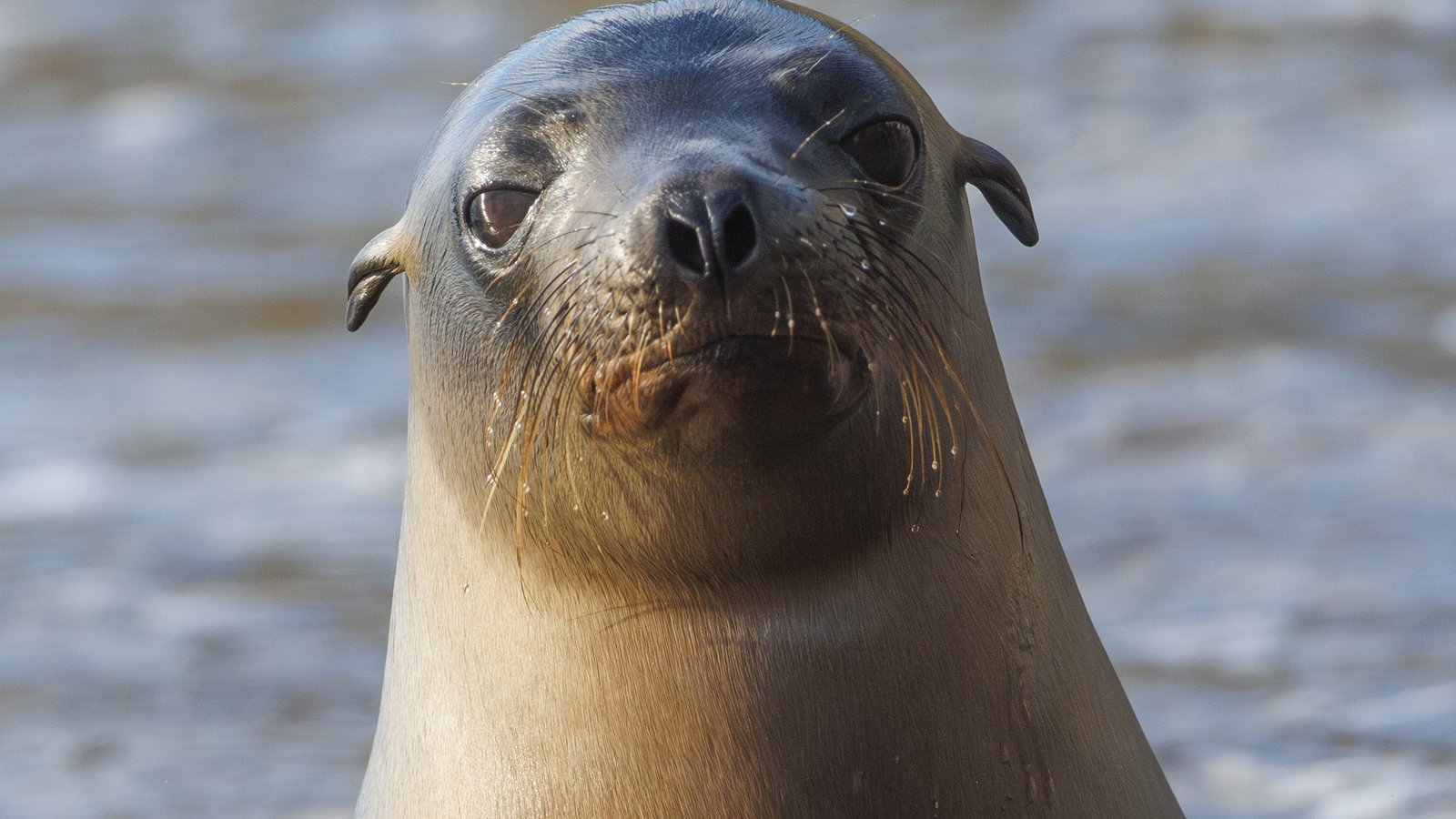
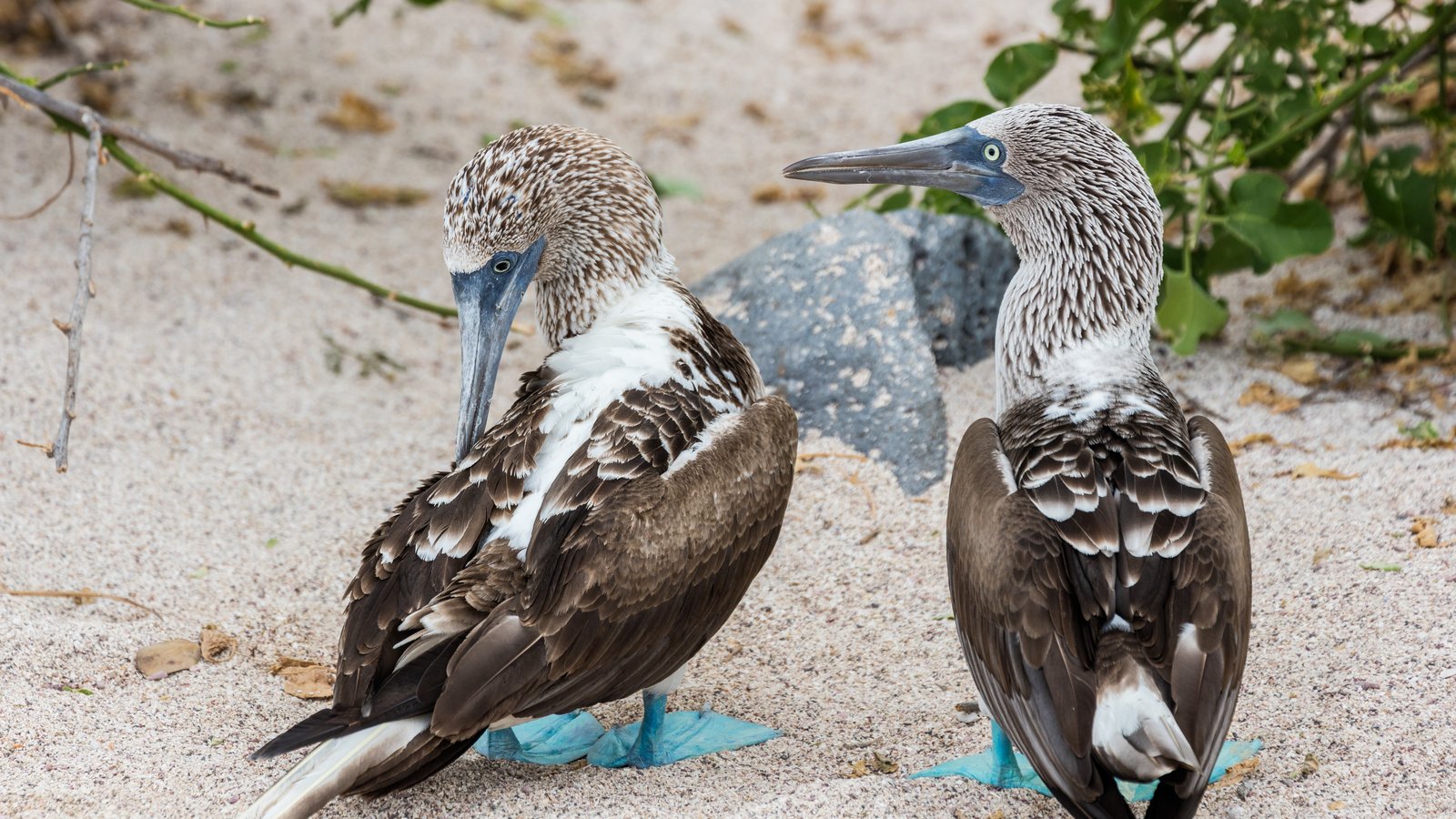
The Galápagos delivers on its reputation. The animals have no fear of humans, which means a sea lion pup will nap next to your shoe on the dock and a blue-footed booby will pose at eye level while you take photos. The landscapes are volcanic and strange. The water is clear enough that you can see rays from the panga. The Ecuadorian government regulates the park tightly, which keeps the experience consistent regardless of which operator you choose.
For travelers over 60, the question is rarely whether to go. The question is how to go. There are two real options: a small-ship expedition cruise (4 to 8 nights) or a land-based trip on Santa Cruz or San Cristobal with daily boat excursions. They produce different trips. The right one depends on your mobility, your interest in wildlife photography, your tolerance for rocking boats, and how much time you have.
Browse Galápagos tours on Viator · Browse on GetYourGuide
The two formats, honestly
Small-ship expedition cruising is the canonical Galápagos experience. You live on a 16 to 100 passenger boat, sail between islands overnight, and do two landings or snorkels a day. The naturalist guide is on board for the whole trip and gives talks in the evenings. The route is fixed by the National Park Service and rotates through the western, central, and eastern islands.
Land-based trips base you in a hotel on Santa Cruz or San Cristobal for 4 to 7 nights. Each day you take a smaller boat out to a specific island for a day trip, then come back to the hotel for dinner. The boats are smaller (8 to 20 passengers) and the routes change based on weather and the operator’s schedule.
Both work. Neither is wrong. But the differences matter:
Mobility. Small-ship cruises involve wet landings on rocky shores, sometimes via a Zodiac beach drop into shallow water. You step off the panga into knee-deep surf, then wade to dry sand. Land-based trips involve one or two wet landings total, with most excursions done via dry landing on a dock or rocky shore.
Pace. Small-ship moves every day. You pack and unpack. The boat is small enough that everyone socializes. Land-based has the rhythm of a hotel stay with day trips. Some people prefer the break from constant motion.
Snorkeling and water time. Small-ship puts you in the water twice a day as a matter of course. Land-based trips include snorkeling on most day excursions, but the schedule is more variable. If you want maximum water time, small-ship wins.
Wildlife time. Roughly equal. Both formats get you to the same islands and the same animals. The difference is the in-between time: on a small-ship, you’re already there for the evening wildlife (frigatebirds displaying, sea lions on the dock at sunset). On land-based, you’re back at the hotel.
Comfort. Land-based hotels are generally more comfortable than small-ship cabins. If your back, knees, or mobility are issues, the hotel matters. Most small-ship cabins are 120 to 180 square feet.
Cost. Small-ship runs $7,000 to $15,000 per person for a 5 to 7 night trip including flights from the mainland. Land-based runs $3,000 to $6,000 per person for the same length, depending on hotel tier.
The Galápagos National Park entrance fee ($100 per person, separate from your trip cost) applies to everyone regardless of format.
Small-ship: who it’s right for
Small-ship is the better choice if you want maximum wildlife exposure, you’re comfortable on boats (the Galápagos waters can be choppy), you want the naturalist guide available for questions throughout the trip, and you want to see the western islands (Isabela and Fernandina, which are too far for day-trip boats from Santa Cruz).
The dominant operator is Lindblad Expeditions, in partnership with National Geographic. Their ships (the National Geographic Endeavour, Islander II, and the recently launched National Geographic Resolution for longer Pacific itineraries) carry 48 to 96 passengers and run 5 to 10 night trips with two licensed naturalists on board. Lindblad is the editorial pick for the same reasons I gave in the small-ship cruise article: the strongest naturalist team, the most consistent experience, and a long-running Galápagos program.
Other small-ship operators worth considering: Ecoventura (4 to 7 night cruises on the luxury-end Eric, Letty, and Origin, 20 passengers each), Quasar Expeditions (Grace and Evolution yachts, 16 passengers), and Celebrity Cruises (Celebrity Flora, 100 passengers, more resort-style). Each has a slightly different feel. The Celebrity Flora is the closest to an ocean cruise experience; the Origin is the closest to a private yacht.
For travelers over 60, the small-ship considerations are:
- Boarding tenders and wet landings. Most small-ship landings involve a 10 to 15 minute Zodiac ride to the shore, then either stepping onto a rocky beach (dry landing) or wading through knee-deep water to the beach (wet landing). If you have knee or hip issues, ask the operator about their wet-landing policy. Most can arrange alternatives for medical reasons.
- Cabin size. Standard cabins on most small ships are 120 to 180 square feet. Premium suites run 200 to 350. If you want space, budget for the upgrade.
- Motion. The Galápagos is not as rough as the open Pacific, but you’ll feel the boat on crossings between islands. If you’re prone to motion sickness, talk to your doctor before you go. Most operators carry medication.
Land-based: who it’s right for

Land-based is the better choice if you want more comfort, you’re not confident on a small boat, you want flexibility in how you spend your time, or you want to combine Galápagos with mainland Ecuador (Quito, the Avenue of the Volcanoes, the cloud forest).
Most land-based trips are based on Santa Cruz, the island with Puerto Ayora (the main town) and the Charles Darwin Research Station. San Cristobal is the other option, smaller and quieter, with Puerto Baquerizo Moreno as its town.
From a Santa Cruz base, day-trip boats take you to:
- Bartolome (the iconic Pinnacle Rock view, great snorkeling)
- North Seymour (frigatebirds and blue-footed boobies nesting together, easy walking)
- South Plaza (land iguanas, great vegetation)
- Santa Fe (land iguanas of a different subspecies, sea lion colonies)
- North Seymour and the Plazas (often combined)
- Española (the waved albatross colony, blowhole, the most wildlife-rich day trip from Santa Cruz, weather permitting)
From San Cristobal, day-trip boats take you to:
- Kicker Rock (the iconic rock formation, great snorkeling)
- Isla Lobos (sea lions, blue-footed boobies, easy half-day)
- Española (longer crossing, but the albatross experience is worth it)
For travelers over 60, the land-based considerations are:
- Hotel quality varies. The best hotels on Santa Cruz (the Finch Bay, Hotel Solymar, the Angermeyer Waterfront Inn) are genuinely comfortable. The lower-tier hotels are functional but not memorable. Book the better tier. The difference is about $200 to $400 per night and worth it.
- Day trips require early mornings. Most boats leave at 7 or 8 AM and return by 4 or 5 PM. That’s a long day. The upside is that you can rest at the hotel in the late afternoon.
- The western islands are hard to reach from a land base. Isabela and Fernandina are 5+ hours by boat from Santa Cruz. You can do it as a multi-day side trip (sleep on Isabela for two nights), but it requires changing hotels. Most land-based itineraries skip the western islands.
Physical considerations for older travelers
Galápagos trips are not physically extreme, but they are not sedentary either. A reasonable expectation:
- You will walk on uneven surfaces. Lava rock, sand, and uneven trails are normal. Most guided walks are 1 to 2 miles over 2 hours. There are some stairs and rocky sections. People with serious mobility issues should look for operators with “accessible” programs (Celebrity Flora has the most accessibility, with a hydraulic lift at the rear platform).
- You will get wet. Wet landings are the norm at most islands. Some operators provide reef shoes. Bring water shoes if you have them.
- You will get sun. The equator is the equator. Bring high-SPF sunscreen, a hat, and long-sleeve sun shirts. Most naturalists wear them daily.
- Boat motion is real. If you’ve never been on a small boat in choppy water, you’ll feel it. Anticipate that the first day may be uncomfortable. Most people adjust by day two.
The honest answer: Galápagos is accessible for travelers in their 60s and 70s if you choose a small ship with accessibility features (Celebrity Flora, Lindblad’s Islander II) or a land-based trip with comfortable hotels and skip the wet landings where you can. If you have specific mobility concerns, tell the operator when you book. They will plan around them.
When to go
Galápagos is a year-round destination. The wildlife varies by season:
- December to May (warm/wet season): Warmer water, more rain, calmer seas, green vegetation, sea turtles nesting. The seas are calmer, which is a real advantage for older travelers prone to motion sickness.
- June to November (cool/dry season, garua): Cooler water, more wind, drier vegetation, less rain. The seas can be choppier. Great for marine life (whale sharks, more active sea lions).
Most travelers over 60 prefer the warm/wet season for the calmer water. The trade-off is the possibility of brief rain showers.
What it costs (2026 prices, ranges)
- Park entrance fee: $100 per person (separate from trip cost)
- Transit card (INGALA): $20 per person (separate from trip cost)
- Small-ship expedition cruise: $7,000 to $15,000 per person for 5 to 7 nights, including flights from Quito or Guayaquil
- Land-based trip: $3,000 to $6,000 per person for 5 to 7 nights, including flights and most meals
- Optional extras: Wetsuit rental (~$30 to $50 per week), premium snorkeling gear, alcoholic beverages on small ships
Add $1,500 to $2,500 per person for international flights to Ecuador from the US, plus $500 to $1,000 for two nights in Quito or Guayaquil on either end (recommended for acclimatization).
How to book
Three options, in order of reliability:
- Book directly with the operator. Lindblad, Ecoventura, Quasar, Celebrity all have online booking or you can call. Best for specific ship and cabin selection.
- Use a Galápagos specialist travel agent. A few agencies focus specifically on the islands (e.g., Adventure Life, Voyagers Travel). They can compare operators and find availability when ships are sold out.
- Use Viator or GetYourGuide for the day-trip portion. If you book land-based and want to add specific day-trip excursions, the platform options are reasonable but not as curated as a specialist.
Book 9 to 12 months out for high season (December to May). Book 6 to 9 months out for the rest of the year.
The bottom line
For most travelers over 60, the right answer depends on your mobility and your comfort with boats. If you want maximum wildlife exposure and don’t mind wet landings, small-ship is the canonical answer and Lindblad is the operator to start with. If you want comfort, flexibility, and a more relaxed pace, land-based from Santa Cruz is the better choice.
Both produce the same wildlife. The animals don’t care which format you chose.
Browse Galápagos tours on Viator · Browse on GetYourGuide · Browse Lindblad’s Galápagos expeditions
This article contains affiliate links to Viator, GetYourGuide, and Lindblad. If you book through these links, we may earn a commission at no extra cost to you. Our editorial recommendations are independent of affiliate relationships. See our affiliate disclosure for details.
Research note: Operator schedules, itineraries, and pricing were reviewed in Summer 2026. Lindblad Galápagos calendar, ship assignments, naturalist teams, and 2026-2027 fares should be verified directly with the operator at the time of booking. Park entrance fees and transit card costs are set by the Ecuadorian government and are subject to change.