Most lists of “must-do” Mediterranean experiences are exhausting. They name fifty things, weight them equally, and leave the reader no better equipped to actually book something.
This list is different. Ten specific experiences. Each one is genuinely worth flying to the Mediterranean for. Each is bookable. Each is sized for travelers who want quality over volume: not people trying to cram nine countries into fourteen days.
Browse Mediterranean experiences on Viator · Browse on GetYourGuide
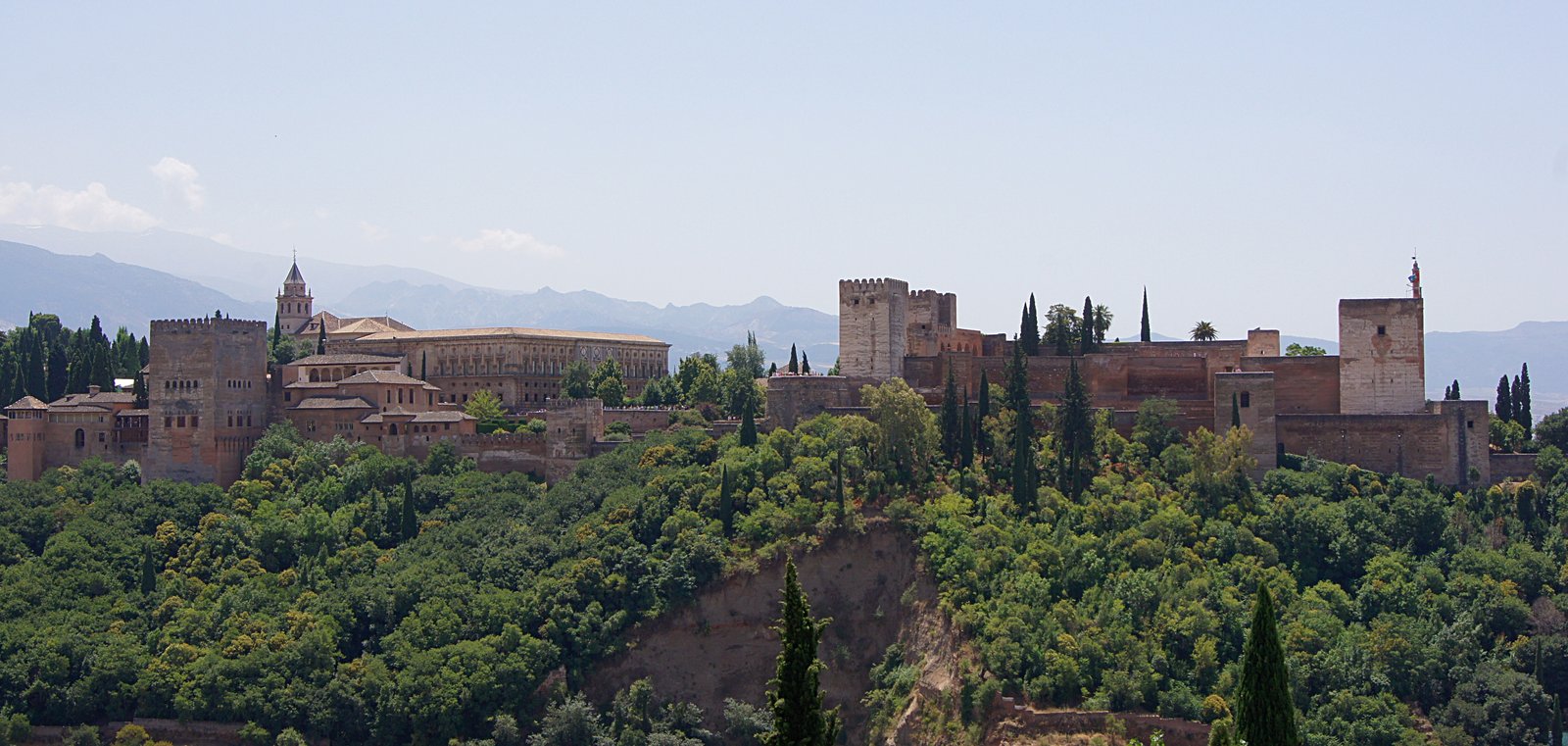
1. The Alhambra at sunrise, Granada
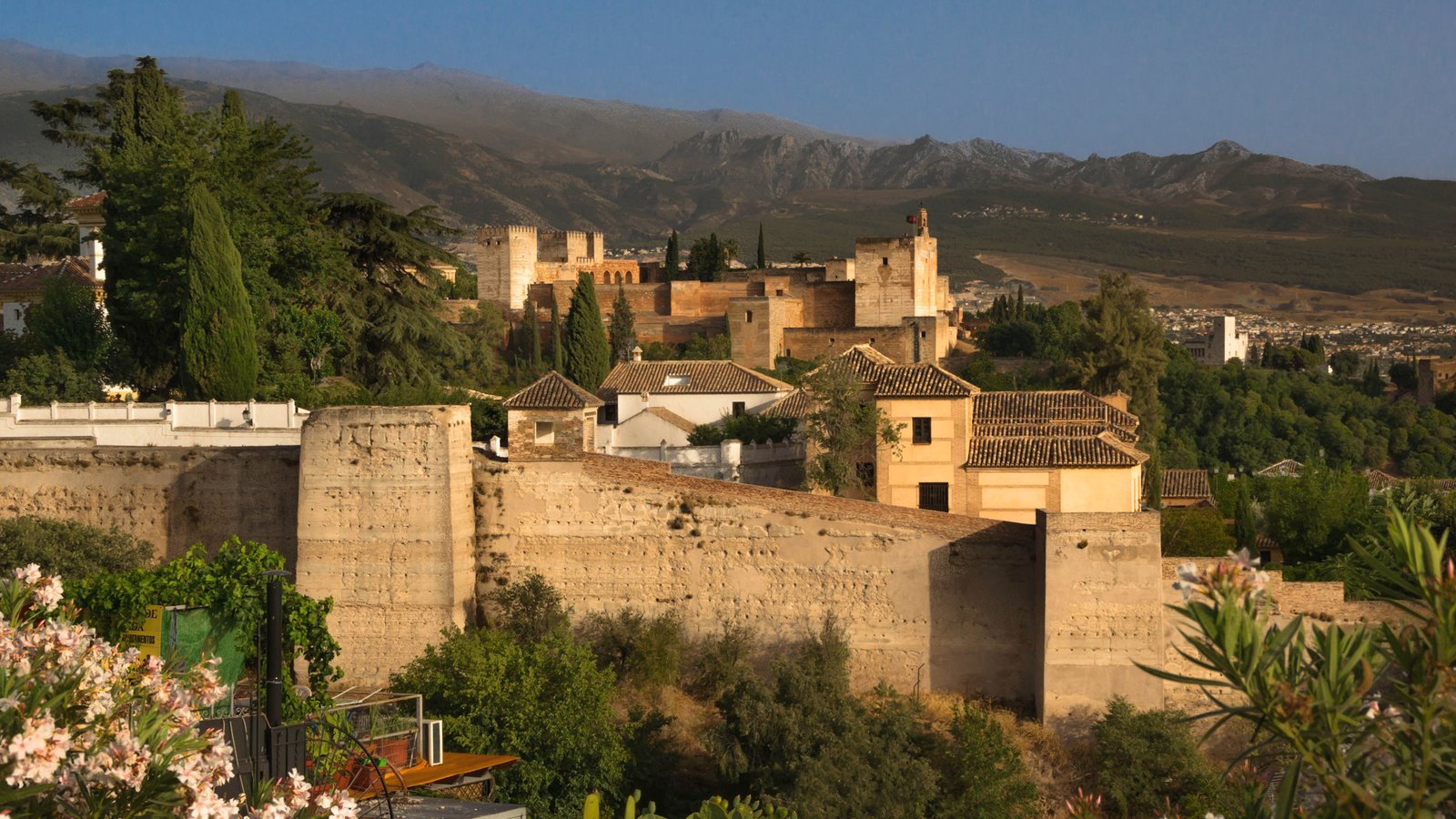
The Alhambra is the most-visited monument in Spain and for good reason. But seeing it with 6,000 other tourists in mid-afternoon is a different experience than seeing it alone at sunrise.
The first entry slot at 8 AM in summer is the move. The Nasrid Palaces are still relatively empty. The light is right. The Court of the Lions hasn’t been walked through by 200 people yet. Book the first entry online (capped daily at 8,500 visitors total). Be at the gate before opening.
What it costs: 19 EUR for general entry, 30 EUR for the more complete ticket. The Alhambra Generalife + Nasrid combo is the right one.
Granada rewards travelers who give the Alhambra a full day rather than rushing through. The article names the sunrise slot, the Generalife gardens in spring, and the night visit as the three strongest ways to see the complex; all three are worth combining into one slow day if the trip allows. Beyond the Alhambra, the Albaicin (the old Moorish quarter across the river) and the Sacromonte (the gypsy quarter with cave houses and flamenco) reward an evening walk. Granada is a city that takes food seriously: the tapas culture means a single drink comes with a plate of food, and the article is right that the city is most memorable at mealtime. Skip the day-trip version of Granada from the coast and stay at least 2 nights.
2. Watching the sunset from Santorini’s caldera
Santorini gets the most sunset photos of any place in Europe for a reason. The combination of the volcanic caldera, the white-washed buildings, and the late-summer light is genuinely stunning.
Most people crowd into Oia village for the sunset. That’s the iconic view but it’s packed. The alternatives: hike from Fira to Oia (10 km, 3-4 hours, ends at sunset), book a sunset catamaran cruise from Vlychada marina, or stay in Imerovigli and watch from a quieter terrace. The sunset is the same. The crowds aren’t.
What it costs: Free if you walk, 60-150 EUR for a sunset cruise including dinner and wine.
Santorini rewards travelers who stay past the sunset and give the island its slow version. The caldera villages of Oia, Fira, and Imerovigli are the headline stops, and the sunset from Oia is the most photographed moment in Greece. But the article is right that the morning version of Santorini is the real discovery: the empty caldera path from Fira to Oia at 6 AM, the wineries in the center of the island, and the black-sand beach at Perissa or Perivolos. Santorini rewards travelers who stay 3 nights rather than rushing the cruise-ship day-trip version. The Akrotiri archaeological site is a strong half-day anchor.
3. The Vatican after hours
The Vatican Museums receive 25,000 visitors a day during peak season. Most of them crowd into the Sistine Chapel in groups, talking, taking photos, missing the actual ceiling.
The Vatican offers a small number of “after hours” tours that put you in the Sistine Chapel at dusk with 50 other people instead of 5,000. Same chapel. Same Michelangelo. Same silence that’s mandatory. Completely different experience.
These tours book 2-3 months out and cost 80-130 EUR. Worth every euro.
Rome rewards travelers who give the Vatican its own day rather than folding it into a city walk. The article is right that the Vatican Museums after hours are the only version that makes the Sistine Chapel and the Raphael Rooms actually enjoyable. The Vatican is best paired with a St. Peter’s Basilica morning and an afternoon walk across the Tiber into the Prati neighborhood. Rome rewards travelers who pick one neighborhood per day and slow down: the Centro Storico, Trastevere, the Monti, or Testaccio. Skip the day-trip Vatican version from a cruise ship or a Florence-to-Rome bus.
4. The Blue Grotto, Capri
Capri is overrated as a destination but the Blue Grotto is not. The sea cave on the north side of the island is famous because the light is genuinely otherworldly: sunlight enters an underwater cavity and refracts through the water, turning the cave interior an electric blue.
The catch: you can only get in by small rowboat (4 people max), and only when sea conditions are calm (which they’re often not). The boats wait outside the cave entrance and the boatmen decide who gets in based on wave conditions. Plan to spend half a day in Capri trying. If you don’t get in, the rest of the island is still worth the visit.
What it costs: 14 EUR for the boat row + tip (5 EUR standard).
Capri rewards travelers who give the island 2 nights rather than rushing the boat-from-Naples day-trip. The Blue Grotto is the headline (and the article is right that the morning slot is the right one), but the island also has the chairlift up to Monte Solaro for the view, the Augustus Gardens above the Marina Piccola, and the Anacapri side of the island for slow lunches. Capri rewards travelers who stay on the island rather than commuting from Sorrento or Naples. The path from the Piazzetta down to the Faraglioni rocks is the strongest short walk. Skip the bare-headed boat-tour version from Naples that gives 90 minutes on the island.
5. The Parthenon at opening, Athens
The Acropolis is one of the most-visited archaeological sites in the world. The Parthenon is one of the most-photographed buildings. By 10 AM in summer, it’s a slow-moving river of tour groups.
The Acropolis opens at 8 AM. Be there at 7:45. The first hour is cooler, less crowded, and the light is right for photography. By 9 AM the cruise ship crowds arrive and the experience changes. The 7:45 wake-up is worth it.
Book Acropolis early-access tour
Athens rewards travelers who give the Acropolis a morning slot and treat the rest of the day as a slow city walk. The Parthenon at opening is the article’s recommended version and the right call; the site empties out by mid-afternoon and the light is right at the start of the day. The Acropolis Museum below the hill is the strongest single museum visit in the city. Athens rewards travelers who pick a neighborhood for the afternoon: Plaka for the tourist version, Monastiraki for the market, Psyrri for the food scene, or the National Garden for the slow version. A 2-night Athens stay is the right anchor for a Greek-islands trip.
6. Pompeii with an archaeologist
Pompeii is one of the most-visited sites in Italy and most visitors see about 10% of it. They walk the main drag, take a few photos, eat a sandwich, leave.
The site is enormous. To actually understand what you’re looking at (the difference between the forum, the macellum, the thermopolium, the brothel markers on the street corners) you need someone who knows archaeology. A guided tour with a real archaeologist (not a tour guide with a script) makes Pompeii a completely different place.
What it costs: 50-100 EUR for a half-day tour with a specialist. Book with a small group, not a 40-person bus tour.
Book Pompeii archaeologist tour
Pompeii rewards travelers who give the site a half-day with a guide rather than rushing the self-guided loop. An archaeologist-led tour is the article’s recommendation and the right call; the site is large enough that without context most visitors see walls and frescoes without understanding what they are looking at. The Forum, the Villa of the Mysteries, and the plaster casts of the victims are the three strongest stops. Pompeii rewards travelers who combine it with a stop at the National Archaeological Museum in Naples (the strongest single collection of Roman artifacts in the world). The site gets hot in summer and crowded by midday; the morning slot is the right one.
7. The Alhambra’s Generalife gardens in spring
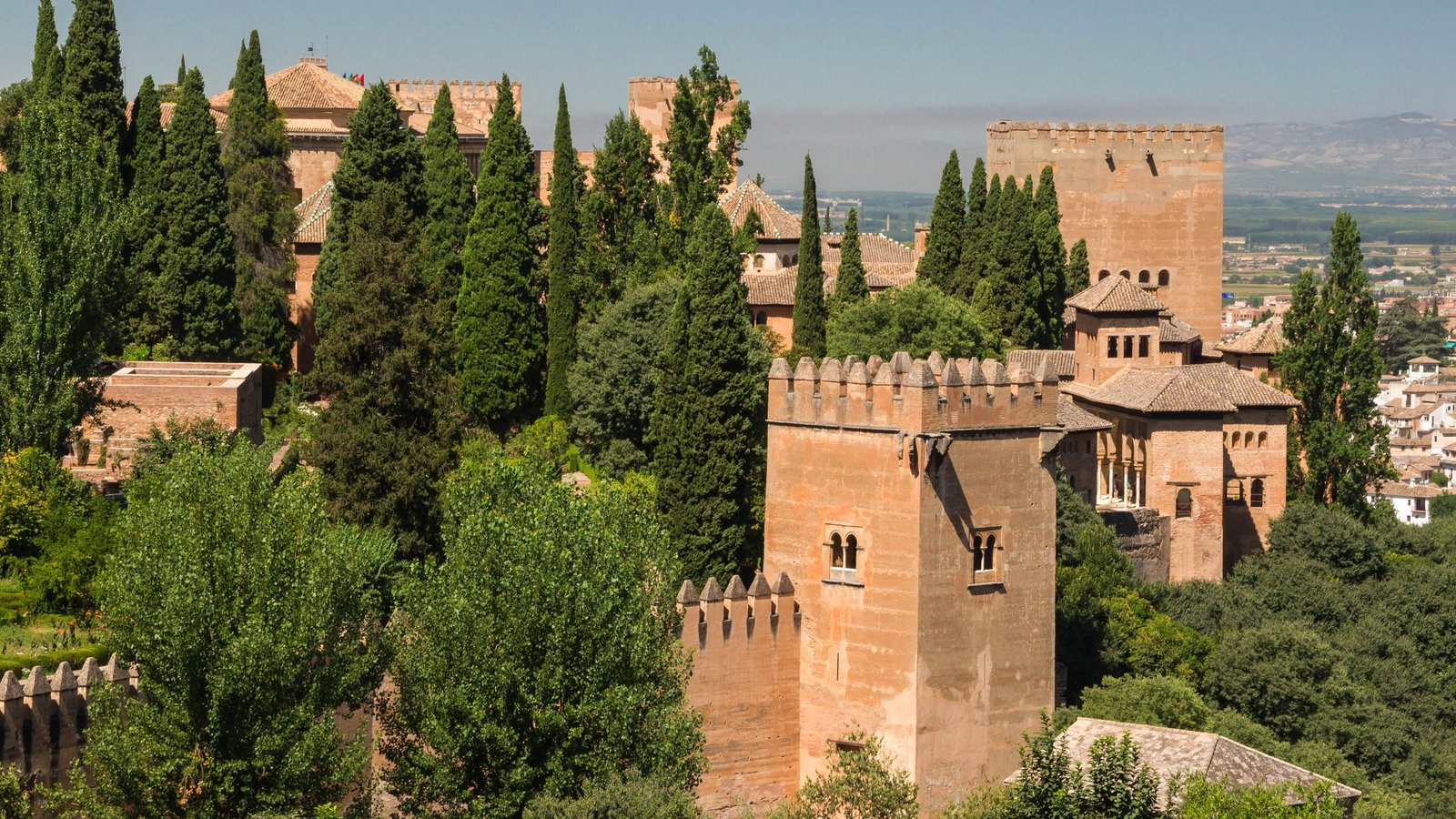
The Generalife is the summer palace of the Alhambra complex, and the gardens are at their peak in April and May. The roses, the cypresses, the water channels, the view of Granada below. Most visitors skip the Generalife to spend more time in the Nasrid Palaces.
Don’t. The gardens are the part of the Alhambra experience that rewards a slower visit. Plan 90 minutes for the Generalife, 90 minutes for the Nasrid Palaces, and 30 minutes for the Alcazaba fortress.
8. A cooking class in a Sicilian home
Sicilian cooking is one of the most distinctive regional cuisines in Italy and most visitors never get past restaurant versions. A home-based cooking class (pasta, fish, regional wine) with a Sicilian nonna in her kitchen is a different experience entirely.
Most cooking class operators in Sicily are small family operations. The classes are small (4-8 people), last 4-5 hours, and end with everyone eating what they cooked. The cost is 80-150 EUR per person, often including market visits and wine.
Book Sicilian home cooking class
Sicily rewards travelers who give the island a week and treat it as a destination rather than a day-trip. A cooking class in a Sicilian home (the article’s recommendation) is the right way to anchor the trip: the food culture is one of the strongest in Italy and the home-kitchen experience is the deepest version. Palermo, Catania, and Taormina are the three named base cities; each rewards 2 to 3 nights. Sicily rewards travelers who slow down on the food, the Roman ruins, and the Greek temples (the Valley of the Temples at Agrigento is the strongest). Skip the cruise-ship day-trip version of Sicily from Malta or the Italian coast.
9. The Cinque Terre by foot
The Sentiero Azzurro (Blue Trail) was the most famous coastal walk in Italy until two sections of it collapsed. As of 2026, the Vernazza-Monterosso and Riomaggiore-Manarola sections are still closed. The Monterosso-Riomaggiore section (with the detour via the high path) is open.
Do the walk anyway. Take the train between the villages, stay a night in Vernazza, do the high path from Corniglia to Vernazza at sunrise. The collapsed sections are a loss but the experience of the Cinque Terre from above is better than the coastal version when it’s crowded.
Browse Cinque Terre experiences
The Cinque Terre rewards travelers who walk between the villages rather than taking the train between stops. The Sentiero Azzurro (the coastal path that connects the five villages) is the headline walk, and the article is right that the foot version is the right version. Riomaggiore, Manarola, Vernazza, and Monterosso are the four named villages; each rewards a slow lunch and a swim at the harbor if the season allows. The Cinque Terre rewards travelers who stay 2 to 3 nights in one of the villages and walk the path in segments rather than rushing all five in a single day. Skip the cruise-ship day-trip version from Livorno.
10. The Alhambra at night (the Nasrid Palaces)
The Nasrid Palaces offer a small number of “night visit” tickets on specific dates. The palaces are floodlit. The Court of the Lions is empty. The reflecting pools in the Court of the Myrtles mirror the Comares Tower above. It’s a 30-minute visit but it’s the only time you’ll see the Alhambra at its most magical.
These tickets are limited and release 60-90 days out. If you’re planning a trip to Andalusia, check the night-visit schedule when you book flights.
What I’d actually book
If you have one trip and one chance to do this list well:
- 3 nights in Granada for the Alhambra at sunrise AND the night visit (book the Alhambra for opening, the night visit for any other evening)
- 3 nights in Santorini (or skip: most of the value is the sunset, and a 2-day visit covers it)
- 2 nights in Rome for the Vatican after-hours and a single day at the major sites
- 2-3 days in Sicily for a cooking class and a coast drive
That’s 10-12 days total. You won’t see all 10 items, and you don’t have to. Pick the 3-4 that actually mean something to you and do them properly.
This article contains affiliate links to Viator and GetYourGuide. If you book through these links, we may earn a commission at no extra cost to you. Our editorial recommendations are independent of affiliate relationships. See our affiliate disclosure for details.
Last reviewed: July 2026. Prices and seasonal availability verified at time of writing. Confirm details on each operator’s site before booking.