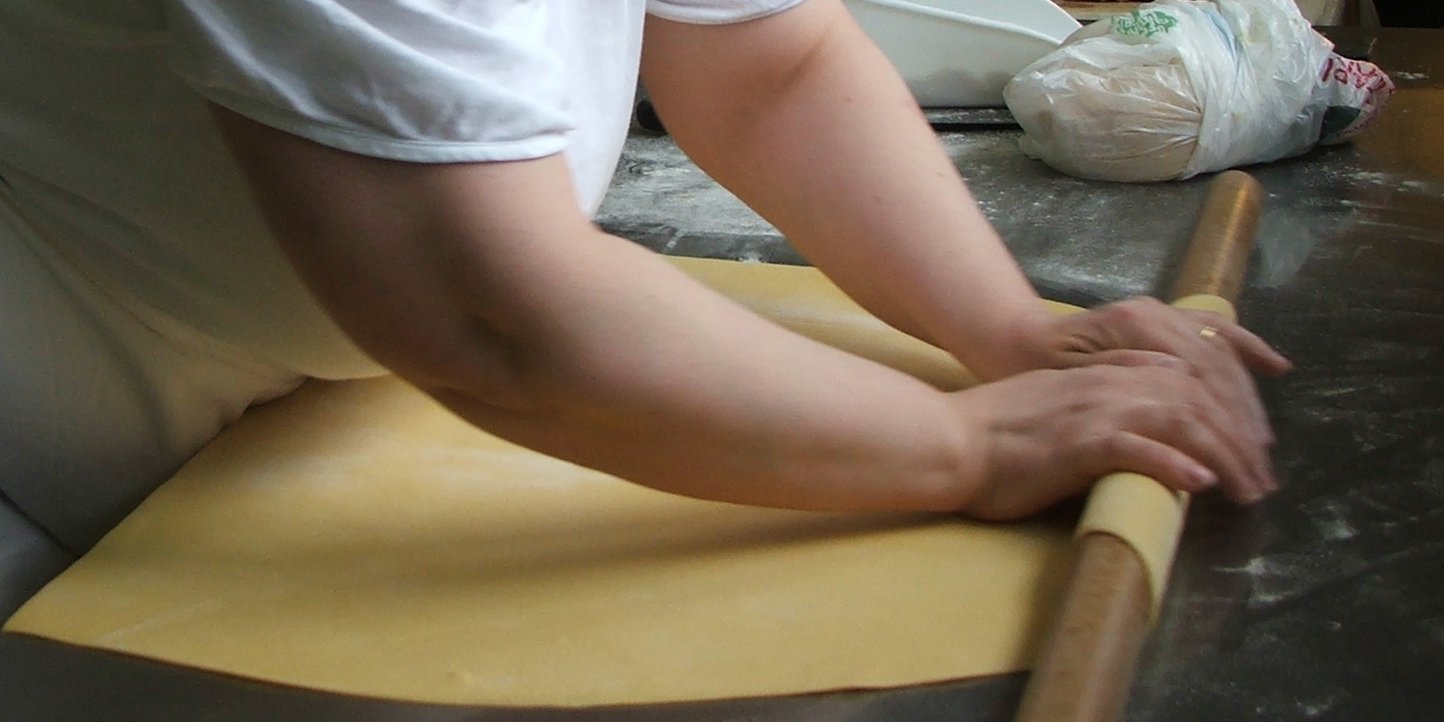
A cooking class is one of the best ways to make a trip stick. You learn something, you meet locals, you take home a skill, and the meal you cook is the most memorable meal of the trip. Most cooking classes on vacation are mediocre. The good ones are unforgettable.
This is how to find the good ones.
Browse cooking experiences on Viator
What separates a good class from a bad one
Most cooking classes on vacation are bad for the same reason most cooking classes anywhere are bad: they’re optimized for throughput, not for teaching.
A real cooking class has:
– A small group (4-8 people). More than 8 and you’re watching rather than cooking.
– A working kitchen that’s actually used for cooking, not a hotel conference room with hot plates.
– A real menu, not a “tasting menu” of 8 things where you barely touch anything.
– A local instructor who cooks this food at home, not a tour company employee with a script.
The 90-minute “tapas making” class at a hotel that serves 30 people is not a cooking class. It’s a photo op. The 4-hour class in a family kitchen in Chiang Mai with the grandmother teaching is a cooking class.
What to look for
Length: 3-5 hours is the sweet spot. Less than 2 hours and you won’t cook a real meal. More than 6 hours and it’s exhausting.
Menu: Should be specific to the region. A class in Florence should be Tuscan, not generic Italian. A class in Oaxaca should be Oaxacan, not generic Mexican. If the operator can’t name the regional dishes you’ll be cooking, the class is tourist food.
Group size: Ask before booking. If they say “small group” without a number, that’s a red flag. The right answer is 4-10 people.
Instructor credentials: Ideally a local cook who has been making this food for years. “Professional chef” is fine. “Tour guide with culinary certificate” is not. The best classes are run by nonnas, retired restaurateurs, and family matriarchs.
What’s included: Market visit (where you source ingredients), all cooking equipment, the meal at the end, recipes to take home, often wine or other drinks. A class that doesn’t include the meal is a class that doesn’t trust its own food.
Where the strongest classes are
Italy: Tuscany (Florence, Siena), Bologna, Naples, Sicily. Italian cooking is regional, so a class in the right region is genuinely different from a class elsewhere. Bologna for pasta, Sicily for fish and the Arab influences, Tuscany for the seasonal vegetables and bread.
Italy is the right answer for travelers who want regional cooking classes that match the place they’re visiting. Tuscany (Florence, Siena) is the strongest base for seasonal Italian cooking: the pici, the bread, the seasonal vegetables. Bologna is the right answer for pasta (the article is right that Bologna’s pasta tradition is the deepest in Italy). Naples and Sicily round out the regional picture: Naples for pizza and southern Italian home cooking, Sicily for fish and the Arab-influenced sweets. Italy rewards travelers who pick one region and do a class there, not travelers who try to cover the country in one trip.
Thailand: Bangkok, Chiang Mai. Thai cooking is technically demanding (the balance of flavors, the wok work) and the classes are well-organized. Most Thai classes include a market visit.
Thailand is the right answer for travelers who want technically demanding cooking classes with strong organization. Bangkok and Chiang Mai are the two named bases. Thai cooking is demanding in a specific way: the balance of the four flavors (sweet, sour, salty, spicy), the wok work, the curry paste preparation. Most Thai classes include a market visit in the morning to introduce the ingredients, which is the right shape for a half-day or full-day class. Thailand rewards travelers who want to learn the technique, not travelers who want a quick lunch-and-cook experience. Skip the tourist-trap Bangkok cooking classes in hotel kitchens; the right ones are taught by working Thai chefs in home or small-school settings.
Mexico: Oaxaca (the regional cuisine capital), Mexico City, Mérida. Oaxaca is the standout: the food is distinct from generic Mexican and the cooking traditions are deep.
Mexico is the right answer for travelers who want regional cooking that’s distinct from generic Mexican. Oaxaca is the standout destination: the food scene is its own regional tradition (the moles, the mezcal, the Oaxacan cheese, the tlayudas), and the cooking schools there are deep in the local tradition. Mexico City is the right alternative: the culinary scene is broad, with classes that range from high-end contemporary Mexican to traditional home cooking. Mérida in the Yucatan is the third named destination, with Mayan-influenced cooking and a slower pace. Mexico rewards travelers who want to understand the regional depth, not just the surface-level taco and salsa experience.
Morocco: Marrakech, Fez. The tagine and couscous classes in Marrakech are a specific experience: slow-cooked stews, preserved lemons, the bread-baking ritual. Fez has the more traditional home-cooking experience.
Morocco is the right answer for travelers who want a tagine-and-couscous class that’s the slow-cooking version of the trip. Marrakech is the headline destination: the tagine classes (slow-cooked stews with preserved lemons, the bread-baking ritual in a communal oven) are the strongest experience. Fez has the more traditional home-cooking version, with smaller classes in riad kitchens. Morocco rewards travelers who pick one city and do one class there, with a market visit in the morning and a long lunch as the meal you cooked. Skip the hotel-kitchen cooking classes in Marrakech — the right ones are in riad or home kitchens with a Moroccan chef.
France: Provence, Lyon. The Provençal market-to-table class is the canonical European experience. The Lyon bouchon cooking class is more serious (Lyon is the gastronomic capital of France).
France is the right answer for travelers who want a market-to-table cooking class experience. Provence is the canonical European version: a morning market visit, the seasonal produce, the Mediterranean-influenced cooking. Lyon is the more serious alternative: the city is the gastronomic capital of France, and the bouchon cooking classes (the traditional Lyonnais bistros) are the strongest deep-dive. France rewards travelers who want to understand the technique (the sauces, the braising, the pastry) and who don’t mind a structured, multi-hour class. Skip the cruise-port cooking classes — the right ones are in home kitchens or small cooking schools in the regional food capitals.
Japan: Tokyo, Kyoto. Sushi-making and ramen-making classes. Be aware: many “sushi classes” in Tokyo are tourist operations that don’t teach real sushi. Look for classes taught by a working sushi chef.
Japan is the right answer for travelers who want sushi-making or ramen-making classes taught by working chefs. Tokyo is the headline destination, with both sushi-making and ramen-making options. The article warns that many ‘sushi classes’ in Tokyo are tourist operations that don’t teach real sushi; the right ones are taught by working sushi chefs who can demonstrate the rice-vinegar balance and the knife work. Kyoto is the right alternative: kaiseki-style classes (multi-course Japanese haute cuisine) and traditional cooking classes that focus on dashi, miso, and seasonal vegetables. Japan rewards travelers who want to learn a specific technique rather than a generic cooking experience.
How to book
Three reliable paths:
Operator platforms (Viator, GetYourGuide, Airbnb Experiences): largest selection, reviews from past customers, easy cancellation. Quality varies widely because any local can list. Filter for operators with 50+ reviews at 4.7+ rating. The article links go to operator pages.
Hotel concierge: if your hotel has a good concierge, ask. They know the local options that aren’t on the big platforms. This is especially useful in Italy, Japan, and France where high-quality classes often don’t bother with online marketing.
Local food tour operators: operators who run food walking tours often partner with cooking class instructors. If you take a food tour and love the guide, ask who they recommend for a class.
The honest truth about cooking class ROI
A good cooking class costs $80-150 per person for 4 hours. That’s not cheap. But consider:
– A restaurant dinner for two at a good Mediterranean restaurant: $80-150
– A cooking class for one: $80-150
– The class teaches you a skill, gives you the meal, gives you recipes, often gives you wine, gives you local contact
– The dinner is forgotten in a week
The class wins the value comparison for most travelers. The exception: if your trip is short and you’d rather maximize restaurant visits than spend a half-day cooking, skip it.
What to bring
Nothing. The class provides everything. Wear closed-toe shoes if the class involves standing over a stove for 4 hours, and don’t wear anything you’d be devastated to get flour on.
What to expect the day of
Most classes follow the same pattern:
– 9-10 AM: market visit (or starting time, depending on class)
– 10:30 AM – 1 PM: cooking
– 1 PM – 2 PM: eat what you cooked
– 2 PM: leave with recipes, possibly leftover wine
The market visit is often the best part. A 30-minute walk through a local market with someone who knows what’s in season, what to pick, how to negotiate, is worth more than the cooking class itself for cultural context.
The cooking is fun but it’s not the highlight. The meal at the end is the highlight. Take your time with it.
What I’d book
If you have a trip planned to any of the regions above, look for a half-day class with at least 50 reviews at 4.7+ rating. The class should be run by a local family or small operator, include a market visit, and end with the meal you cooked.
Don’t book through a hotel tour desk without checking the alternatives: those tend to be the more expensive, less authentic options. Don’t book through a chain operator that runs the same class in five cities.
Book direct if you can find the operator’s own website. Book through a platform if you can’t.
Browse cooking experiences on Viator
This article contains affiliate links to Viator. If you book through these links, we may earn a commission at no extra cost to you. Our editorial recommendations are independent of affiliate relationships. See our affiliate disclosure for details.
Last reviewed: July 2026. Class formats, durations, and pricing verified at time of writing. Confirm details on each operator’s site before booking.